Category: research

  • Living Laneways

    Living Laneways
    Turning hidden spaces into climate positive housing solutions

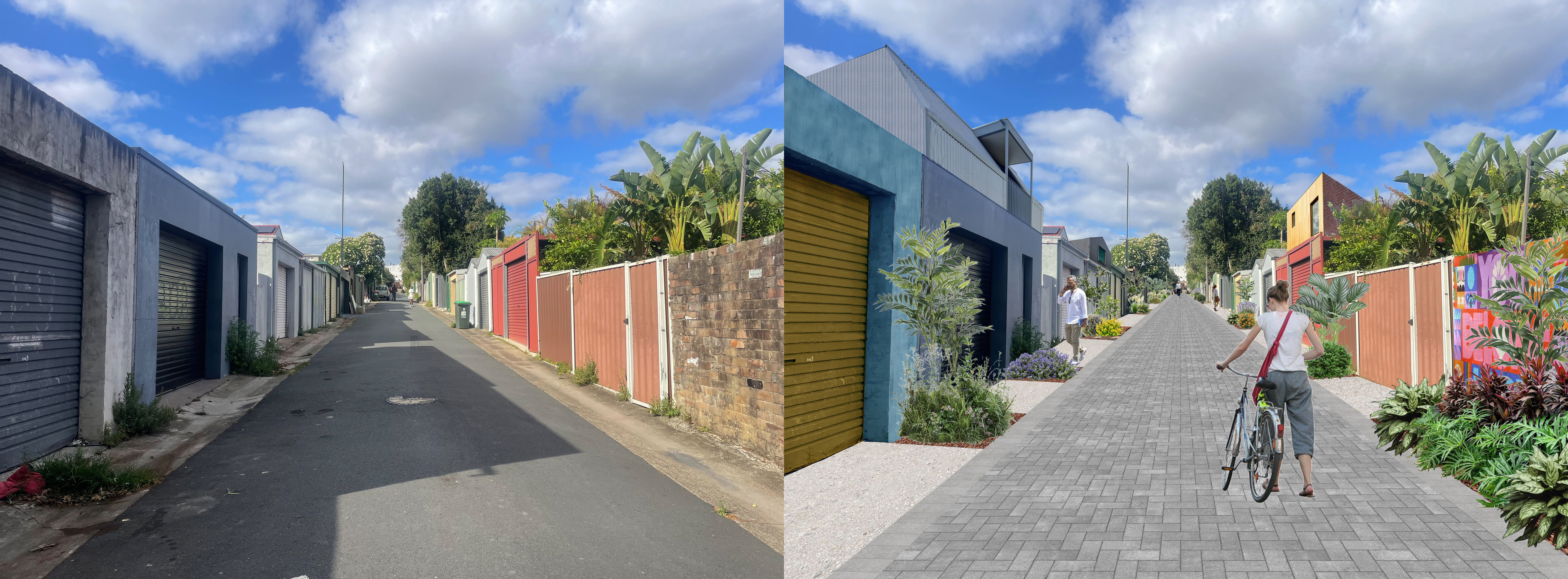
    Greater Sydney has thousands of laneways which are currently underutilised. Fronted primarily by garages or service entries, and often paved with impervious surfaces in need of an upgrade, Living Laneways aims to reconceptualise back lanes as living places which can provide housing, green infrastructure, and social and cultural engagement.

    Laneway revitalisation, greening, activation, safety and/or housing has been implemented in Australia, as well as internationally. Living Laneways proposes to incorporate lessons from a variety of these case studies, bringing together community members, government agencies, subject matter experts, and other stakeholders to compile a collaborative approach to making laneways great places to live: building laneway housing while also creating green, cool, and water sensitive lanes.

    Laneway housing, greening, and revitalisation are not new ideas. For example, Vancouver and Toronto have established laneway housing as a solution to increasing density and affordable housing options in the centre city. Chicago has a long-standing program, Green Alleys, to improve stormwater drainage, reduce heat, and conserve energy through permeable paving, recycled materials, and more efficient lighting. Melbourne’s Green Your Laneway program and the City of Sydney and other LGAs, such as Burwood and the Inner West, as well as community groups, are working to green and revitalise laneways through a variety of techniques. Laneway housing, termed secondary dwellings or granny flats, has been built in Sydney by architects, planners, builders, and residents, navigating an often complex set of regulations and processes depending on the LGA, lot size, zone, heritage designation, and other requirements. Please check out our collaborative online map of laneway projects in Sydney (and get in touch with us at the email below to add more!)

    Living Laneways aims to bring together and learn from the approaches and outcomes of these policies and projects, enabling more Sydney LGAs, businesses, and residents to take collaborative, place-based action in their own neighbourhoods and with their own properties. This is particularly important along residential laneways, where innovative and harmonised solutions are required to create vibrant, resilient, and liveable lanes.

    Living Laneways
    Potential incremental transformation of a typical residential laneway in Sydney. Before (left) and after (right). Image credit: Bing Han and Living Laneways.

    Living Laneways has several overlapping stages:
    – Learning from case studies in cities such as: Sydney, Melbourne, Toronto, Vancouver, Chicago, etc.
    – Place-based zoning, policy, regulation, and approval requirements analysis, identifying potential locations, challenges, opportunities, and possibilities for harmonisation across state and local government
    – Developing a strategic vision for Living Laneways Greater Sydney
    – Community consultation and participation at all stages
    – Advocating for local and state government, as well as residential, small business, industrial and commercial stakeholders, to participate, fund, and construct Living Laneways (e.g. through grants, in kind donations, tax incentives, advocacy and/or sponsorships).

    We are actively looking for collaborators, whether through: promoting and sharing information about your project(s) and experience through our online map and References and Resources list (see below); collaborating on research and engagement; and/or through funding, partnership, and sponsorship. Please contact melissa@transversestudio.com to connect and get involved!

    References and Resources(list in progress!)
    Laneway Housing – examples & planning information
    Laneway Twins, Gadigal Country, Hill Thalis
    Redfern Studio, McGregor Westlake Architecture
    Small House, Surry Hills, Dominic Alvaro Architect (exciting example of a place-responsive, multi-storey small lot dwelling)
    St. Peters House II, Kries Grennan Architecture

    NSW Planning, Housing SEPP: Secondary Dwellings (Granny Flats) information
    Guidance on NSW Low- and mid-rise (LMR) housing provided by Planland

    Laneway Greening – examples, policies & programs
    Carnegie Community Laneways, Melbourne
    Greening Sydney Strategy, City of Sydney (pg 42 – Green our laneways)
    Green Your Laneway program, City of Melbourne

    Laneway Activation, Revitalisation & Placemaking – examples, policies, studies & programs
    City of Sydney Laneways Revitalisation Plan (2021 announcement)
    Lanes and alleyways of Sydney (Wikipedia page mostly about City of Sydney laneways)
    CBD Revitalisation—The Relationship Between Laneway Activation and Sense of Place, study by Brittany Hughes
    Geelong Laneways, Aspect Studios
    Quay Quarter / Loftus Lanes, City of Sydney, Aspect Studios More info & full project team
    Fish Lane Arts Precinct, Ulster Lane, Eden Laneway, Brisbane, Aria Property Group, with RPS, Richards and Spence Architects (Fish Lane), Cameron and Co. (Ulster), and Rothelowman (Eden).

    Other References & Resources
    The Laneway Project – Toronto based laneway revitalisation organisation (an inspiration and model for Living Laneways!)
    RE-IMAGINING LANEWAYS IN TORONTO, article by architect Dean Goodman in Spacing Magazine
    NSW Movement and Place design principles – Residential Lanes and Service Lanes
    Chicago’s Green Alley Handbook
    Permeable Paving – one example and technical details guide (for reference only)
    Your garage might be the most underrated room in the city – article by Jeffery Tompkins about the multifunctional potential of laneways and garages (US context – great case study and lessons for AUS)

    Living Laneways
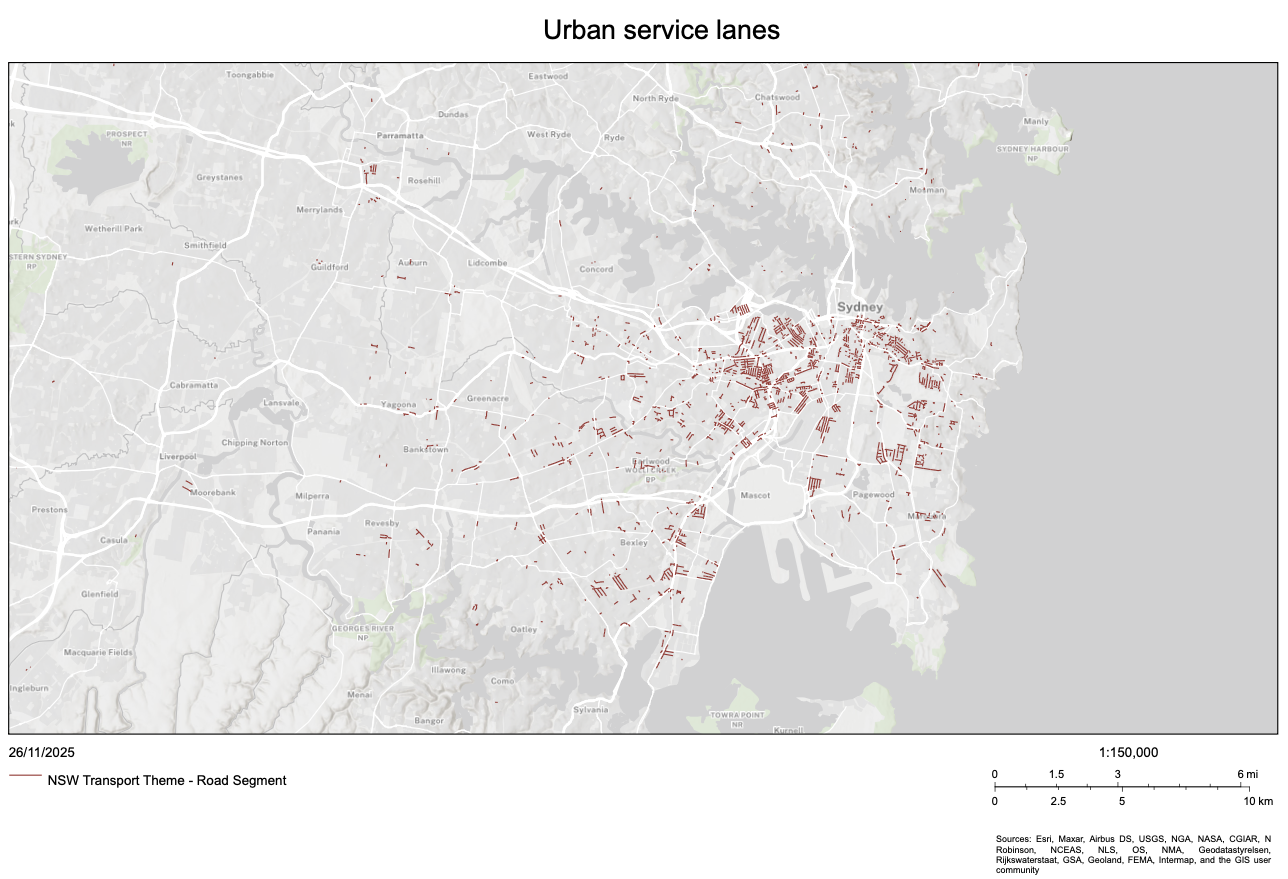
    Initial mapping of Urban Service Lanes in Sydney, 2025. Future mapping proposed to include other laneway types, with place-based analysis potential for Living LanewaysImage credit: SDT Explorer, © State of New South Wales.

  • food networks

    Food Networks
    food networks
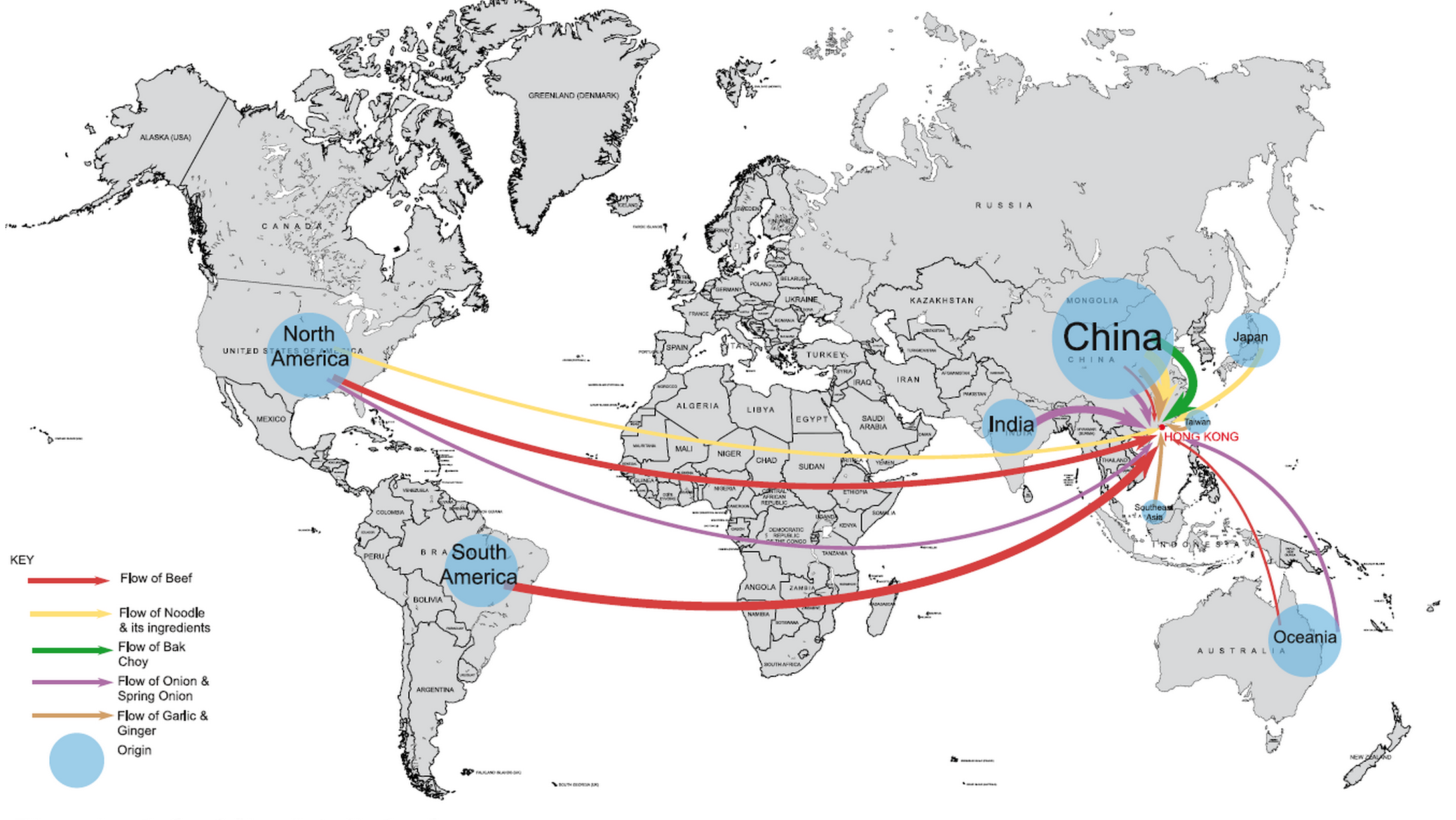
    Food Networks is an ongoing research and documentation project which investigates the political economy and ecologies of historical and contemporary global and local food networks, with a focus on Hong Kong. The research and teaching frameworks have been developed with the support of a HKU Seed Fund Grant, a Teaching and Development Grant and in the context of the HKU Common Core Curriculum Course “You Food and City: Local and Global Food Networks”. The collected work of the course can be found here. Recent work supporting the development of the project is included below.

    August 23, 2016
    Recover and Reduce Food Waste: Crowdsourcing Surplus Food Recovery in Hong Kong
    RISUD Annual International Symposium 2016 – Smart Cities
    PolyU, Hong Kong

    Melissa presented an overview of her, Daisy Tam and Tomas Holderness’ collaborative project at PolyU’s multidisciplinary RISUD conference. From the paper abstract:
    This paper presents an in-progress project which aims to reduce the amount of food waste generated in Hong Kong. Through the consolidation and analysis of data concerning existing food rescue practices and the development of an open source platform that facilitates crowdsourced surplus food recovery, this research and technological demonstration project aims to enhance the city’s capacity to recycle surplus food.

    July 31, 2016
    Daisy Tam publishes article on HK food security in Chinese online magazine The Initium

    Daisy’s editorial 「看不見」的城市糧食安全危機 (roughly translates to [Invisible] Food Security Crisis) touches on issues of food security, poverty and food waste in Hong Kong. She also gave a related talk at the “Future of F&B in Hong Kong” networking lecture series at Metta to a packed house of HK’s F&B entrepreneurs.food networks
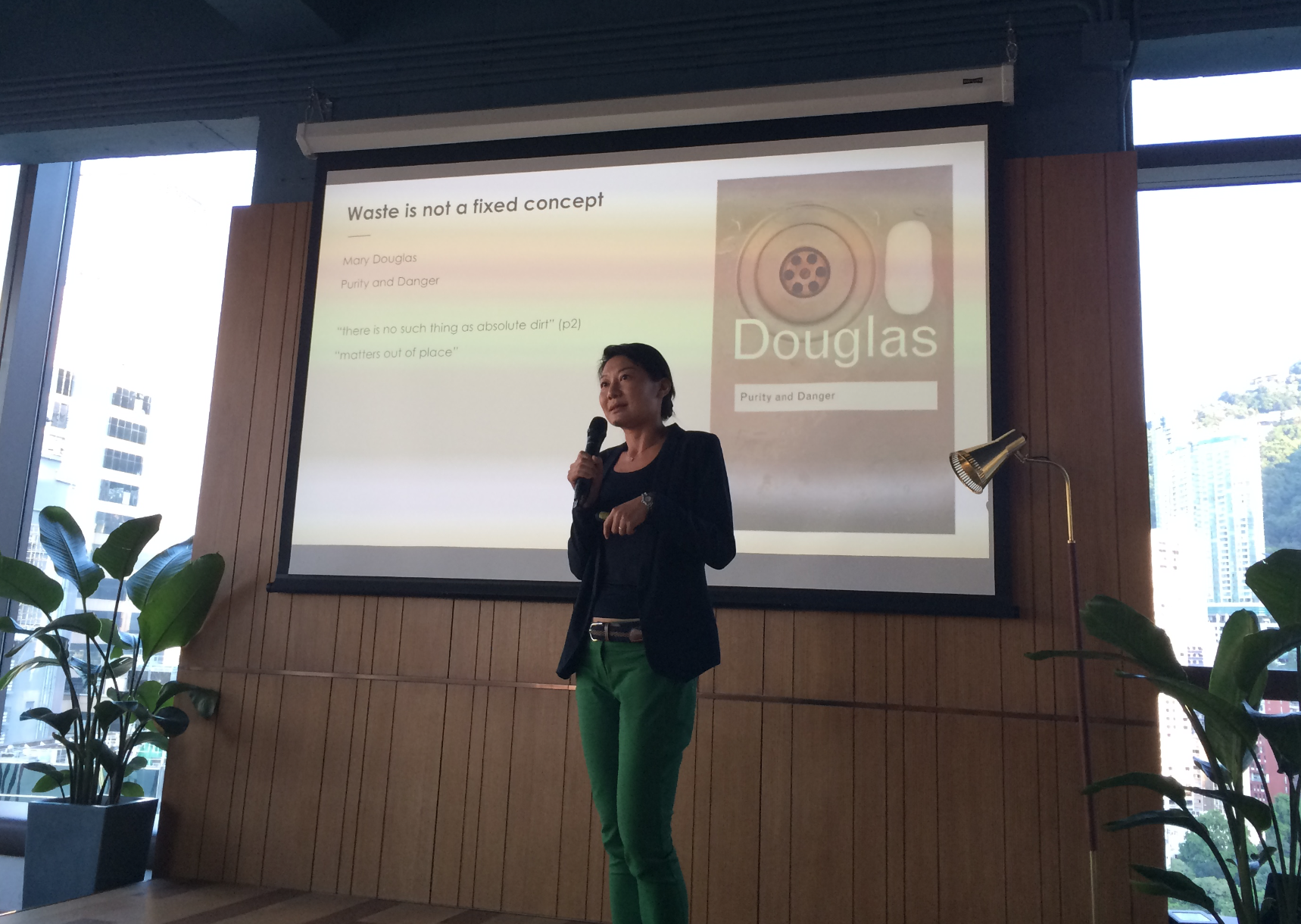
    Daisy Tam, Food Security in HK, Metta, HK. July 29, 2016

    June 27, 2016
    Planter workshop with Rooftop Republic
    French International School, Hong Kong

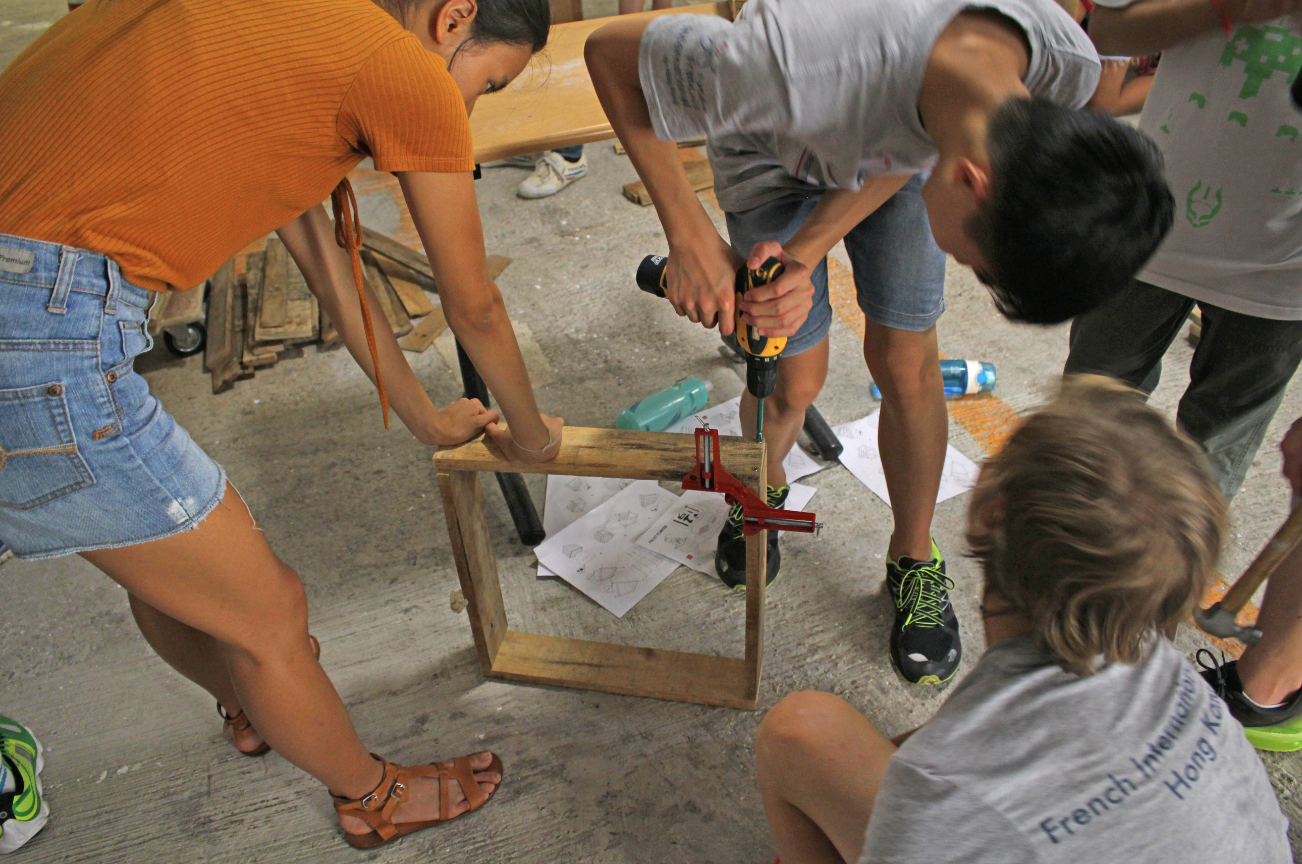
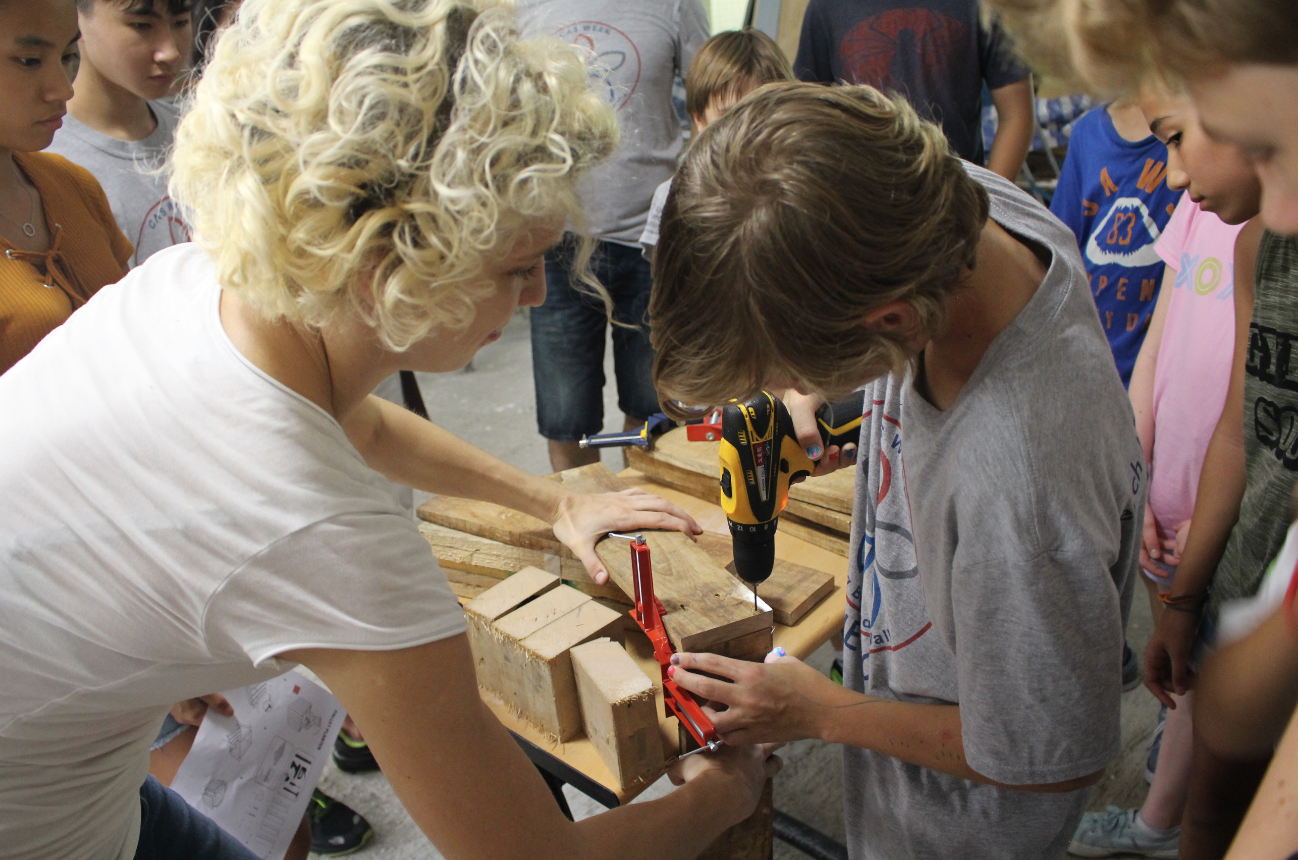
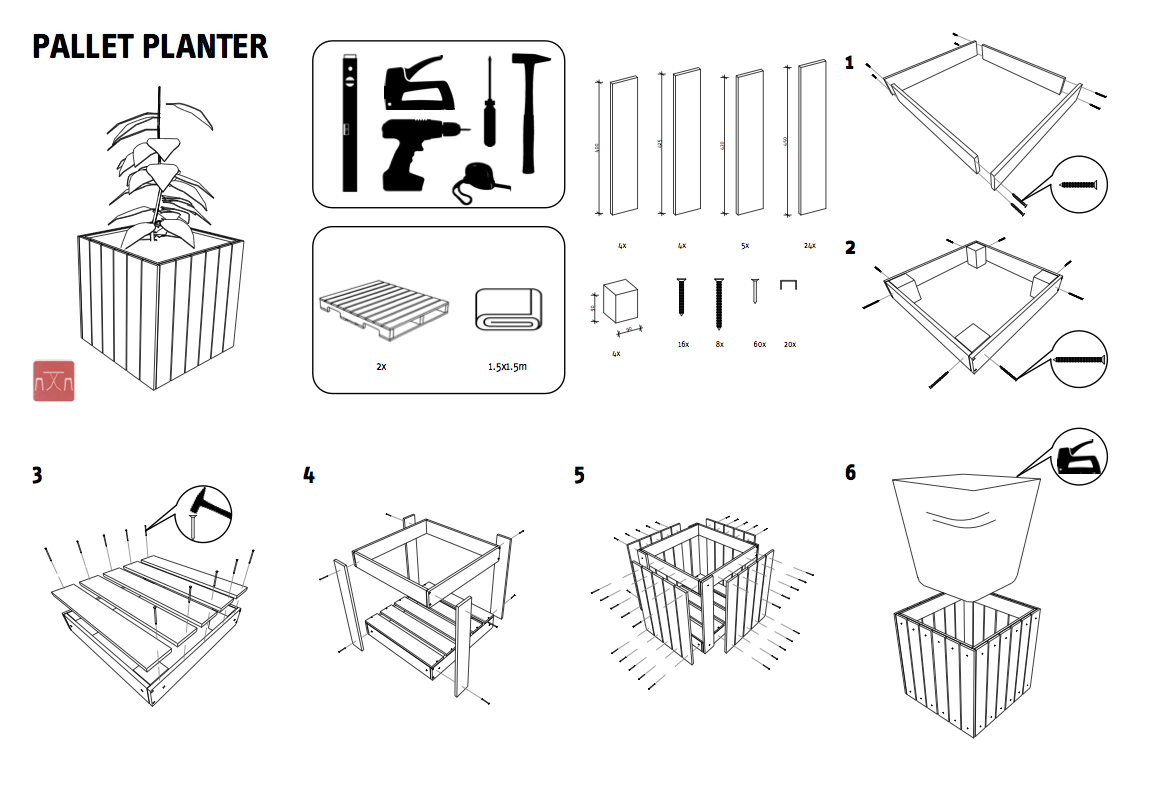
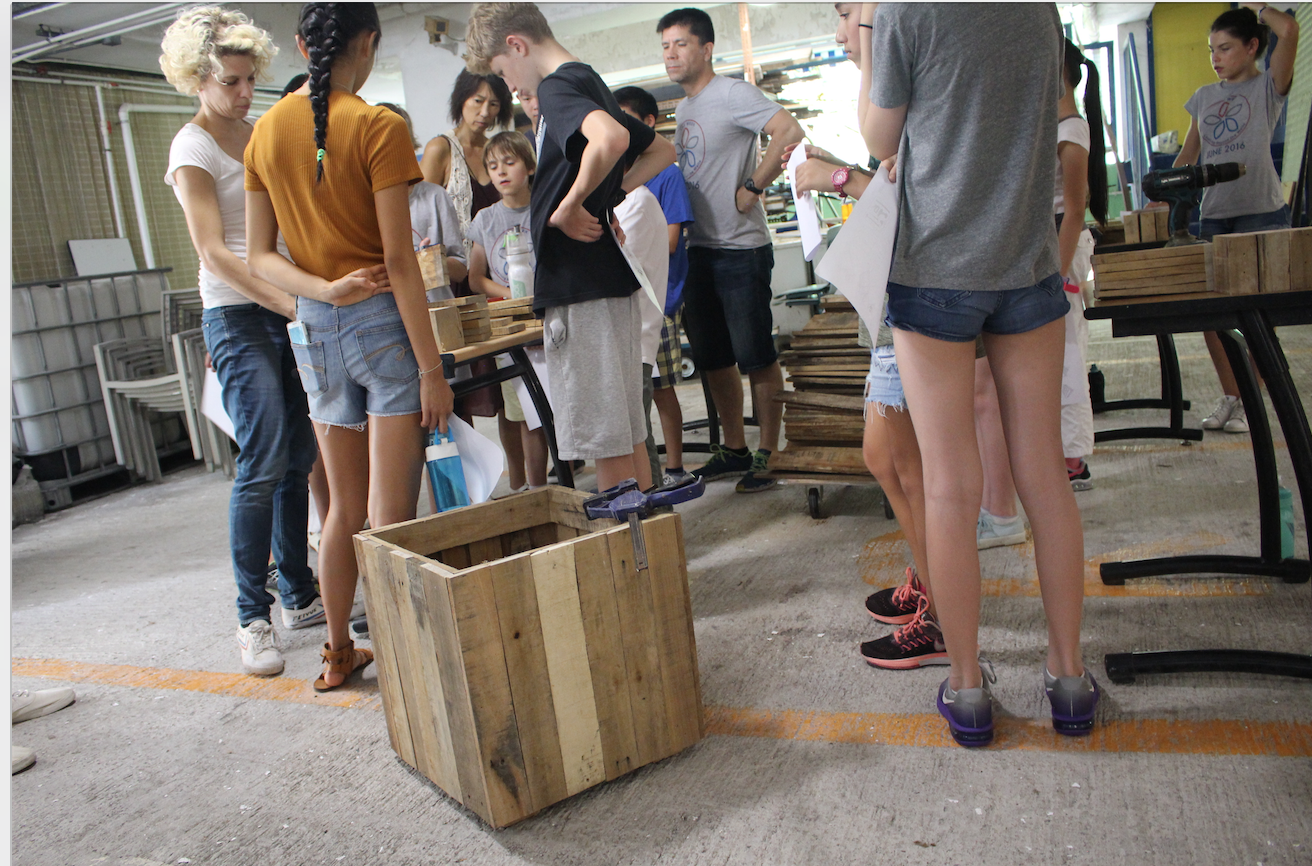
    At the invitation of Rooftop Republic as part of their educational programming, Melissa and Susanne Trumpf of in dialogue designed and organized a planter making workshop for secondary school students. Led by Susi, with preparatory work conducted at Maker Bay, the 3 hour workshop engaged students in making 50cm x 50cm x 50cm planters from reclaimed pallet wood, gaining valuable hands-on training in the use of power and hand tools, as well as in collaborative group work. The planters will be used at the school as part of their community garden. Drawing Credit: Susanne Trumpf. Photo credits: Rooftop Republic
    food networksfood networksfood networksfood networks

    December 6-10, 2015
    Listening to noise – people as sensors, enabling ethical food networks
    Agri-food XXII Conference
    Queenstown, New Zealand

    Melissa and Daisy Tam (Hong Kong Baptist University) will be presenting their paper co-written with Tomas Holderness (University of Wollingong), Listening to noise – people as sensors, enabling ethical food networks at the Agri-food XXII conference.

    Paper abstract:
    This paper looks at the individual in relation to urban food networks and explores the potential of the crowd as a means to enable a more ethical food system. The crowd is noise – dispersed individuals who are loose and unconnected. How can the crowd become a form of human-power sensor network that allows us to tune into the message? How can noise be used to challenge the existing system and allow for different sets of interdependencies to emerge? How can this model of commonality exist without collectivity? The import-distribute consume-dispose food system such as the one in Hong Kong is controlled by a handful of big players where individuals are relegated to their role as consumers. This paper explores alternatives that interrupt the linear model and allow disparate individuals to form collaborative practices for a more ethical food system. Ethics here is understood as a mode of operation, which articulates a set of relationships; it is a manner of being implicated in the provocation of actions; it is also generative, creating a series of radiating effect which impacts upon the community.

    October 6, 2015
    Food Security and the Commons: the case of Singapore
    GDAR1026 Food Culture and Society course
    Hong Kong Baptist University, Hong Kong

    Melissa was invited by Daisy Tam to present her paper on urban agriculture and food security in Singapore to undergraduate students from Baptist University. The course also includes hands-on gardening and site visits to Hong Kong organic farms.

    February 21, 2014
    Season Shift: Radical Phenology and the Global Economy of Food
    Lunchtime Public Lecture: HKU Division of Landscape Architecture
    DATE: Friday, 21 February 2014
    TIME: 1–2pm
    VENUE: KB622, 6/F Knowles Building, Pokfulam Road, the University of Hong Kong
    SPEAKER: Assistant Professor Melissa Cate Christ

    ABSTRACT:
    This talk presents initial research that seeks to understand our pervasive seasonal disassociation with respect to food. In particular, it highlights nodes of historical, technological and vernacular agencies and practices that have enabled the global food economy.

    This lecture is part of ‘The Lay of the Land’, a lecture series hosted by the HKU Division of Landscape Architecture focused on research in progress.

    November 27, 2013
    EXCESS launch
    Wednesday, 27 November, 2013
    6:30pm reception, 7-9pm discussion
    Broadway Cinematheque (next to Kubrick Cafe and Bookstore), Foyer area on 1/F
    Prosperous Garden, 3 Public Square Street, Yau Ma Tei, Kowloon
    kubrick.com.hk

    food networks
    To celebrate the launch of SCAPEGOAT’s 6th issue – Excess – please join us for a discussion with contributors Melissa Cate Christ and Seth Denizen, issue editor Etienne Turpin, and Hammad Nasar of the Asia Art Archive

    EXCESS: Consuming Hong Kong / Scapegoat Launch
    Lauded as a luxury capital, with the world’s highest per capita consumption rate of luxury goods thanks to Mainland Chinese tourists, Hong Kong is exemplary of the paradoxical relationship of excess and restriction. Haunted by myths of perpetual land scarcity, the valorization of imported goods, and a leisure culture of obsessive consumption, in Hong Kong land redevelopment policy and practice have prioritized revenue generation, shopping mall tourism and outdated models of public housing construction at the expense of both cultural and environmental heritage, and the potential for a more equitable, food-secure society.

    In a discussion moderated by Hammad Nasar of the Asia Art Archive, Scapegoat editor Etienne Turpin will present the concept “excess” — the theme of Issue 05 — as a lens which we can use to observe and assess relations of confinement and consumption, and as a provocation to intervene in these processes through activism, design, and other public platforms. Scapegoat contributors Seth Denizen and Melissa Cate Christ will then discuss, respectively, the shopping mall as a model for the therapeutic transformation of the subject, and the extreme environmental and social effects of our out-of-season desire for imported vegetables on the landscape of Almeria, Spain. These presentations will be followed by a conversation with the audience about the reciprocal relations between architecture and its adjacencies, the rise of cultural tourism, and the role of independent counter-practices in the context of Hong Kong. With this presentation and discussion, we hope the launch of Scapegoat 05 will provoke further conversations about expenditure, consumption culture, and cultural politics.

    From the editorial board:
    SCAPEGOAT: Architecture | Landscape | Political Economy is an independent, not-for-profit, bi-annual journal designed to create a context for research and development regarding design practice, historical investigation, and theoretical inquiry. As a mytheme, the figure of the scapegoat carries the burden of the city and its sins. Walking in exile, the scapegoat was once freed from the constraints of civilization. Today, with no land left unmapped, and with processes of urbanization central to political economic struggles, SCAPEGOAT is exiled within the reality of global capital. The journal examines the relationship between capitalism and the built environment, confronting the coercive and violent organization of space, the exploitation of labour and resources, and the unequal distribution of environmental risks and benefits. Throughout our investigation of design and its promises, we return to the politics of making as a politics to be constructed. www.scapegoatjournal.org

    From the issue introduction:
    SCAPEGOAT Issue 05 – Excess – Summer/Fall 2013 Ours is unquestionably a time of excess. While currencies and commodities continue to circulate and reify segregation and inequality throughout the global political economy, excess leaks out in all directions, sometimes fostering movements of resistance,at other times permitting improvisational opportunism among often neglected actors, and still at other moments irrevocably damaging ecologies and environments which we humans precariously but ruthlessly inhabit. The pleasures and perils of excess cross divisions of class, race, gender and sexuality, while also reinforcing aspects of these and other identities. Can we design for, or among, the excess of contemporary culture? How do practices of architecture and landscape architecture, as well as adjacent practices of art, installation, theory, typography, suggest ways to amplify, capture, or redirect excess?

    Melissa Cate Christ is an Asst. Professor of Landscape Architecture at the University of Hong Kong and director of transverse studio.
    Seth Denizen is a writer and landscape architect, currently teaching at the University of Hong Kong.
    Hammad Nasar is a writer, curator and the Head of Research and Programmes at the Asia Art Archive, Hong Kong.
    Etienne Turpin is a writer and curator living and working in Jakarta, Indonesia. He is a founder and contributing editor of Scapegoat.

    November 23, 2013
    Without Exteriority/Excessive Urbanism
    EXCESS launch: Shanghai
    Saturday November 23
    3-5pm discussion, 5-7 reception
    Shanghai Study Centre – more info
    WITHOUT EXTERIORITY: ARCHITECTURE AFTER THE URBAN-RURAL DICHOTOMY
    By 1973, Raymond Williams’ The Country and the City had already located fundamental contradictions in the urban, academic image of rural life. For Williams, the rural was a myth functioning as a memory of the origins of the city; yet, despite his prescient analysis, the myth of a natural, conflict-free, rural space outside the city remains a compelling image even in our contemporary discourse. Following the continuing discussion of the rural-urban relation in China, initiated this year through the programming of the HKU Shanghai Study Center, this event introduces several new perspectives on architecture after the urban-rural divide.

    In a discussion moderated by Daan Roggeveen and Xiaoyu Weng, Scapegoat editor Etienne Turpin will present the project of “Excess” as a means to better examine the past and present of urban-rural assemblages. Journal contributors Seth Denizen and Melissa Cate Christ will discuss, respectively, the therapeutic role of the pastoral in the psychosocial history of American urbanism, and the explosive growth of the garden as factory in Spain’s miracle economy. These presentations will be followed by a further discussion of China’s rural growth and its implications for designers and planners. If, as Peter Sloterdijk has suggested, the planet of terrestrial globalization has itself become a world interior of capital, we must examine how this global transition has entangled America, Europe, and Asia in a hyper-productive paradox of perpetual growth and the attendant crises of resource depletion, biodiversity loss, and megacity pollution. With this presentation and discussion, we hope our launch of Scapegoat Issue 05 will provoke conversations about excess, expenditure, and this architecture without exteriority.

    Participants
    Study Center Moderator _ Daan Roggeveen, director
    Guest Moderator _ Xiaoyu Weng, writer and curator
    Participants _ Seth Denizen, contributor _ Melissa Cate Christ, contributor _ Etienne Turpin, editor

    See a video of the discussion here.

    September 24, 2013
    This Garden of the Sun: A Report on Almería’s Miracle Economy
    Melissa Cate Christ
    {image 25}
    As part of Melissa’s ongoing research on the political economies and ecologies of global food production sites, networks and systems, her article “This Garden of the Sun: A Report on Almería’s Miracle Economy” has been published in Issue 05: SCAPEGOAT: Architecture | Landscape | Political Economy. You can download a pdf of the article here.

    August 22-25, 2013
    Food Security and the Commons
    Beyond Borders: Building a Regional Commons in Southeast Asia: 3rd International Conference on International Relations and Development (ICIRD 2013)
    Chulalongkorn University, Bankok, Thailand

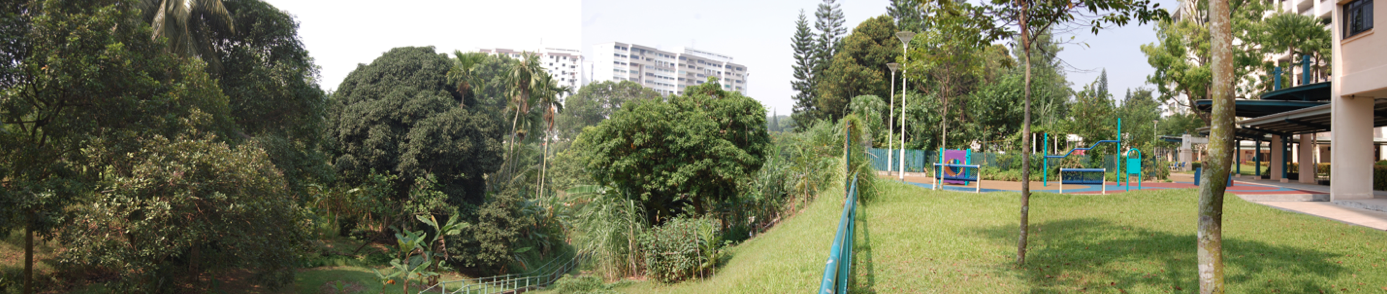
    As part of the panel Agriculture, Food Security and the Commons in ASEAN, chaired by Dr. George Michael Hayes, Melissa will be presenting her recent research on Singaporean local food production in relation to regional food security policy in the paper “Food Security and the Commons in ASEAN: the role of Singapore” on August 22, 2013. For more information on the panel see here and on the conference see here.
    food networks
    Melissa’s abstract:
    Since the conception of the ASEAN Integrated Food Security (AIFS) Framework in 2008, ASEAN member states have taken steps to implement the components and strategic thrusts laid out in the AIFS Framework. These actions can be seen as contributing to the development of a regional “commons” which is based on prioritizing the right of “all people, at all times, [to] have physical and economic access to sufficient, safe and nutritious food to meet their dietary needs and food preferences for an active and healthy life” (FAO 1996). Although a wide range of conditions exist with regard to this right across the ASEAN member states, as a net-food importing country which imports 90% of its food from a limited number of sources, in this paper Singapore is presented as a case study for the increasing importance of taking a commons perspective on food supply and security. The paper is particularly concerned with actions to diversify food sources, increase local food production and promote food and agro-based industry, research, and development. In the context of a highly urbanized population with limited land and natural resources, the paper argues that those seeming disadvantages can serve to benefit both the local and wider community.

    Initially part of a design research project to discover, document, and test potential strategies to address Hong Kong’s situation as a net-food importing territory which relies on a limited number of sources – 95% of its food is imported and 60% of that comes from Mainland China – this paper traces the recent history of food security policies and actions in Singapore with respect to increasing local production. The paper examines several case studies that demonstrate the application of the AIFS framework, in particular the development of research, technology and community resources for urban agricultural production. The paper concludes with a reflection on Singapore’s role in providing for a food secure future for itself, and by extension, the entire region.

    Food Networks of Hong Kong
    ‘Food Networks of Hong Kong’ is a research initiative that documents the systems, nodes, and networks of food supply, distribution, and waste recovery in Hong Kong in order to map out Hong Kong’s ‘foodprint’. It also researches the relation between local and global food networks through case studies looking at approaches to food security in other cities/regions as well as sites of distribution and production.
  • Hong Kong Stair Archive

    Hong Kong Stair Archive
    Ongoing research and publication project

    March 21, 2017
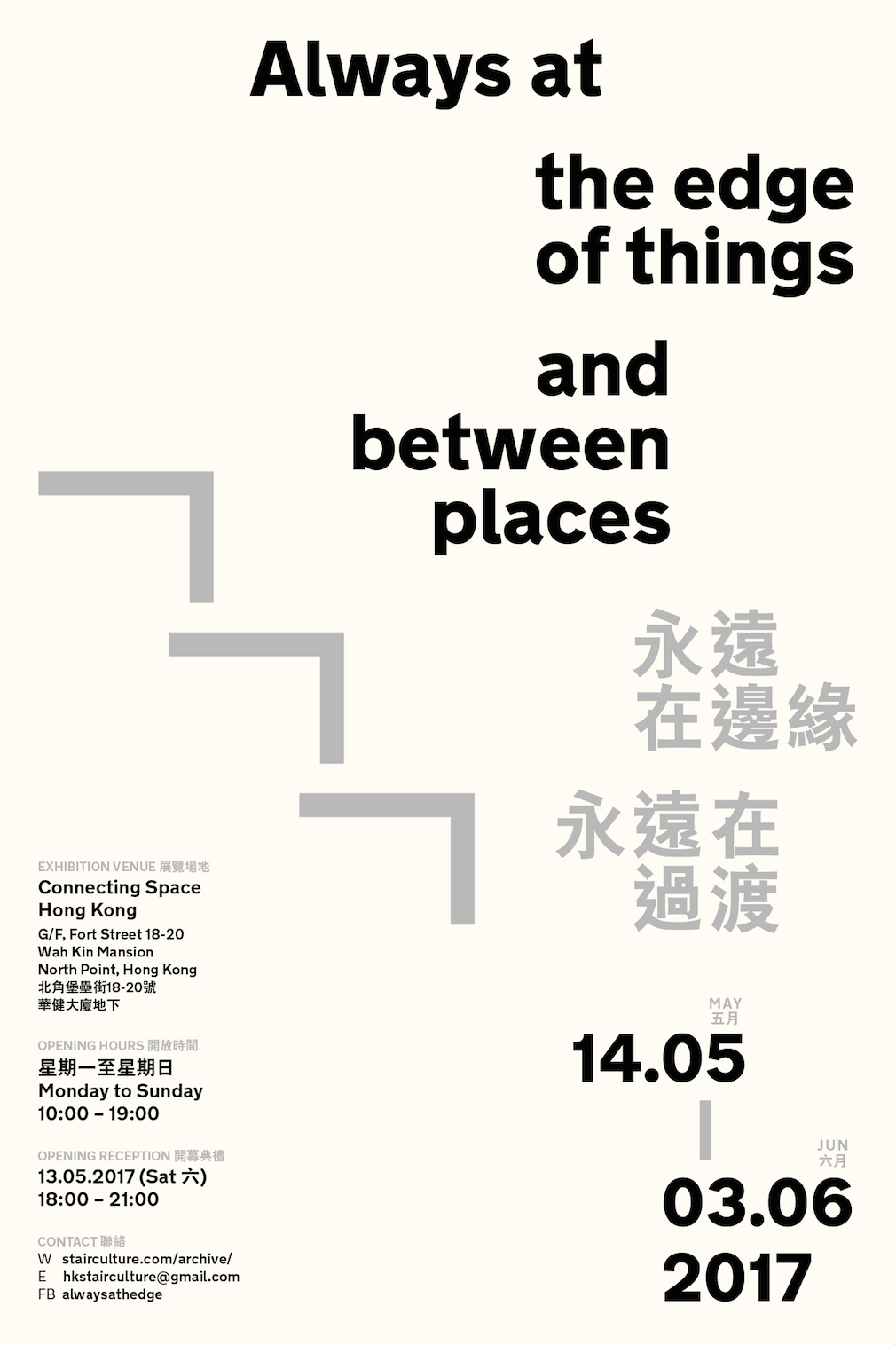
    Always at the edge of things and between places 永遠在邊緣永遠在過渡
    開幕典禮 Opening Reception 13/05/2017 (Sat 六) 18:00 – 21:00
    展覽時期 Exhibition Period:14/5 – 03/6/2017
    開放時間 Opening Hours:星期一 至 星期日 Monday to Sunday 10:00 – 19:00
    場地 Venue:Connecting Space Hong Kong G/F, Fort Street 18-20, Wah Kin Mansion North Point, Hong Kong
    北角堡壘街18-20號華健大廈地下
    https://stairculture.com/archive/exhibition/
    hkstairculture@gmail.com
    https://www.facebook.com/alwaysathedge

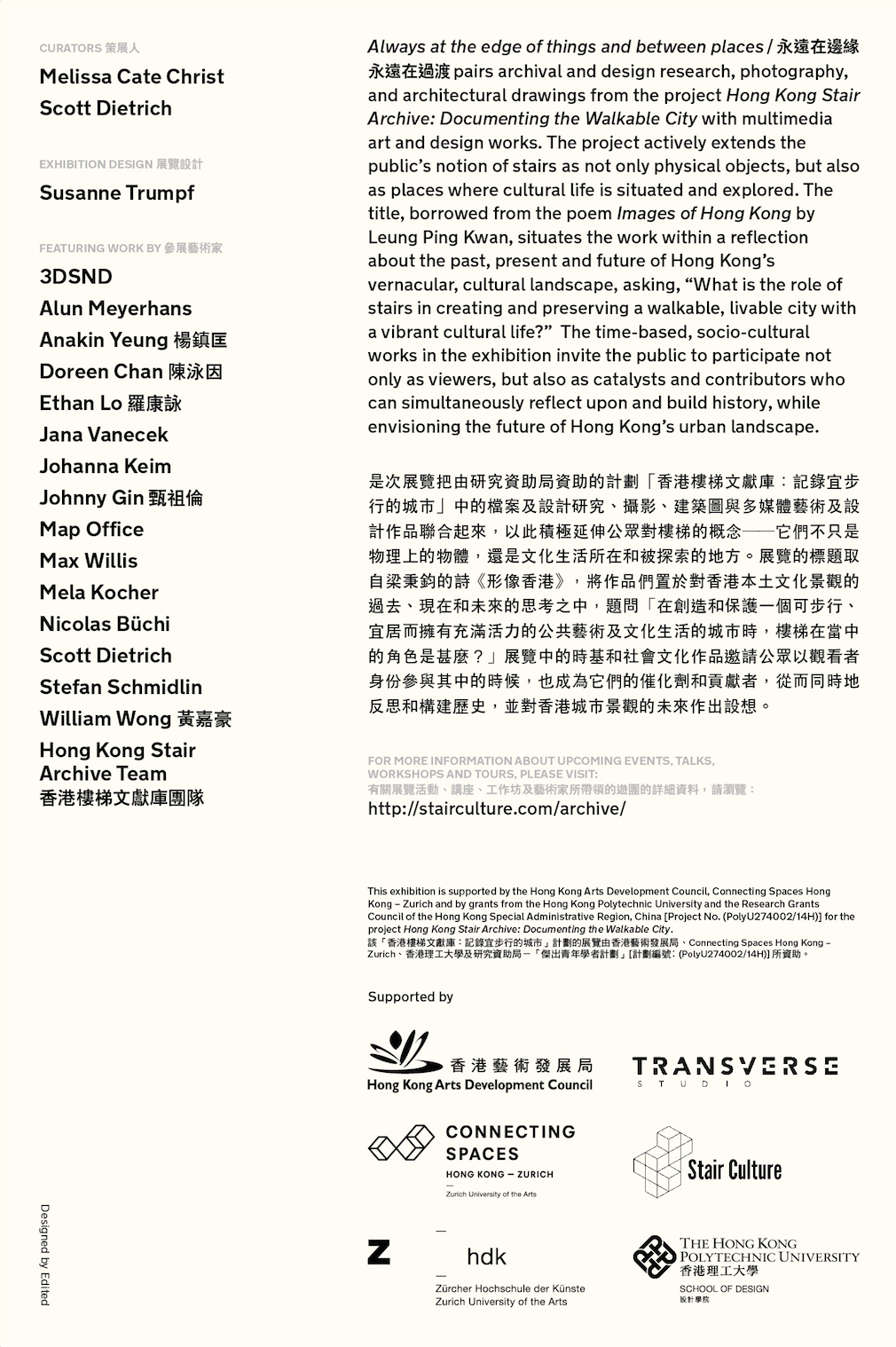
    We are pleased to announce the upcoming exhibition, Always at the edge of things and between places 永遠在邊緣永遠在過渡, which pairs archival and design research, photography, and architectural drawings from the project Hong Kong Stair Archive: Documenting the Walkable City with multimedia art and design works. The project actively extends the public’s notion of stairs as not only physical objects but also as places where cultural life is situated and explored. The title, borrowed from the poem Images of Hong Kong by Leung Ping Kwan, situated the work within a reflection about the past, present and future of Hong Kong’s vernacular, cultural landscape, asking, “What is the role of stairs in creating and preserving a walkable, livable city with a vibrant cultural life?” The time-based, socio-cultural works in the exhibition invite the public to participate not only as viewers, but also as catalysts and contributors who can simultaneously reflect upon and build history, while envisioning the future of Hong Kong’s urban landscape. For more information please visit: http://stairculture.com/archive/
    Hong Kong Stair ArchiveHong Kong Stair Archive

    December 15, 2015
    Hong Kong Stair Archive online (beta version)

    The Hong Kong Stair Archive (beta) website is up and running, with more materials being added everyday. Keep an eye out for updates and announcements about the site, exhibition, workshops/talks and call for artists and the publication. Also, please contact us if you want to take part in our crowdsourcing efforts to collect photos, stories and other information about stairs in Hong Kong or if you have other suggestions or comments!

    Hong Kong Stair Archive
    Project abstract:
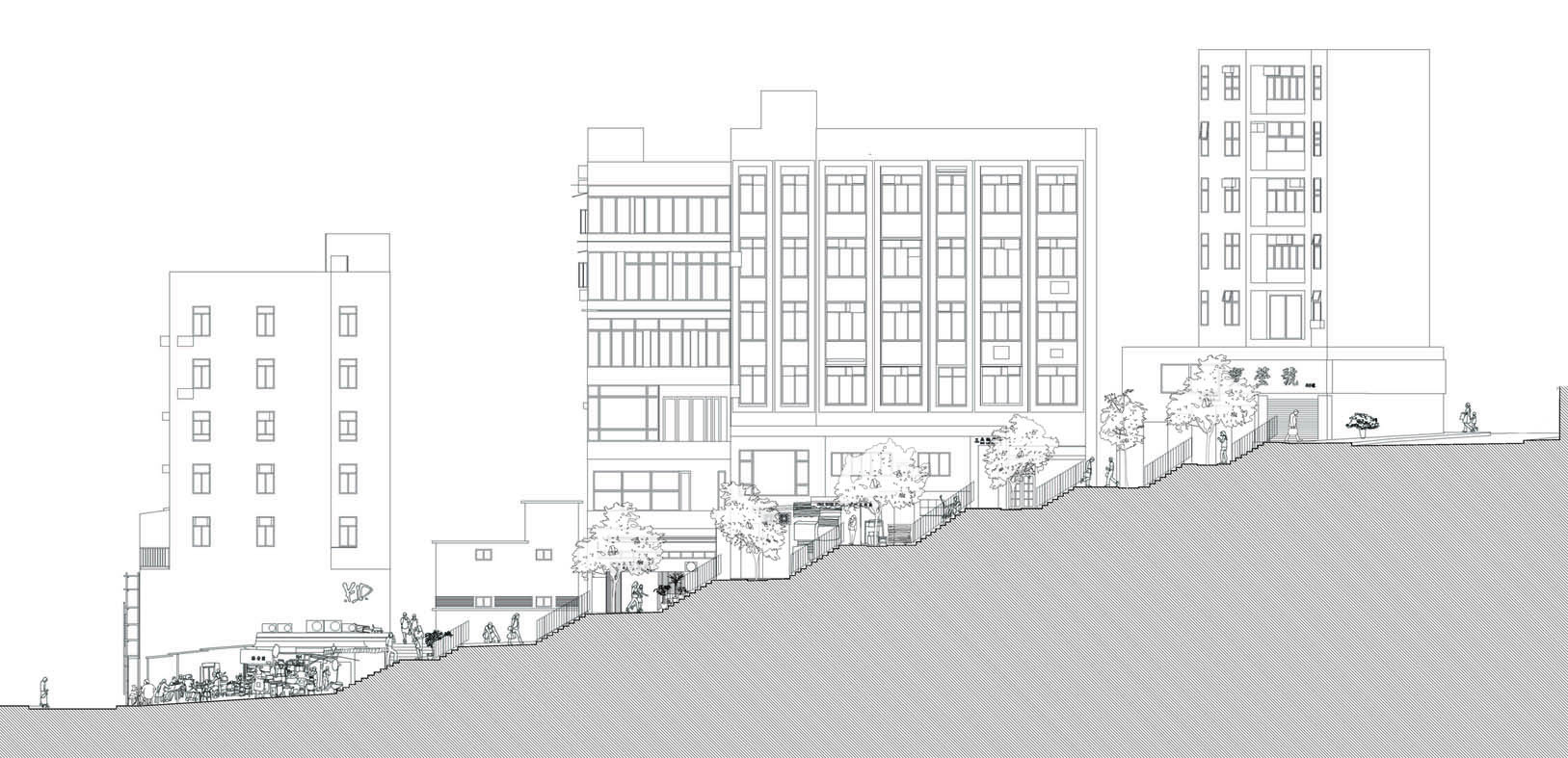
    This project creates an inventory and archive of outdoor stairs located primarily in the Central and Western District, HK Island. A significant and often historic part of the urban fabric, staircases evidence a unique stair culture which is increasingly threatened by careless maintenance practices and construction projects. The aim of the project is to consolidate archival research on the history of HK stairs, documentation of their present state through the work of contemporary professional and amateur photographers, architectural drawings, and a physical and social inventory, and to theorize the research through scholarly publications and conference presentations. The primary products of the research will be a book and accompanying exhibition and symposium, academic articles and a stair inventory content management system/website.

    The first phase of the project examines archival and government records in combination with basic site investigations to confirm an initial list of historically significant stairs which will structure the framework for the documentation and stair inventory content management system prototype. This system will be a repository for the data collected throughout the project. Local models for the system include the HK slopes database and the Old and Valuable Tree list, but our system will be based on open source principles with a goal to use it as a model for a more complete inventory of HK stairs.
    Hong Kong Stair Archive
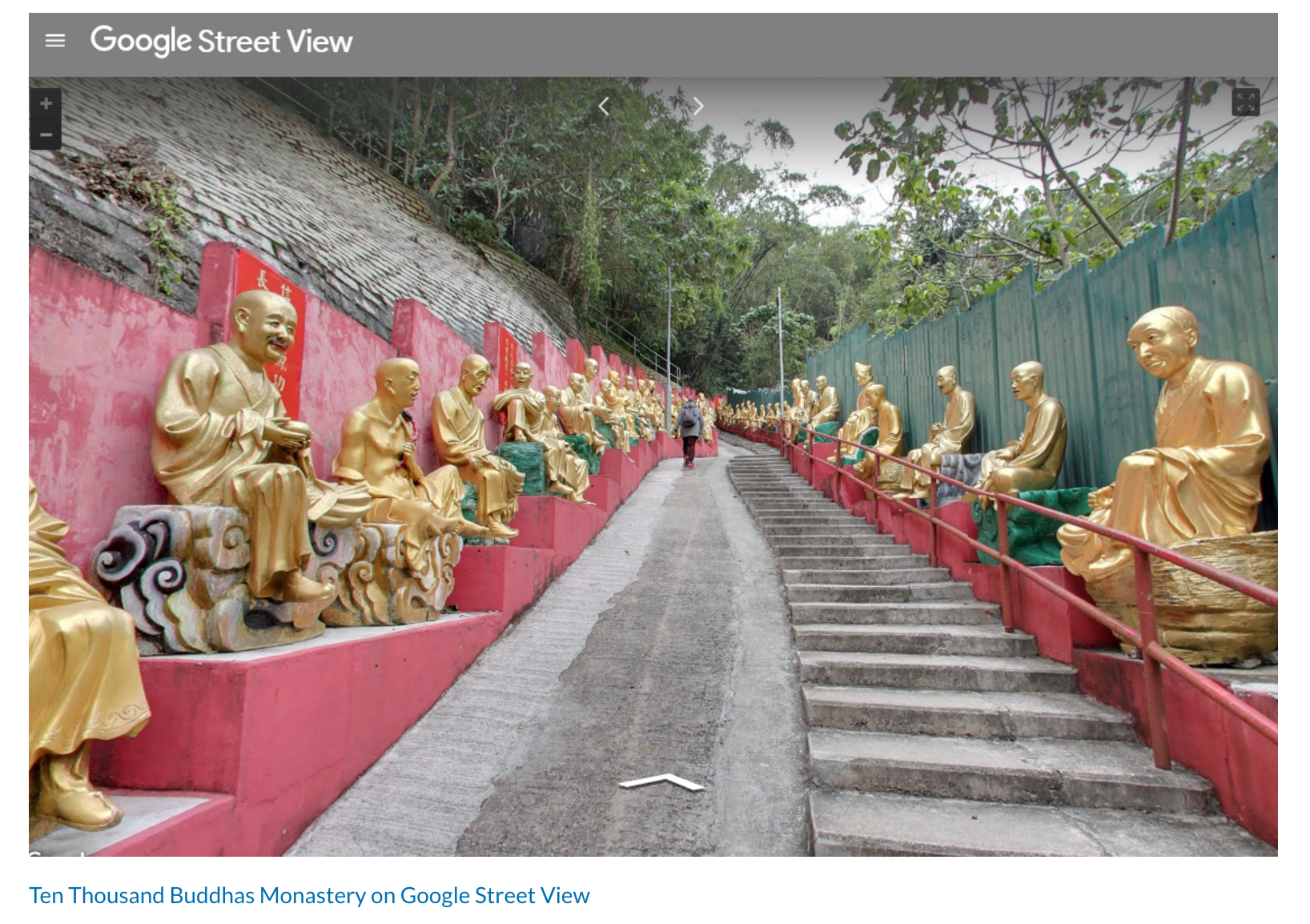
    The second phase of the project collects detailed data and measurements to facilitate architectural drawings and a physical and social inventory. This part of the project will also involve collaborations with artists and photography students, a crowdsourced effort to collect stair photos and stories, and Google Streetview to capture stair routes, 90% of which are not currently available on Google Maps.

    The third phase of the project organizes and synthesizes the data into five types of output: a website/content management system, a coffee-table type book, a public exhibition, an academic symposium, and a journal paper.
    Hong Kong Stair Archive
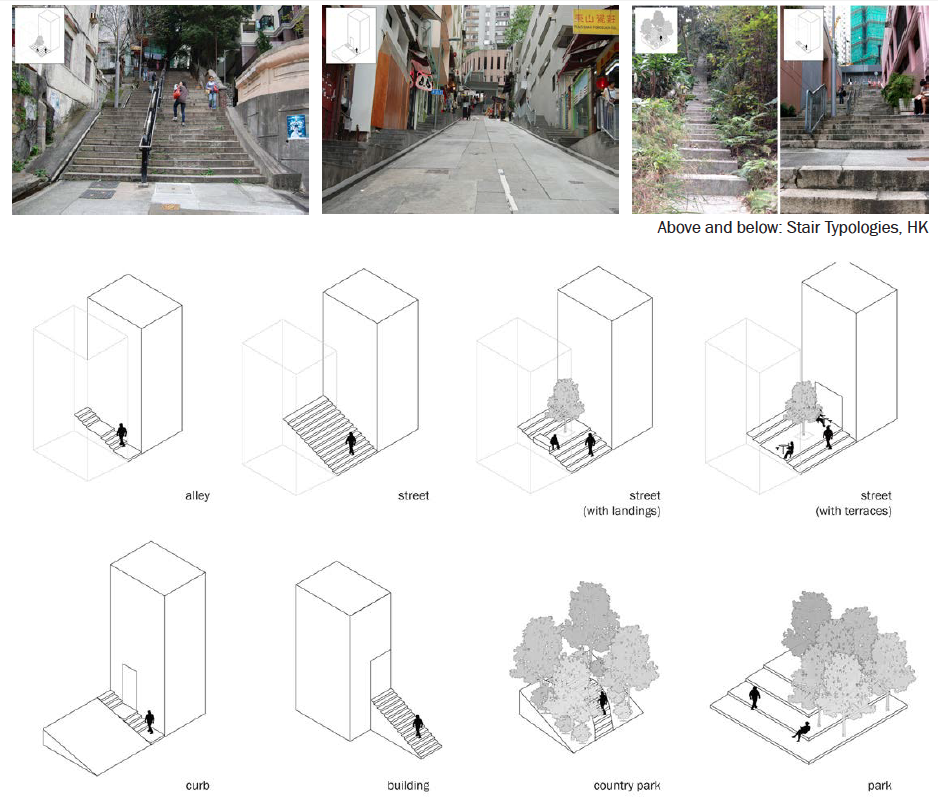
    Ultimately, this work seeks to raise public awareness about the value of stairs to HK’s history, its everyday life, and its continuance as a liveable city. As key components of a rich, walkable pedestrian environment which occupies steep topography, the physical and social life of stairways needs to be documented, recorded and celebrated, both to increase the likelihood of their protection, and to contribute to a broader historical archive of the continuing development of the city. The HK Stair Archive captures a typology of infrastructure which has never been systematically or thoroughly researched in Hong Kong, despite their ubiquitous presence and absolute necessity in the efficient navigation of the city.

    Recent work and events:

    October 11, 2016 (forthcoming)
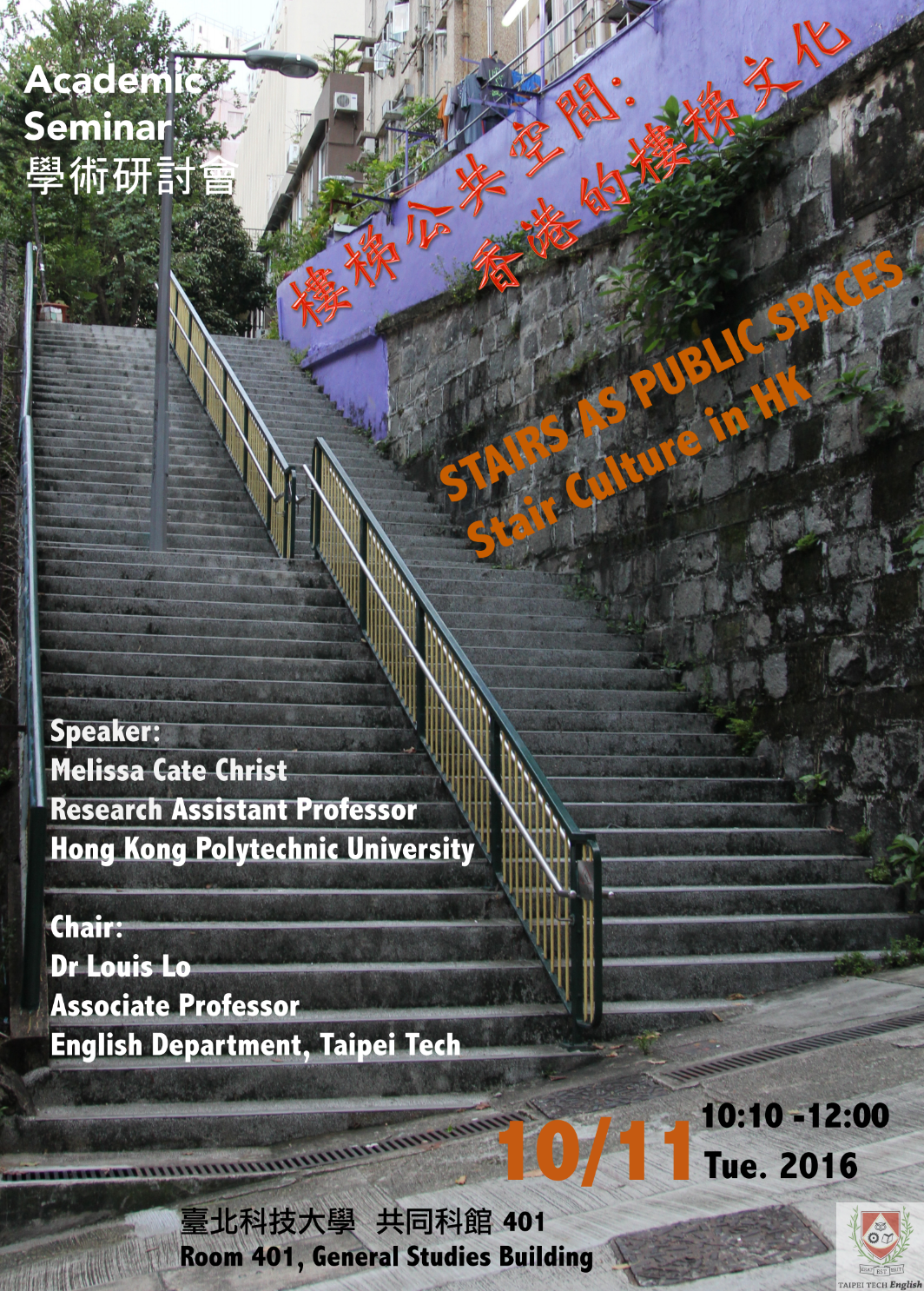
    Stairs as public spaces: Stair culture in Hong Kong
    National Taipei Technical University, Taipei, Taiwan

    Melissa has been invited to present the Hong Kong Stair Archive project at Taipei Tech in October. Looking forward to a productive and engaging discussion with Louis Lo and colleagues and students from the English and Design Departments!
    Hong Kong Stair Archive

    October 5, 2016
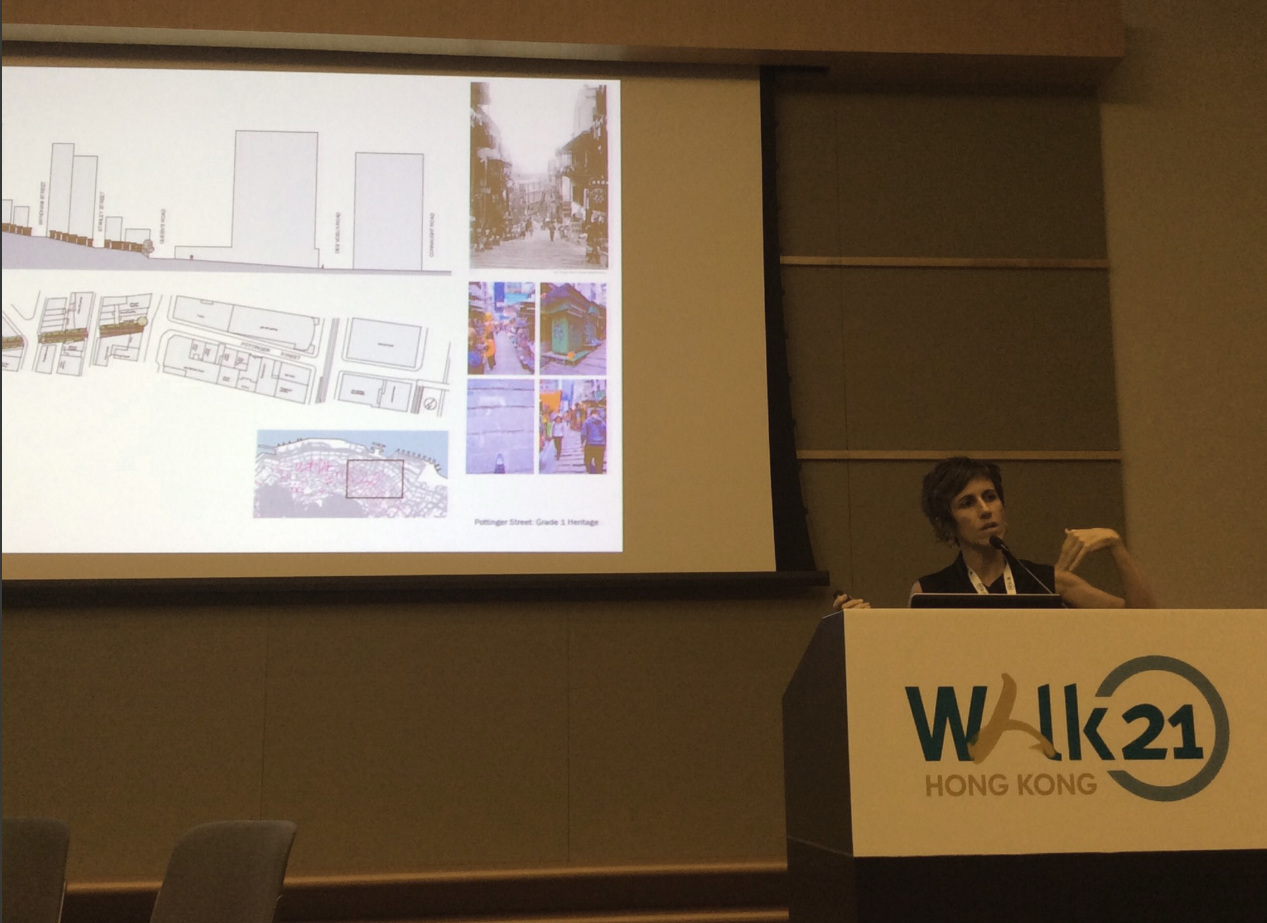
    Walking, heritage and public space: Stair Culture in Hong Kong
    Walk21 Hong Kong
    Hong Kong Convention and Exhibition Centre
    Wan Chai, Hong Kong

    Melissa presented the history, background and current status of the Hong Kong Stair Archive project as part of Walk21 Hong Kong, the annual international conference on walking and liveable communities.
    Hong Kong Stair Archive

    May 20, 2016
    Article on Hong Kong stairs published in HK Magazine

    Jessica Wei’s article includes interviews with Melissa about HK’s stair culture as well as with Google about their recent inclusion of several HK stairs as ‘see inside’ imagery on Google Street View.
    Hong Kong Stair Archive Image credit: HK Magazine

    May 5, 2016
    Article by Christopher DeWolf on Stair Culture project published in Zolima City Magazine

    DeWolf‘s article “Stair Culture: Digging Into the Past and Present of Hong Kong’s Ladder Streets” gives a short overview of the Hong Kong Stair Archive project and the importance of stairs to Hong Kong’s history and culture. Thanks Chris for the profile!
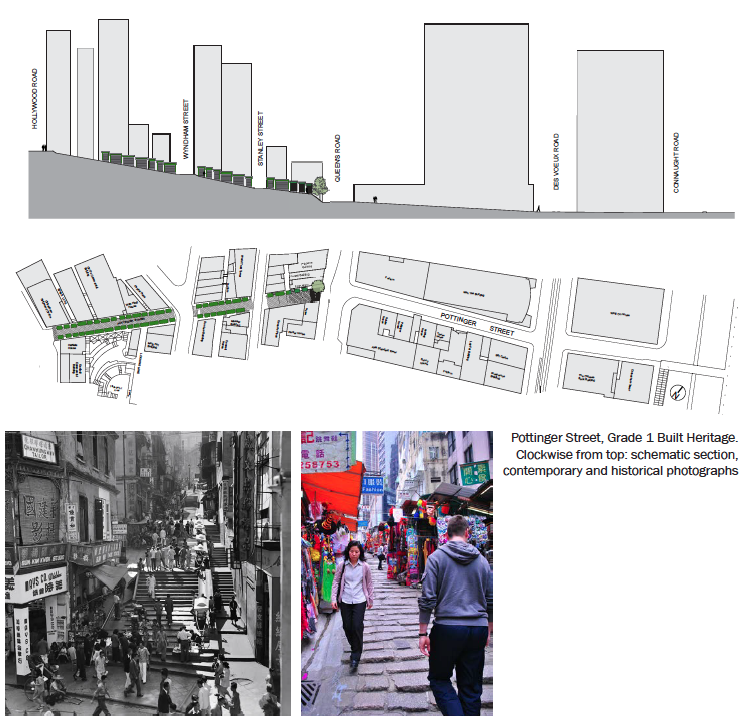
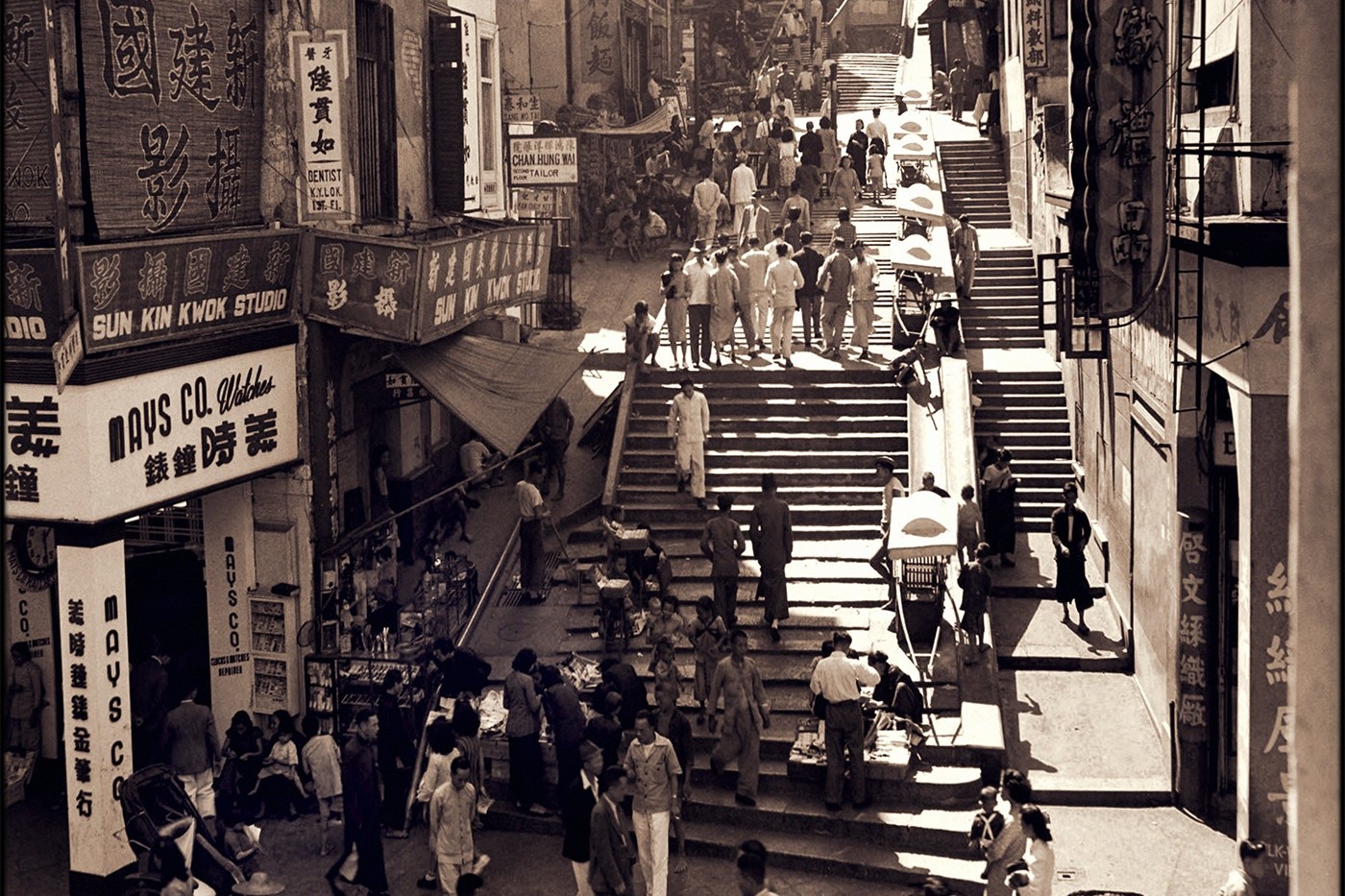
    Hong Kong Stair ArchivePottinger Street, 1946 (Photo credit: Hedda Morrison)
    March 7-12, 2016
    Urban Stairs as Public Spaces in High-Density Island Cities:
    The Case of the Central and Western District of Hong Kong Island

    Island Cities and Urban Archipelagos 2016 Conference
    University of Hong Kong, Hong Kong

    {image 84}Melissa presented her research-in-progress on the RGC funded Hong Kong Stair Archive project at the Island Cities and Urban Archipelagos conference on March 09, 2016. From the conference abstract:
    This conference brings together researchers from across the globe to explore urban life on islands and archipelagos. Islands are often associated with peripherality, yet they have long been important sites for the growth of cities. Physical separation from the mainland and spatial limitations can encourage the transport of products and ideas, improved defence infrastructure, construction of social capital, consolidation of political power, formation of vibrant cultures, and concentration of population. Some island cities were located on inland river islands and have since expanded far beyond their original borders while others are still strongly associated with their island cores. Fostering dialogue between the fields of island studies and urban studies, this interdisciplinary conference will feature presentations that explore and critique the varied connections between the urban and the insular from a diversity of perspectives on culture, planning, politics, architecture, economy, and environment in island cities worldwide. We welcome papers and panels focusing on individual case studies as well comparative analyses and conceptual frames.

    More information about the conference, the Urban Island Studies journal and the Island Dynamic research group can be found here.

  • stair culture

    stair culture
    includes stair culture news, photos, maps and info about events, research, and the exhibitions ‘alternate constructions’ and ‘step up!’.

    Hong Kong Stair Archive
    info about the research project and the exhibition Always at the edge of things and between places 永遠在邊緣永遠在過渡 is here

    step up!
    info about the exhibition ‘step up!’ – a collection of performances, events, and art installations which reflect on conflict, ownership, responsibility and cultural occupation in the context of public right of ways in Hong Kong. The installations were situated on an essential type of pedestrian right of way on Hong Kong Island: the public staircase.

    alternate constructions
    information about the exhibition ‘alternate constructions’, which featured the design research of HKU students and faculty in the context of the proposed escalator along Pound Lane.

    an escalator for pound lane?
    student and faculty research, documentation, and community engagement exercises concerning the proposed Pound Lane escalator and the Blake Garden neighborhood.

    Read Melissa’s editorial “I’ll take the stairs”, also published in Chinese in the Ming Pao Weekly (Nov. 10, 2012).

    Read Christopher DeWolf’s article about the stair culture project ‘Mapped: Hong Kong’s Public Steps’

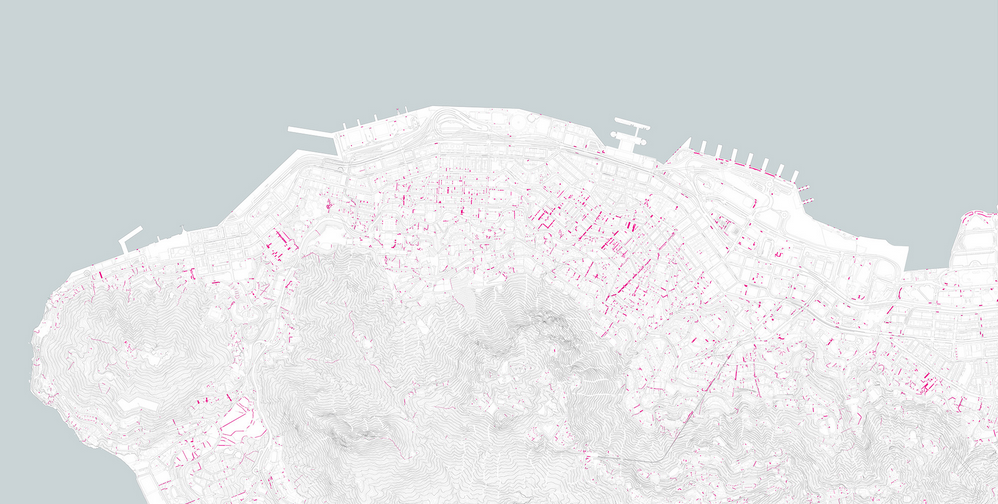
    3000+ stairs of the Western and Central District, HK
    Image credit: transverse studio

    stair culture

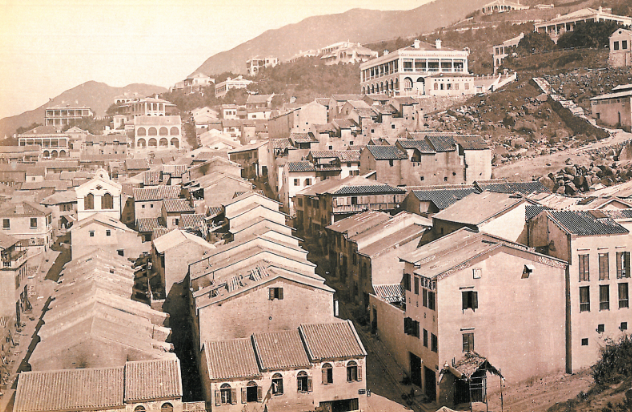
    Tai Ping Shan, 1868
    Image credit: HK Public Records Office via Arthur Hacker

    stair culture