January 6, 2026
Living Laneways selected as a semi-finalist ‘Big Idea’
2026 Sydney Summit, Committee for Sydney
I’m excited to announce that ‘Living Laneways’ has been selected as a Big Idea for the 2026 Sydney Summit, run by the Committee for Sydney!
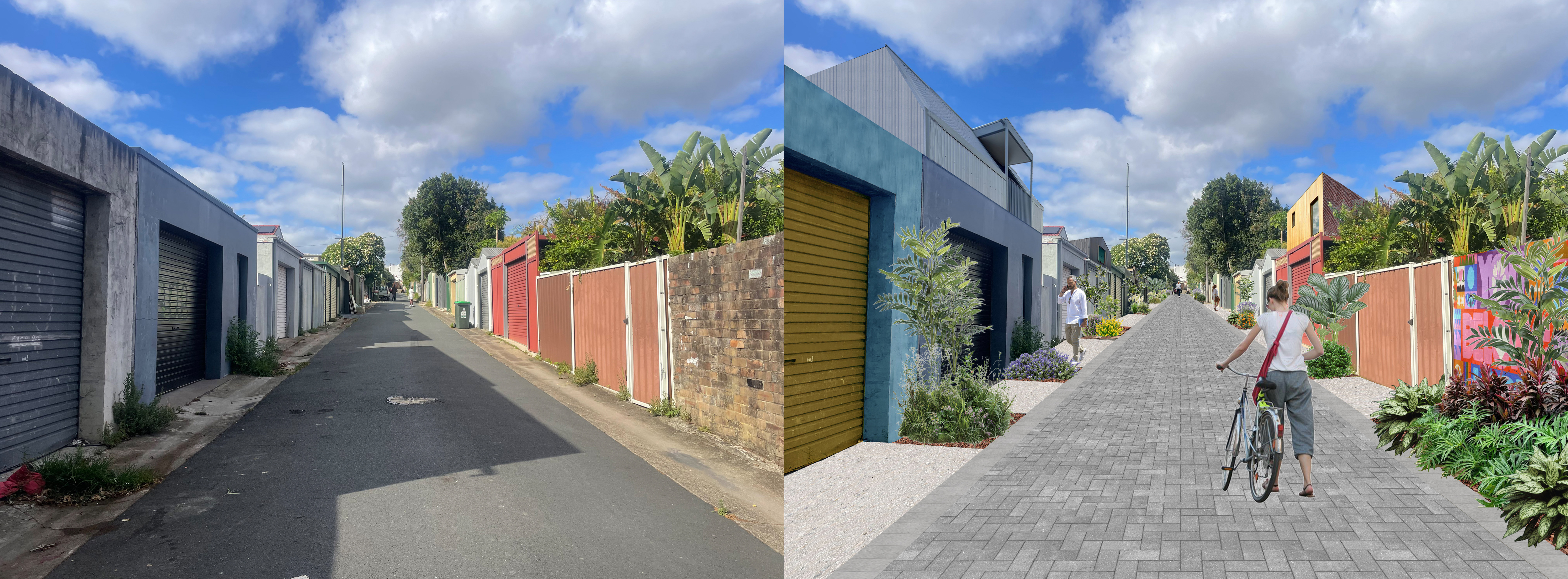
Image Credit: Bing Han
About Living Laneways:
Greater Sydney has thousands of laneways which are currently underutilised. Fronted primarily by garages or service entries, and often paved with impervious surfaces in need of an upgrade, Living Laneways aims to reconceptualise back lanes as living places which can provide housing, green infrastructure, and social and cultural engagement.
Laneway revitalisation, greening, activation, safety and/or housing has been implemented in Australia, as well as internationally. Living Laneways proposes to incorporate lessons from a variety of these case studies, bringing together community members, government agencies, subject matter experts, and other stakeholders to compile a collaborative approach to making laneways great places: liveable, vibrant and resilient. For more information, please visit here.
About the Sydney Summit:
According to the Committee for Sydney: ‘The Sydney Summit sets the agenda for the future of our city, and this year’s theme is The Bold City – about turning visionary ideas into practical action, leadership that balances ambition with pragmatism and a willingness to make the decisions that shape the future of Sydney. The selected Big Ideas encompass what it means to be a bold city.’
You can read more about Living Laneways and the other selected Big Ideas here and here.
Thanks to Aidan Elwig Pollock at the Sydney Morning Herald for taking the time to speak with me about this, and to the team at the Committee for Sydney for their vision and support!
August 22, 2025
LAND7313 Capstone 2 Masters Studio Final Review
Anita B. Lawrence Centre, Room 6007, UNSW Sydney
Convenor: Melissa Cate Christ
Tutor: Simon Lloyd
Congratulations to the MLA students for their work in the Capstone 2 studio! This year, our site was Parramatta North. In Capstone 1, the students developed a master plan for the 42ha site (i.e. inclusive of the Cultural Heritage District south of the light rail) and in this term (Capstone 2) they developed a design for a self selected 1.5-2.5ha site within their own master plan. Many thanks to our jury Roger Jasprizza, Kate Luckraft, Andrew Toland, Jesse Selby, Behanz Kalapesi, and Haylie Shum for the insightful and helpful comments, as well as to Andrew and Ben for their teaching in Capstone 1, and Simon Lloyd and all the students for their hard work this term!
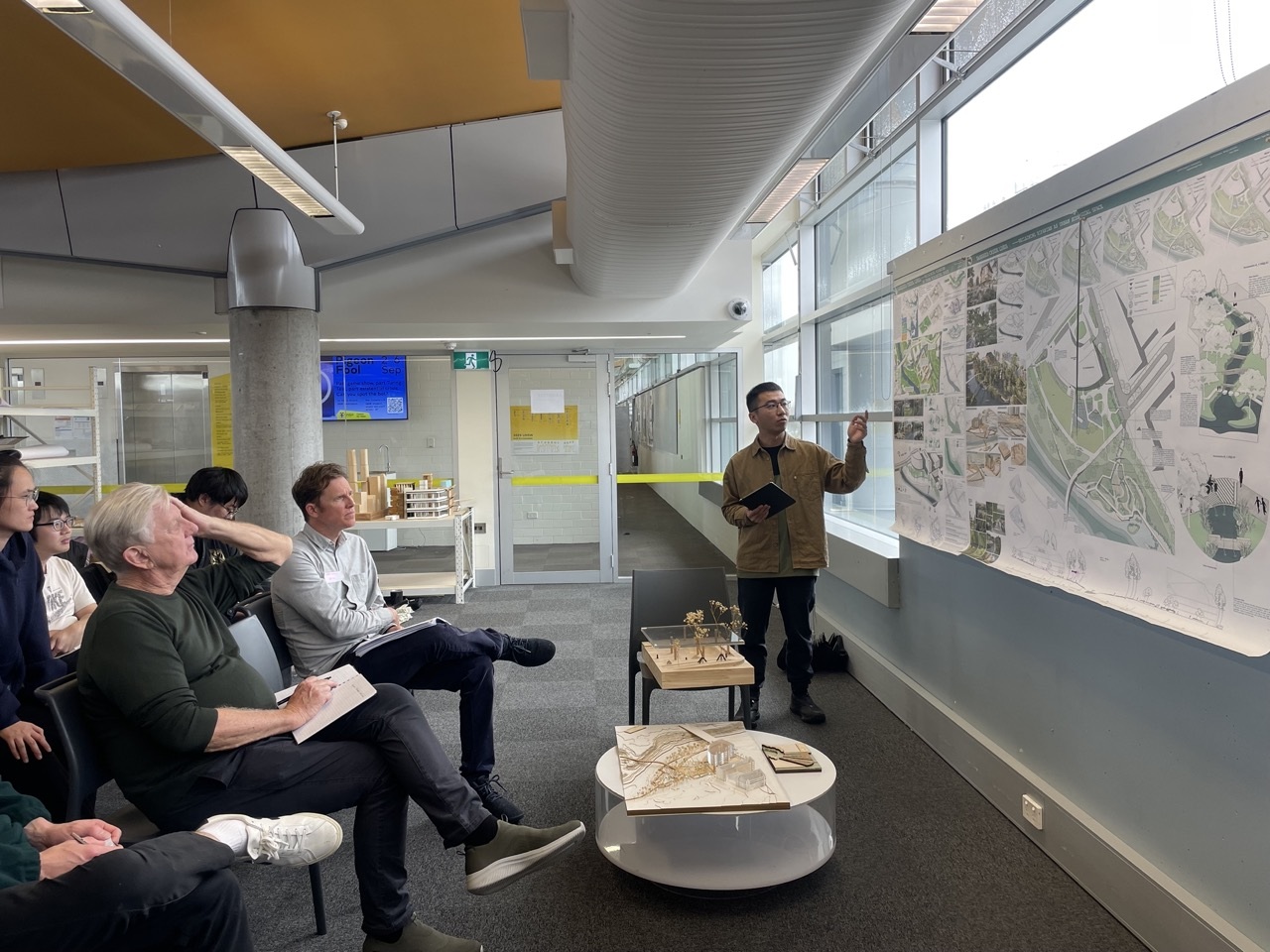
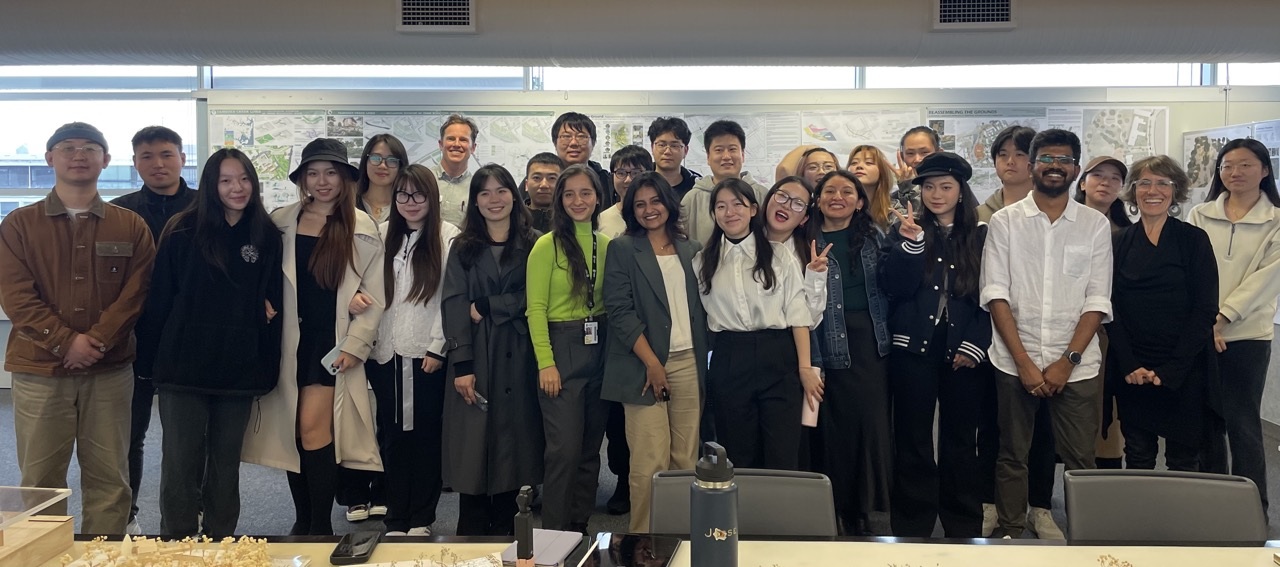
Top: MLA student Dylan Bai, Associate Lecturer Simon Lloyd and Roger Jasprizza, Associate Director, OCULUS
Bottom: 2025 LAND7313 Capstone 2 studio cohort!
June 26, 2025
2025 AILA NSW Awards announced
Announced at the 2025 Awards ceremony at the NSW State Library, 27 projects were awarded this year across over 10 catagories – details available here.
According to Landscape Australia: ‘AILA NSW jury chair Fiona Morrison said this year’s awarded projects highlight the essential role of landscape architects in shaping more inclusive, resilient and liveable communities. “This year’s winners exemplify how landscape architecture can transform public spaces and help shape the way communities work, live and connect,” Morrison said.
“Whilst the projects vary in scale and size, all awarded projects show how our profession is responding to the challenges of climate, culture and community with considered, places-based and purposeful design”‘.
Congratulations to all the winners! it was an honour for Melissa to be part of the process.
June 25, 2025
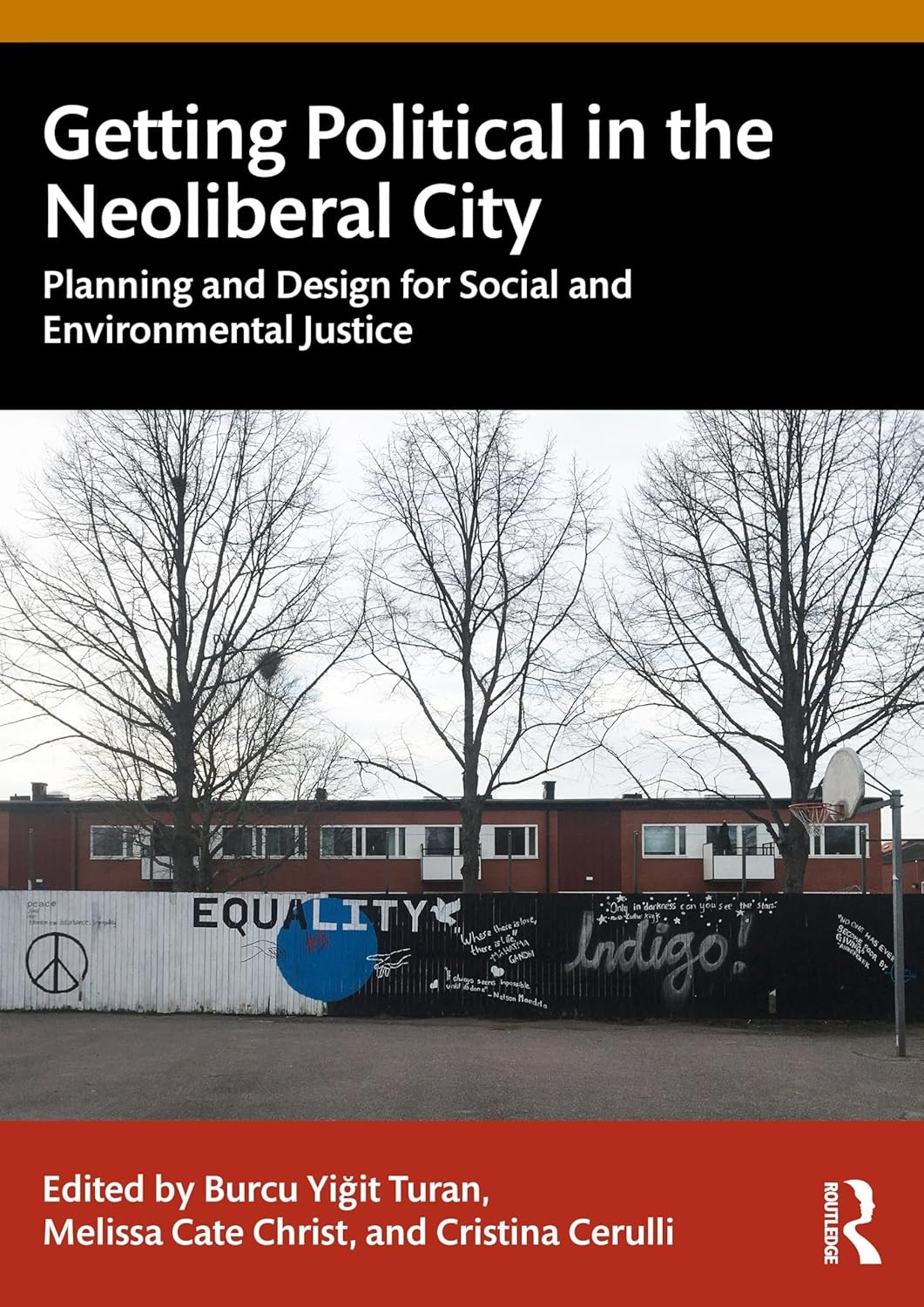
Getting Political in the Neoliberal City: Planning and Design for Social and Environmental Justice
Editors: Burcu Yigit Turan, Melissa Cate Christ and Cristina Cerulli
London: Routledge
We are very excited to announce the publication of our edited volume, ‘Getting Political in the Neoliberal City: Planning and Design for Social and Environmental Justice’!
Many thanks to my co-editors Cristina Cerulli and Burcu Yigit Turan, all of the chapter authors (Alexandra Crosby, Ilaria Vanni, Catherine De Almeida, Angela Gigliotti, Doris Gstach, Evelyn Kwok, Caio de Azevedo Barros, Gerônimo Leitão, Johan Pries, Claudia Seldin, Socrates Stratis and Almut Wolff), as well as the team at Routledge Taylor & Francis Group for making this book a reality!
For more information on the book, and to purchase and read a copy, please head here: https://lnkd.in/g4BMz7BZ
May 08, 2025
LAND2311 Studio 5: Landscape Planning and Systems
UNSW Landscape Architecture UG Studio, Year 3
Year Coordinator: Chistina Silk
Convenor: Melissa Cate Christ
Congratulations to the third year BLA (and 2 MLA) students for their work in the Landscape Planning and Systems studio! This year, we looked at ‘Camden North’, an area of mostly unreleased or unzoned ‘greenfield’ sites that are part of the SW Growth Area in South Western Sydney.
From the studio brief:
The students were asked to prepare a landscape structure plan (LSP) which represents a future scenario for a site which is set in a context of multiple layers of overlapping and intersecting landscape systems, policies, and plans. Their first Assessment task allowed them to develop a deeper critical understanding of the large-scale context and issues facing SW Sydney through the lens of Country and in relation to climate action, environmental sustainability and social equity. In the second assessment task, the students researched, mapped and analysed the landscape systems and topics explored in Assessment 01 at the scale of our site in Camden, and mapped out the opportunities and constraints that emerged from their analysis. The final assessment drew from their research, analysis and synthesis to develop a landscape structure plan (LSP) for the site as it transforms to a denser human settlement over the next 20-30 years. Their final work proposed scenarios for the structure of the future landscape of the site in light of the issues, opportunities and constraints they identified, and included set of landscape-led goals and strategies which would support the performance of ecosystem services and guide your LSP, which were illustrated and supported through maps, drawings and text.
Many thanks to the guest critics who joined the studio throughout the term and in the final review: Christina Silk, Jesse Selby, Sara Padgett Kjaersgaard, Andrew Mackenzie, Andrew Toland, Lingling Qiu, Bradley Colling, Nell Baboli, and Paul Melrose. Also a special thank you to Murray Wilson and Graham Matthews (and Brad, Lingling and Nell) for their excellent introduction to the site and kind welcome to the Camden Council offices!
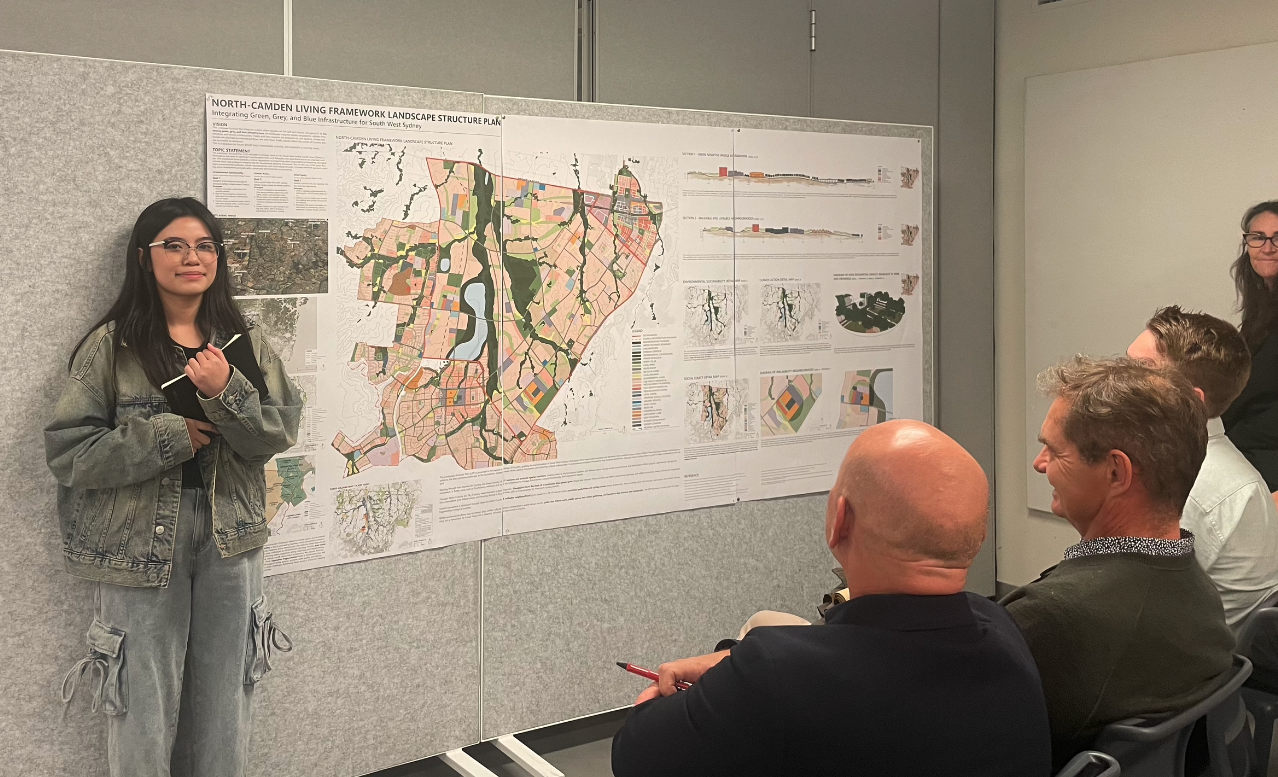
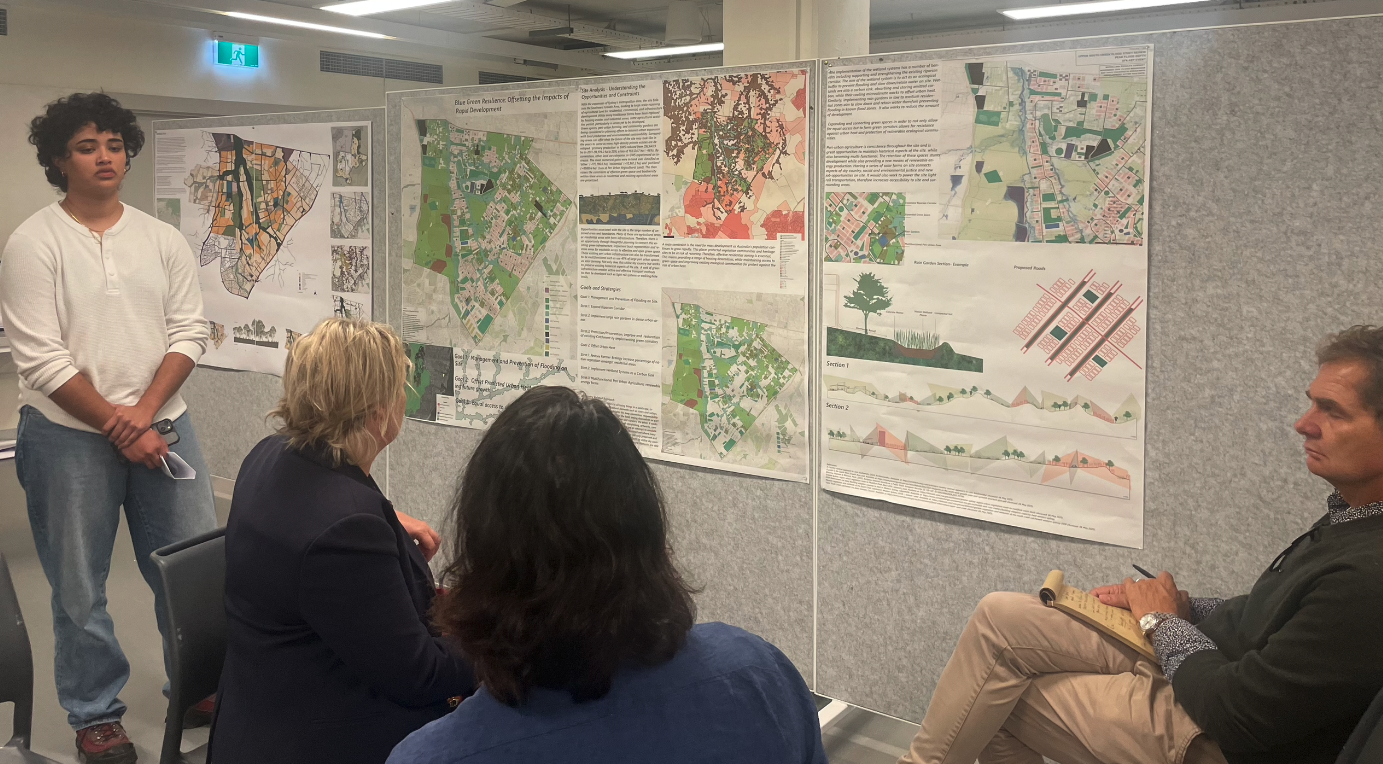
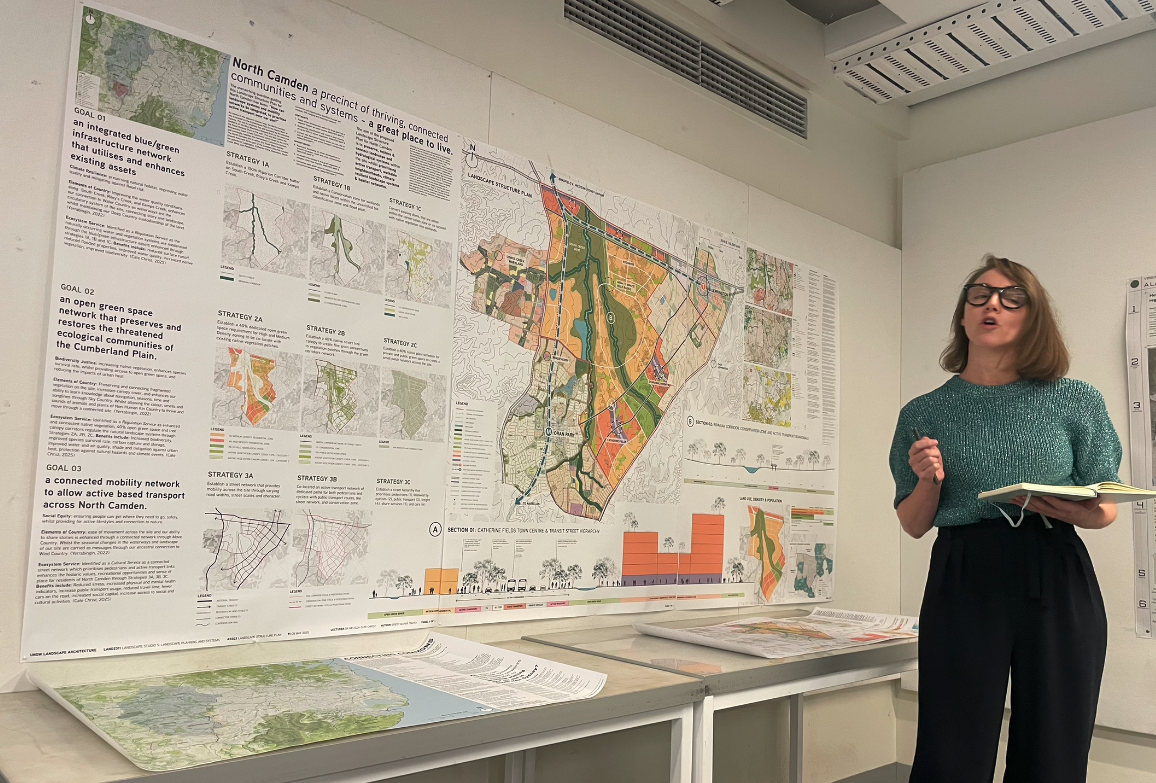
Top: Mi Huynh; Middle: Rhea Sanjay; Bottom: Bride Mahar.
February 13, 2025
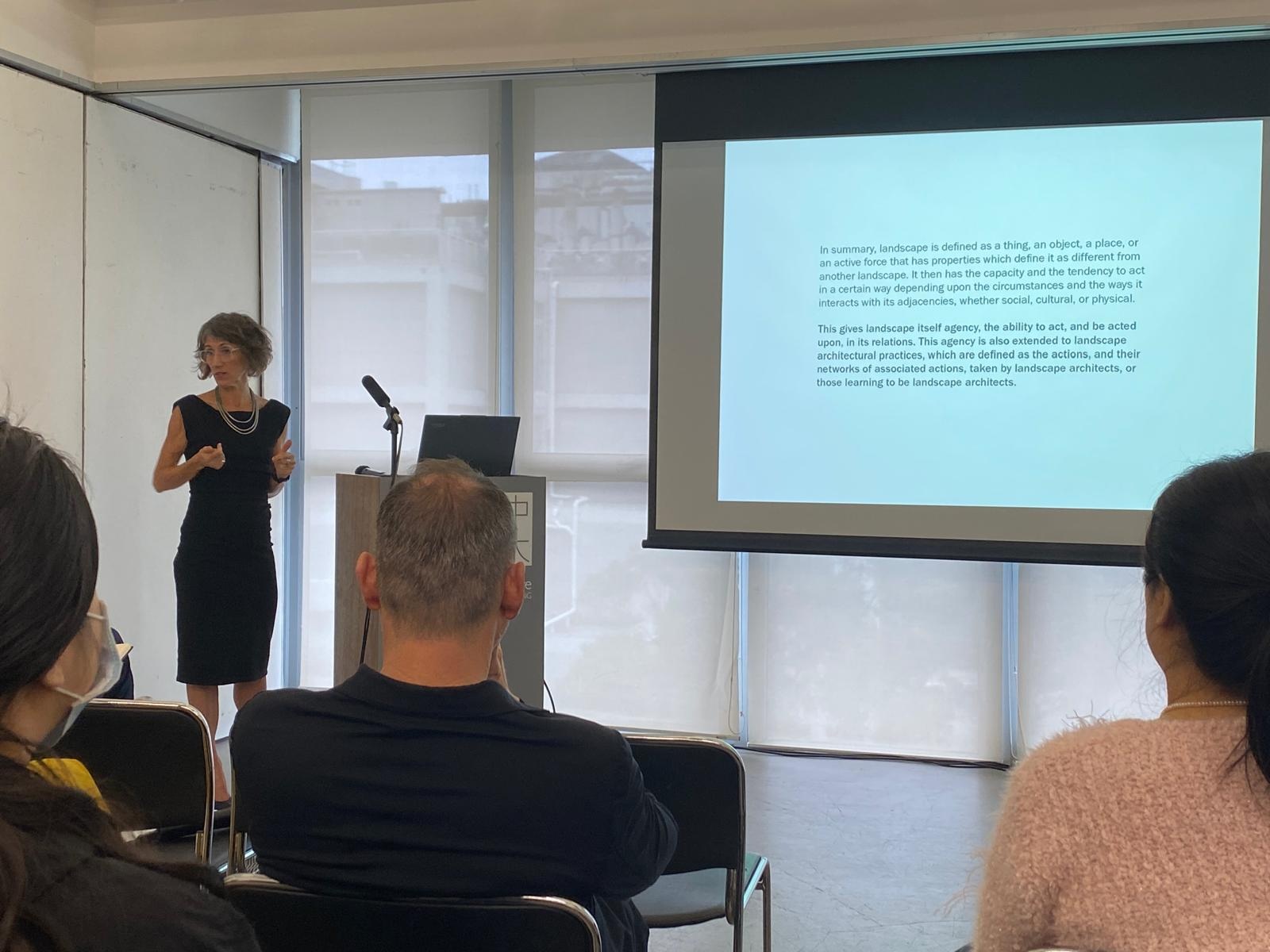
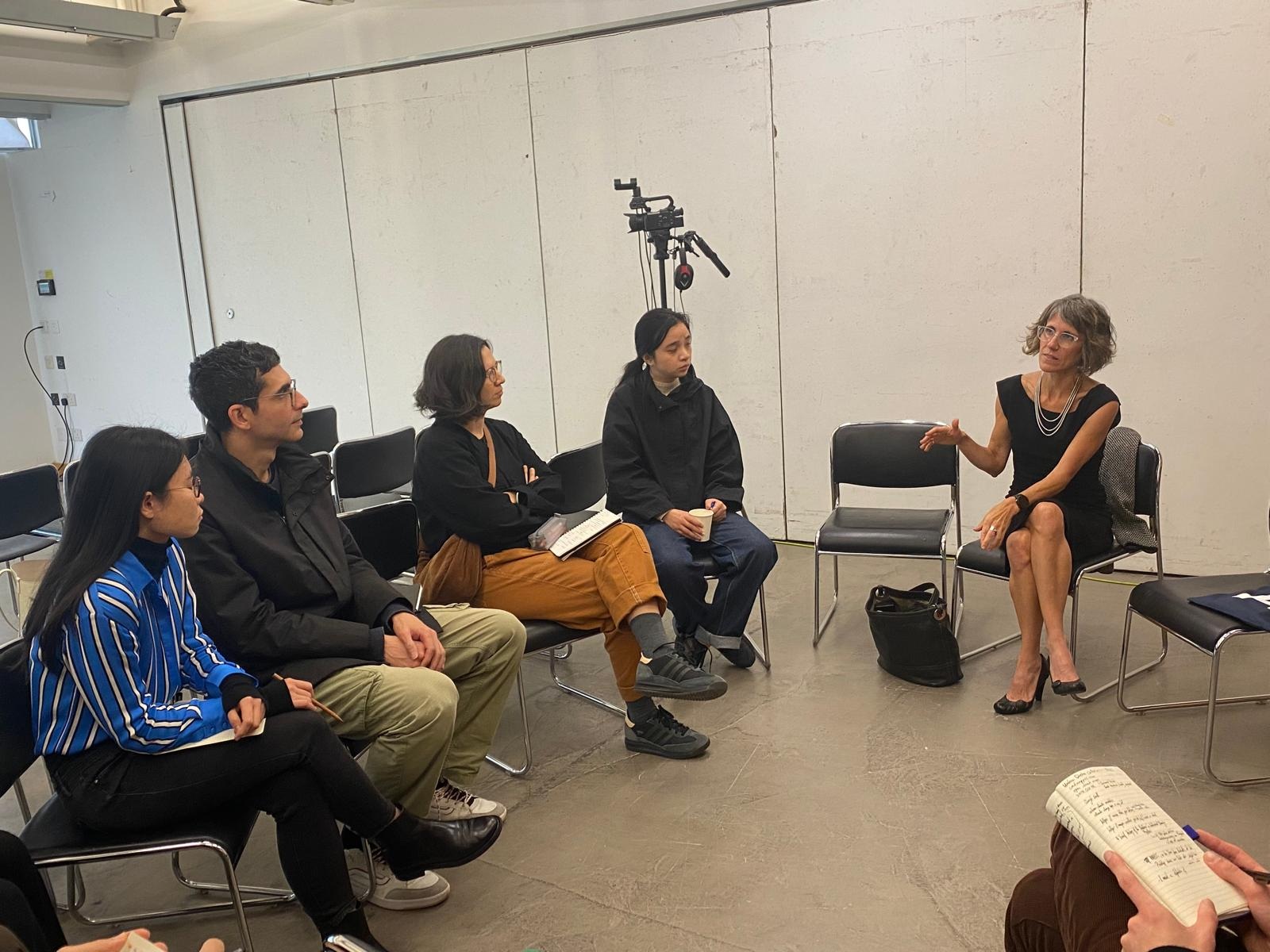
Agency of Landscape: 2025
Public Seminar
School of Architecture, Chinese University of Hong Kong
Melissa was invited to to present her recent work, as well as meet with PhD students and be a guest design critic for Prof. Inge Goudsmit’s architecture studio. Thank to all those who participated for the lively discussion and the warm welcome!
February 11, 2025
AILA NSW 2025 Awards Jury Member
Autumn 2025
Melissa has been selected to sit on the 2025 AILA NSW Landscape Architecture Awards Jury, along with six other landscape architecture professionals who work across public and private practice.
From AILA: The AILA Landscape Architecture Awards provide a key vehicle for the promotion of the achievements and work of Landscape Architects in Australia. The Awards process is an opportunity for public and peer recognition of Landscape Architects’ work. It demonstrates to industry, business, government, and the wider community the positive impact the profession has on Australian lives through the planning and design of the built and natural environments.
AILA has presented an Awards program for over 40 years, and it has played an integral part in AILA’s annual program attracting over 300 entries nationally. The AILA Awards program and its categories, objectives and criteria ensure that the program celebrates the depth of practice and contribution of the profession to our community.
Judging will take place this Autumn, with the awards announced in late June.
December 06, 2024
Bank Naturalisation Officer appointment
Parramatta River Catchment Group
Melissa is excited to announce she will be working with the Parramatta River Catchment Group on the project ‘Parramatta River Bank Naturalisation and Priority Corridors Project’. Funded by the NSW Government (from June 2023-June 2026), the project has three objectives: 1) to develop strategic policy to protect and enhance existing riparian vegetation; 2) Identify priority sites within the PRCG catchment for riverbank vegetation; and 3) Deliver initial implementation (on-ground works). This project supports the delivery of two critical steps of the PRCG Masterplan – Step 4: Standardise the Standards and Step 8: Bring in Nature.
December 03, 2024
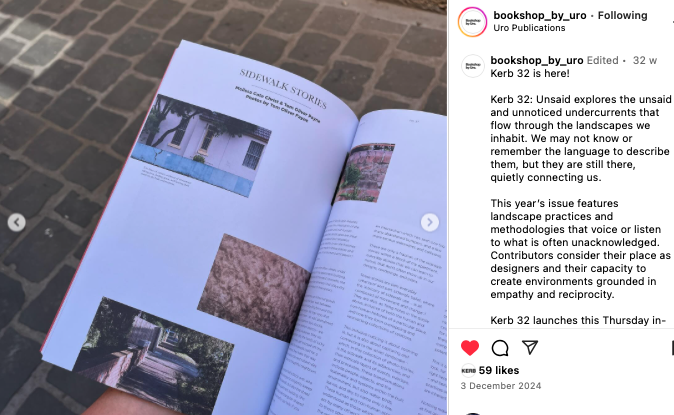
Sidewalk Stories
Melissa Cate Christ and Tom Oliver Payne
Kerb 32: Unsaid
Melissa and Tom are excited to announce the publication of their photo essay ‘Sidewalk Stories’ in Kerb 32: Unsaid. The text is complemented by Tom’s photographs of the Inner West neighborhood of Dulwich Hill. The aim of the piece was to document everyday moments which are often overlooked or unnoticed, but which provide a window to understanding the human and non human occupation of the places in which we live.
More info about the issue, the other articles, and a link to purchase the magazine from Uro Publications can be found here.
September 09, 2024
walking design/designing walks: revealing water stories as paths to regenerative urban landscapes
ECLAS Conference 2024, 7-10 September
Brussels, Belgium
Melissa presented work from her 2021 UTS Landscape Architecture Vertical Studio online as part of the ‘Mobility Landscapes’ session in the 2024 ECLAS conference – Regenerative Landscapes: Designing the Transition. More information on the theme and the program of the conference is here.
February 23, 2024
Place Strategist appointment
Hoyne
Melissa is excited to announce she will be working as a place strategist with Hoyne, a place visioning, branding and property marketing consultancy. The office works with private and public clients on creating visions for a range of project typologies, from residential and master planned communities to mixed use urban renewal and city shaping projects.
December 08, 2023
Stairs as public places: investigation, collaboration, and celebration along Sheung Fung Lane, Hong Kong
Online: 11:30-13:30 Seoul time
Hanyang University, Graduate School of Urban Studies, Seoul
Melissa has been invited by Blaž Križnik, Hanyang University, Seoul, to give a talk about her research and design work concerning stairs and alleys in Hong Kong. She will focus on the project Magic Lanes, which was funded by the HK Urban Renewal Fund and conducted in collaboration with Caritas and Hendrik Tieben, as well as with local secondary and primary school and Chinese University and HK PolyU students.
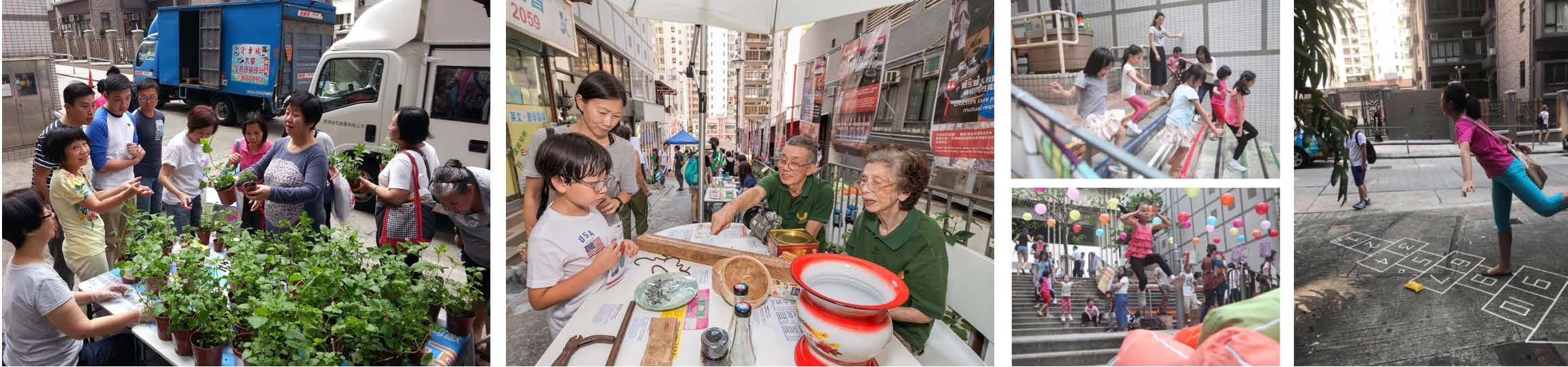 Photo credit: Magic Lanes project.
October 31, 2023
Fill wins first prize at Eden Unearthed 2023
November 2023- April 2024
Curated by Meredith Kirton
Eden Gardens, Macquarie Park, NSW
Melissa is delighted to announce that her artwork, Fill, has been selected as the first prize winner at the 2023/24 edition of Eden Unearthed at Eden Gardens (IG: #edenunearthed @eden_macquariepark)!! It was a lovely surprise for Fill to be selected from a field of 35 diverse, evocative, beautiful, and often playful artworks by established and emerging artists. If you are in Sydney, please come by Eden Gardens to engage with their site-specific work, as well as to contribute to (re)making FILL. You can find my artist statement, the exhibition catalogue, and explanatory videos by all the artists at the Eden Unearthed website. And please follow Fill on Instagram at @fill_edenunearthed to see what happens over the next six months!
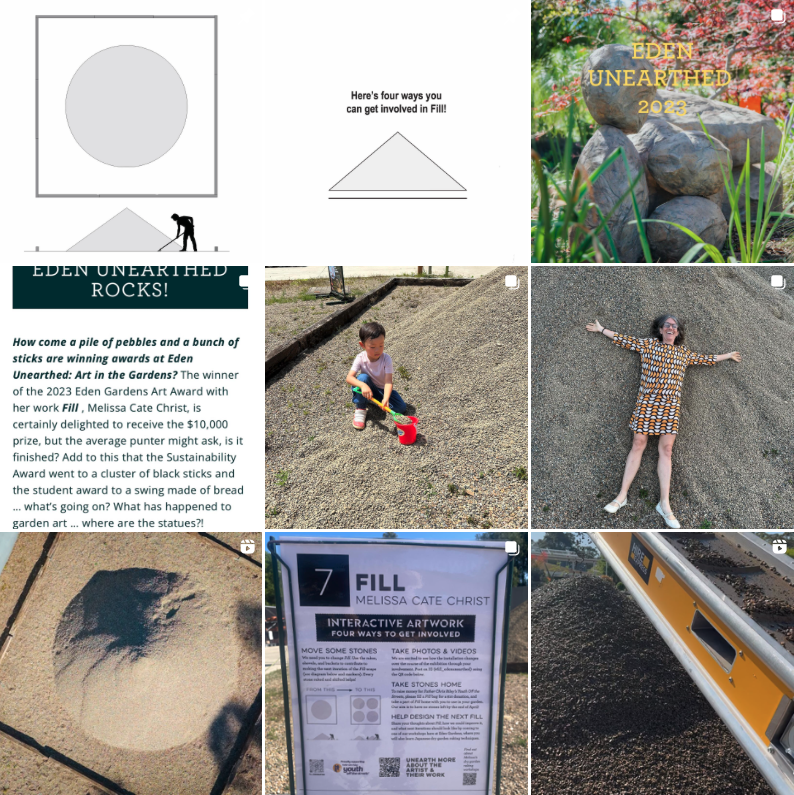
Above: Some images from the project Instagram page; Below: Installation concept and ideas for getting involved!
FILL
v.tr. To put into (a container, e.g.) as much as can be held.
n. An amount needed to make full, complete, or satisfied.
Fill consists of a pile of gravel whose volume is equal to the capacity of the surrounding built edge. Drawing inspiration from Japanese dry garden (karesansui) practices, visitors are invited to collaboratively fill and shape a gravel garden through action such as shifting, raking, documenting, and (re)moving, making a place from what was once only a space. The intent of Fill is to engage visitors in a meditative process of destruction / construction – each visitor witnesses a unique moment in the history of the installation and contribute to its evolution through their participation.
Here’s four ways you can get involved in Fill!
1) Move some stones!
Rakes, shovels, and buckets are available for you to contribute to making the next iteration of the Fill-scape – see the topo design plan and markers for where we are going – every stone raked and shifted helps.
2) Take photos and videos!
We are excited to see how the installation changes over the course of the exhibition through your involvement. You can post on IG (tag #fill_edenunearthed) or send to melissa@transverstudio.com.
3) Take stones home!
Our aim is to have no stones left by the end of April, and to raise money for Father Chris Riley’s Youth Off the Streets, so please fill a Fill bag for a $10 donation and take a part of Fill home with you to use in your garden.
4) Co-design Fill 2.0 and 3.0!
Share your thoughts about Fill, how we could improve it, and what the 2nd and 3rd iteration should look like by coming to one of our workshops (Dec 10 & Mar TBD – we will also learn Japanese dry garden raking techniques), or share to IG or melissa@transverstudio.com.
August 10, 2023
Fill selected to be part of 2023/24 Eden Unearthed exhibition
Forthcoming November 2023- April 2024
Curated by Meredith Kirton
Eden Gardens, Macquarie Park, NSW
Melissa’s site specific and collaborative installation Fill has been selected as one of over 30 artworks to be installed as part of the 2023/24 iteration of Eden Unearthed, a six month long exhibition located in the award winning Eden Gardens Display Gardens and in and amongst the Eden Garden retail centre and cafe. More details to follow! Please find more information on the call for submissions and on earlier editions of the exhibition here.
February 9, 2023
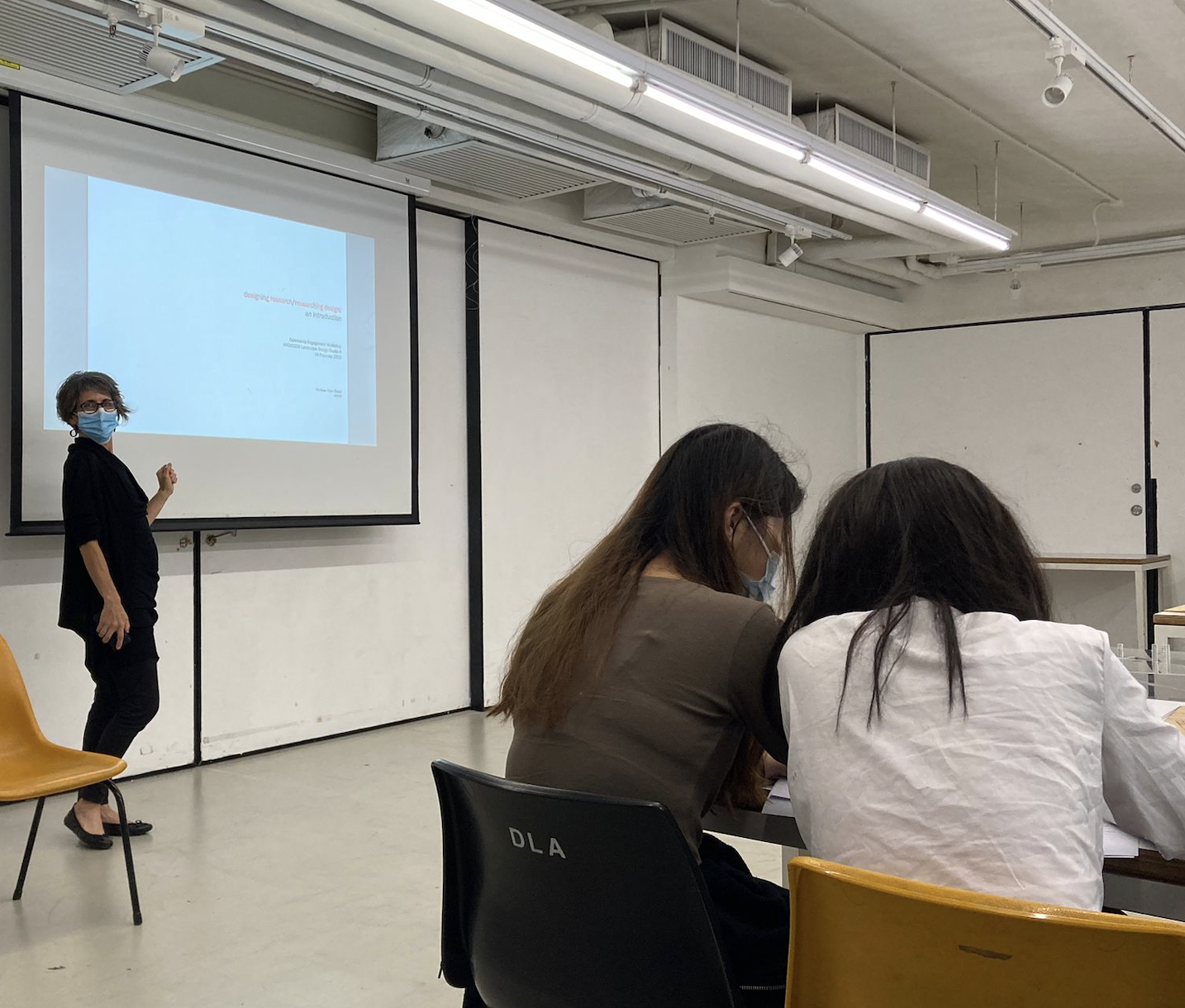
Community Engagement Workshop
ARCH3202 Landscape Design Studio 4
Division of Landscape Architecture, University of Hong Kong
Melissa is excited to be giving a lecture and workshop about design research and community engagement at HKU February 9, 2023. The workshop will be conducted collaboratively with Susanne Trumpf and her BALS students as part of their studio project, which is looking two local playgrounds in the Central and Western District and how they can be redesigned with the community.
December 17, 2022
Civic Urbanisms Book Launch
NUS and online
Melissa is excited to be part of the launch of the new book Emerging Civic Urbanisms in Asia: Hong Kong, Seoul, Singapore, and Taipei Beyond Developmental Urbanization, edited by Im Sik CHO, Blaž Križnik, and Jeffrey Hou. The book includes her chapter, co-authored with Hendrik Tieben, ‘Hong Kong’s Urban Renewal Fund: A Step towards Citizen-driven Placemaking?’ Please see the information below to join us!
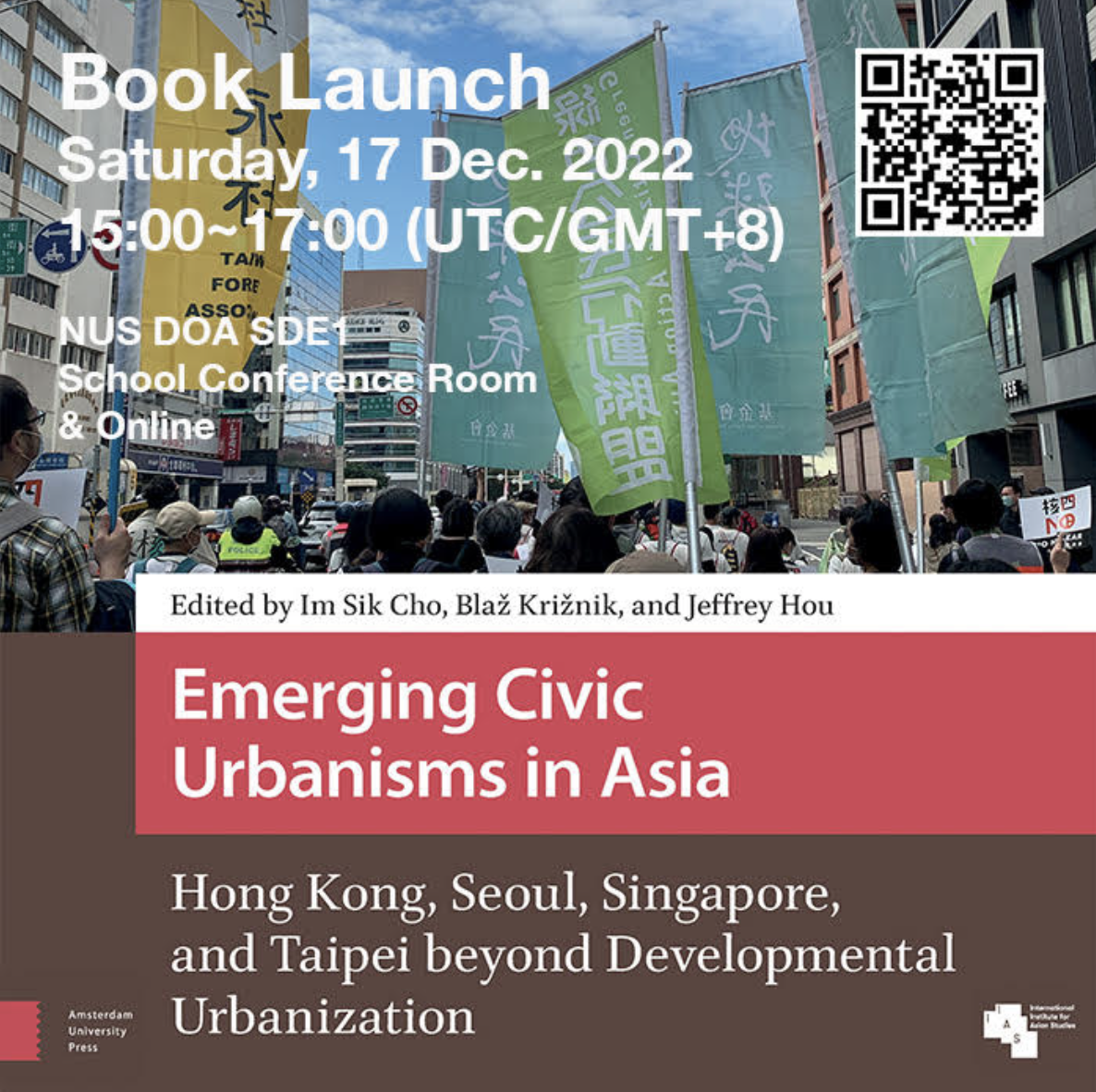
From the announcement: Join us for the launch of a new book Emerging Civic Urbanisms in Asia: Hong Kong, Seoul, Singapore, and Taipei Beyond Developmental Urbanization, edited by Im Sik CHO, Blaž Križnik, and Jeffrey Hou.
The hybrid event will feature presentations and discussions by contributors and editors of the book, reflecting on the current state of civic urbanism(s) in Asia. Register here to join either in person (limited capacity) or online — https://forms.gle/QMrDxpshxAJDLMp2A
Date: Saturday, 17 December 2022
Time: 15:00 to 17:00 Singapore Time (UTC/GMT +8)
Location: NUS Department of Architecture SDE 1 School conference room & online
In-person presenters:
Im Sik CHO, National University of Singapore
Cecilia CHU, University of Hong Kong=
Jeffrey HOU, University of Washington
Shiau Ching WONG, National University of Singapore
Joining online:
Blaž KRIŽNIK, Hanyang University, Seoul
Melissa CATE CHRIST, UNSW Sydney
Jan H.M. LIM, Participate in Design (P!D)
Huiying NG, Rachel Carson Centre for Environment and Society
Marta CATALÁN ERASO, Open University of Catalonia
August 26, 2022
Hong Kong’s Urban Renewal Fund: A Step towards Citizen-driven Placemaking?
Edited by Im Sik CHO, Blaž Križnik, and Jeffrey Hou
Melissa Cate Christ and Hendrik Tieben
We are excited to announce the publication of ‘Hong Kong’s Urban Renewal Fund: A Step towards Citizen-driven Placemaking?’, a chapter written by Melissa and Hendrik Tieben in the new book Emerging Civic Urbanisms in Asia: Hong Kong, Seoul, Singapore, and Taipei Beyond Developmental Urbanization, edited by Im Sik CHO, Blaž Križnik, and Jeffrey Hou. Please find the chapter here, the abstract below and more information about the book (and how to purchase it) here.
Abstract
This chapter investigates the relationship between Hong Kong’s Urban Renewal Fund (URF) and citizen-driven placemaking (CDP). The URF was launched in 2011, in response to growing public concern about projects undertaken by Hong Kong’s Urban Renewal Authority (URA). After discussing the evolving relationship of civil society to redevelopment and the background of the URF, the chapter presents three funded projects that utilize CDP approaches. The chapter examines the institutional frameworks and actors, and the achievements and limitations of CDP in the context of this state-sponsored programme. It also addresses prevailing contradictions between the small-scale, citizen-driven projects supported by the URF, and the large-scale redevelopment projects undertaken by the URA, as well as their implications for future civic urbanism in Hong Kong.
Keywords: Hong Kong, Citizen-Driven Placemaking, Community Building, Public Space
November 9, 2021
walking design / designing walks: Revealing water stories as paths to resilient urban landscapes
UTS Vertical Studio Spring 2021
Subject Coordinator: Saskia Shut
Studio section convenor: Melissa Cate Christ
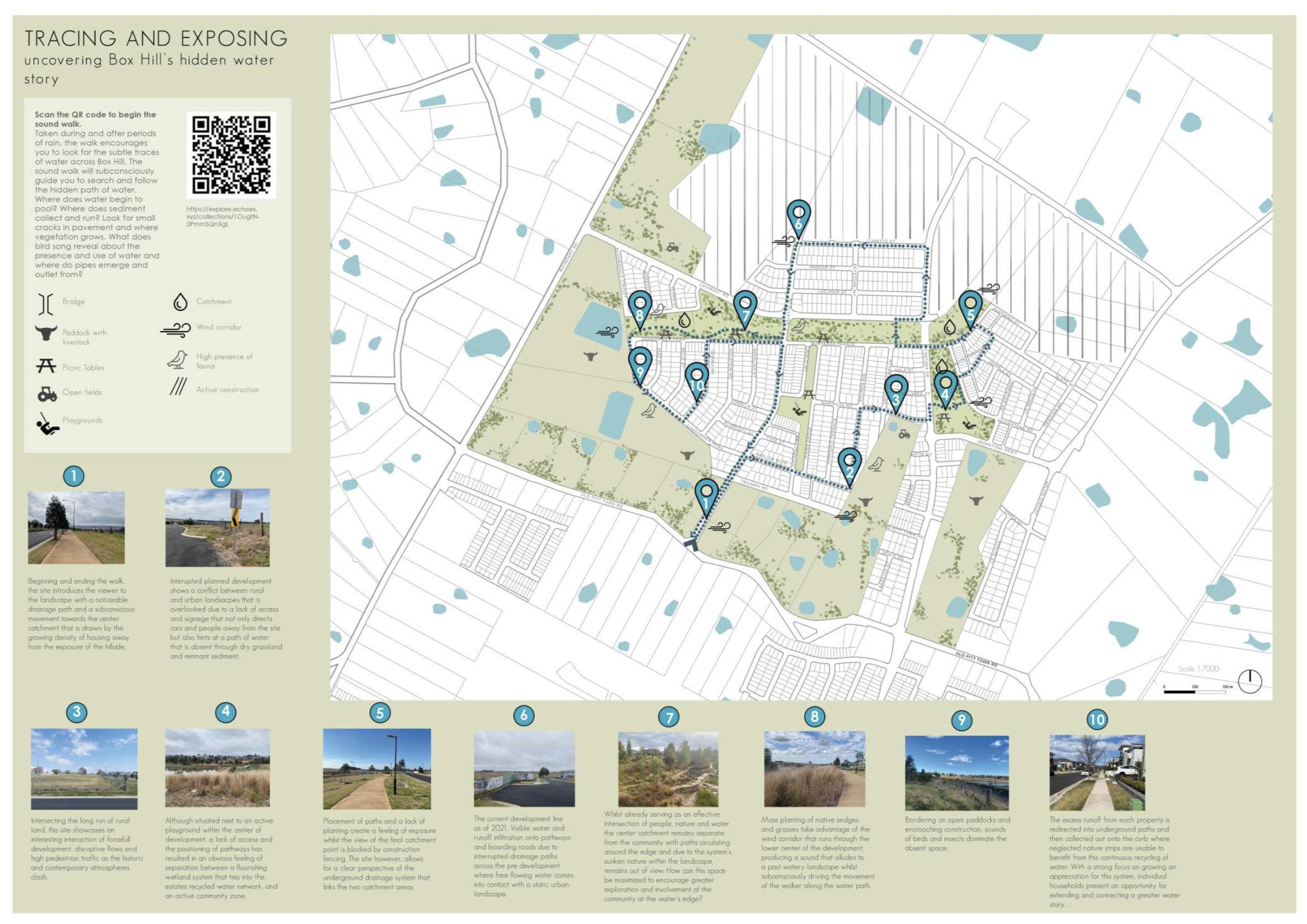
Above:Image credit Lily Depazzi 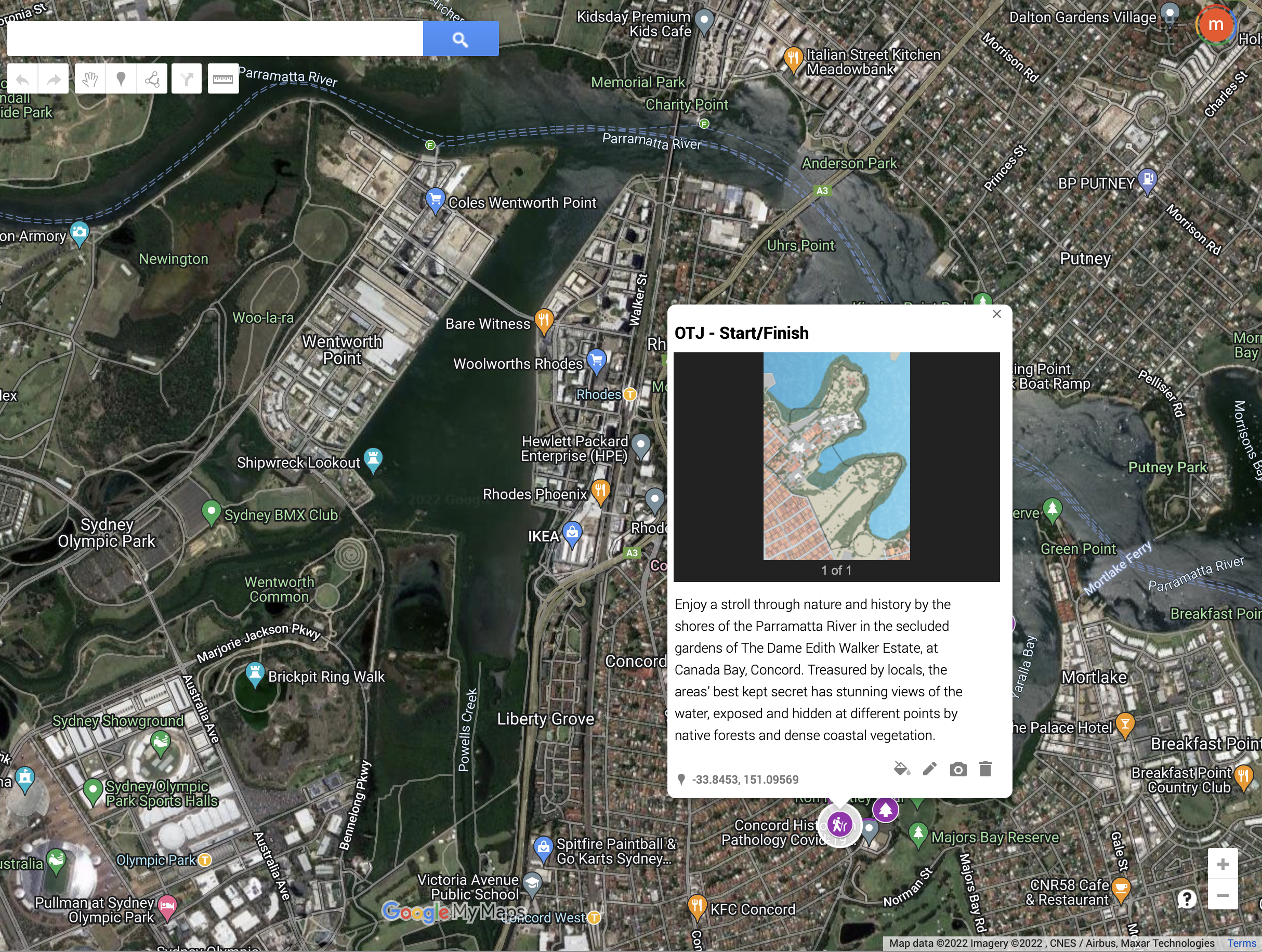 Below: Walk info credit: Oliver Turner
Congratulations to the second and third year students for their work for my studio ‘walking design / designing walks: Revealing water stories as paths to resilient urban landscapes’. It was a challenging term, navigating lockdown and working from home, but the students designed insightful walks and landscapes in their local (5k radius!) neighbourhoods, which ended up being from all areas of Sydney (and even one on the Central Coast!). If you’d like to explore their walks, designs, and interactive media elements, please visit the course website, or explore their walking routes on the course Google map, where all of the walks are collected. Many thanks to all the students for their hard work on their own projects, as well as their collected work on the contextual mapping and website. Special thanks to the website group, to Fergus Barker for his work on the website and for his critical feedback throughout the term, to our guest critics Jayde Roberts, Lee Roberts, Jane Hutton, Kelly Majewski and Susanne Trumpf, and to the LA faculty at UTS for their critical feedback and support.
From the brief:
The effects of climate change are increasingly impacting individuals, cities, and regions around the globe. Many of these impacts are directly related to water supply, removal, and management, whether through sea level rise, or the increasing intensity and frequency of storms, floods, droughts and heat waves. In Greater Sydney, as in most places, the physical fact of the water management network is not an actively acknowledged part of most of our lives, that is, until it ceases to function. In this way, we can summarize our common experience of much of the infrastructure which is embedded in the landscape: it becomes invisible.
In order to both make these systems visible and to intervene, we need to pay attention to their evidence of action – the artifacts which indicate both a specific history and process, and also connect to a wider network. Following and documenting the path of water, we can reveal the urban evidence of these water infrastructural processes. Once we recognize, reveal and raise awareness about the water networks that surround us, we can better contribute to designing and developing interventions to enable resilient, adaptive, climate-sensitive landscapes.
September 24, 2021
On envisioning innovative urban landscapes
Making Space for All: URF 10th Anniversary Thematic Seminar
Hong Kong / Online
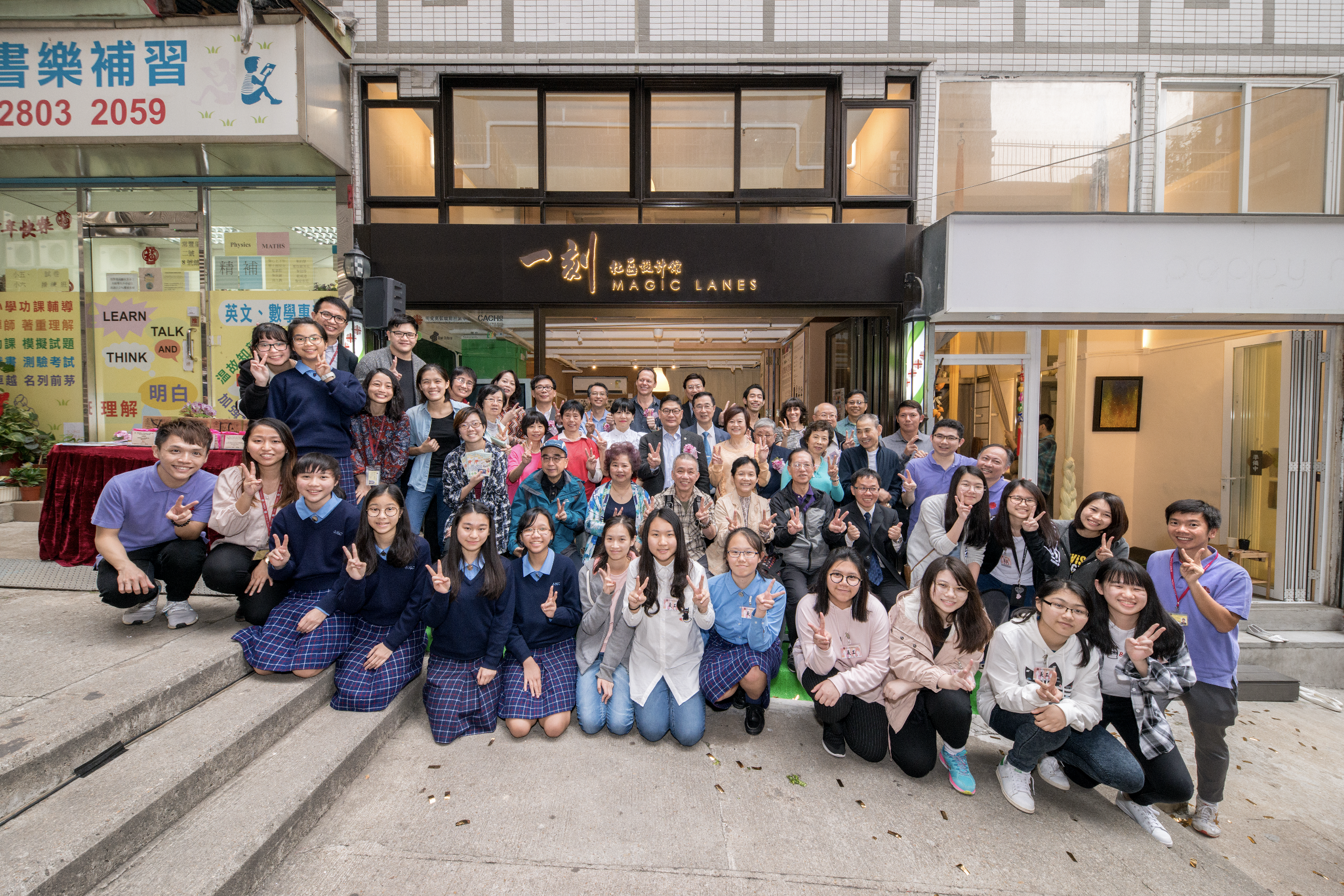 Melissa will present her talk ‘On envisioning innovative urban landscapes’ as a keynote speaker at ‘Making Space for All: URF 10th Anniversary Thematic Seminar’, which will be held in Hong Kong / online on September 24 2021. Sponsored by the Hong Kong Urban Renewal Fund, the seminar will celebrate the Magic Lanes project through a serious of talks and workshops, including presentations by Hendrik Tieben, Maggie Ma, Mingjay Kang and Jeff Hou. Special thanks to Caritas Mok Cheung Sui Kun Community Centre for organising and facilitating this event. From the event website: ‘The seminar will bring together motivated members of the general public, students and stakeholders, and a range of diverse academic disciplines and practitioners. The intent is to provide a forum to consolidate their local experience and exchange knowledge and reflections.’ Please join us for a day of celebration and discussion about community organising and place making!
September 14, 2021
ECLAS 2021: Stop and Think
Cultural Landscape Session
Melissa and Mattais Qvistrom will be moderating a Cultural Landscape panel on September 14 2021 as part of the 2021 ECLAS conference ‘Stop and Think’. See below for the presenters and their paper abstracts and here for a link to the full ECLAS program. Please join us for what promises to be a very interesting and engaging session!
CULTURAL LANDSCAPE: Relationships—Public sphere, urban morphology and cultural heritage
Academic paper session
Tuesday September 14, 9-10:30
Moderator(s): Mattias Qviström and Melissa Cate Christ
262. Public Sphere in Cultural Landscape
Julian Schaefer, Technical University Munich │ Soeren Schoebel-Rutschmann, Technical University Munich
Urban studies primarily deal with conditions and qualities of public space as the relation between material texture and social spheres. For the countryside and the cultural landscape, there is a lack of debate on the relationship between morphology, texture and sociality of space. In the face of converging urban, suburban and rural lifestyles, the research is focused on spatial textures that provide the basic qualities of public space, such as accessibility, permeability, legibility and orientation, even in everyday landscapes, thus answering central social questions of openness, identification and integration. The project is based on the fundamental studies on figure and ground and adapts these methods for describing the spatial texture of landscape. The aim of the figure-ground analysis is to uncover which structures offer orientation and how encounters and centralities arise in the cultural landscape—in other words, where morphological structures make public sphere possible.
288. Transferred Cultural Ideas in New Cross Border Contexts
Iris Dupper, LATZ+PARTNER
The cultural landscape we see today, always ‘contains’ historic changes on nature. Many layers might overlay each other. If we have to decide, which layer of nature we want or have to protect, it is necessary to understand these historic changes in relation to the contemporary landscape. In order to understand the historical development of ‘vernacular’ cultural landscapes, it is important to properly understand symbolic design parameters, based on cultural ideas. Since millenia cultural ideas were transferred between countries and continents. Historic and paradigmatic cultural ideas are found in the field of landscape architecture in gardens. Finally it can be shown, that cultural ideas are indeed transferable from place to place to new cross-border contexts inspiring new cultural connections. To find planning methods and tools, which can understand these and generate sustainability, are the challenges for the profession of today.
446. (re)Learning Relationships with Water: Dismantling dichotomy of land and water ecologies
Swagata Das, Katholieke Universiteit Leuven
Recently,there has been a growing understanding of the impact of climate change on the way the world is urbanising and the need to re-orient urban processes. The paper focuses on a specific pristine environment—‘chars’ or river islands of the Brahmaputra Basin, India. For a long time, the difficult conditions of the region—high seismicity, erosion, physical remoteness, political unrest, insurgency— permitted it to maintain its near-pristine nature. Recently, the region has come into focus due to its strategic geopolitical location and hydrological potential. With massive waves of urbanisation and evident threats of climate change, it is necessary to look into the current river management mechanism in the Brahmaputra basin, based on principles of land utilisation and river control. This perception of land and water as two distinct physical entities has produced illegitimacy, robbing traditional landscapes of their histories and extracting them from their socio-cultural setting.
482. Cultivating the Deep Ground: Productive land formations
Nesli Naz Aksu, Middle East Technical University/ azaksu architects │ Funda Baş Bütüner, Middle East Technical University │Aysen Savas, Middle East Technical University │ Sezin Sarıca, Middle East Technical University
Being part of a natural, tectonic and temporal formation, the ground operates as a shared transdisciplinary milieu for mutual dialogue. Acknowledging recent planetary challenges necessitate a common design act. Our study scrutinises the ground through deep sections that continuously produce all forms of terrestrial and aquatic assemblages. As it carries multifarious layers and states, the sectional diversity of the ground motivates a new design lens for productive land formations. This research was conducted in two different geographies, Skopje and Bodrum, with fertile grounds in terms of archeological and natural resources. For Skopje, 1963 was a “ground zero” that transformed its thick ground into deep debris. For Bodrum, the formation process of the deep water+land has been expanding for centuries, ending up with dramatic land takes. Thus, the studio exposes deep ground both as an analytical tool and a design agent, and focuses on recognising fertile grounds for creative programs.
February 16, 2021
Ambiguous Topologies of Public Open Space in Hong Kong: Stairs, Alleyways, Sitting-out Areas, Parks, Playgrounds, Privately Owned Public Spaces and Vacant Lots
Interstitial Hong Kong: Exploring the Miniature Open Spaces of High-Density Urbanism (Jovis), p. 80-97
Ed. by Susanne Trumpf, Xiaoxuan Lu and Ivan Valin
Melissa Cate Christ and Andrew Toland
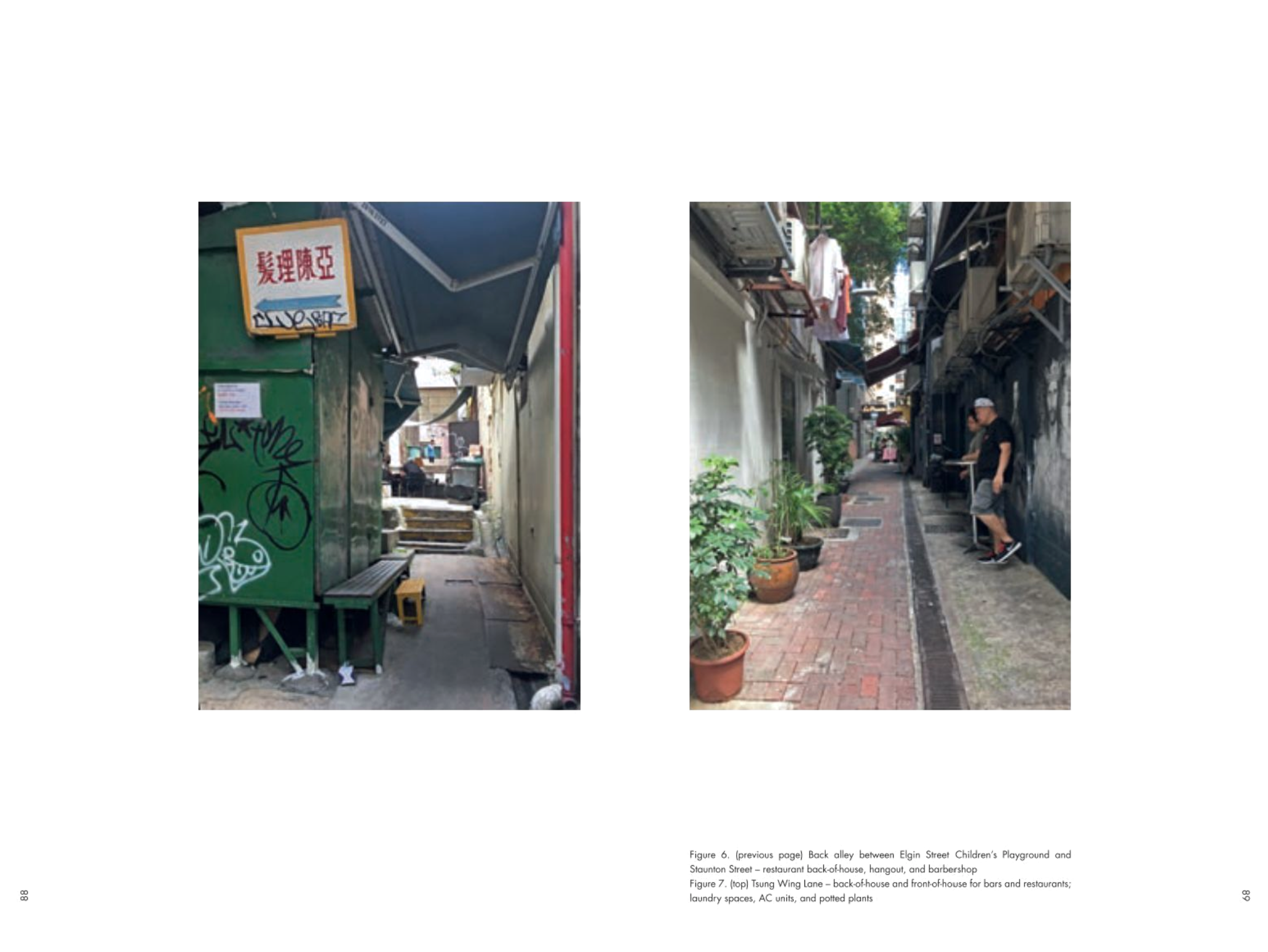
We are pleased to announce that Ambiguous Topologies of Public Open Space in Hong Kong: Stairs, Alleyways, Sitting-out Areas, Parks, Playgrounds, Privately Owned Public Spaces and Vacant Lots, a chapter written by Melissa and Andrew Toland, has been published in the book Interstitial Hong Kong: Exploring the Miniature Open Spaces of High-Density Urbanism, edited by Susanne Trumpf, Xiaoxuan Lu and Ivan Valin. Please find an except from the chapter below and more information about the book (and how to purchase it) here.
In the densely-occupied, hilly urban areas of Hong Kong Island, public open space is limited and often fragmented. By necessity, these scarce spaces are multifunctional, resisting normative and typical categories of classification. Every in-between space that does exist is often a site of occupation, processes, flows, materials, wastes, and daily routines that are undertaken by both human and non-human actors. These spaces comprise a complex, mostly contiguous, network of streets, alleys, stairs, plazas, parks, Sitting-out Areas, Rest Gardens, Children’s Playgrounds, privately-owned public spaces and passageways, overhead walkways, underground tunnels, terraces, planter beds, drainage channels, and even vacant parcels of land. Of these spaces, only some are labeled and maintained by the government as public “open space”. This latter type of official space, categorized as Parks, Children’s Playgrounds, Sitting-out Areas, and Rest Gardens (the latter two being the focus of this publication), have signposted rules and sometimes full-time attendants and/or cameras to enforce what is allowed (or not) in these, often tiny, fragments of land. However, the practices in these spaces are not limited only to “allowed activities”, and the allowed activities are not limited only to these spaces. In fact, some practices are common to all of the parts of the more loosely defined open space network mentioned above, whereas others seem to be more unique and localized.
It is often difficult to distinguish which type of space one is occupying through its formal classification alone. In such dense, over-built, and often vertiginous conditions, spaces have a tendency both to bleed into one another, but also to be interrupted and disjoined in unexpected and surprising ways. Fully comprehending the ways in which human and non-human actors use, maintain, and occupy this system, requires an understanding of the complex connections between the spaces and the actors within those spaces; and their participation in both the local and wider open space network. This chapter explores the topology of these actors and sites within the larger network of public open space, highlighting the ambiguity of their formal classification and focusing on the practices which connect or disconnect many of these sites.
November 09, 2020
Magic Lanes: A placemaking approach for alley spaces in Hong Kong
Asian Alleyways: an Urban Vernacular in Times of Globalization (Amsterdam University Press), p. 181-205.
Ed. by Marie Gibert-Flutre and Heide Imai
Melissa Cate Christ and Hendrik Tieben
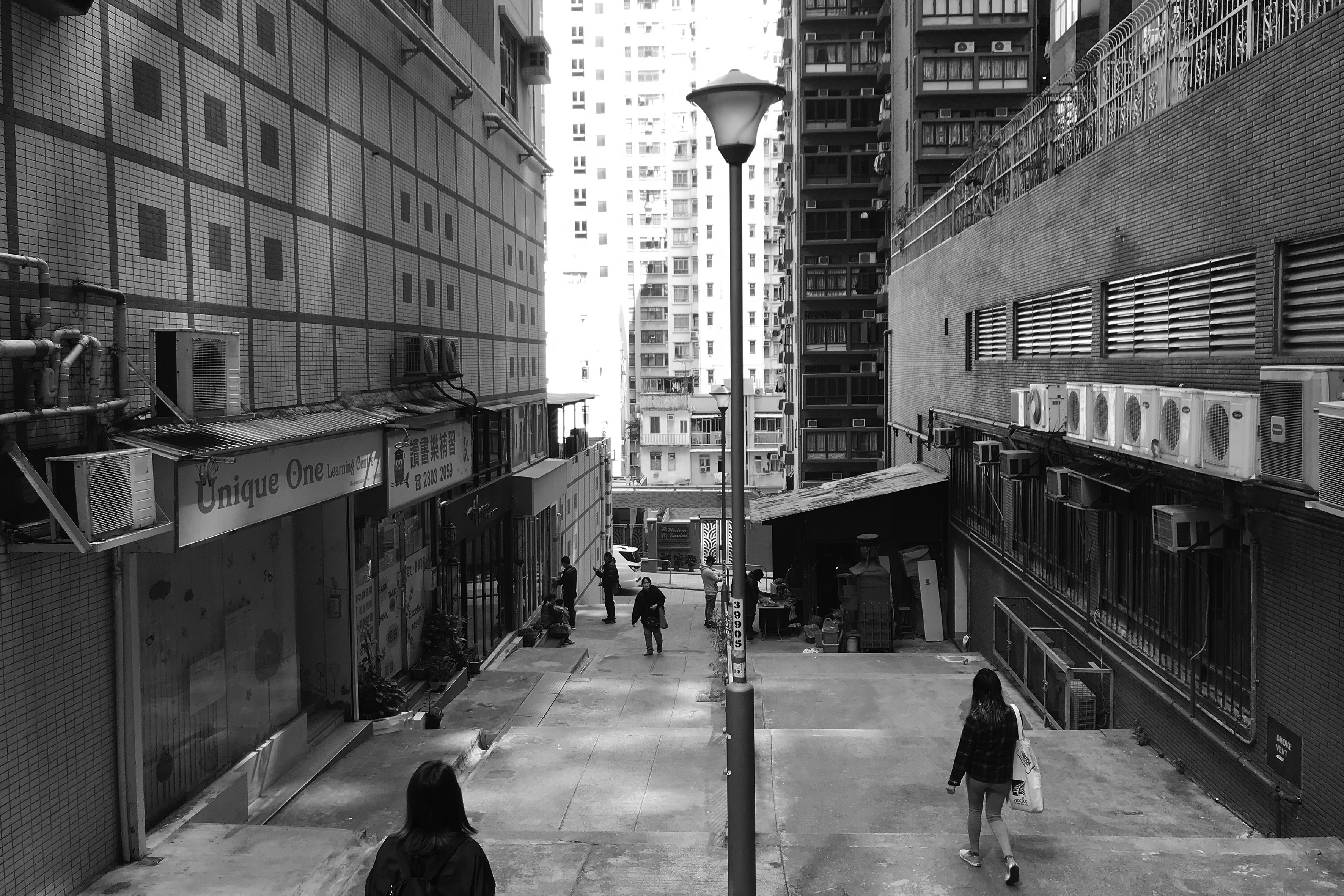
We are pleased to announce that Magic Lanes: A placemaking approach for alley spaces in Hong Kong, a chapter written by Melissa and Hendrik Tieben, has been published in the edited volume Asian Alleyways: an Urban Vernacular in Times of Globalization, Ed. by Marie Gibert-Flutre and Heide Imai. Please find the abstract below and the full chapter here.
With one of the highest population densities in the world, Hong Kong suffers from a lack of public open space. Despite this situation, open spaces provided by government authorities or private developers often do not meet residents’ needs or include residents in the planning and design process. To explore one way that this issue is being addressed, this chapter describes an ongoing placemaking project within Hong Kong’s interstitial network of laneways (里) and alleys (巷). The key historical, sociocultural, and physical features, opportunities, and constraints of these in-between spaces are discussed. This is followed by an in-depth exploration of the case study Magic Lanes, a pilot project that aims to provide more inclusive public open spaces through placemaking and community co-creation.
June 01, 2020
Documenting topographic ecologies in Hong Kong
Recombinant Ecologies in the City
Ed. by Ilaria Vanni and Alexandra Crosby, Visual Communication 2020-8 19(3), p. 391-414.
Andrew Toland and Melissa Cate Christ
We are pleased to announce that Documenting topographic ecologies in Hong Kong: visual methods for hyper-dense and hyper-topographic urban spaces in landscape architecture, an article written by Andrew Toland and Melissa Cate Christ, has been published. The article appears in Recombinant Ecologies in the City, a Special Issue of the journal Visual Communication (Volume 19 Issue 3, August 2020). The issue was edited by Ilaria Vanni and Alexandra Crosby. Please find the abstract below and the article (unfortunately closed access – get in touch if you would like access) here.
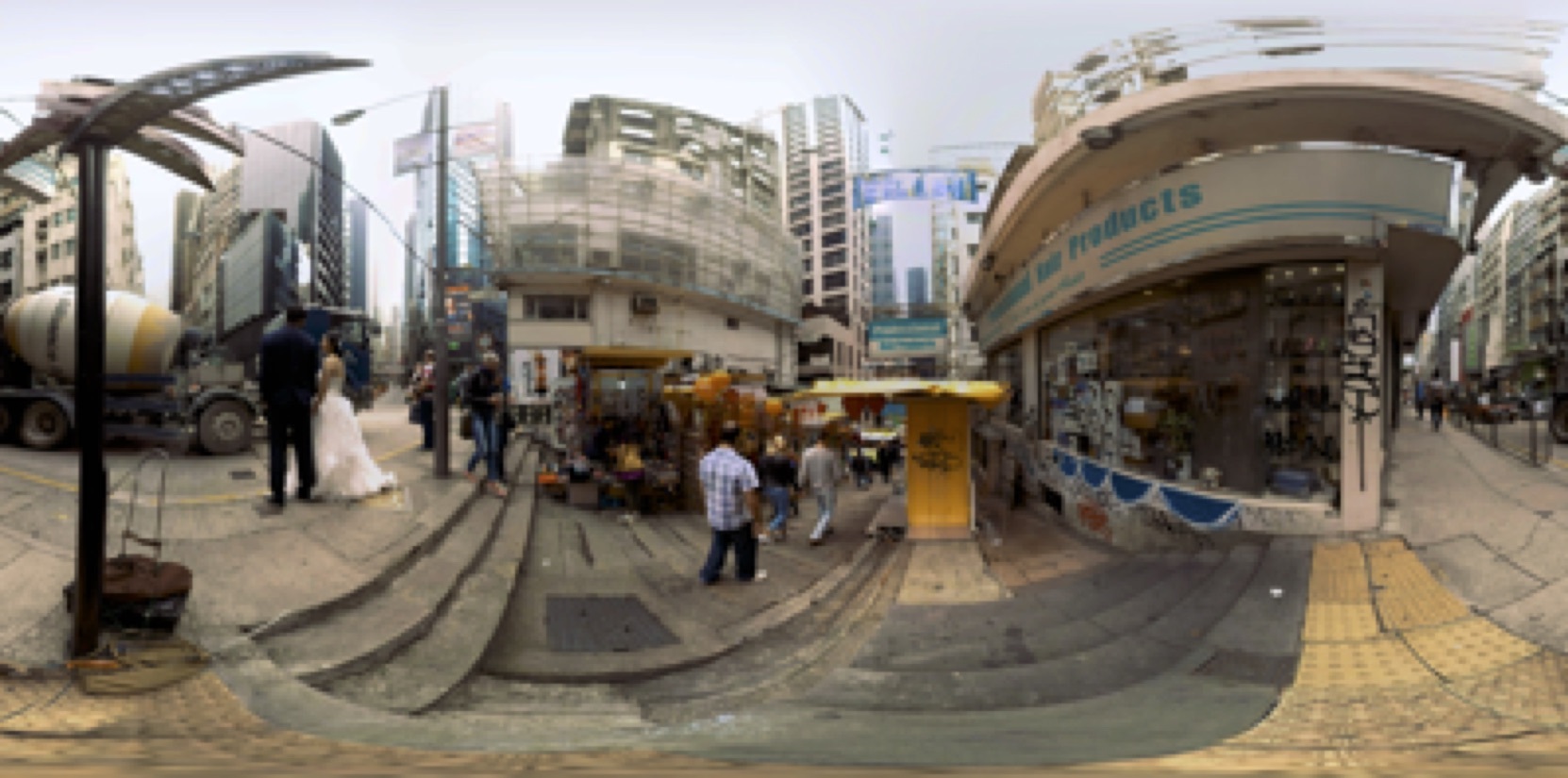 Still shot from Pottinger Street 360 film by Nicholas Buechi. © Nicolas Buechi.
This article draws on experiments with techniques of visual documentation and representation in circumstances of topographic intensity in Hong Kong. Centrally, the authors ask: how can approaches to visual representation reveal or reframe assemblages of material and immaterial processes in hyper-dense and hyper-topographic urban landscapes? The shaping and reshaping of the ground are essential parts of the formation of recombinant ecosystems, especially in intensively built-up environments – the constant reconfiguration of materials and spaces continually brings into being new ecological conditions. However, the visualization and representation of these transformations are often absent from the repertoire of techniques used to map and understand urban processes. This article addresses how landscape architecture can continue to develop methods to record, represent, visualize and design recombinant ecosystems in our urban environments. It considers which tools and techniques might provide ‘thickened’ understandings of hyper-dense, small-scale and intensely topographic urban environments like Hong Kong, with the objective of assisting designers and planners develop new ways to understand and see public space that can address the human and more-than-human nuances of complex urban spaces over time.
April 21, 2020
POSTPONED – ECLAS 2020: Stop and Think
Due to the ongoing COVID-19 pandemic, ECLAS 2020 has been postposed to 2021.
From the committee:
The words were apt. SARS-CoV2 cared not for our plans and scenarios. It set its own agenda, and we must now bend to its logic. We therefore regret to inform you that the ECLAS conference will not take place this year. This decision is a postponement, not a cancellation. Virus permitting, we will gather in September 2021 instead, and our acceptance of your proposal will remain valid until then. We will be sending updates on our planning process, including the possibility to revise or update your proposal, in the months to come. As always you are welcome to ask us questions via email. For the effects of this change on subsequent ECLAS conferences, please visit the official ECLAS website.
January 16, 2020
Call for edited book chapter proposals
Getting Political in the Neoliberal City: Resistance, Transformation, and the Practice of Design for Social and Environmental Justice
Editors: Burcu Yigit Turan, Melissa Cate Christ & Cristina Cerulli
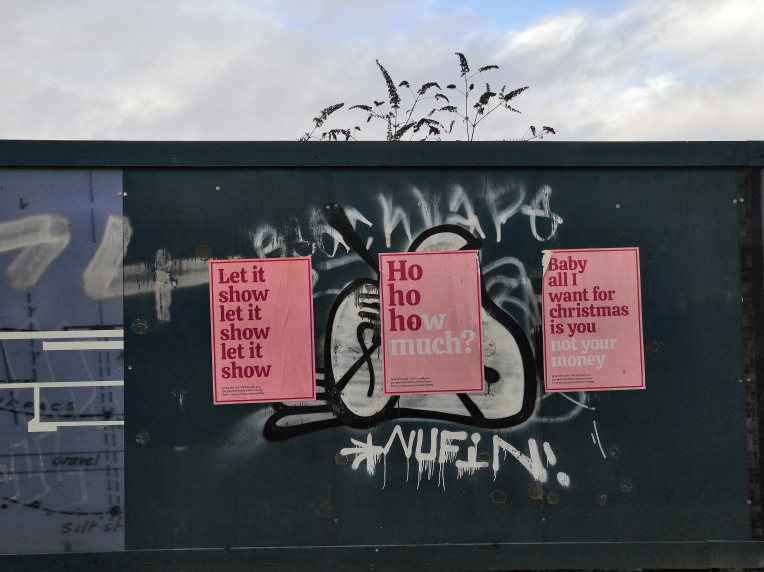
The call for book chapter proposals for our edited volume Getting Political in the Neoliberal City: Resistance, Transformation, and the Practice of Design for Social and Environmental Justice (Routledge, Planning and Urban Design Series) is finally here! We are seeking book chapter proposals which will critically reflect on politicised spatial practices, the democratization of city-making in relation to the current neoliberal context, and the reframing of professional and customary boundaries of planning, design, activism, and citizenship. Rooted in contemporary experiences and cases across diverse geographic contexts, this book will elaborate and theorise on these subjectivities and practices.
Contributors are invited to submit a 600 word proposal with a chapter outline, including a title, b&w image, research question(s), five key references, five keywords, author(s) name(s), current affiliation and e-mail address, a short bio, and a list of recent publications. Please send proposals to neosocialjust@protonmail.com by 16/02/2020.
November 18, 2019
Call for proposals
ECLAS Conference 2020: Stop and Think
Swedish University of Agricultural Sciences (SLU)
Uppsala, Sweden
13-16 September 2020
The Division of Landscape Architecture at SLU (Steering Committee: Bruno Santesson, Thomas Oles, and Burcu Yigit Turan) is the host and organizer of the 2020 ECLAS (European Council of Landscape Architecture Schools) Annual Conference, to be held on 13-16 September 2020.
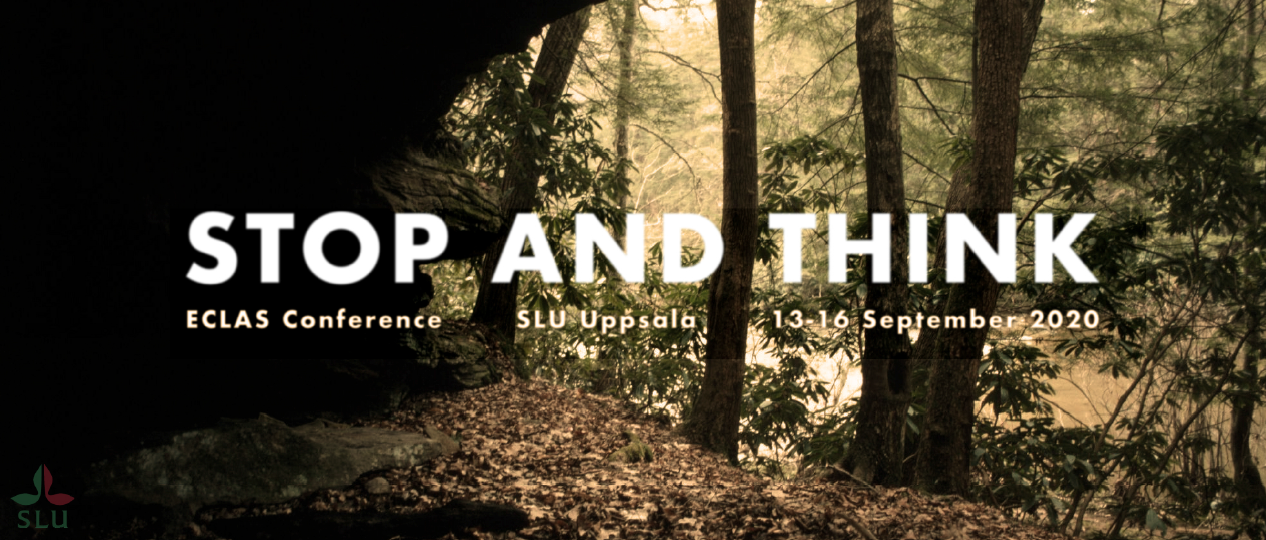
From the announcement:
The conference theme is ‘Stop and Think’. We invite academics and practitioners to pause and critically reflect on different aspects and aftermaths of knowledge production in relation to landscape architecture considering our historical moment. The conference is intended to bring together different disciplinary/interdisciplinary/transdisciplinary perspectives. You can read the full conference call here on https://conference.eclas.org. The deadline for submissions is the 15th of January.
November 07, 2019
Final Review: 11178 Landscape Architecture Studio 4
A dialectic of oneiric and pragmatic islands
Second Year, UTS Bachelor of Landscape Architecture
Subject coordinator: Andrew Toland
Instructors: Andrew Toland and Melissa Cate Chirst
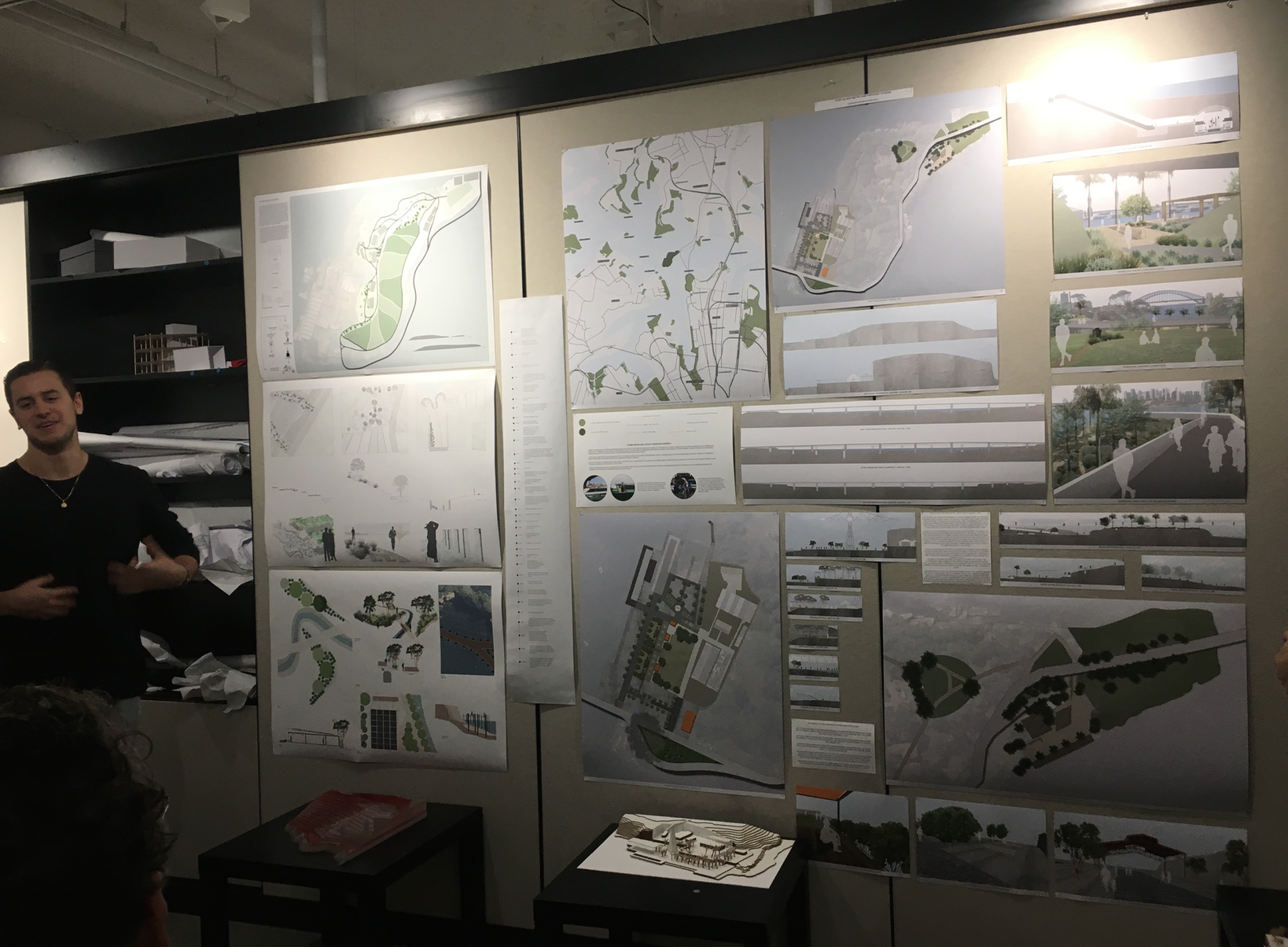
Congratulations to the second year students on their work for our studio, “A dialectic of oneiric and pragmatic islands”. From the brief: The studio will work simultaneously in both these registers – the pragmatic and the speculative. In other words, it will be dialectic and dialogical – it will proceed by means of opposing arguments and conditions, contrasting fantasy with reality, but requiring you to take both equally seriously, and to represent and document each with equal precision. Thanks to our guest reviewers and to the students for their hard work and inspiring and innovative proposals for four of Sydney’s harbour islands!
November 02, 2019
DigitalXPlace published
Placemaking Fundamentals for the Built Environment (Palgrave Macmillian) Ed. Dominique HesCristina Hernandez-Santin.
Andrew Toland, Melissa Cate Christ, Julian Worrall
We are pleased to announce that DigitalXPlace, a chapter written by Andrew Toland, Melissa and Julian Worrall has been published in the edited volume, Placemaking Fundamentals for the Built Environment (Palgrave Macmillian) Ed. Dominique HesCristina Hernandez-Santin. Please find the abstract below and the full chapter is available here.
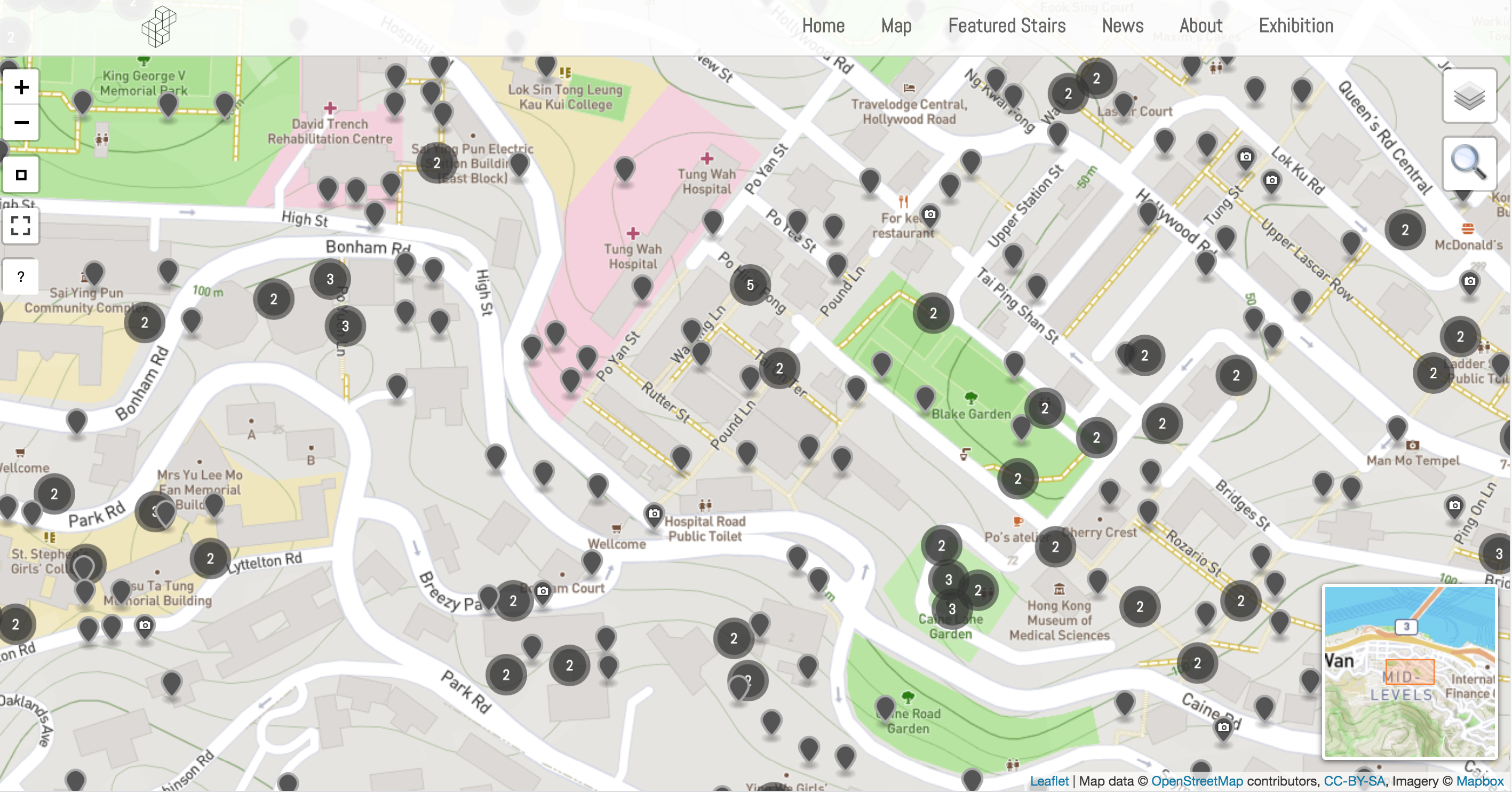
Digital placemaking is a term given to a range of evolving practices that combine emerging digital technologies and placemaking initiatives. Over the past five years, its meaning has significantly shifted as a result of the proliferation of smartphones as mobile technological platforms and the ubiquity of social media. This chapter aims to move beyond the current fashionability of both the ‘digital’ and ‘placemaking’ discourses to provide a critical consideration of various ways in which technology is shaping social-spatial design, research, and practices and vice versa. It considers a number of diverse cases in which urban situations and digital technologies have intersected. Ultimately, however, we argue that the techno-social matrix through which we currently perceive and understand the city is now already deeply suffused with digital media and tools, raising a question as to what the adjectival modifier ‘digital’ actually illuminates. This requires us to refocus our attention back towards the making of places with the most effective tools available, which will inevitably involve a mix of the analogue and the digital.
Keywords
Digital placemaking; Crowdsourcing; Community mapping; Participatory design; Post-disaster; Temporary urbanism .
September 16, 2019
Elaborated photo diaries as tools for problem-setting and concept development within the landscape architectural design studio
Melissa Cate Christ & Andrew Toland
ECLAS UNISCAPE Conference 2019
16-17 September 2019
Norwegian University of Life Sciences (NMBU)
Ås, Norway
Melissa presented her and Andrew’s work on photo diaries in the 2019 ECLAS UNISCAPE conference – Lessons from the past, visions for the future: Celebrating one hundred years of landscape architecture education in Europe. More information on the theme of the conference is here, and the conference program is here.
September 12, 2019
Investigating the formation and development of landscape architecture curricula
SLU, Uppsala, Sweden
1-2pm, Room TBC.
Please join Melissa for the presentation of her project, “Investigating the formation and development of landscape architecture curricula”. The seminar will include her presentation, followed by time for questions and a discussion. All are welcome.
June 01, 2019
Stair Quest workshop
Magic Lanes, Shop 7 Yee Fung Court, Sheung Fung Lane, Sai Ying Pun, HK
3-6pm
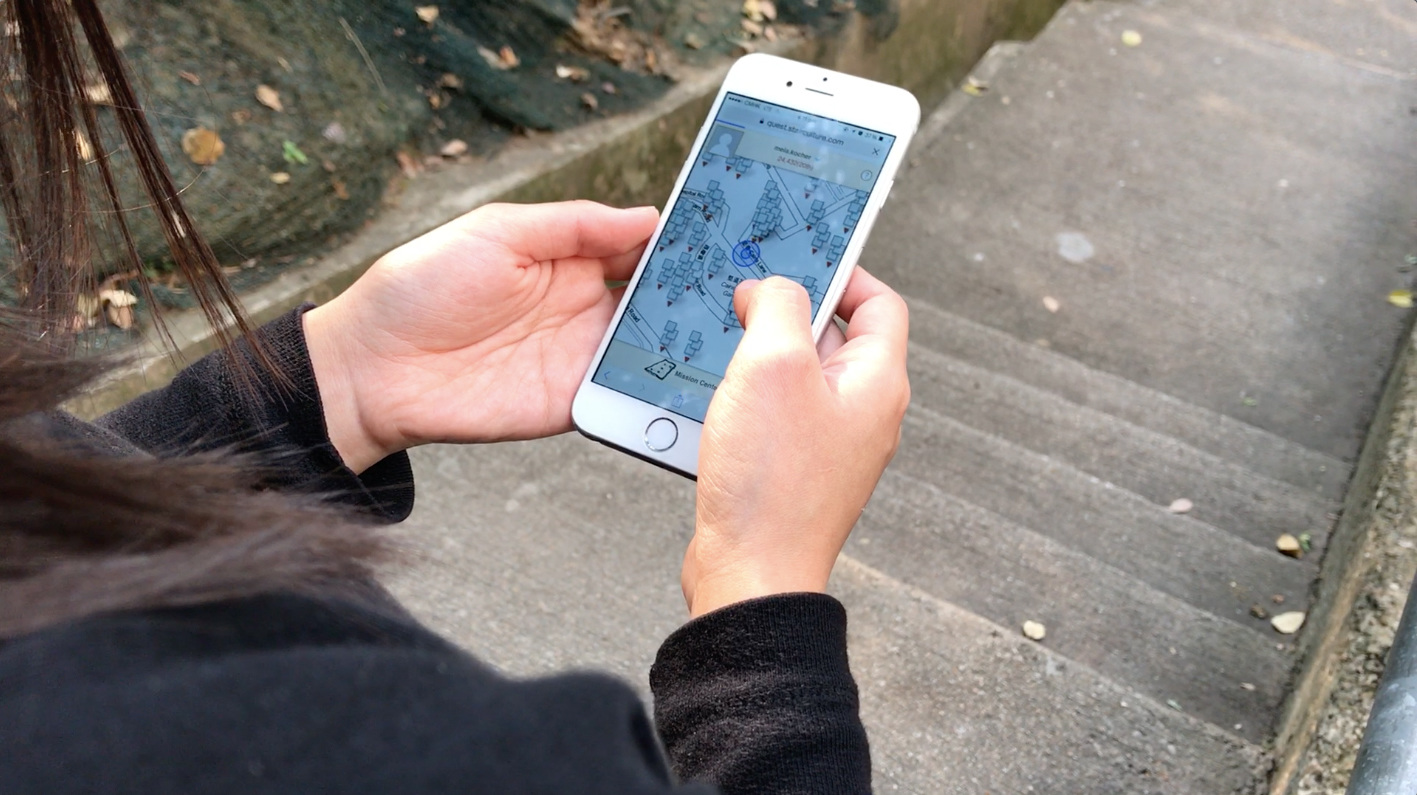
Please join us at the Hong Kong Stair Archive for the second round of the Stair Quest game workshop! And this time, we will collaborate with photographer, architect Hans Leo Maes.
What to bring | A fully charged smartphone
Agenda | The workshop will consist of a short tutorial on taking photos of stairs with architect Hans Leo Maes and an introduction to the workings of the game, then we will set out to play!
******************************************************************************
“A long, long time ago, there was an epic battle between mighty dragons. Hong Kong’s protective dragon fell and was shattered into more than 3000 pieces. The turned into stone and the dragon’s spirit has since been buried in the stairs of Hong Kong Island”
Stair Quest is an urban game — a game that is played by walking around in the city with your smartphone. Stair Quest is also a serious game: you are helping the Hong Kong Stair Archive project by gathering data on stair culture. Together with Melissa, the lead for the project Hong Kong Stair Archive, you will play the mobile phone game, solve quests, and help free the Spirit Dragon! All ages are welcome.
Stair Quest was designed by Stefan Schmidlin and Mela Kocher, and has been updated by Darcy Christ.
What device do I need to play the game?
You need a recent Android smartphone or an iPhone with a data plan to play. While playing, please make sure that your GPS location services are enabled. It is not possible to play Stair Quest with a computer.
What is the privacy policy?
While you are playing, your location will be tracked, but we do not store any location data on our server other than your stair check-ins. We do, however, use Google Analytics to improve the game experience and track its success. Also, we use Facebook as a login to protect us from spam users, but we do not read your profile information or send data back to Facebook.
By playing this game, you are consenting to allow your anonymized player data (such as in-game content) be used for research related to stairs and Hong Kong’s Stair Culture.
Check out the event post here.
March 15, 2019
Book Launch
STEP UP-Hong Kong stairs as productive public spaces
O2 Hair Studio, Wa In Fong East Terrace, adjacent to the Shing Wong Street stairs
6:30pm
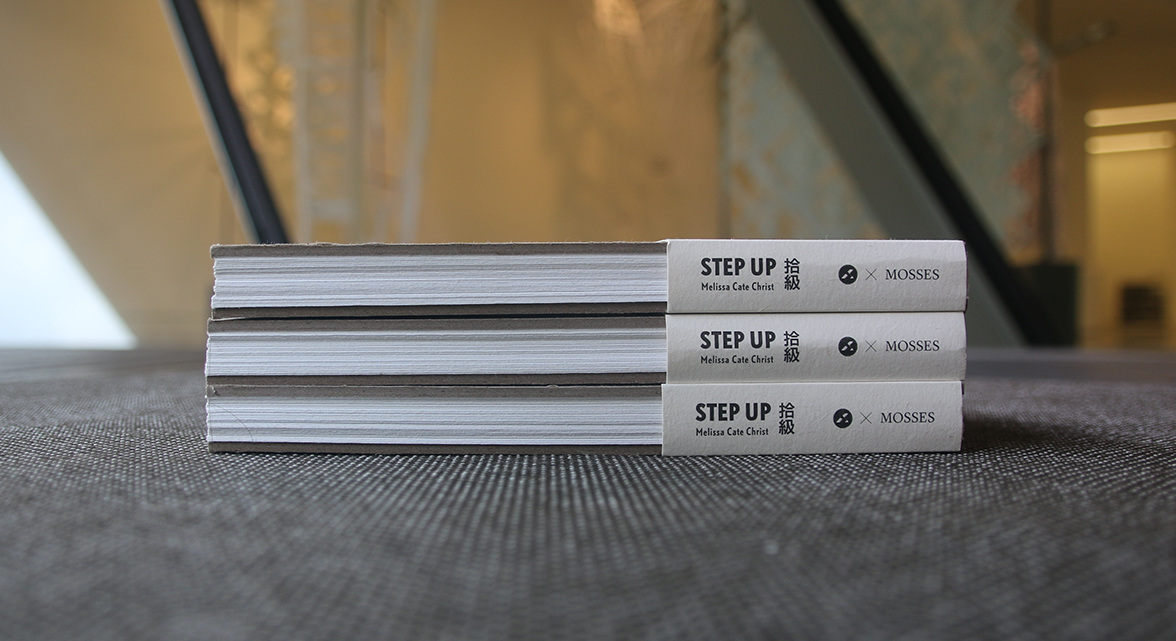
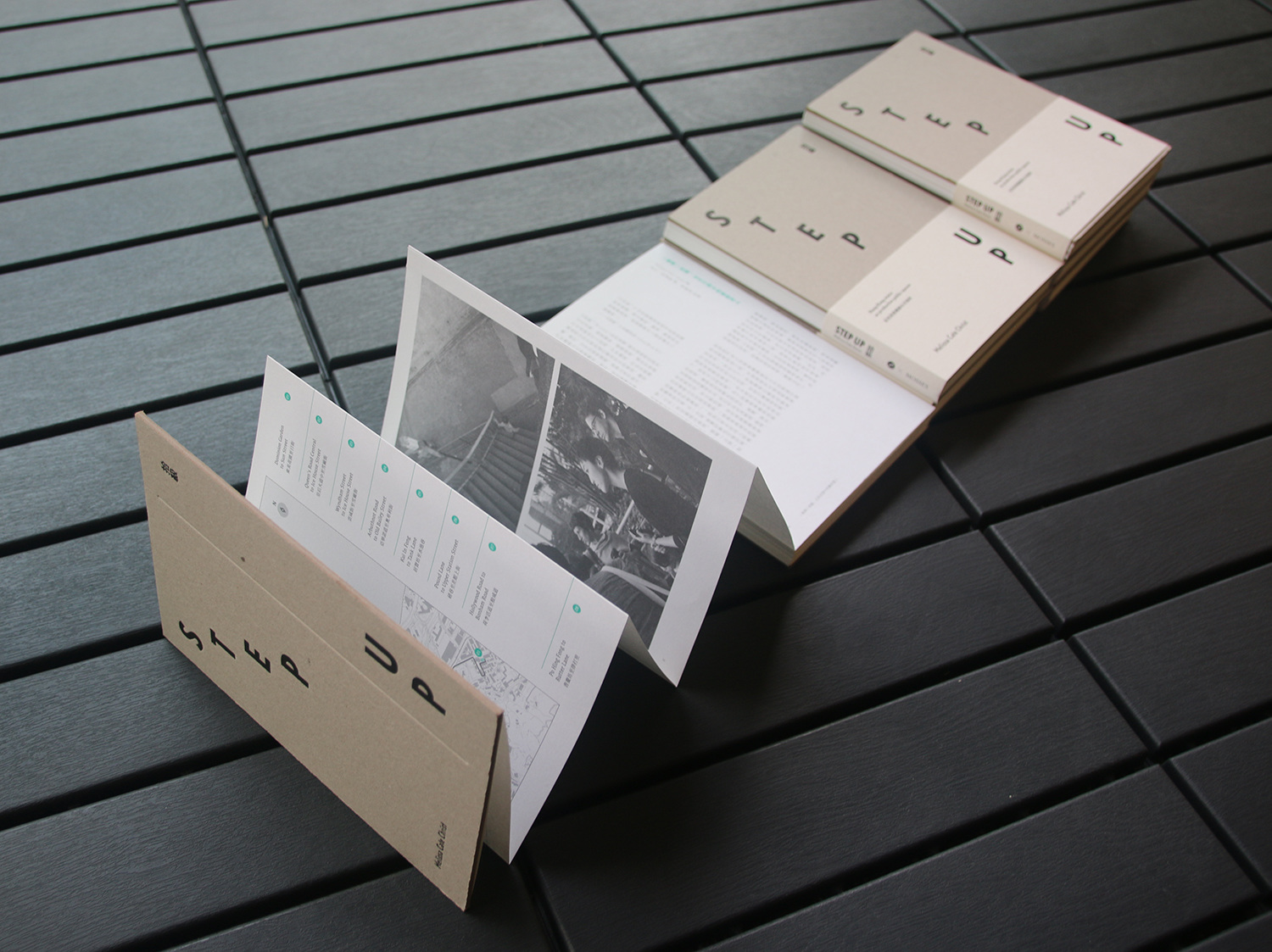
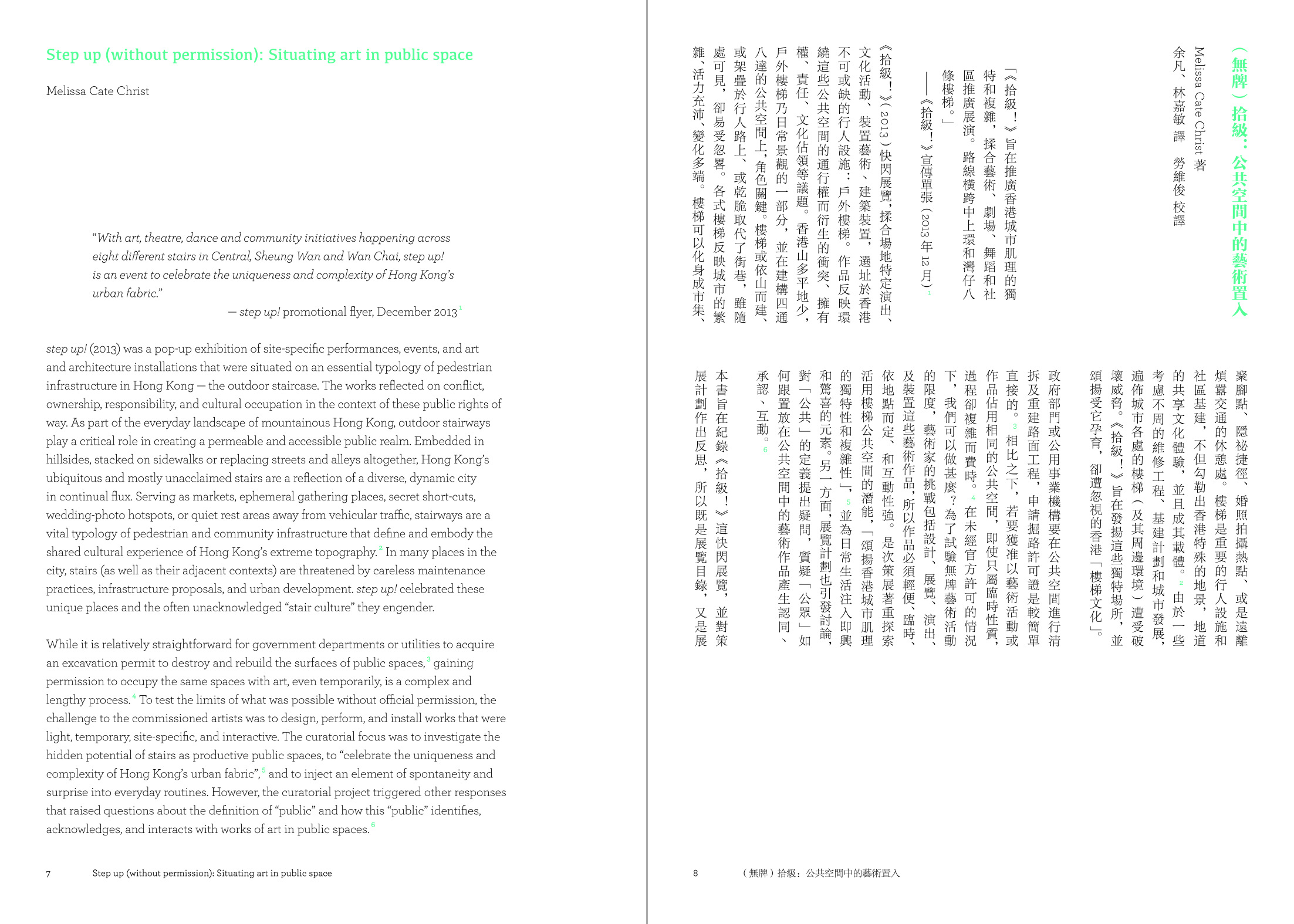
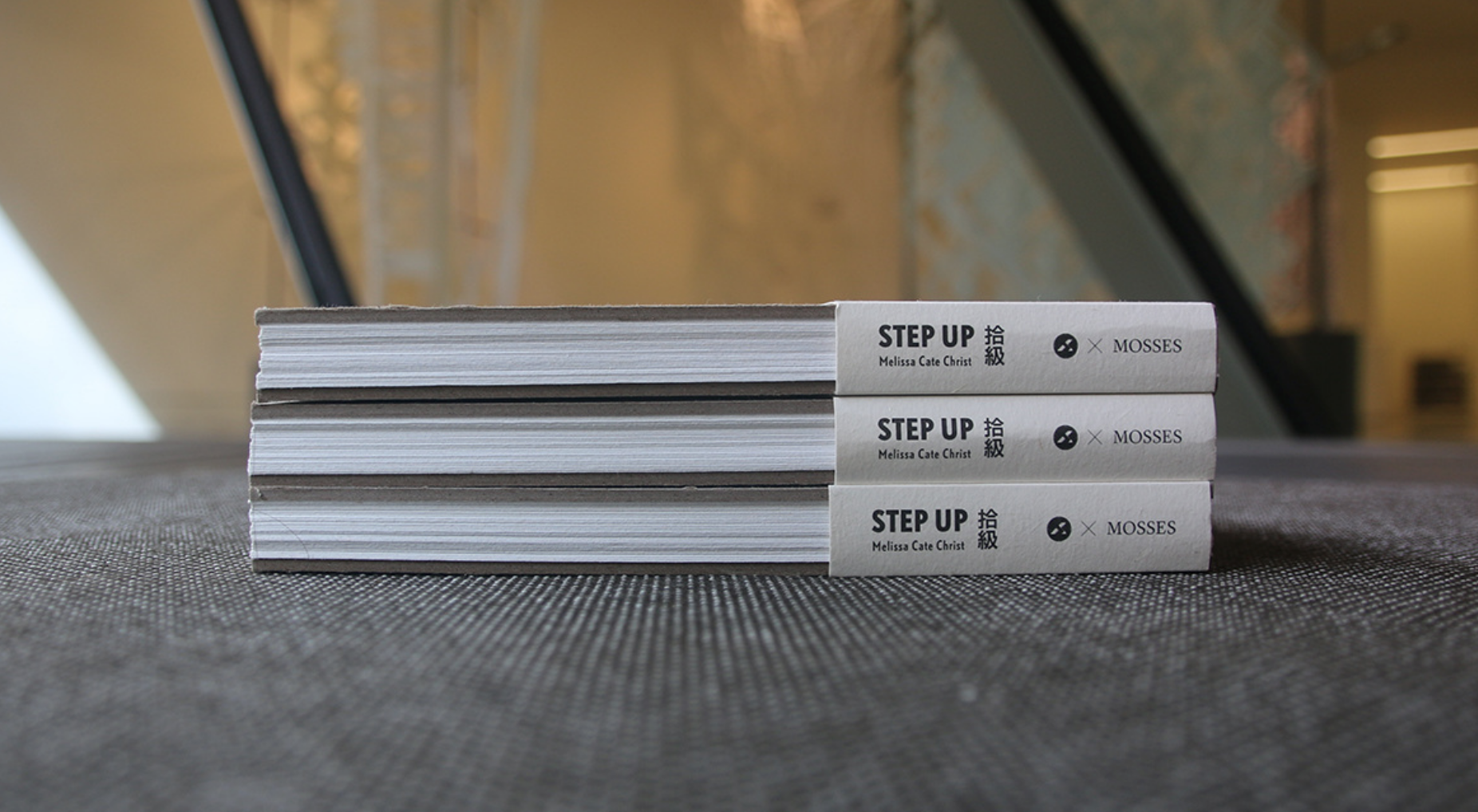
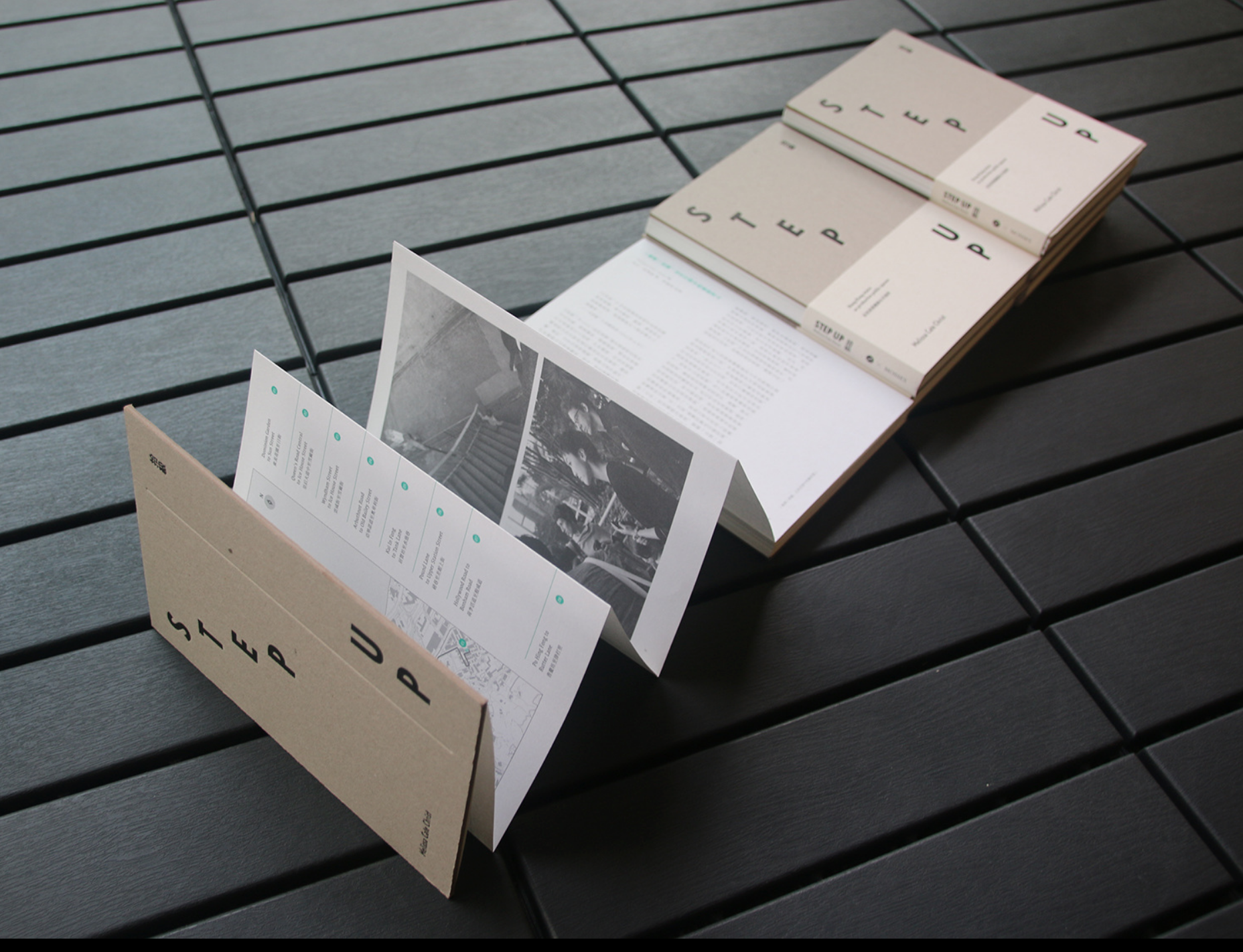
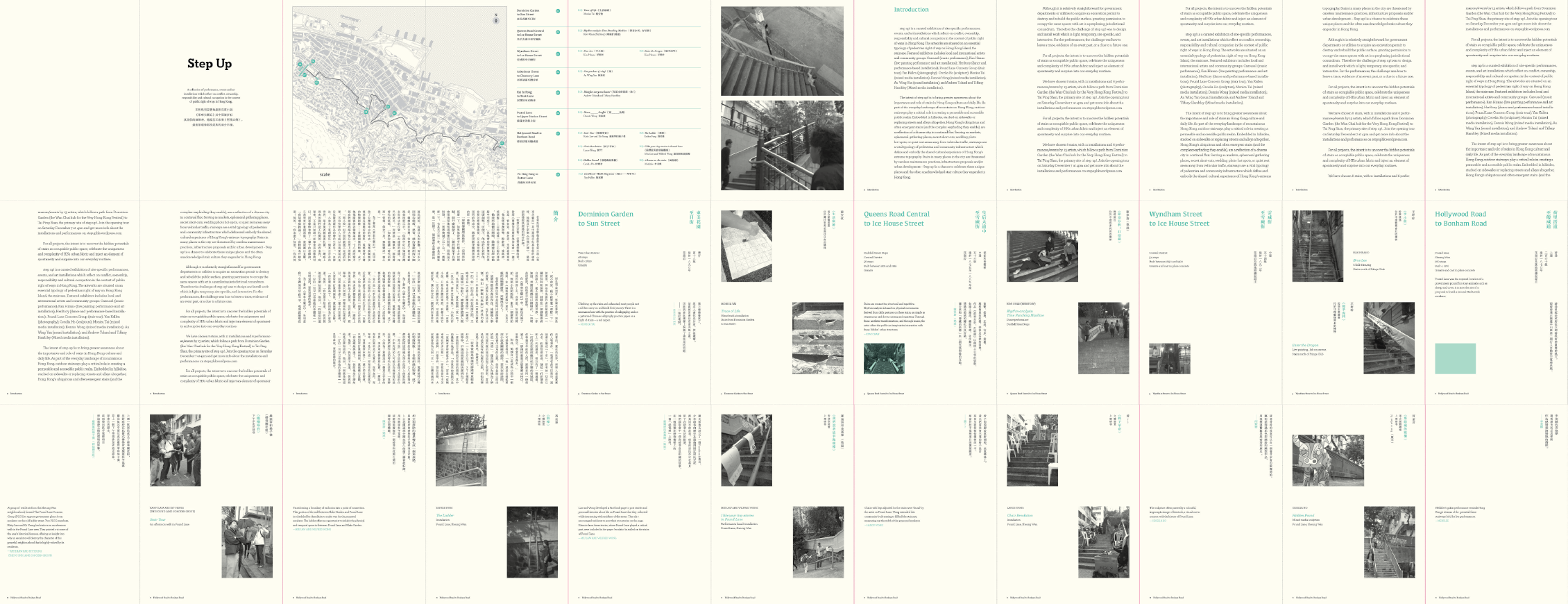
Please join us for the long awaited launch of the book STEP UP - Hong Kong stairs as productive public spaces
Published by transverse studio & MOSSES
Bilingual; 60 pages
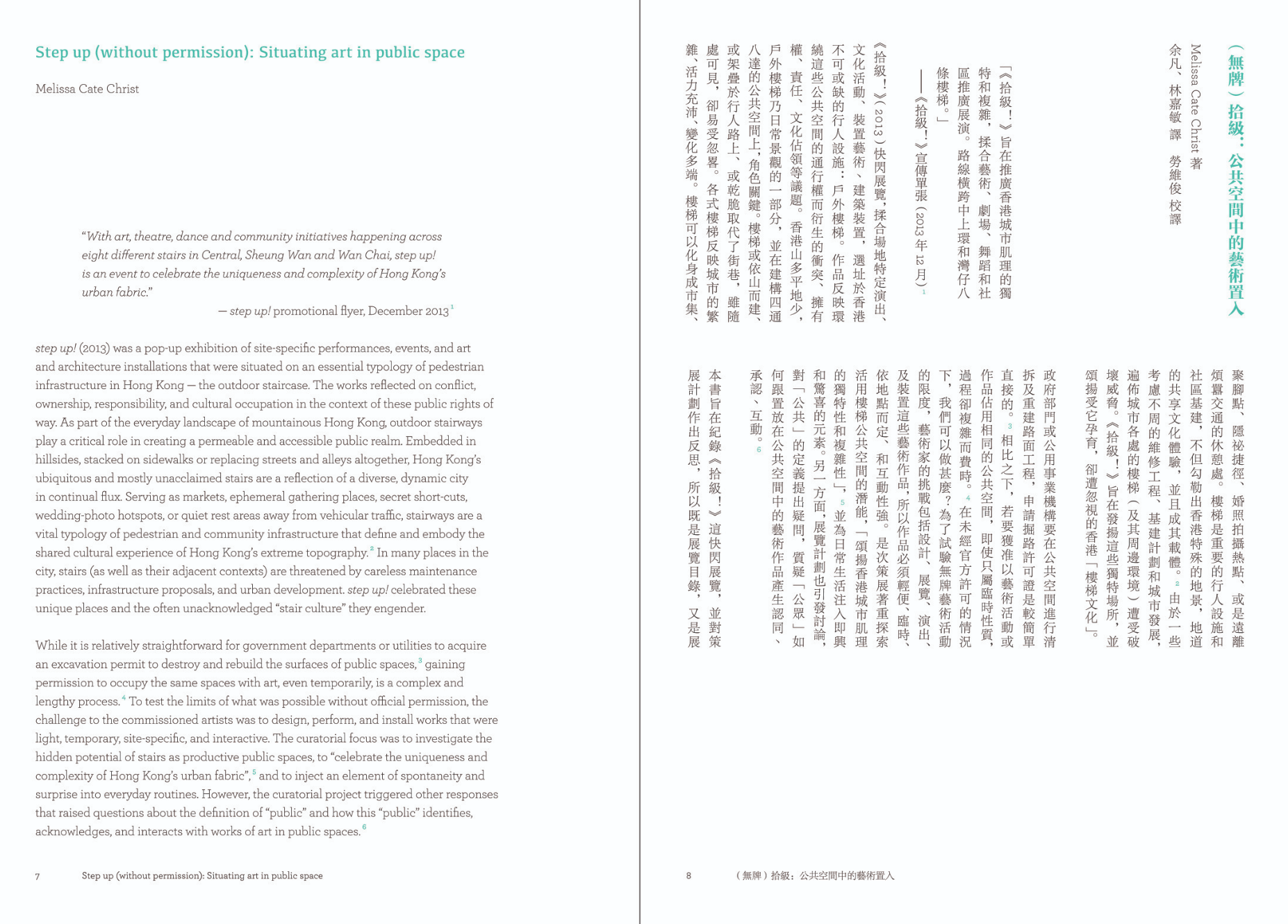
With an introductory essay by Melissa Cate Christ
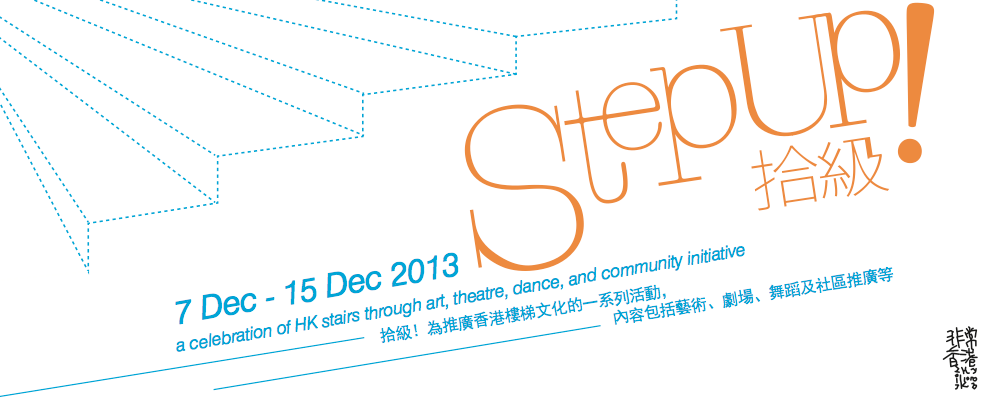
Part exhibition catalogue, part archive, and part provocation, this publication documents step up!, a 2013 pop-up exhibition of site-specific performances, events, and art and architecture installations that were situated on an essential pedestrian infrastructure typology – the staircase. The works reflected on conflict, ownership, responsibility and cultural occupation as a way to celebrate the uniqueness and complexity of Hong Kong’s urban fabric. Visit the refurbished exhibition website here and purchase the book here. For additional information or enquires about purchasing the book, please contact Melissa Cate Christ at melissa@transversestudio.com.
The informal launch will start at 6:30pm, 15 March 2019 in the 30 Houses neighborhood, at 02 Hair Studio, located on Wa In Fong East Terrace, adjacent to the Shing Wong Street stairs. Books will be also available for purchase, and the artists and publishers will be on hand, along with drinks and snacks. Join us to celebrate Hong Kong’s stair culture, grassroots communities, and cultural heritage!
Google map here: G/f, 17 Wa In Fong East, Central, HongKong.
October 05, 2018
Selections from the Hong Kong Stair Archive
Melissa Cate Christ and Susanne Trumpf
part of the exhibition Sparkle! Journal of a City Foot Soldier
Curator: Sara Wong
Oi!, 12 Oil Street, North Point, Hong Kong
October 05, 2018 – January 06, 2019
Opening Reception: 6:30pm, October 05, 2018
Please join us at the opening reception for the exhibition Sparkle! Journey of a City Foot Soldier, curated by Sara Wong.
From the exhibition catalog:
This installation includes re-interpreted selections from the Hong Kong Stair Archive. The work responds to the theme of the exhibition, Journey of a City Foot Soldier, in that they re-envison a commonly (un)seen typology of pedestrian infrastructure: the outdoor public staircase. These everyday shortcuts define the topography of many parts of Hong Kong, ones which can only be experienced through walking. Through the change in pace required to carefully, and often slowly, navigate these structures, new juxtapositions and adjacencies are discovered, creating new connections between the city and the walker, whether tourist, flaneur, commuter or local resident.
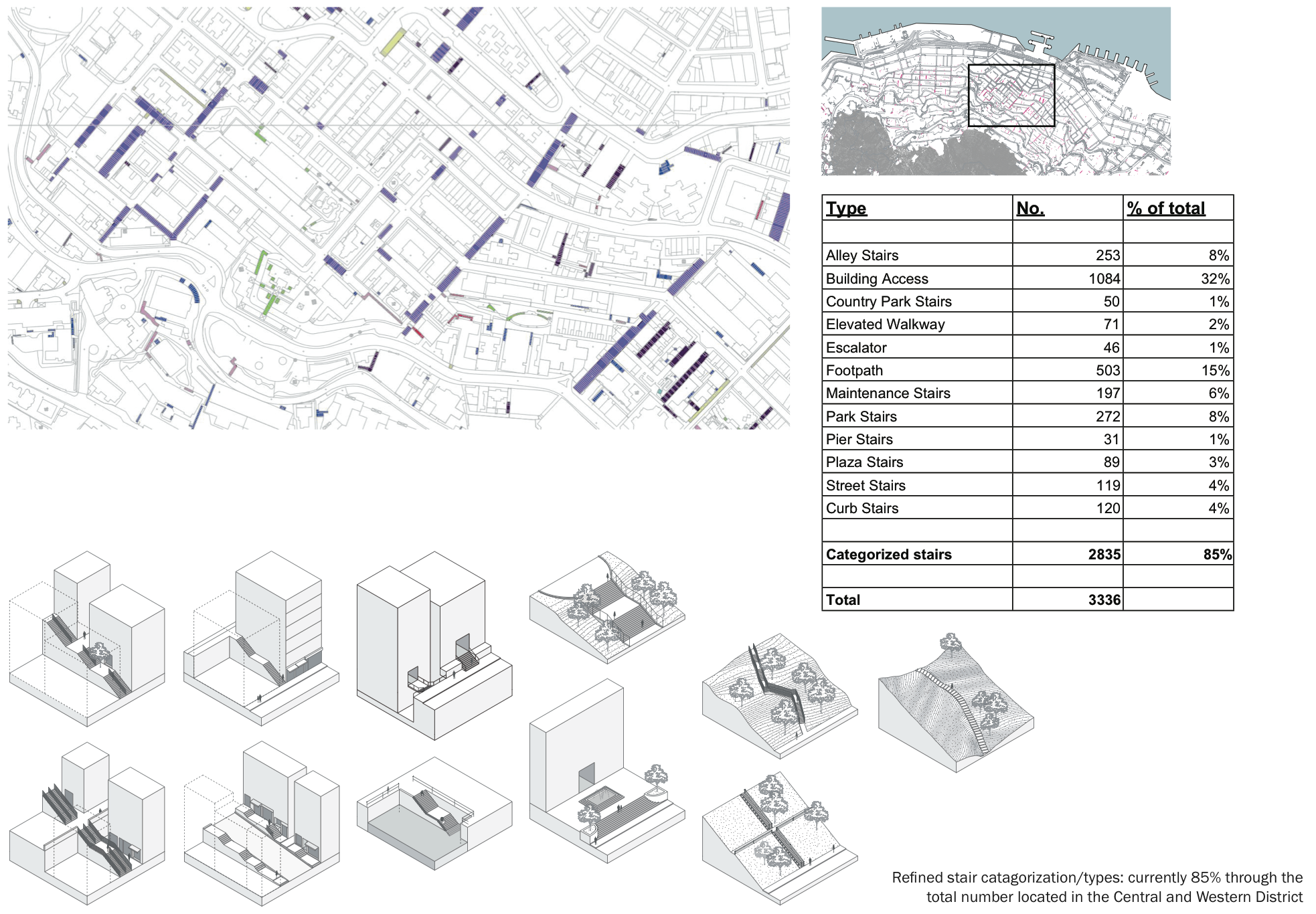
The Hong Kong Stair Archive (HKSA) is a collaborative pilot project to research and document outdoor stairs, initially a selection located primarily in the Central and Western District of Hong Kong Island. http://stairculture.com/archive/ The HKSA is part of Stair Culture, a long term research and curatorial project undertaken by Melissa Cate Christ/transverse studio in collaboration with various artists, designers, students, curators, and cultural and educational institutions as a platform to investigate the role of stairs in defining the topographic urbanism of Hong Kong. http://stairculture.com/
本裝置重新詮釋了「香港樓梯文獻庫」三個項目,再次想像公共戶外樓梯這種行人設施,內裡尋常(不)可見的類型學。這些日常捷徑界定了香港許多地方的形貌,唯有步行者得以體會箇中趣味。行人踏著著緩慢謹慎的步伐,遊走於一段又一段的通道,不時會發現結構迥異的並置與接續。而這些新發現,便創造出城市與行人之間的連繫,不論那人是旅客﹑漫遊者﹑上班族,或居民。
「香港樓梯文獻庫」是個試驗性協作項目,旨在紀錄香港本地戶外樓梯,以香港島中西區為主。 http://stairculture.com/archive/
「香港樓梯文獻庫」是長期研究及策展計劃「樓梯文化」的子項目,由Melissa Cate Christ/transverse studio 主理, 與香港藝術家、設計師、學生、策展人、文化機構及教育團體合作,以計劃為平台,探索樓梯作為城市日常景觀,如何定義香港的特色。
http://stairculture.com/
More information on the exhibition and venue here.
September 17, 2018
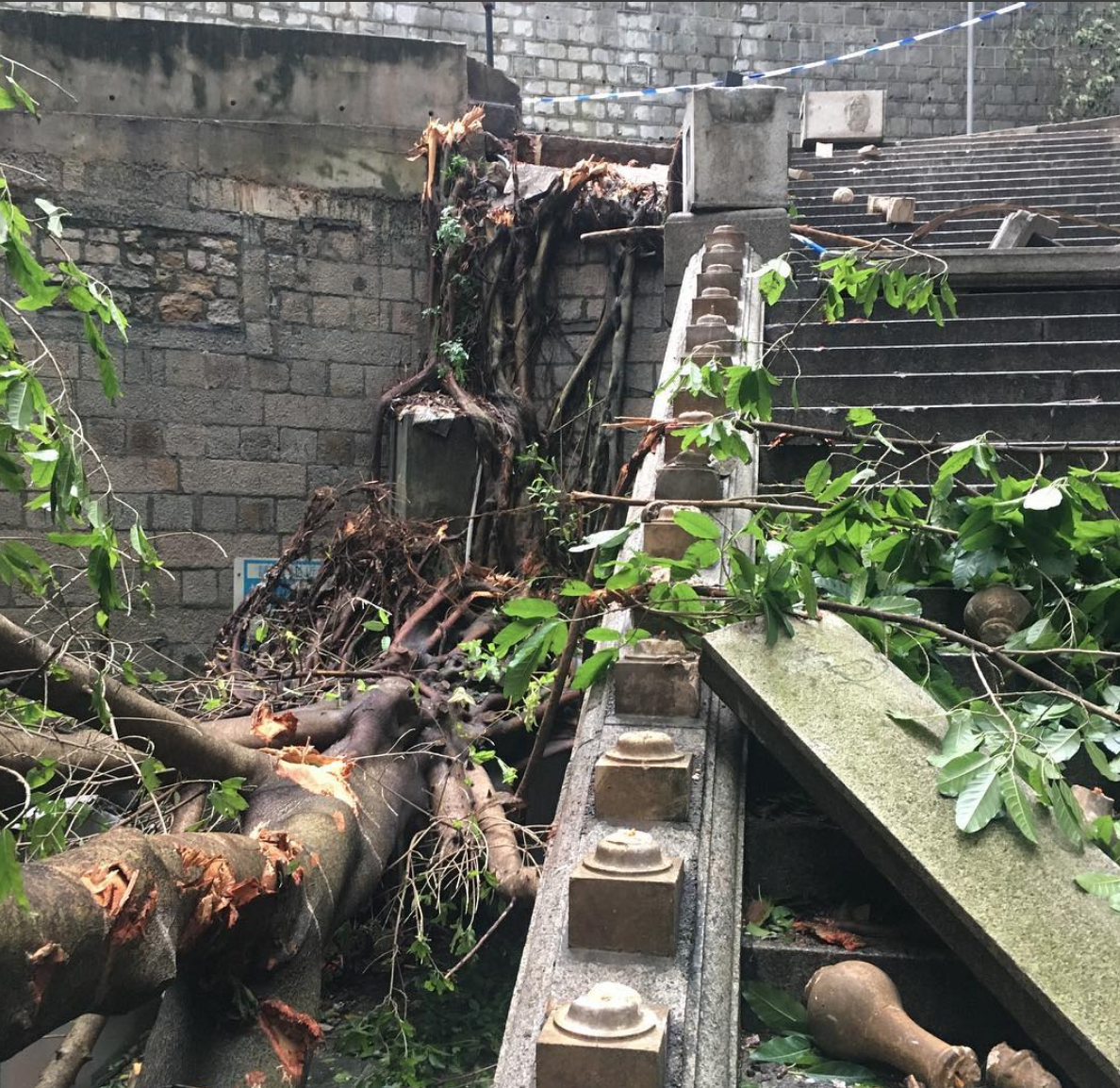
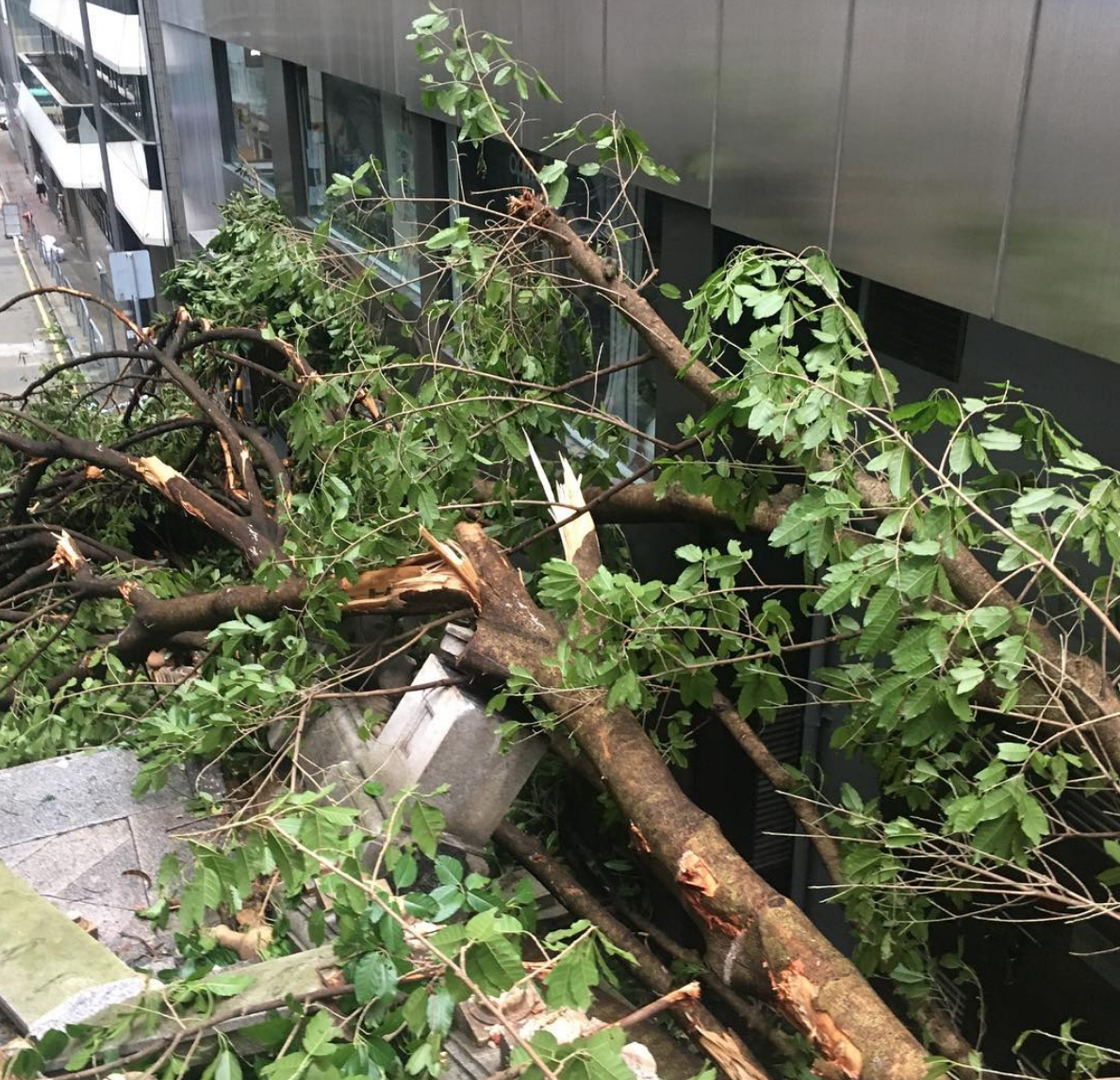
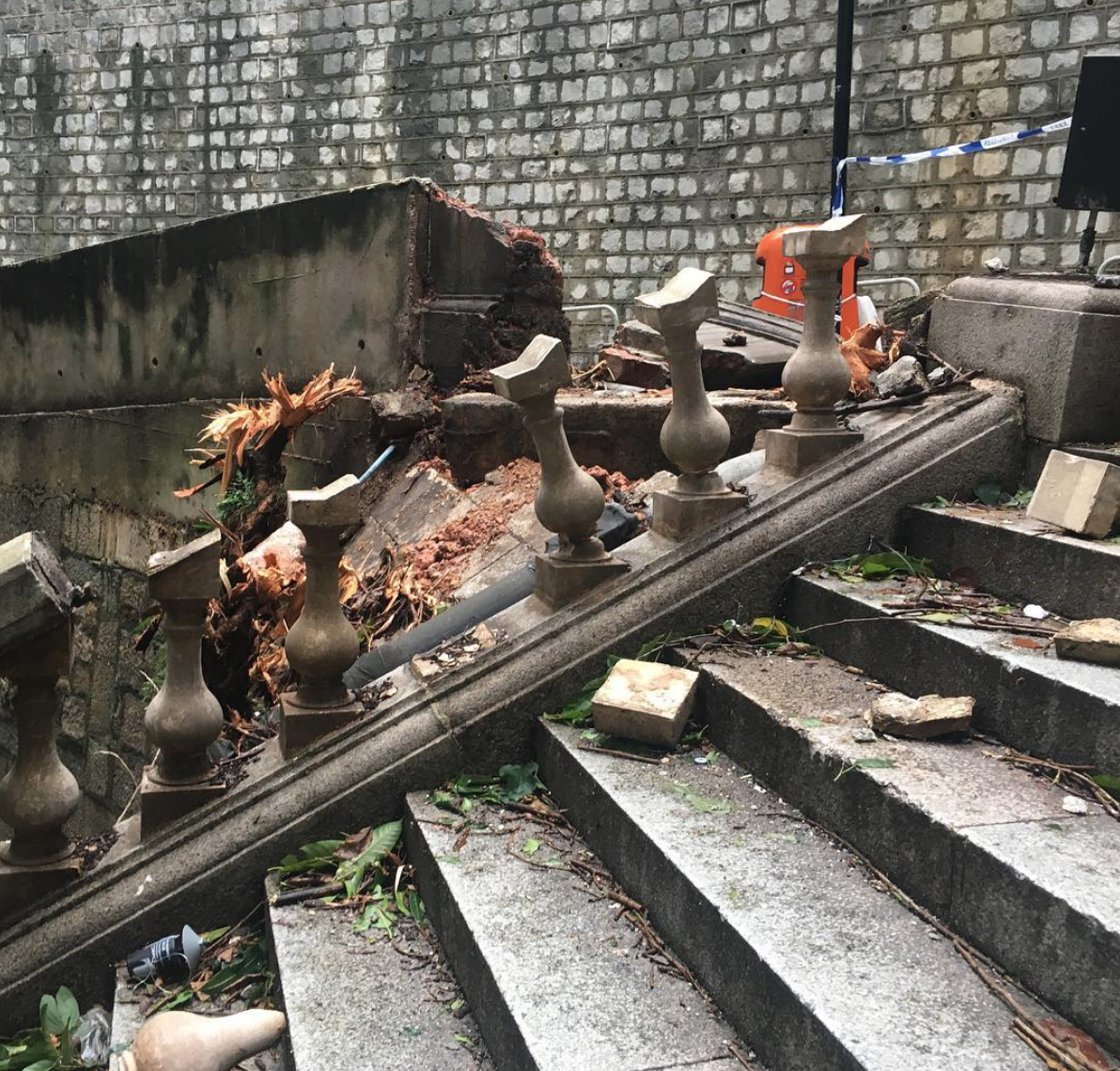
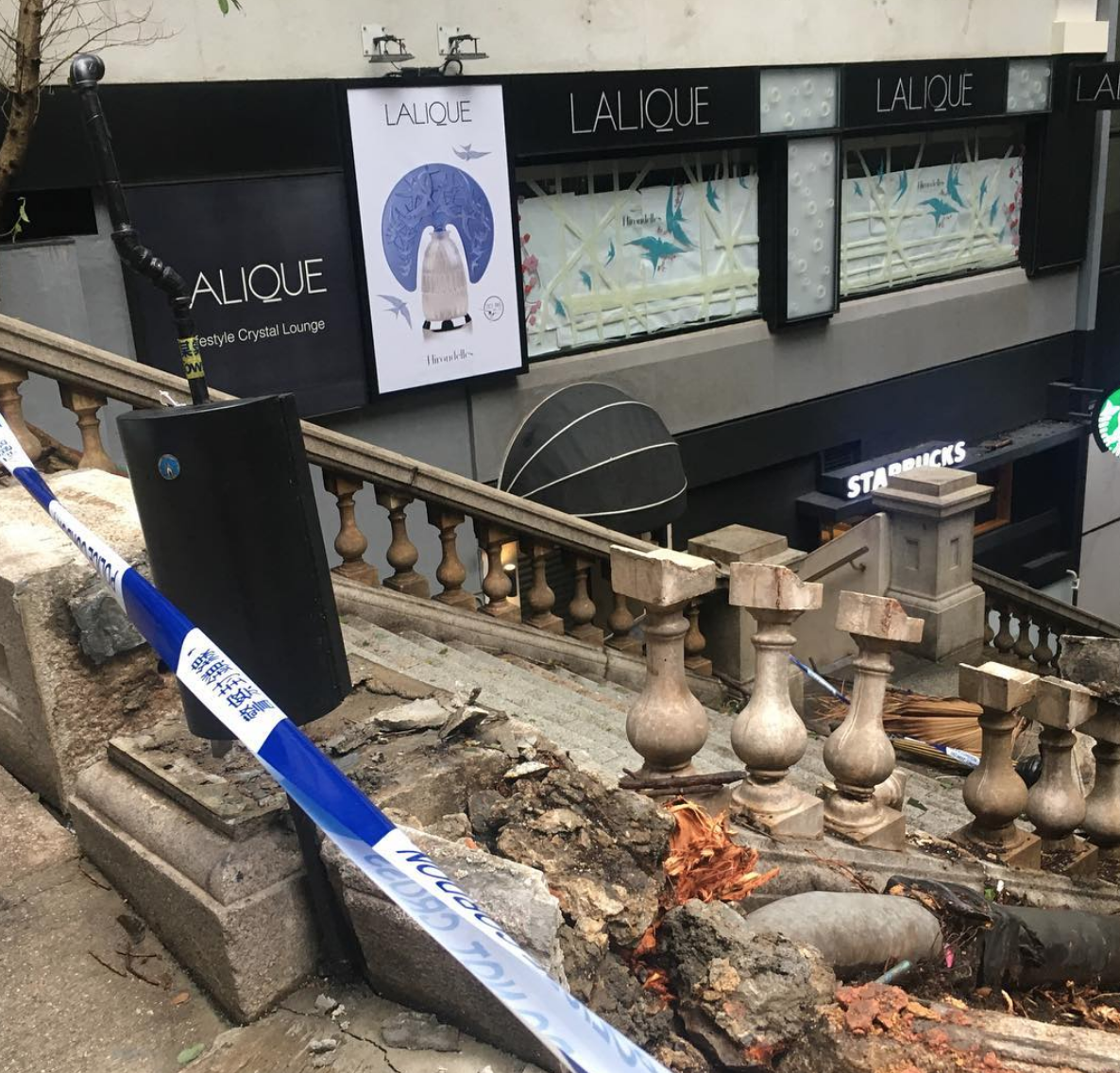
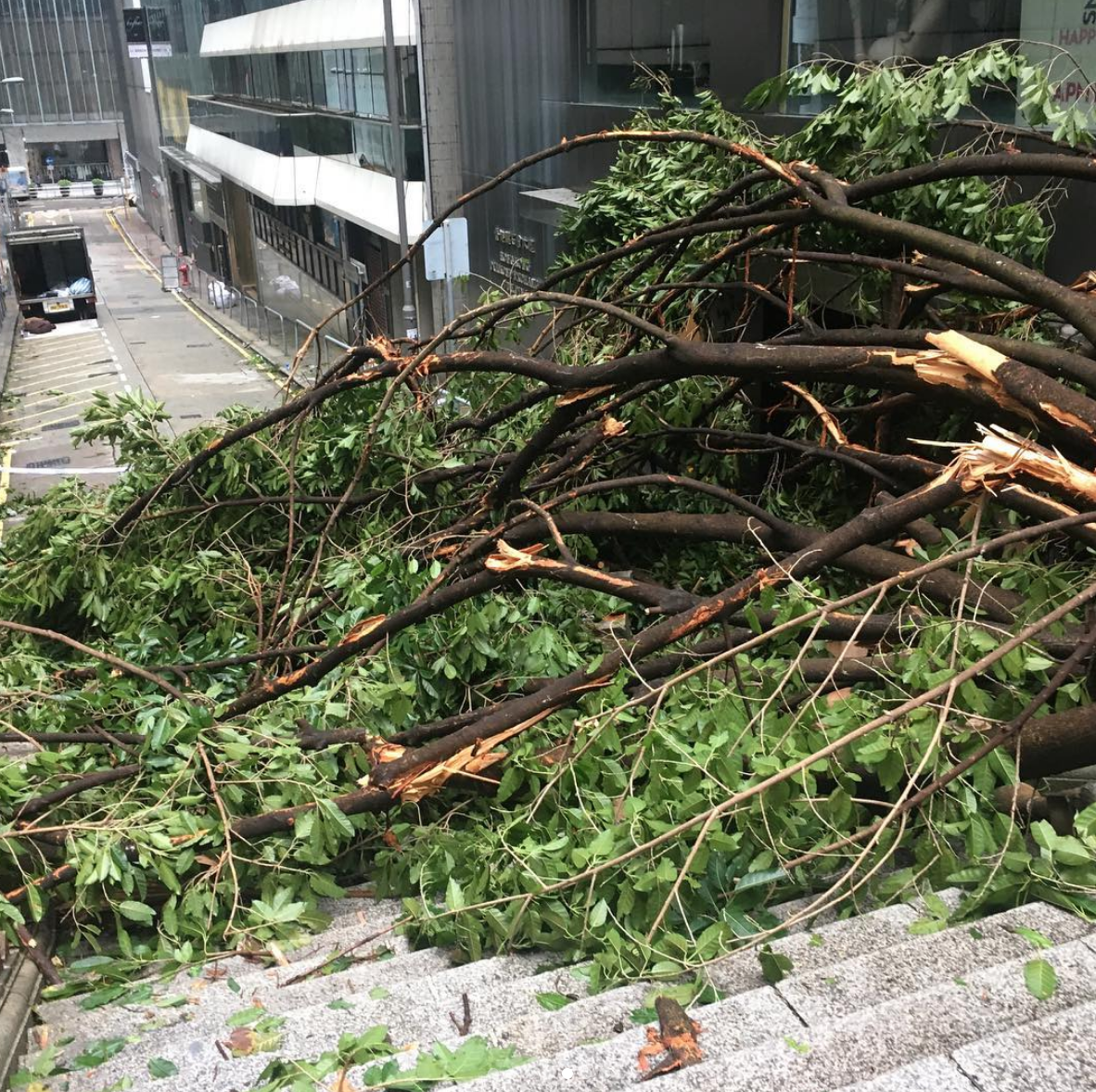
“Typhoon Mangkhut battered Hong Kong’s storied history”
Interview for Washington Post
Melissa was interviewed and quoted in the Washington Post’s article about the damage Typhoon Manghut wrecked on Hong Kong’s built heritage and its trees. From the article:
“The damage, which will take days for authorities to assess and clean up, has preservationists calling for a more thoughtful way to repair Hong Kong and prepare for the city’s “new normal” — the reality that typhoons such as Mangkhut will be more frequent and more severe in years to come. “If this is the new normal, then we need to rethink how things are built and how they are supported,” Christ said. The focus, she added, should be on how to build “a sustainable and resilient Hong Kong in the face of climate change.”
September 15, 2018
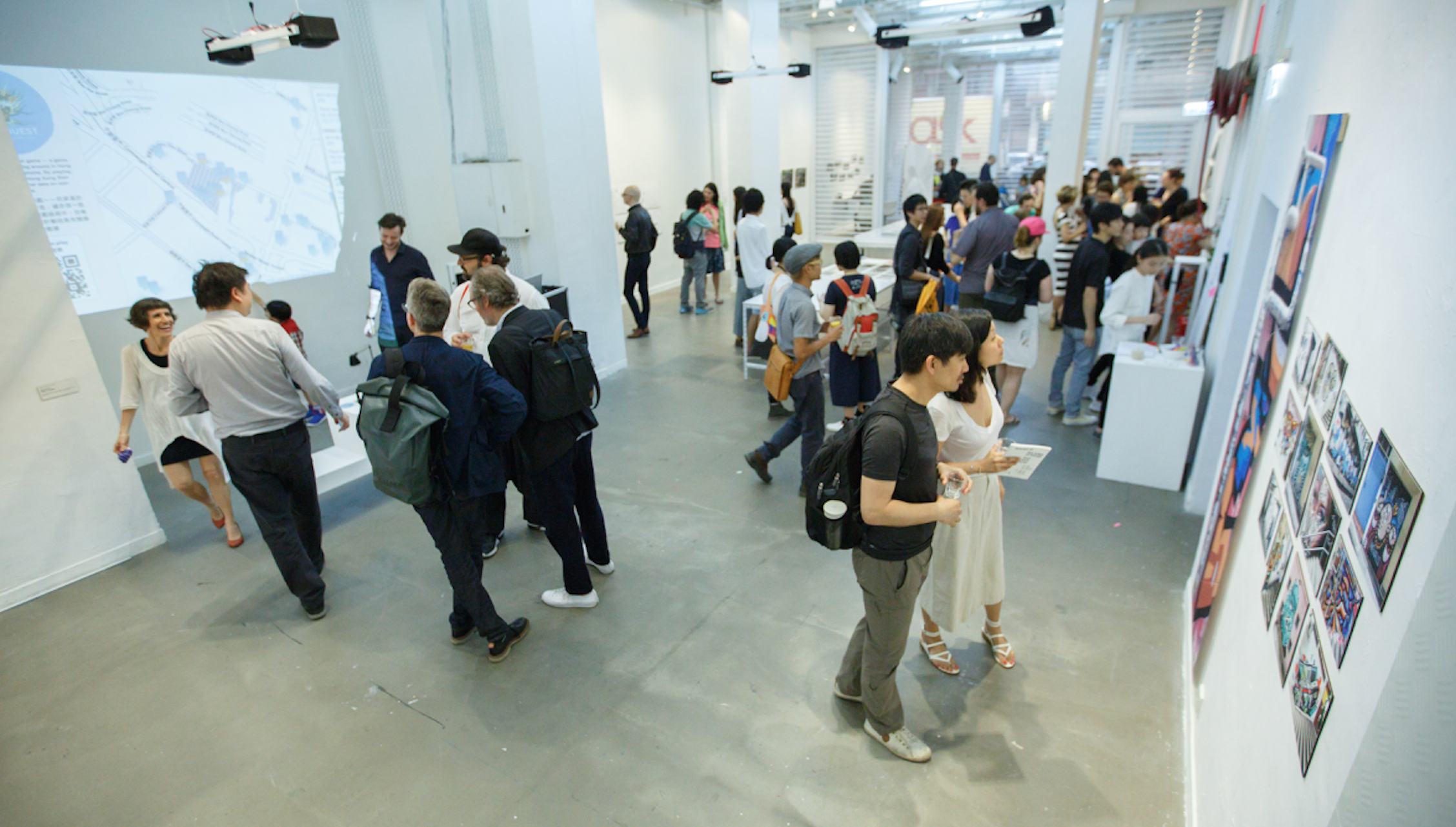
Always at the edge of things and between places: Curating from the Hong Kong Stair Archive
SD5019 Design Criticism and Visual Arguments: Curating Design Practices
7-9pm
Melissa was invited by Prof. Laurent Gutierrez to lecture on the research and curatorial philosophy and practices behind the 2017 exhibition for the HKSA archive project, always at the edge of things and between places. Thanks to Laurent for the invitation to reflect on these practices and to the students for their insightful questions.
August 07, 2018
Urban villages, protest camps, and stairs as public space: Hong Kong urban landscapes
School of Architecture, Level 5, Architecture Foyer
University of Technology Sydney
1-2pm
Please join Melissa for her KTP Fellow lecture at UTS. Many thanks to Andrew Toland and the UTS Key Technology Partner Visiting Fellow Program for their support.
July 03, 2018
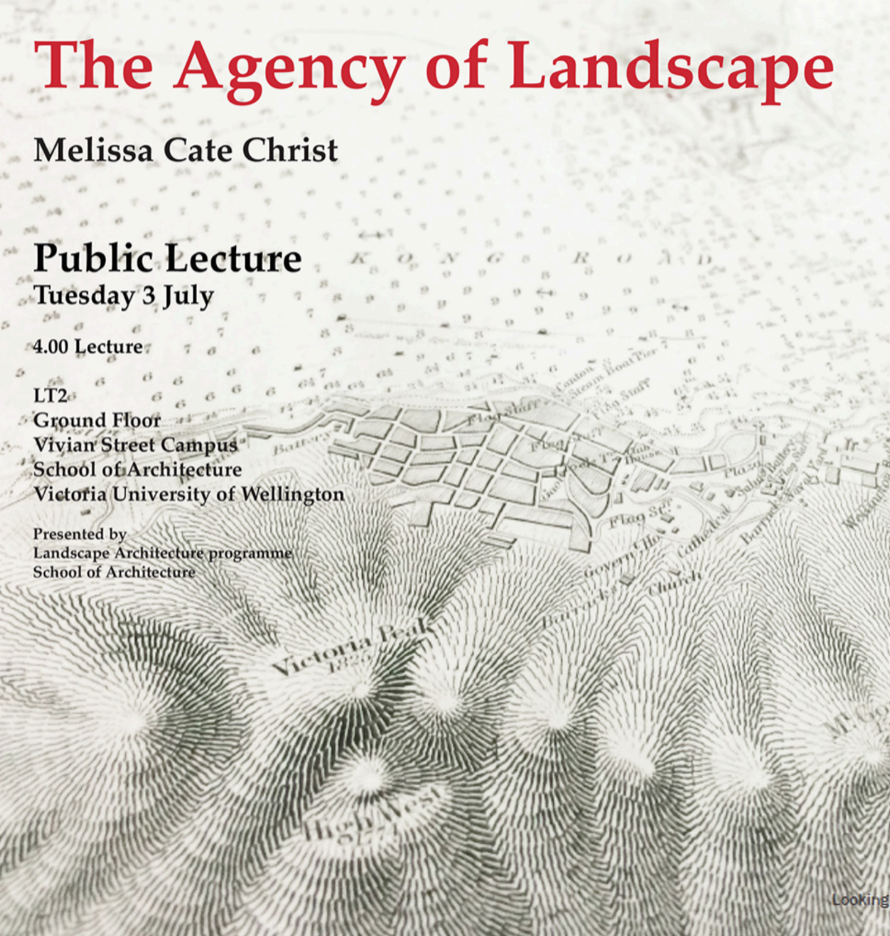
The Agency of Landscape
LT2, Ground Floor, Vivian Street Campus
School of Architecture, Victoria University of Wellington
4pm
Please join Melissa for a lecture at VUW about her recent work – all are welcome!
June 26, 2018
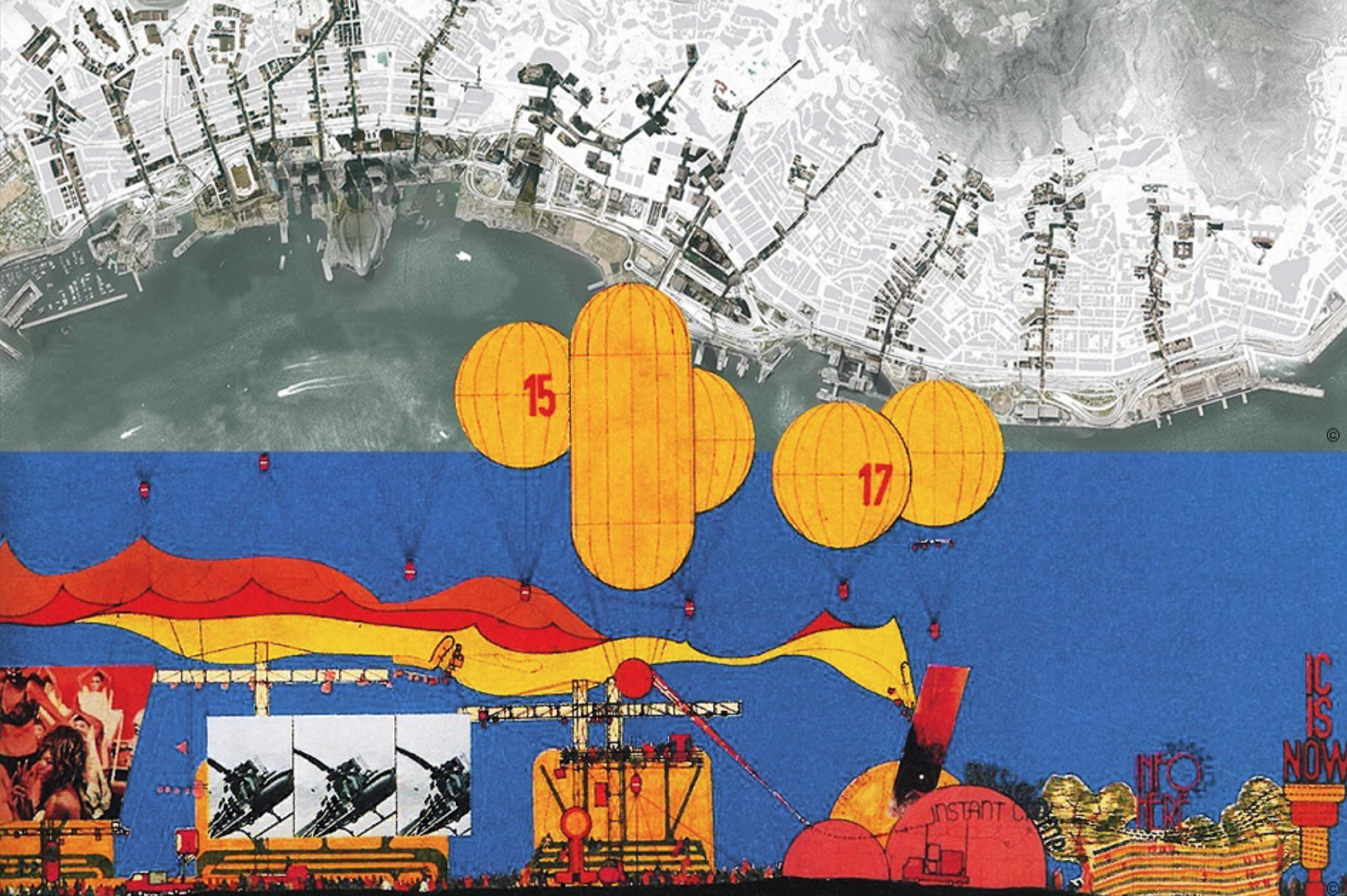
Discussion on Central Waterfront, its Landscape, and Urban potentials
part of the exhibition Archigram Meets Central
HUB (S710-711), 7/F, Block A, PMQ, 35 Aberdeen St
14:30-16:30
Invited panelists: Melissa Cate Christ, Michael Kokora, Valarie Portefaix, Tiffany Lau; Moderator: Prof. Nasrine Seraji, Head of Department of Architecture, HKU
Please join us for a discussion of the future of the Central Waterfront, including the questions: 1) What kind of inner city development does HK need?; 2) Can Central adopt a more balanced method of dealing with its heritage conservation and urban renewal?; 3) Can Central develop a more multifaceted economy beyond the repetitive construction of shopping malls and boosting retail activity?; 4) Can Central find a more sensitive approach, not only to its economy but also to its social fabric and cultural life, as well as its architecture and urbanism?; and 5) Can architecture, landscape and urbanism reclaim Central? More information on the exhibition and all the discussion panels here.
June 08, 2018
2018 Visiting Fellow
University of Technology Sydney Key Technology Partner (KTP) Visiting Fellow Program
Melissa has been named a 2018 Visiting Fellow with Andrew Toland as part of the University of Technology Sydney Key Technology Partner (KTP) Visiting Fellow Program. Melissa will visit UTS in August and October as part of the program, which aims to foster opportunities for long-term research engagement between UTS and its Key Technology Partners, such as PolyU.
April 14, 2018
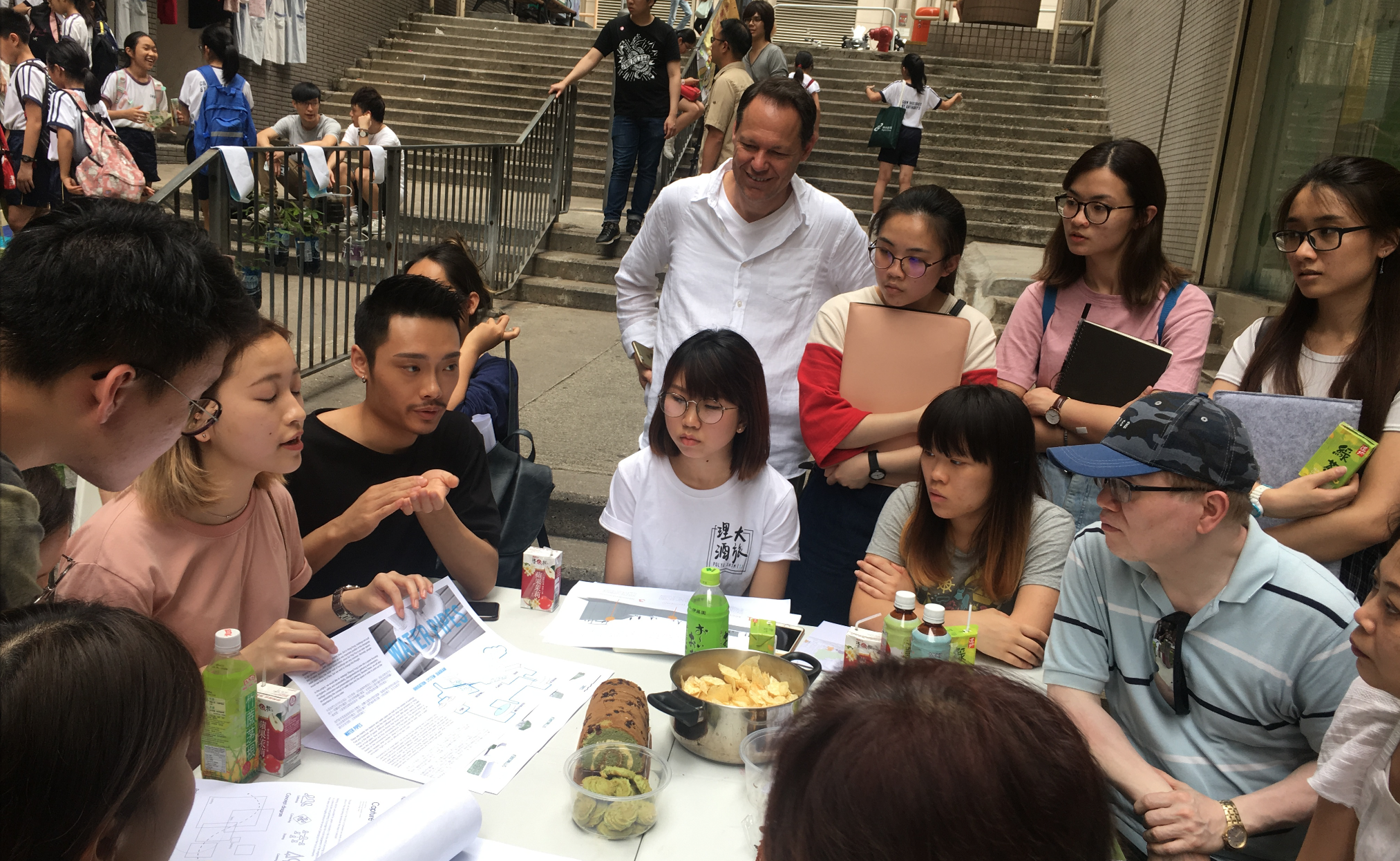
Community Workshop @ Sheung Fung Lane
2:30-5:00pm
Year 3 E&I PolyU Design students and Chinese U Urban Studies students held a community engagement workshop in Shung Fung Lane to get feedback on their design proposals for the lane. Thanks to Magic Lanes for hosting and to everyone who participated!
March 24, 2018
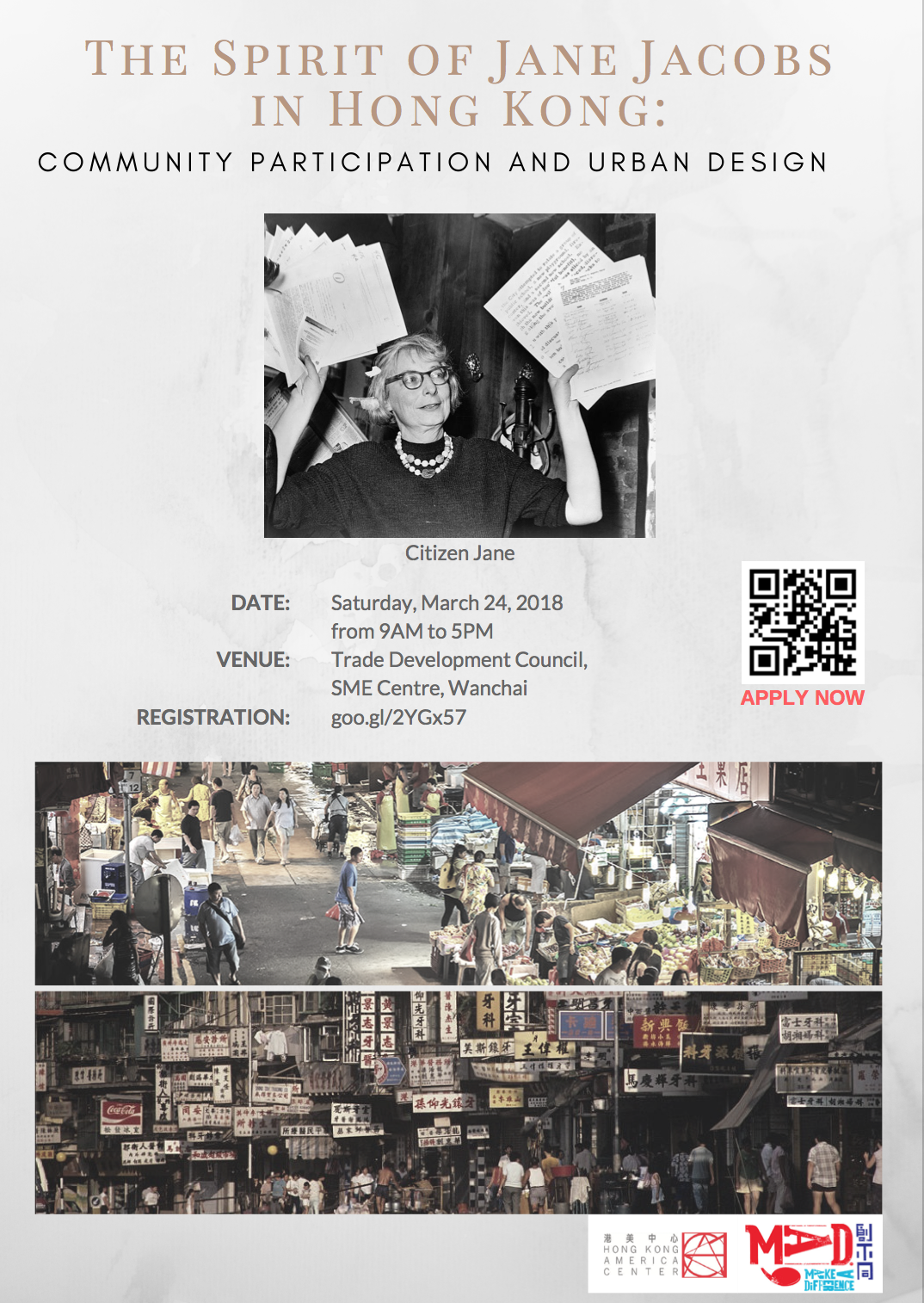
Exuberant Diversity: Stairs in Hong Kong
The Spirt of Jane Jacobs in Hong Kong: Community Participation + Urban Design
9am to 5pm
HK Trade Development Council in Wanchai (SME Centre)
Organized by the Hong Kong America Center
With Support from Leadership Inc, Knowledge Dialogues, Common Core@HKU, MaD Asia, and the US Consulate in Hong Kong and Macau
Melissa will present the HKSA as part of a one day participatory program about community integrity in high density Hong Kong, which will include the screening of parts of the documentary film, Citizen Jane. Please find more info and registration here.
March 21, 2018
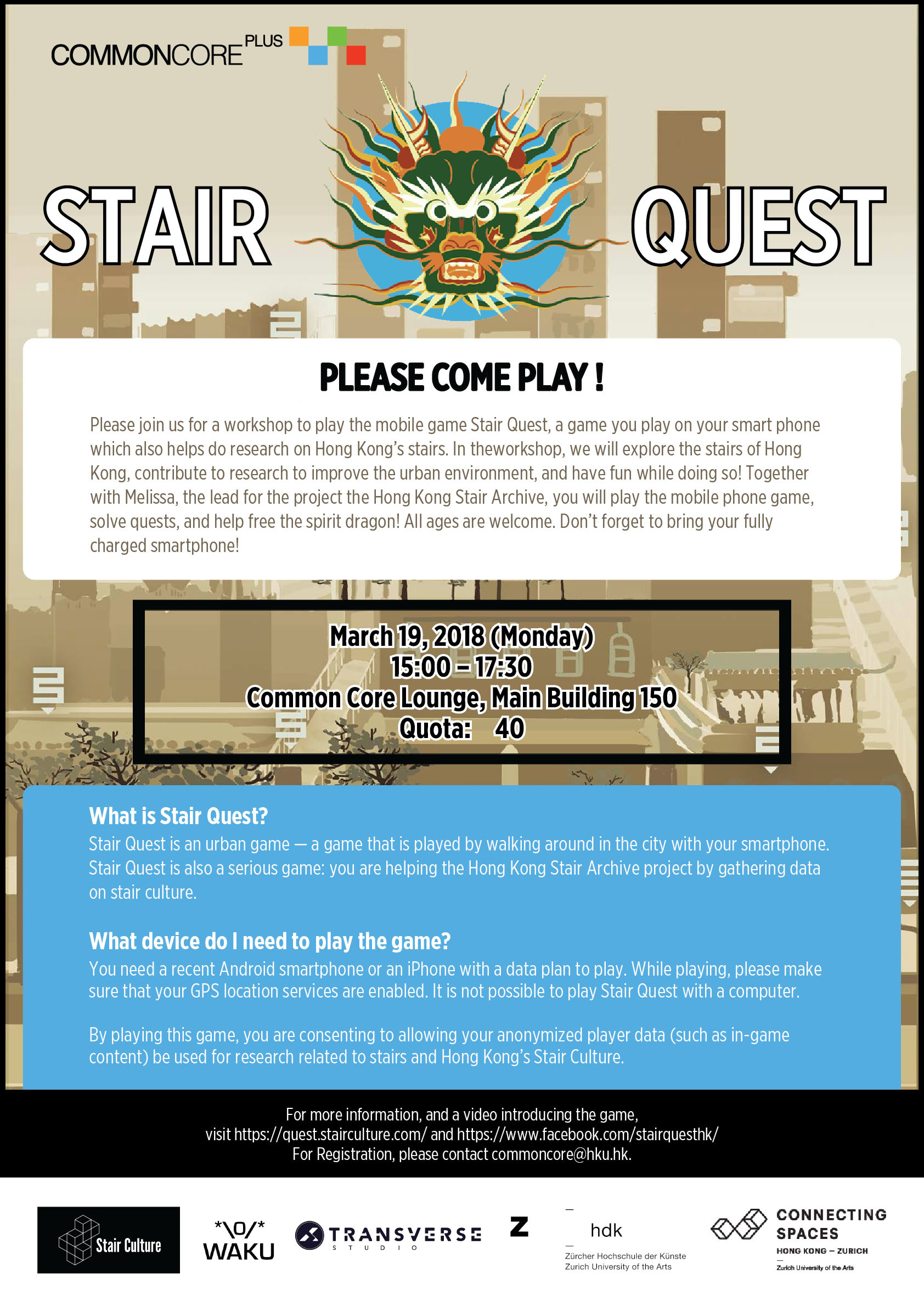
Stair Quest workshop
Common Core Lounge, Main Building 150
University of Hong Kong
15:00-17:30
Please join Melissa in a workshop to introduce and play the mobile game ‘Stair Quest’, designed and developed by Stefan Schmidlin and Mela Kocher from ZHdK with funding support from Connecting Spaces HK-Zurich and the HKADC. All ages welcome! See https://quest.stairculture.com/ to play on your own and for more info on the game!
March 01 – 09, 2018
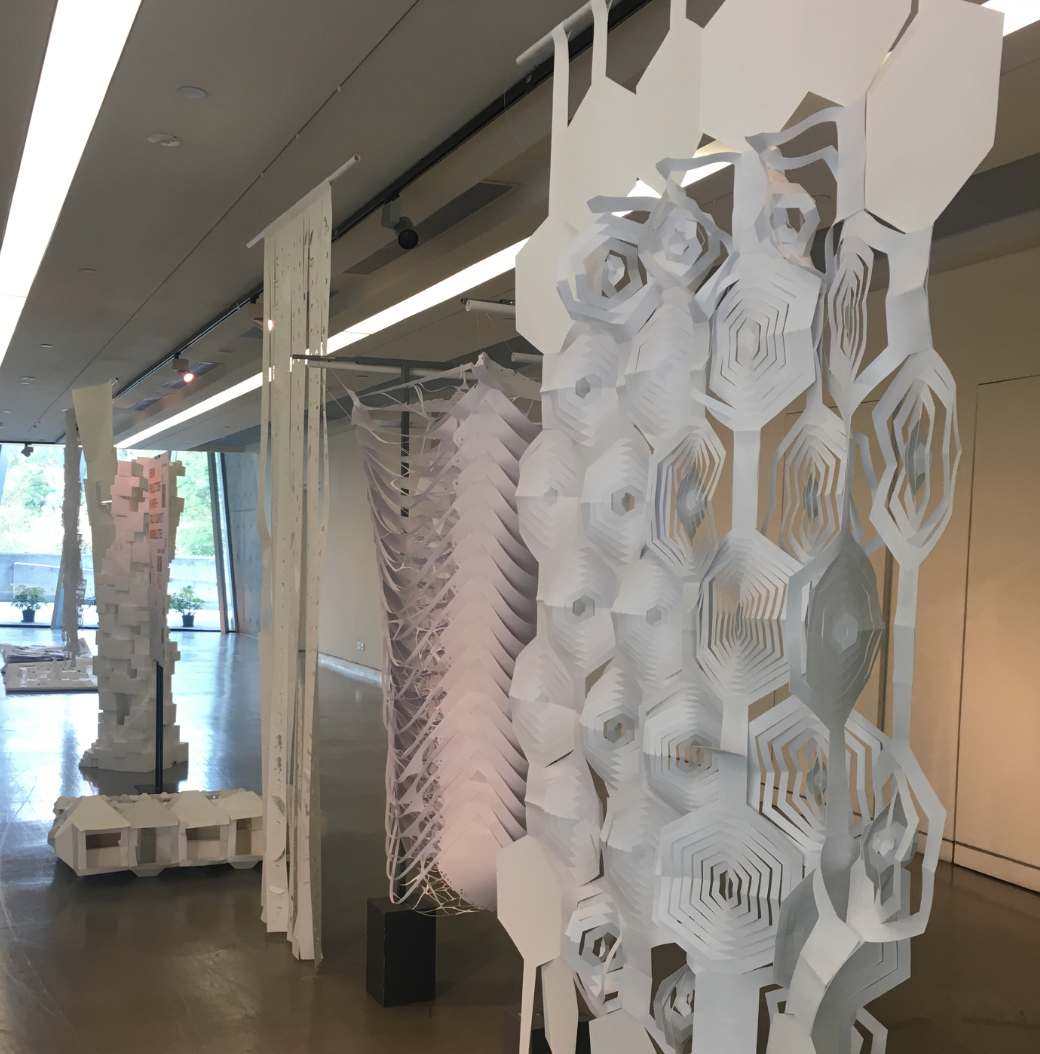
Urban Projections in Paper–Italo Calvino’s Invisible Cities Exhibition of student work from Year 3, PolyU Design
Innovation Tower, Hung Hom, Hong Kong
Coordinated by Gerhard Bryuns with tutors Evonne Tam, Melissa Cate Christ, Horace Pan and Sjoerd Hoekstra.
Please join us for the exhibition of selected work from Year 3 Environment and Interiors students where each group interpreted a narrative from Italo Calvino’s INVISIBLE CITIES through folding, cutting, laminating and layering paper into an area of 1.5 x 2.5 meters. More information can be found here.
February 22 – March 07, 2018
Resilient Sai Ying Pun
CACHe, Annex Block, 36A Western Street & Magic Lanes, Shop 7, Yee Fung Court, Sheung Fung Lane
10:00-13:00 / 14:00-16:00
Opening Ceremony for the exhibition and for the Magic Lanes community centre: March 3, 15:00-18:00
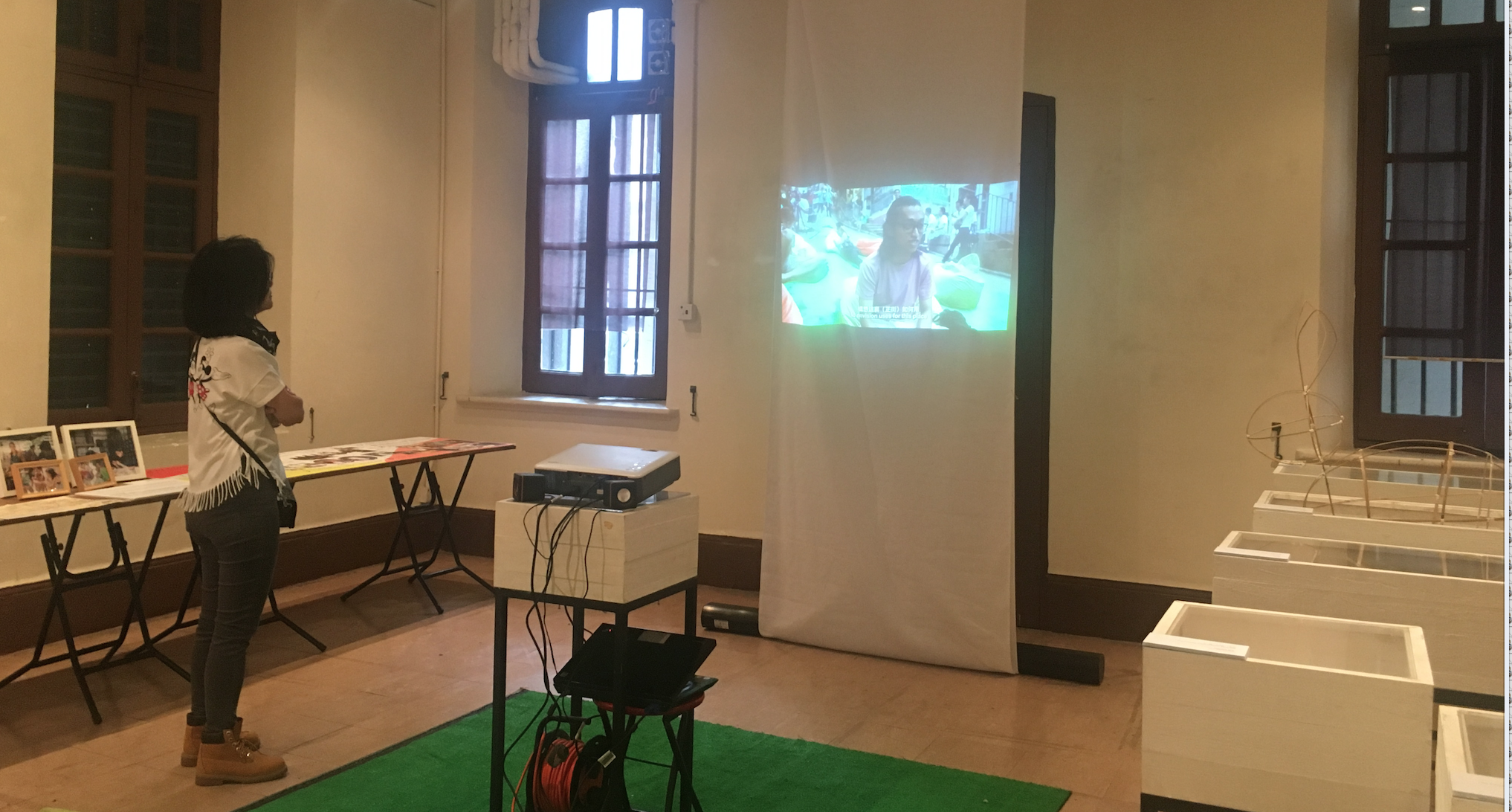
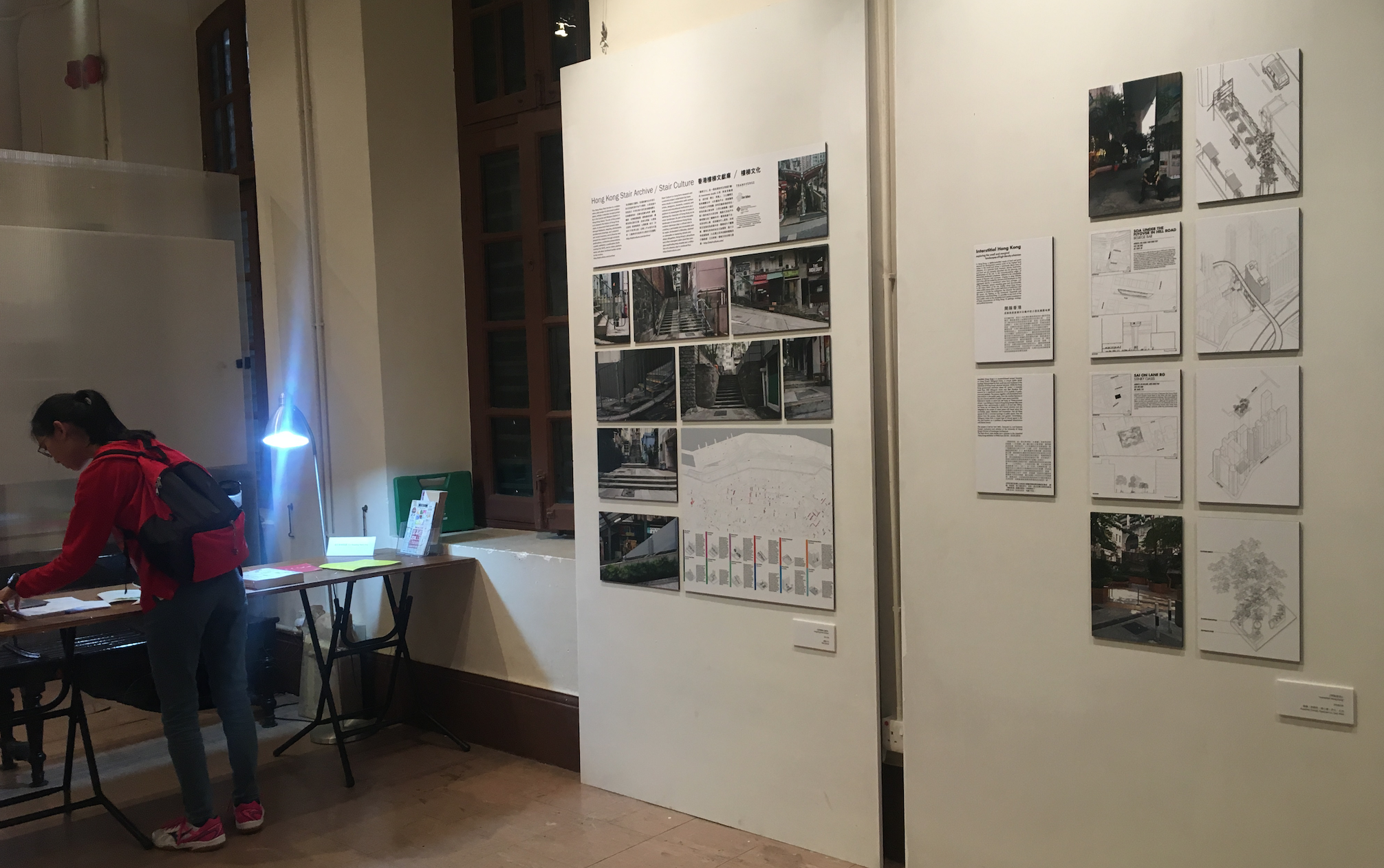
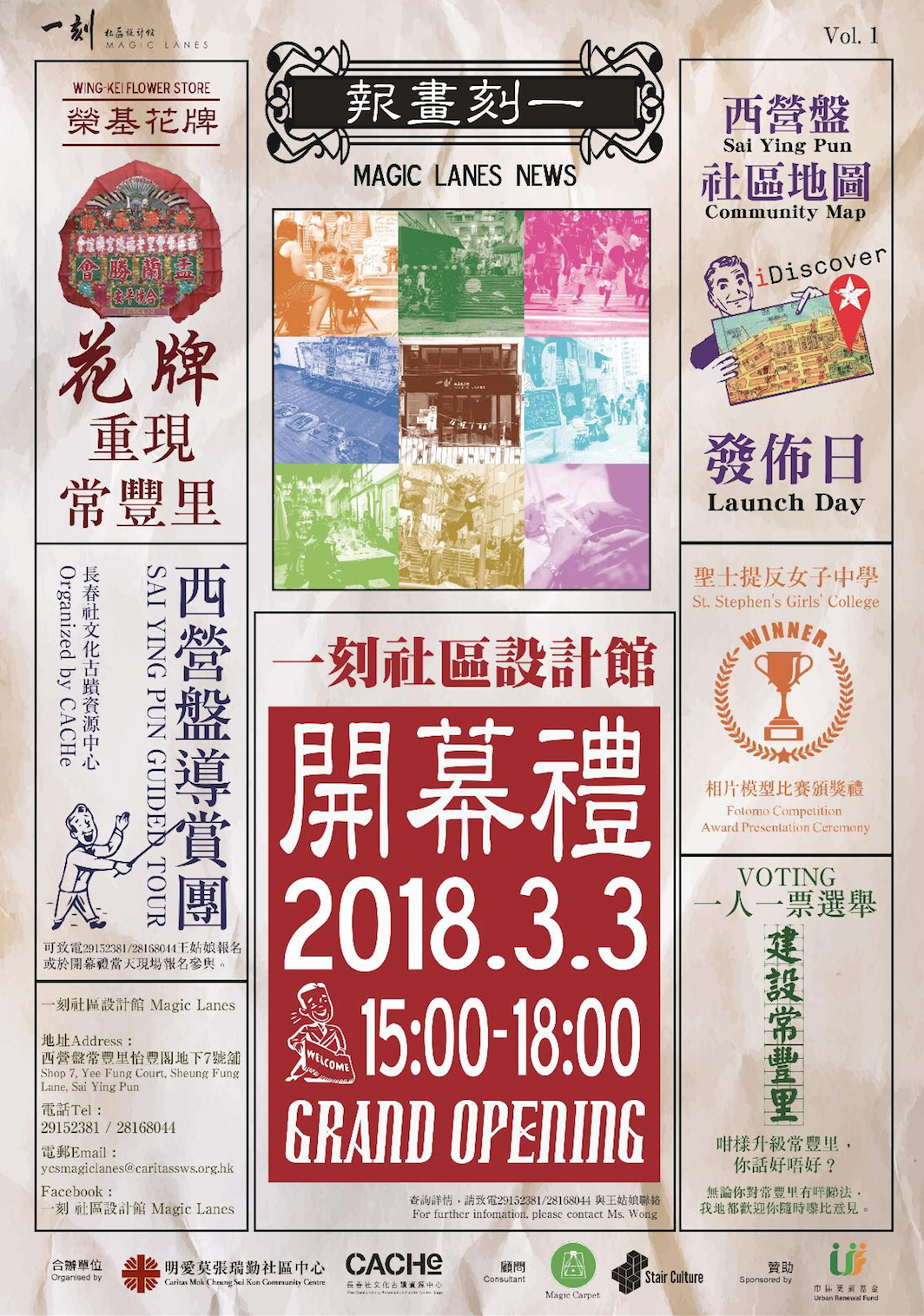
In collaboration with CACHe and sponsored by the URF, Magic Lanes presents “Resilient Sai Ying Pun”. The exhibition includes work by Magic Lanes, CACHe, Magic Carpet, Stair Culture/HKSA, i-Discover and Interstitial Hong Kong which considers the past, present and future of this dynamic and historic neighborhood. Please join us for the opening on March 3, 2018, to be held in Shueng Fung Lane! More information about the project can be found on the Magic Lanes Facebook Page.
February 9, 2018
Always Liminal, Always in Transition: Reading Hong Kong as a Staircase City
Lecture by Louis Lo, Associate Professor, National Taipei University of Technology
Hong Kong Studies Initiative, Department of Asian Studies
University of British Columbia, Vancouver
Dr. Louis Lo presented his essay “Always Liminal, Always in Transition: Reading Hong Kong as a Staircase City” at UBC on February 9, 2018. The paper is included in the book Hong Kong Stair Archive (forthcoming 2019) along with drawings, photographs and research from the project and essays by Katty Law, Christopher DeWolf, Scott Dietrich and Melissa Cate Christ. Find more information, and a recording of the lecture, here. 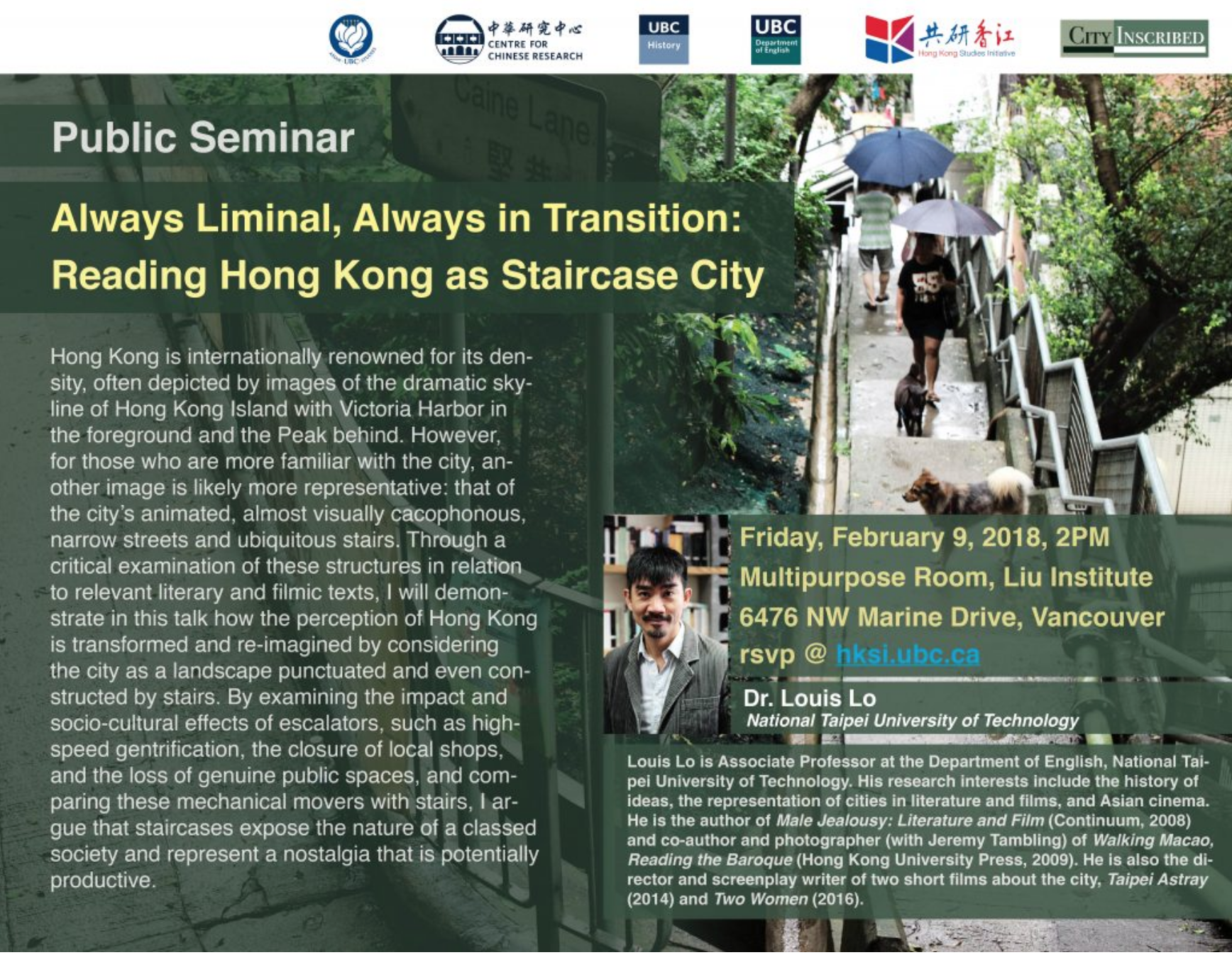
February 2, 2018
Final review: RCA City Design HK workshop
3:30-6:00pm
Melissa was invited to take part in the final review for the City Design HK Workshops at Loupe Hong Kong in PMQ. Thanks to tutor Tarsha Finney, fellow reviewers Calvin Liang and Natalia Ecceverri, and the RCA students for some excellent comparative insights and discussion about podium and other urban development in Hong Kong.
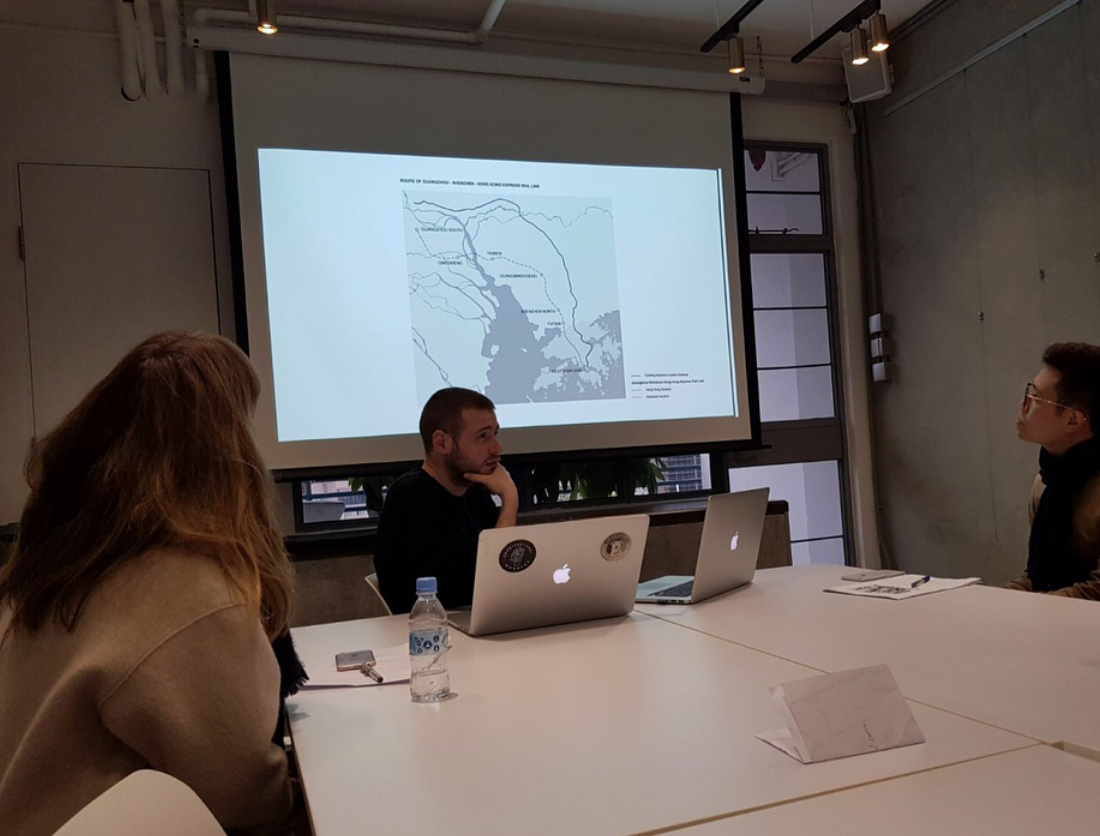
Photo credit: RCA_citydesign
January 24, 2018
Heritage, urban development and stairs
Tour & talk with Royal Collage of Art City Design Grad students
Thanks to Tarsha Finney, Platon Issaias and the RCA students for the excellent questions and discussion on this “In the know” tour! Also special thanks to Evelyn Kwok for the introduction.
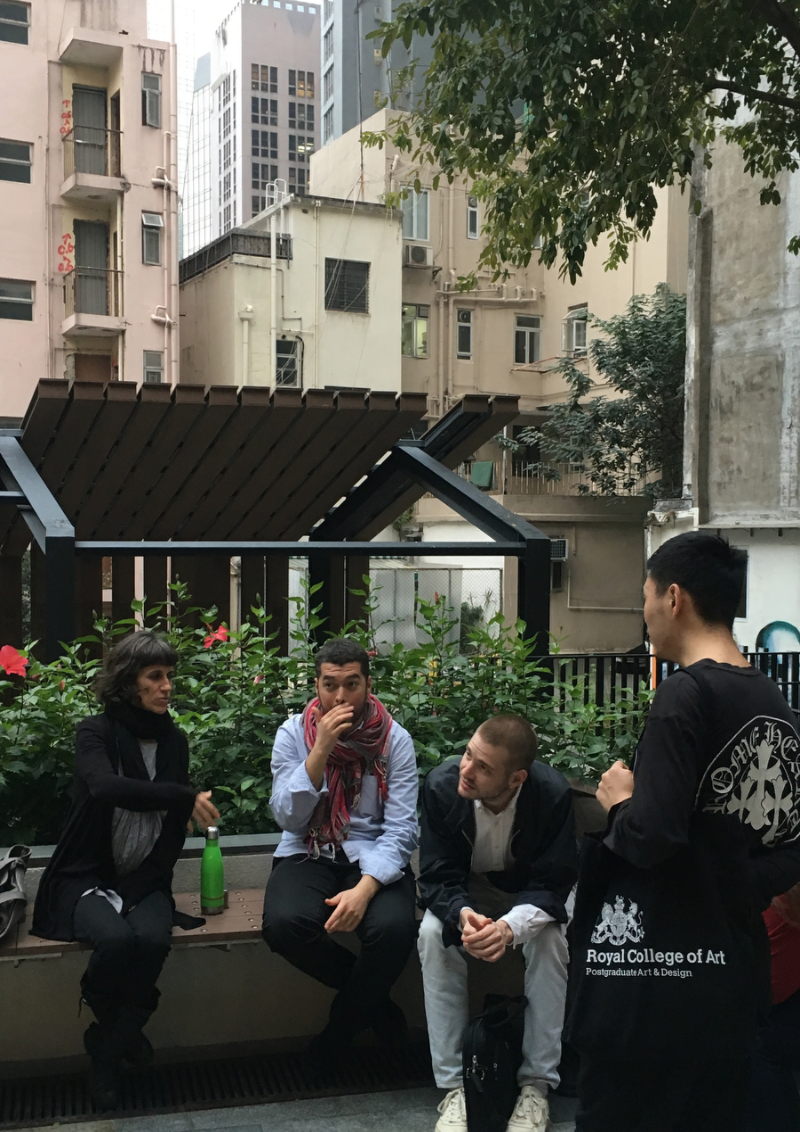
Photo credit: RCA_citydesign
October 13, 2017
Learning from Hong Kong’s Stair Culture
The 3rd City: 2017 International Festival of Landscape Architecture
12-15 October 2017
Overseas Passenger Terminal
Circular Quay, Sydney, Australia
Melissa presented her ongoing project, the Hong Kong Stair Archive, and thoughts on the future city, on October 13, 2017 in Sydney at the 2017 International Festival of Landscape Architecture. Thanks so much to UNSW and the AILA for the invitation, and to the other speakers and audience for making it an inspiring, engaging, informative, and welcoming event! More information on the Festival here.
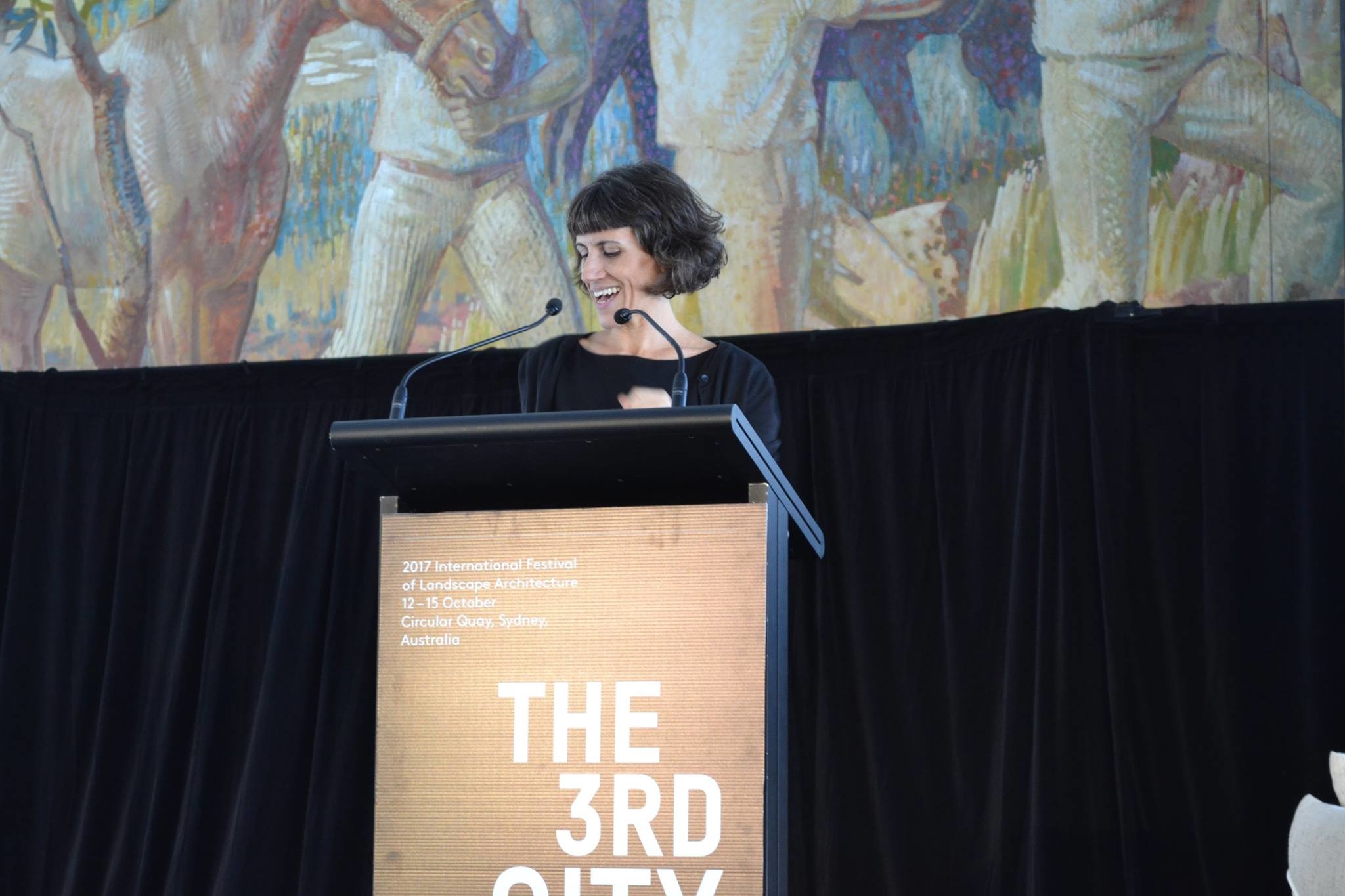
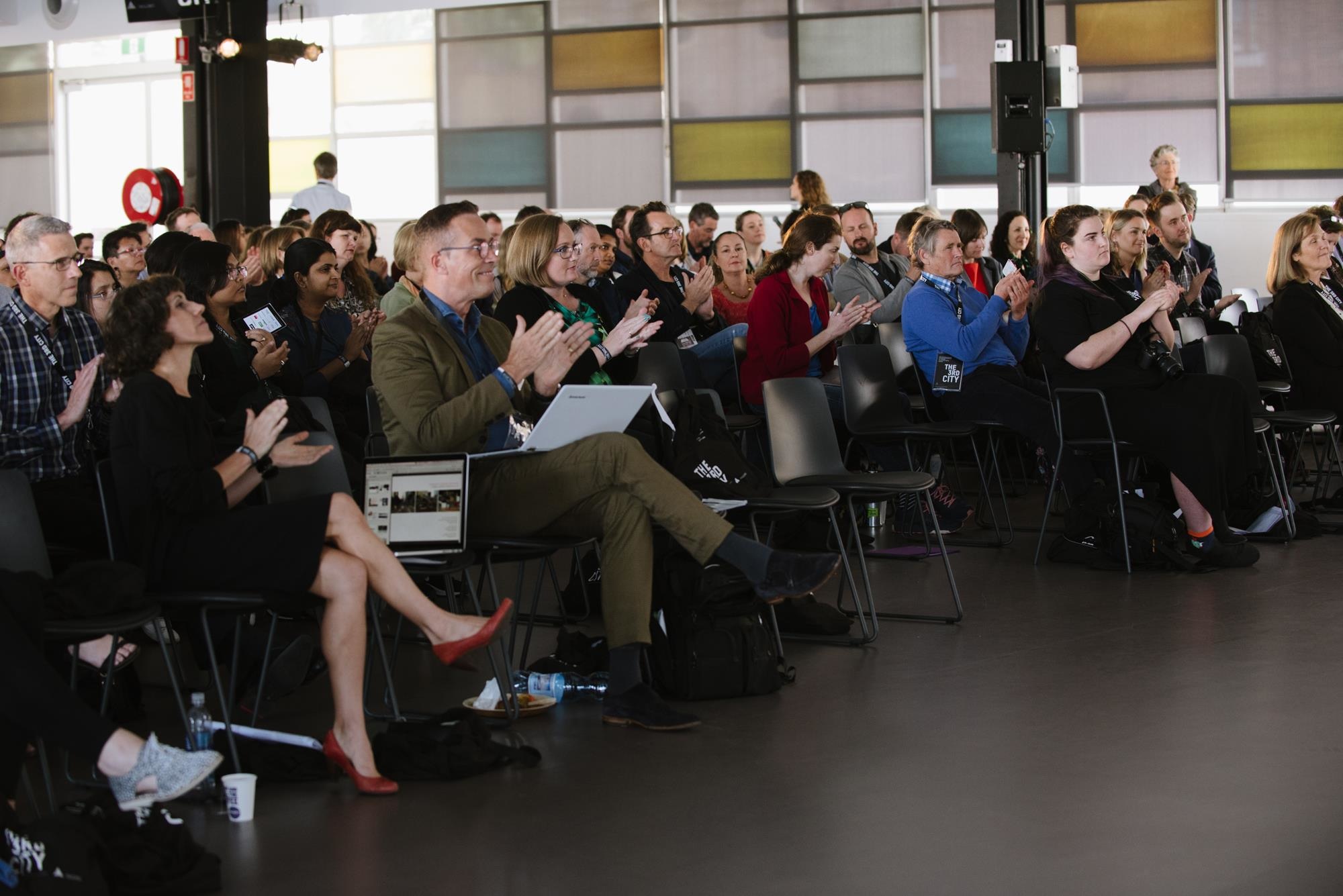
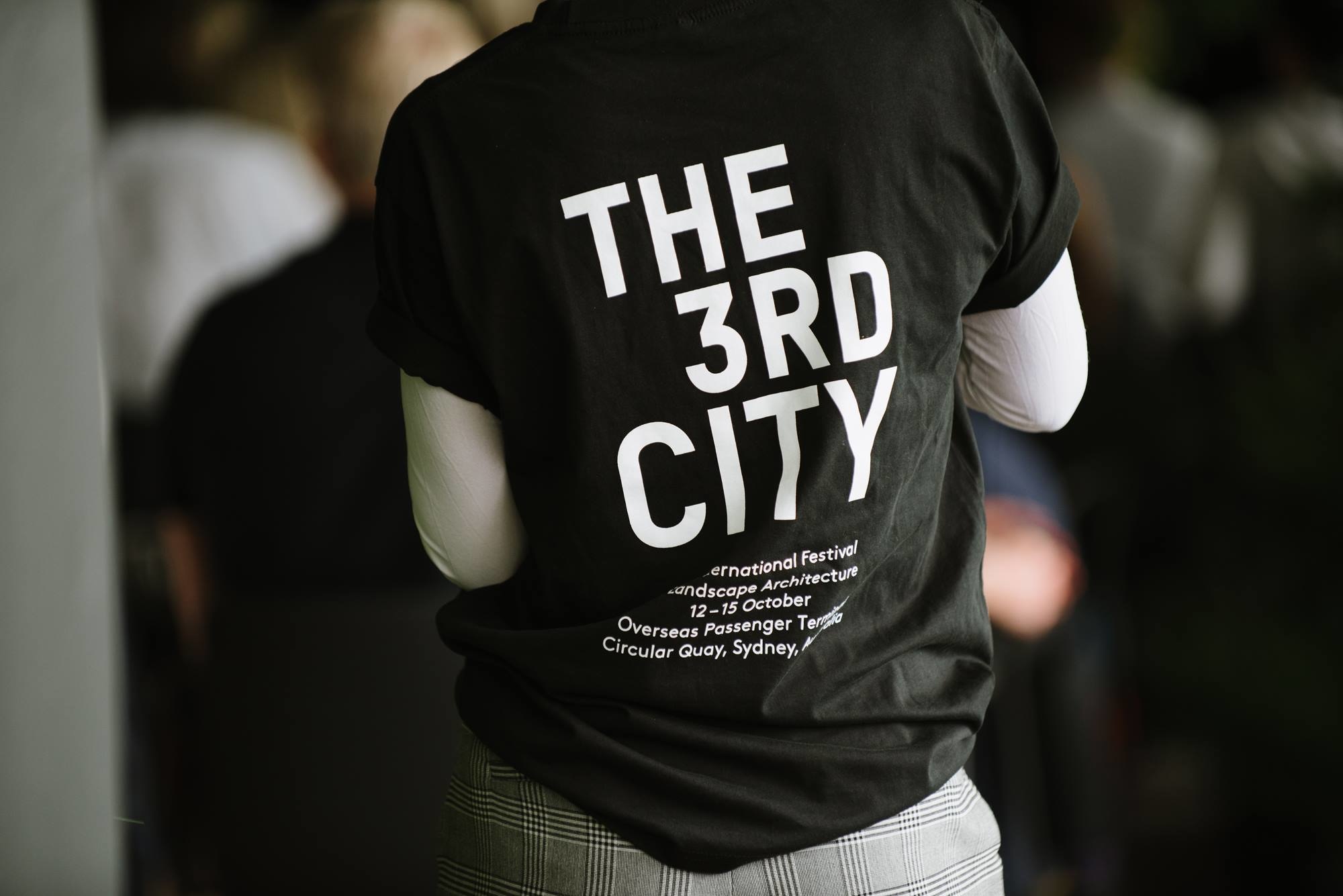
Image credits: AILA
October 5, 2017
Magic Lanes Mid-Autumn Festival Celebration
Sheung Fung Lane, Sai Ying Pun
7 – 9pm, Opening ceremony 7:30pm
Organized by Caritas Mok Cheung Sui Kun Community Centre and CACHE
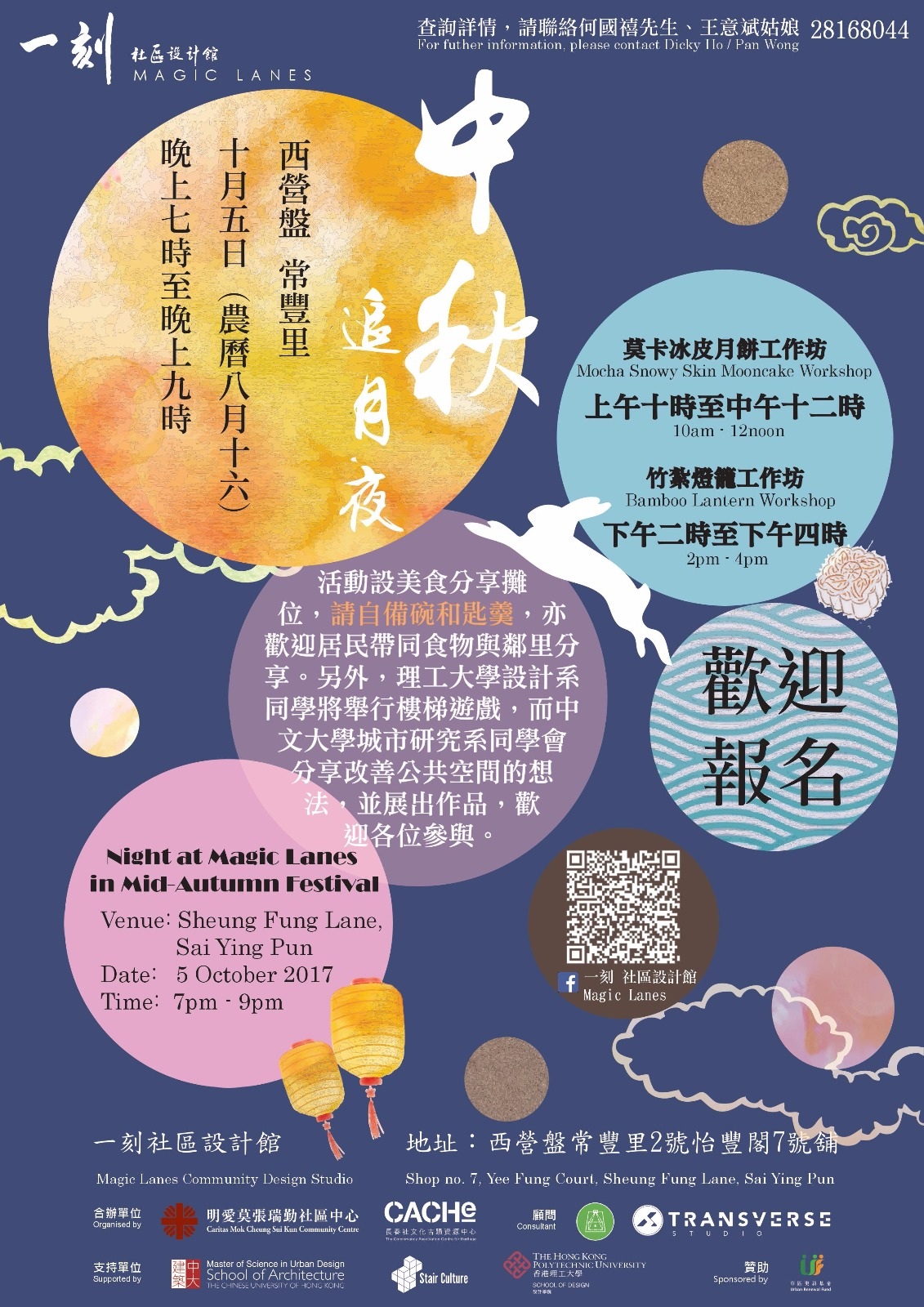
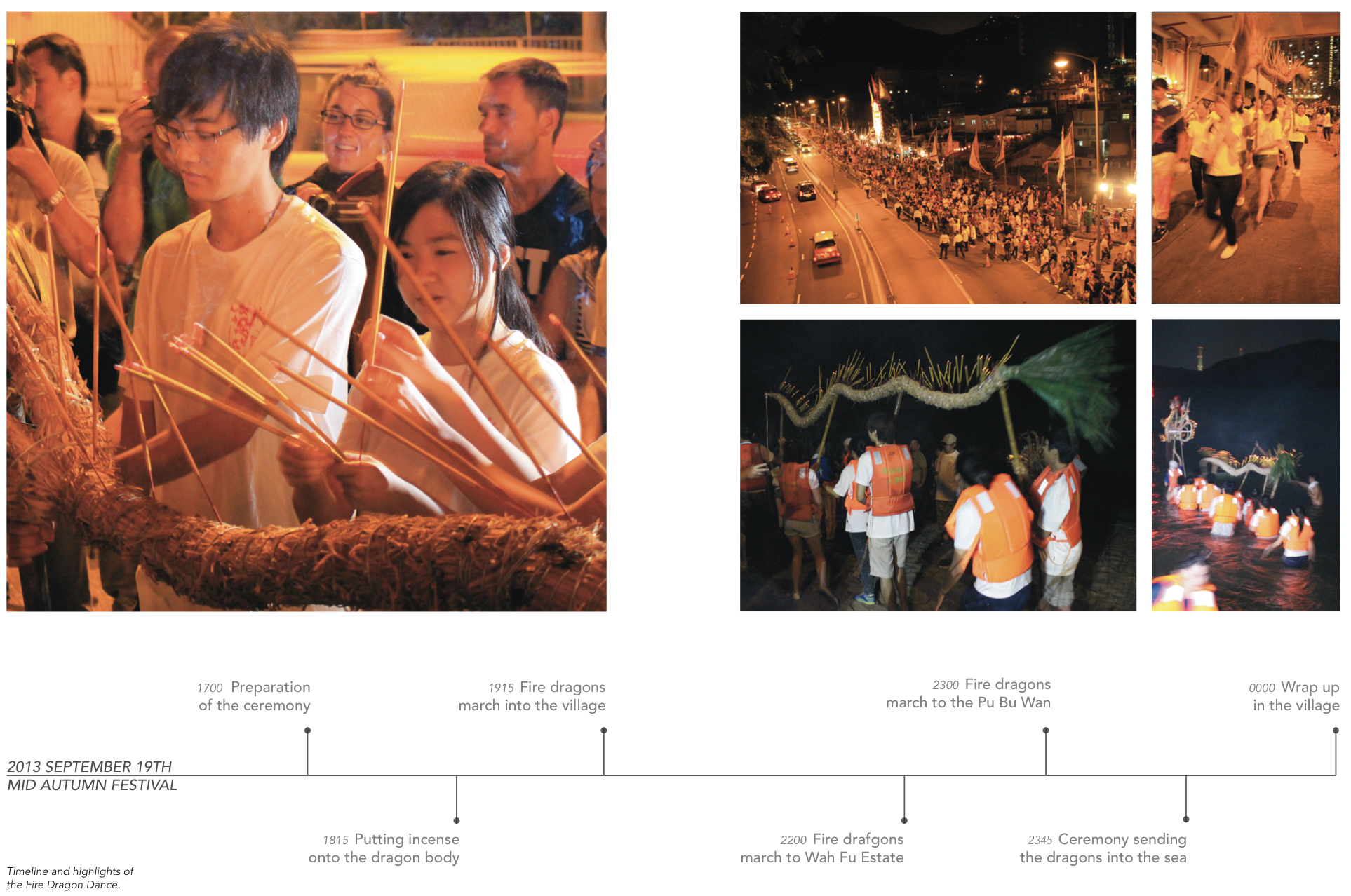
Please join the Magic Lanes Community Design Studio in celebrating the Mid-Autumn Festival in Sheung Fung Lane, Sai Ying Pun on 5 October (Thursday) from 7pm to 9pm. There will be games and traditional Mid-Autumn Festival food for guests to enjoy. Residents are also welcome to bring food to share with the neighbourhood. Students from the Hong Kong Polytechnic University School of Design will run stair games for visitors and students studying urban studies at the Chinese University of Hong Kong will share some ideas and installations which are aimed at stimulating ideas about how to transform the public space of the stairs to better serve community needs.
There are two daytime workshops on 5 October. Details are as follows:
(1) Mocha Snowy Skin Mooncake Workshop
Time: 10am – 12pm
Venue: Magic Lanes Community Design Studio
Quota: 10 people
Free of charge
(2) Bamboo Lantern Workshop
Time: 2pm – 4pm
Venue: Magic Lanes Community Design Studio
Quota: 15 people
Free of Charge
How to apply: Registrations will be accepted on a first-come-first-served basis. Please contact 28168044, Dicky Ho or Pan Wong.
Magic Lanes is an intergenerational community place-making project to create and sustain a playful, safe, and ecologically rich urban environment which is both culturally and socially inclusive. The project is funded by the Urban Renewal Fund and coordinated by Caritas Mok Cheung Sui Kun Community Centre in collaboration with CUHK with additional support from PolyU, transverse studio and Stair Culture.
September 15, 2017
Stairs, public participation and future developments in Shueng Wan
Tour & talk with Stamford and HKDI students
Thanks to Deland Chan, Kevin Hsu, the Stamford students and the HKDI tutors and students for their thoughtful questions and attention on this very hot day! Come back anytime!
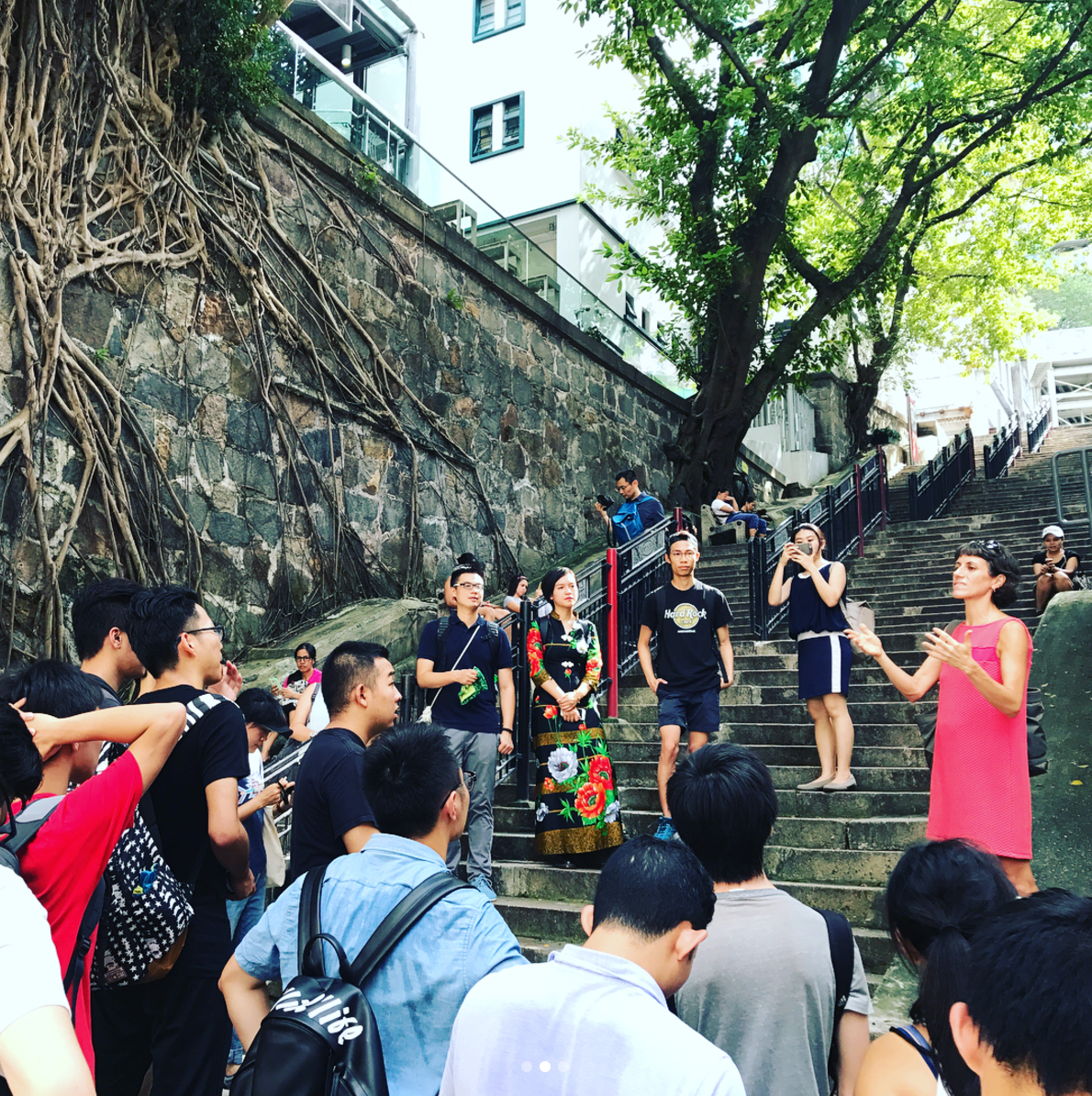
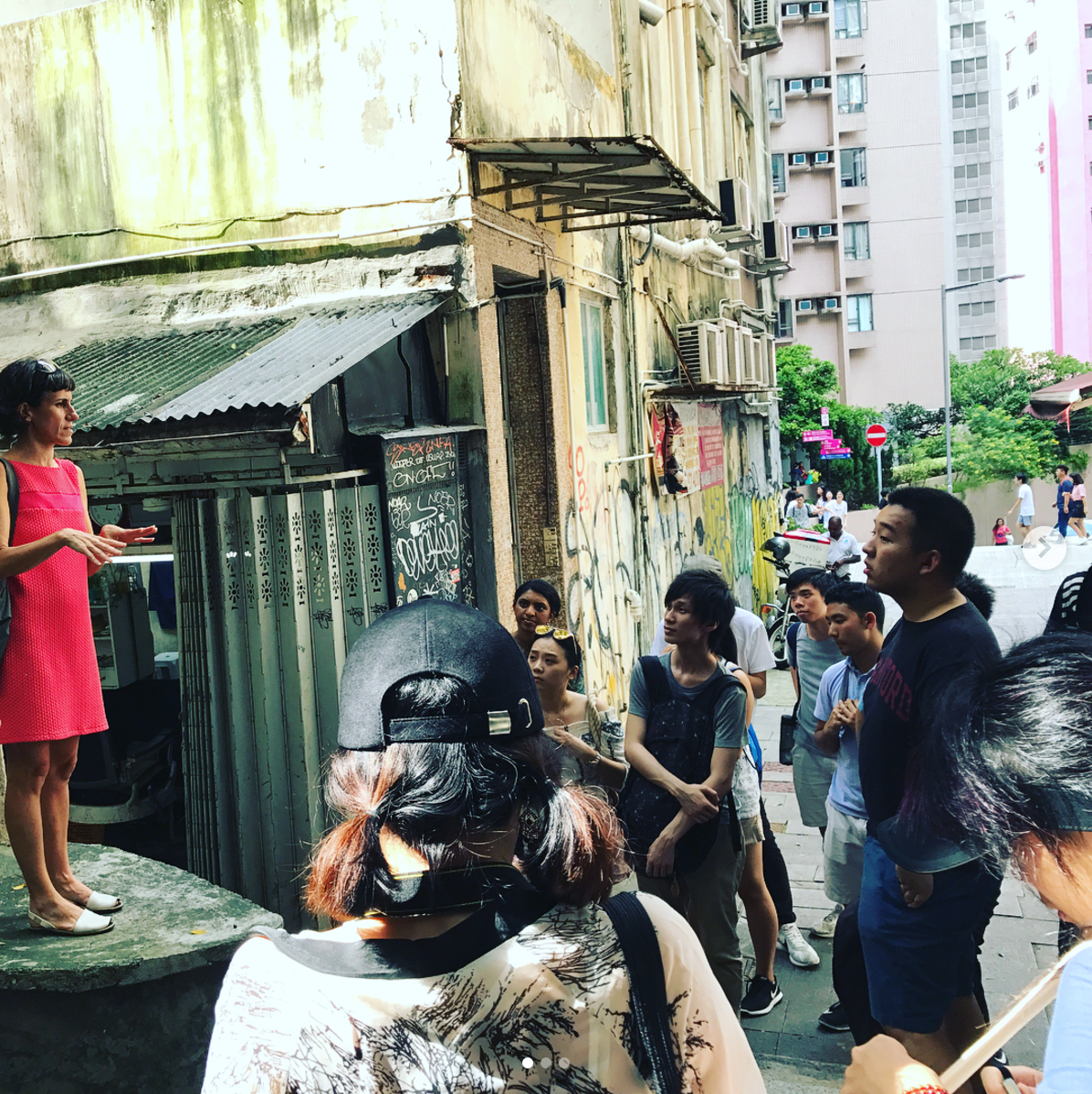
Photo credits: Deland Chan/humancities
March 21, 2017
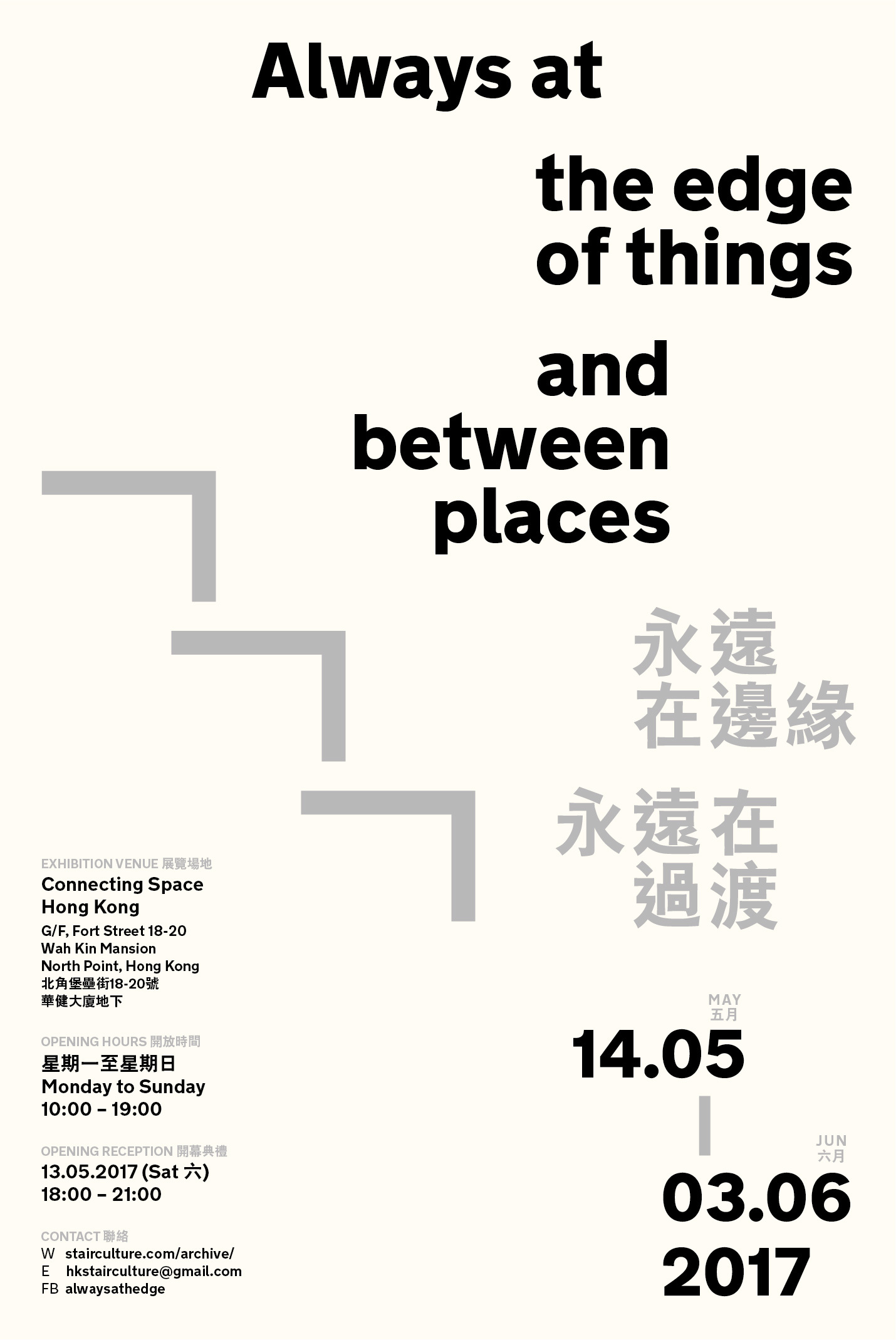
Always at the edge of things and between places 永遠在邊緣永遠在過渡
開幕典禮 Opening Reception 13/05/2017 (Sat 六) 18:00 – 21:00
展覽時期 Exhibition Period:14/5 – 03/6/2017
開放時間 Opening Hours:星期一 至 星期日 Monday to Sunday 10:00 – 19:00
場地 Venue:Connecting Space Hong Kong G/F, Fort Street 18-20, Wah Kin Mansion North Point, Hong Kong
北角堡壘街18-20號華健大廈地下
http://stairculture.com/archive/exhibition/
hkstairculture@gmail.com
https://www.facebook.com/alwaysathedge
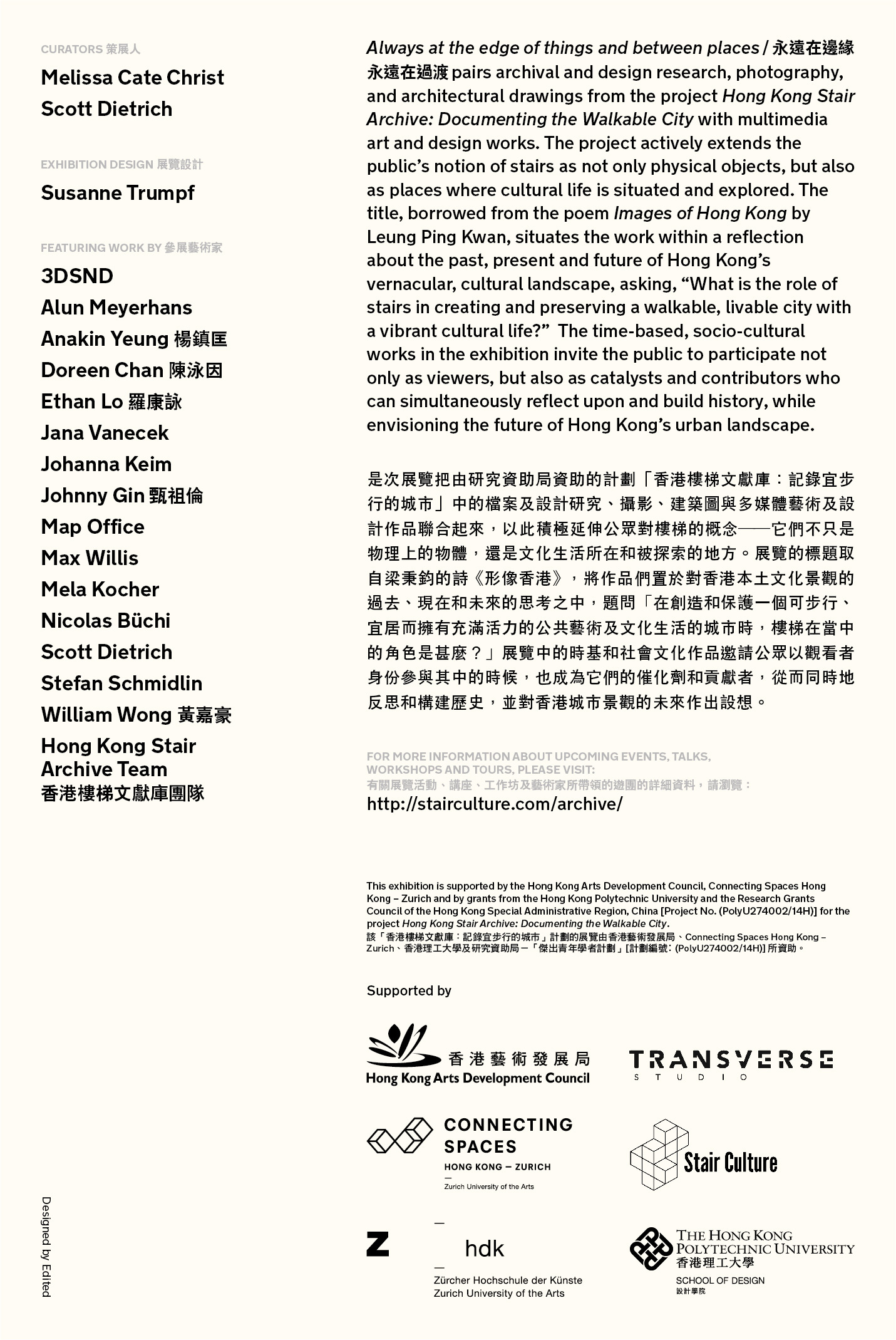
We are pleased to announce the upcoming exhibition, Always at the edge of things and between places 永遠在邊緣永遠在過渡, which pairs archival and design research, photography, and architectural drawings from the project Hong Kong Stair Archive: Documenting the Walkable City with multimedia art and design works. The project actively extends the public’s notion of stairs as not only physical objects but also as places where cultural life is situated and explored. The title, borrowed from the poem Images of Hong Kong by Leung Ping Kwan, situated the work within a reflection about the past, present and future of Hong Kong’s vernacular, cultural landscape, asking, “What is the role of stairs in creating and preserving a walkable, livable city with a vibrant cultural life?” The time-based, socio-cultural works in the exhibition invite the public to participate not only as viewers, but also as catalysts and contributors who can simultaneously reflect upon and build history, while envisioning the future of Hong Kong’s urban landscape. For more information please visit: http://stairculture.com/archive/
February 20, 2017
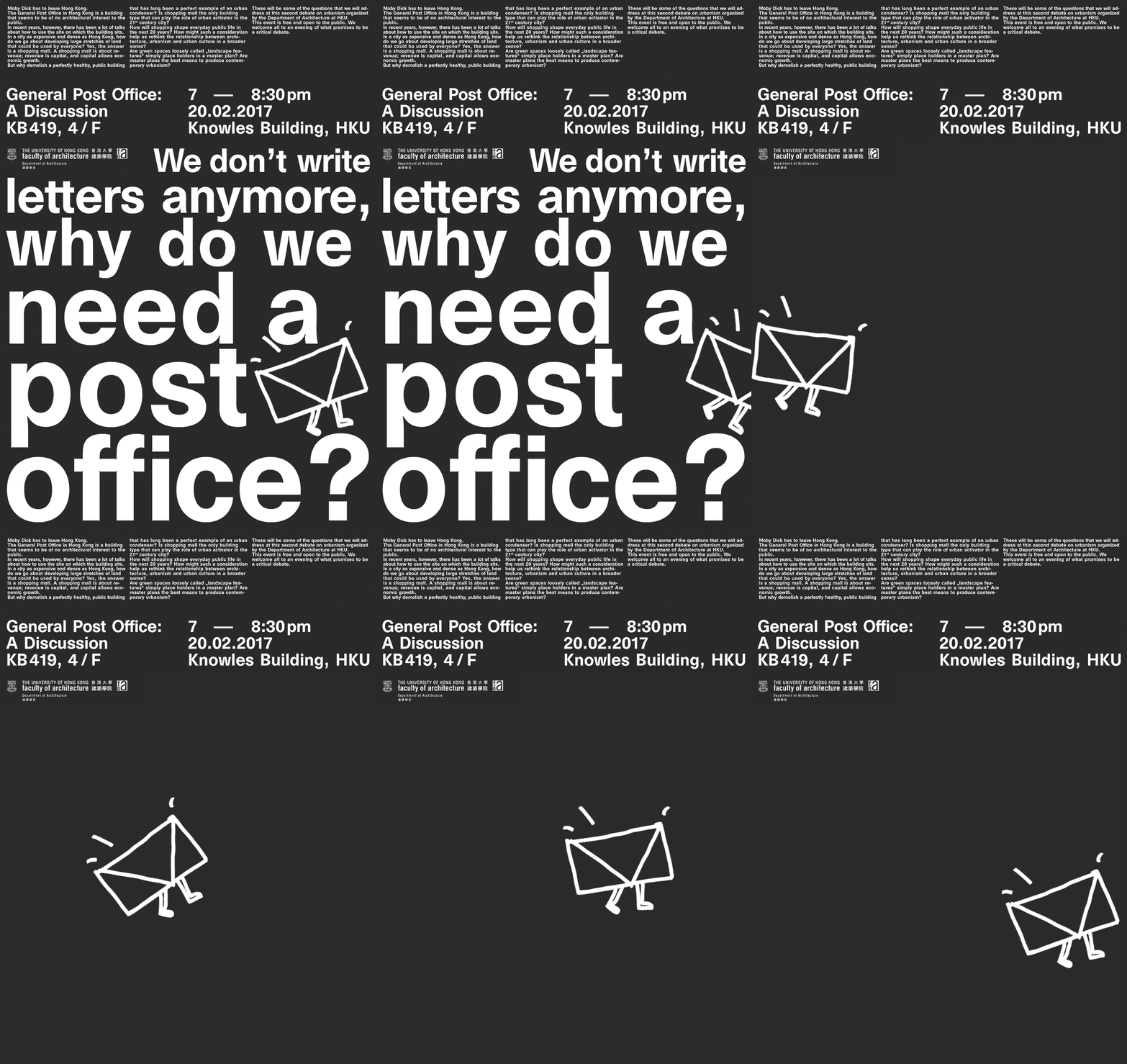
The cultural landscape, collective memory and adaptive reuse, or: How I Learned to Stop Worrying and Love the Mall
General Post Office: A Discussion
Monday, February 20, 2017
7:00 — 8:30 PM
Room KB 419, Knowles Building
Melissa presented an overview of the issues facing the cultural landscape of Site Three of the Central Harbourfront development as part of the panel “General Post Office: A Discussion”. Thanks to moderator Nasrine Seraji and the other panelists and audience members for participating in this important discussion.
December 19, 2016
Keeping it Fresh
Shelf Life
Harvard Design Magazine
No 43 F/W 2016
Melissa Cate Christ, Tomas Holderness and Daisy Tam
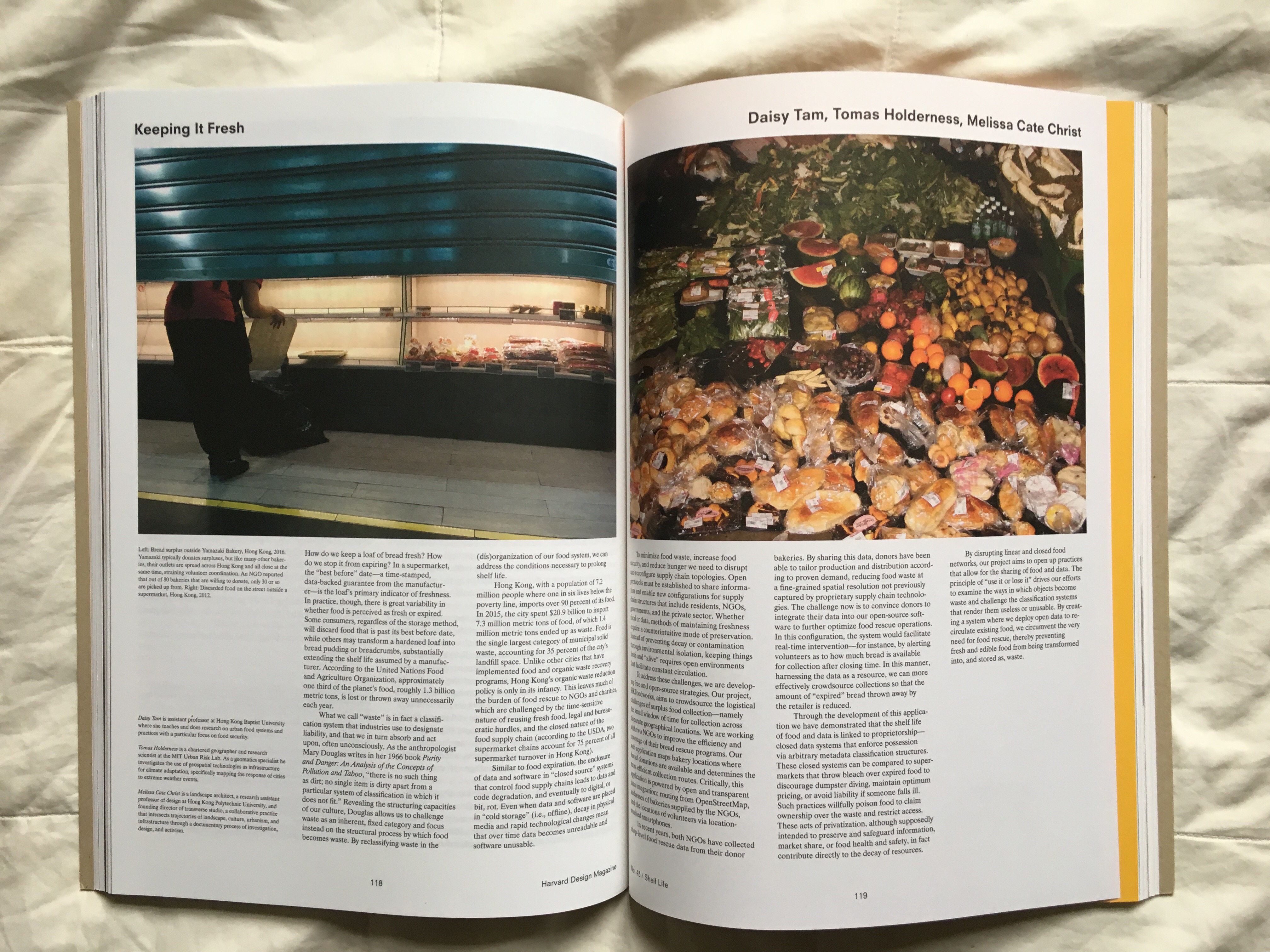
Our short piece, “Keeping it Fresh” has been published in the F/W 2016 edition of the Harvard Design Magazine, Shelf Life. From the issue abstract: The more stuff we accumulate, the more space we need to store it all. Vast portions of the landscape are claimed and governed by spaces of storage, their maintenance, and the goods that move through them—or remain buried within them indefinitely. This issue of Harvard Design Magazine investigates and unpacks the contents, containers, and systems of storage that organize our world. Storage is the aggregation and containment of the material and immaterial stuff of culture; but also the safeguarding—or hoarding—of energy and tools for some imagined future purpose. How does all this stuff mask or overcompensate for economic and ecological bankruptcy? Is storage about greed or need? Storage, perhaps, is everything we can live without but insist on living with. “Shelf Life” explores what’s inside the box (shed, tank, urn, vault, crypt, crate, case, pot, bag, vat, morgue, safe, bin, archive, warehouse, cabinet, cellar, cemetery, depository, locker, freezer, landfill, library). Even as we attempt to reduce and recycle, the stuff that we dispose of also needs to be stored. Where do we put it? Our planet is now a saturated receptacle. This warehouse is full, and we’re all inside it.
More info on the issue and some great articles free for download (ours is not, but you can buy the issue here) can be found on the HDM website.
December 16, 2016
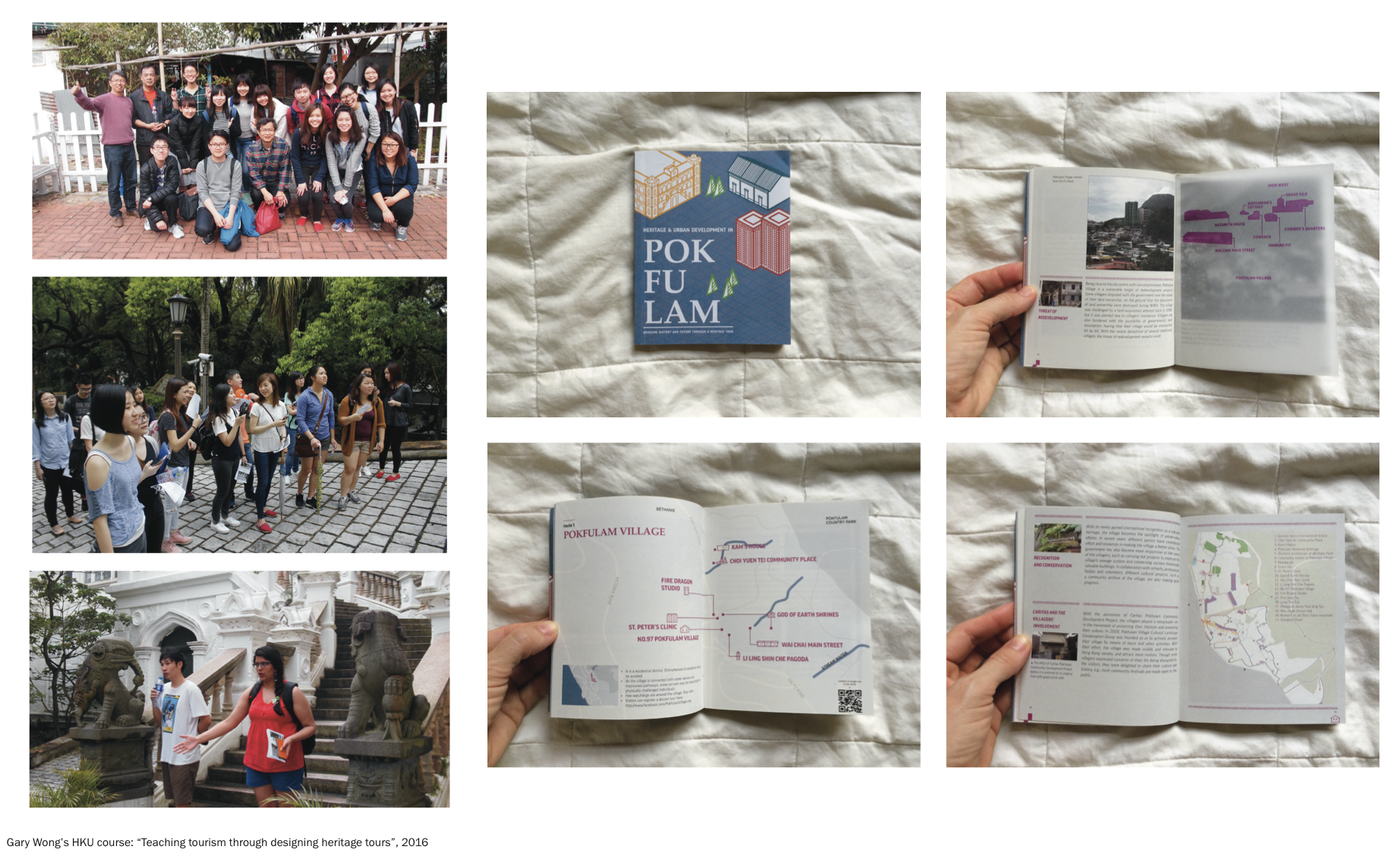
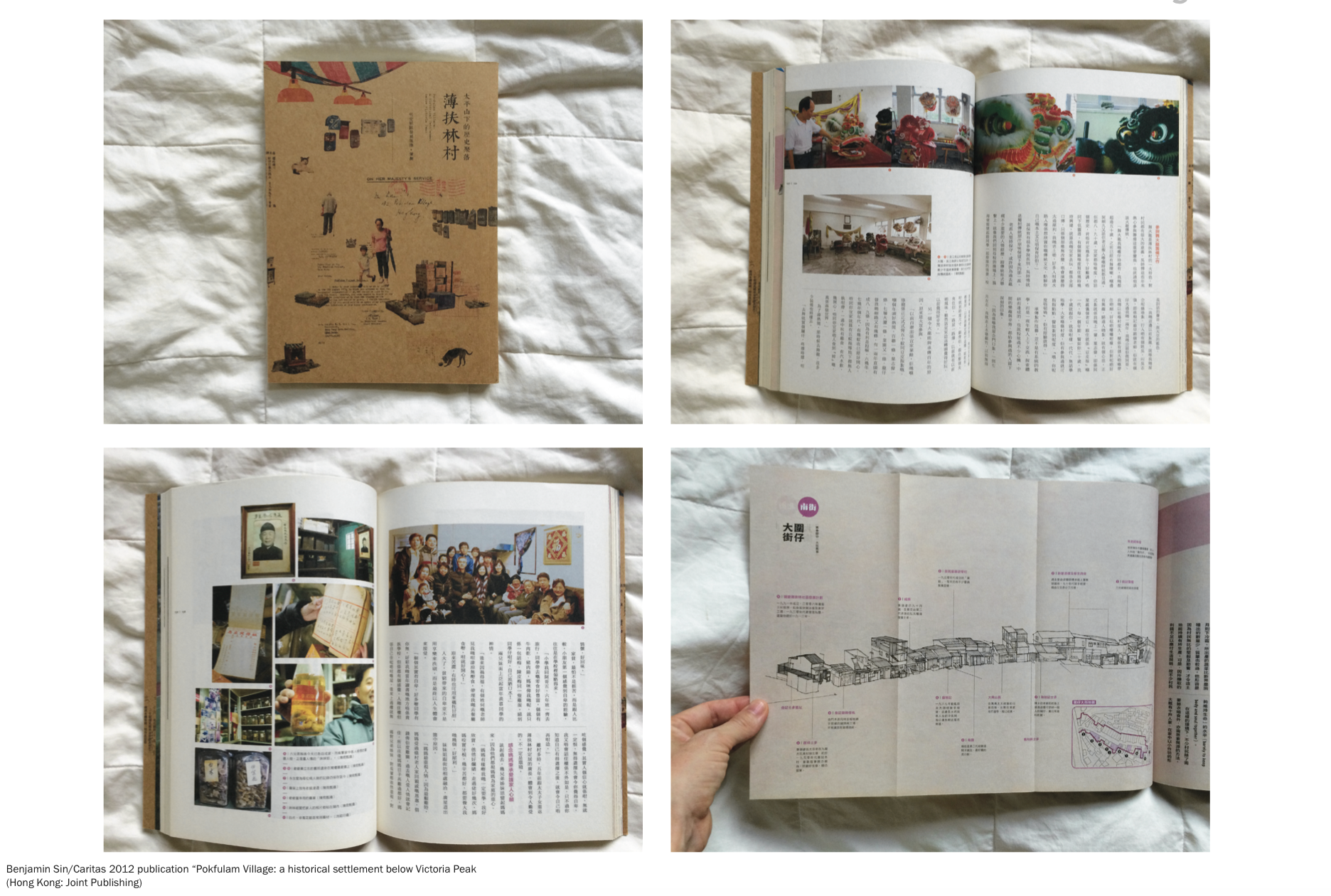
Present, past and future: Collaborative actions for a resilient Pokfulam Village
Agency and Resilience: 10th Annual conference of the Pacific Rim Community Design Network
Chinese University of Hong Kong
December 15-17, 2016
Melissa Cate Christ, Hong Kong Polytechnic University; Benjamin Sin, Caritas; and Dr. Gary Pui-fung Wong, Department of Sociology, The University of Hong Kong.
Melissa and Benjamin presented their ongoing research project as part of the 10th Annual Pacific Rim Community Design Network conference. Thanks to the organizers and the participants for sharing their research on Resilience and Community Design in Asia and the Pacific Rim! More information on the conference can be found here.
December 13, 2016
Urban stair streets as public spaces, cultural heritage and essential infrastructure: The case of the Central and Western District of Hong Kong
Crossroads: Asian Streets in the Dynamics of Change
Great Asian Street Symposium 2016
National University of Singapore
12-13 December 2016
Melissa presented the HKSA project at NUS as part of the 2016 Great Asian Street Symposium. Thanks to all the participants for a thought provoking two days! From the conference abstract:
Asian streets are…at a crossroads. The ways in which we perceive and use, plan and build our streets need to be re-visited, re-considered and re-developed. Established norms, conceptions and systems need to be questioned and reflected. And new visions of streets in future urbanism also need to be contemplated and developed. Lying at the crossroads of many disciplines, streets [are] arguably a field of application rather than a discipline in its own right. Hence, to tackle the above-mentioned challenges for street requires investigations from multiple perspectives and it will also benefit from inter- and transdisciplinary collaborations. More information on the conference can be found here.
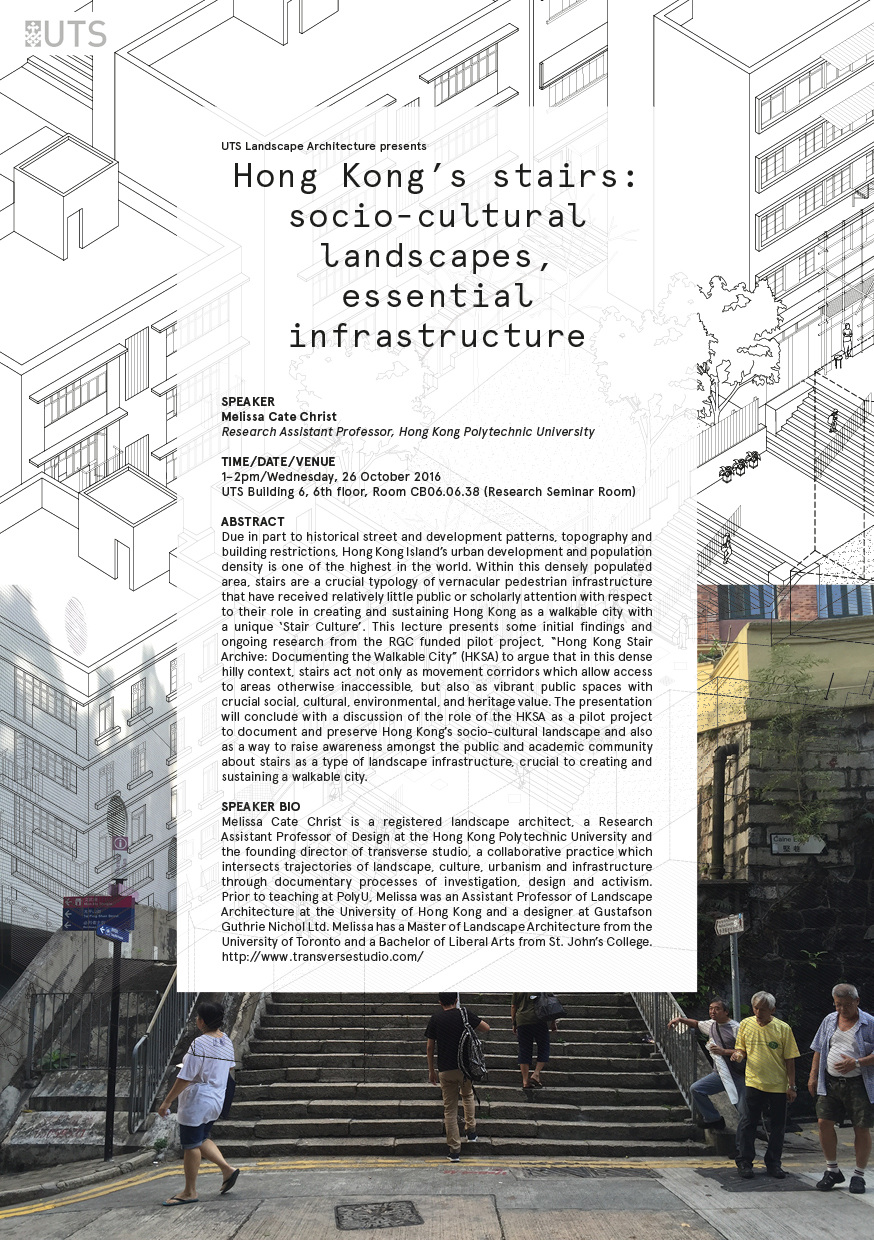
October 26, 2017
Hong Kong’s stairs: socio-cultural landscapes, essential infrastructure
University of Technology Sydney, Sydney, Australia
1:00-2:00pm, Room CB06.06.38
Melissa presented the Hong Kong Stair Archive project from a socio-cultural landscape infrastructural perspective at the Landscape Architecture program of the UTS School of Architecture. Thanks very much to Andrew Toland for the invitation.
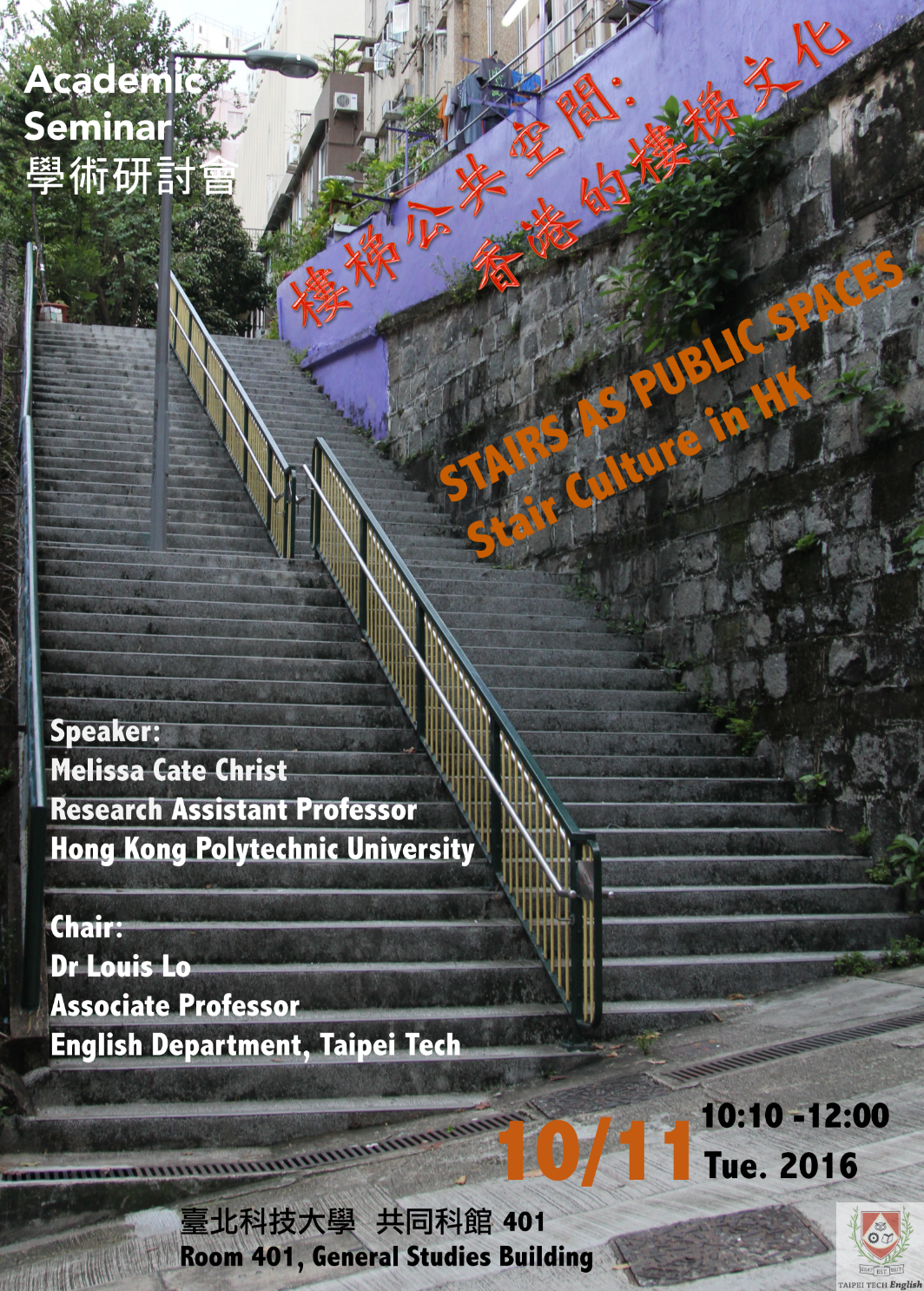
October 11, 2016
Stairs as public spaces: Stair culture in Hong Kong
National Taipei Technical University, Taipei, Taiwan
Melissa presented the Hong Kong Stair Archive project at Taipei Tech, with a productive and engaging discussion with Louis Lo and colleagues and students from the English and Design Departments.
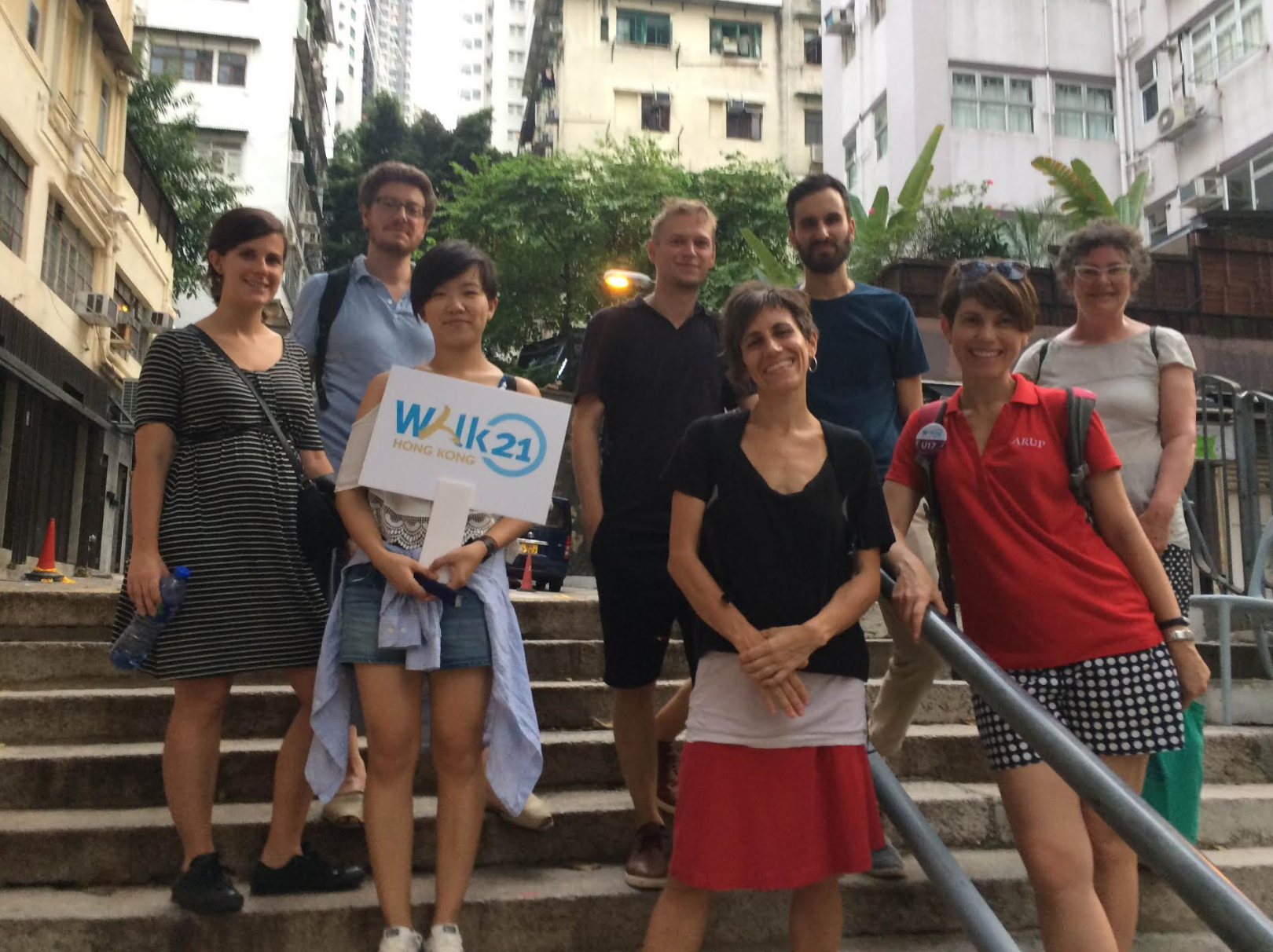
October 07, 2016
In the Know: Walking a cultural landscape of Hong Kong
Walk21 Walkshop
3:00-5:30pm, begin at Dominion Garden
Melissa led a walkshop for Walk21, taking a group of excited international walkers (visiting from Sao Paulo, New Zealand, Sweden, USA, Australia and HK) from Wan Chai through Central to Sheung Wan. More information and the route can be found here.
October 05, 2016
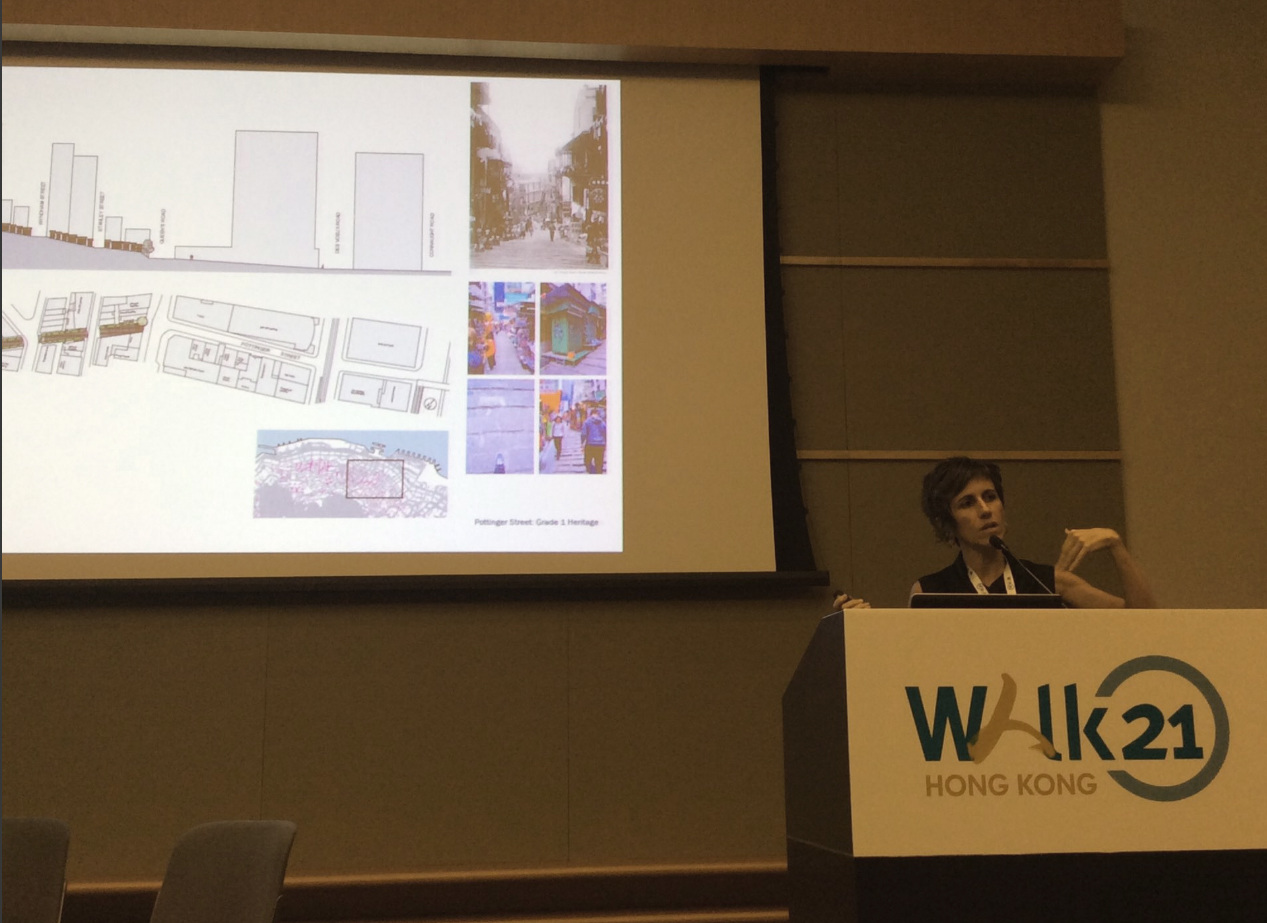
Walking, heritage and public space: Stair Culture in Hong Kong
Walk21 Hong Kong
Hong Kong Convention and Exhibition Centre
Wan Chai, Hong Kong
Melissa presented the history, background and current status of the Hong Kong Stair Archive project as part of Walk21 Hong Kong, the annual international conference on walking and liveable communities.
September 27, 2016
Urban Dialogues: Under Threat: The General Post Office & State Theatre
An event organised by Docomomo Hong Kong Chapter
Tuesday, September 27, 2016, 7:00-8:30 PM
Room KB 419, Knowles Building
The University of Hong Kong
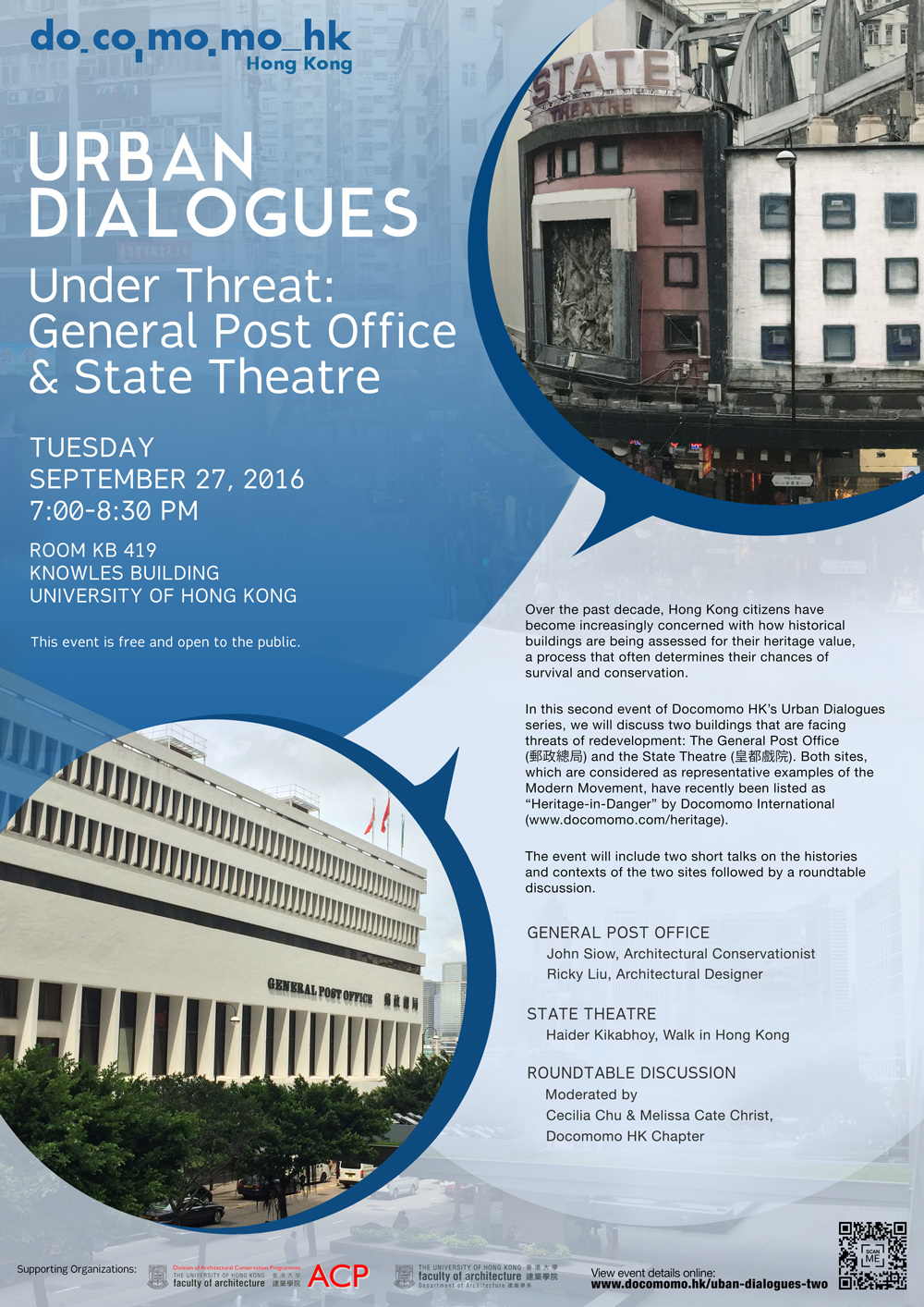
Please join us for a panel discussion about threatened heritage in Hong Kong. Over the past decade, Hong Kong citizens have become increasingly concerned with how historical buildings are being assessed for their heritage value, a process that often determines their chances of survival and conservation. In this second event of Docomomo HK’s Urban Dialogues series, we will discuss two buildings that are facing threats of redevelopment: The General Post Office (郵政總局) and the State Theatre (皇都戲院). Both sties, which are considered as representative examples of the Modern Movement, have recently been listed as “Heritage-in-Danger” by Docomomo International (www.docomomo.co/heritage).
The event will include two short talks on the histories and contexts of the two sites followed by a roundtable discussion. The event is free and open to the public.
Supporting Organisations: Division of Architectural Conservation Programmes (ACP), HKU; Department of Architecture, HKU.
http://www.docomomo.hk/urban-dialogues-two/
September 13, 2016
Inside out: applying experiential learning during the 2014 Hong Kong protests to an urban environmental design studio context
European Council of Landscape Architecture Schools (ECLAS) Conference 2016
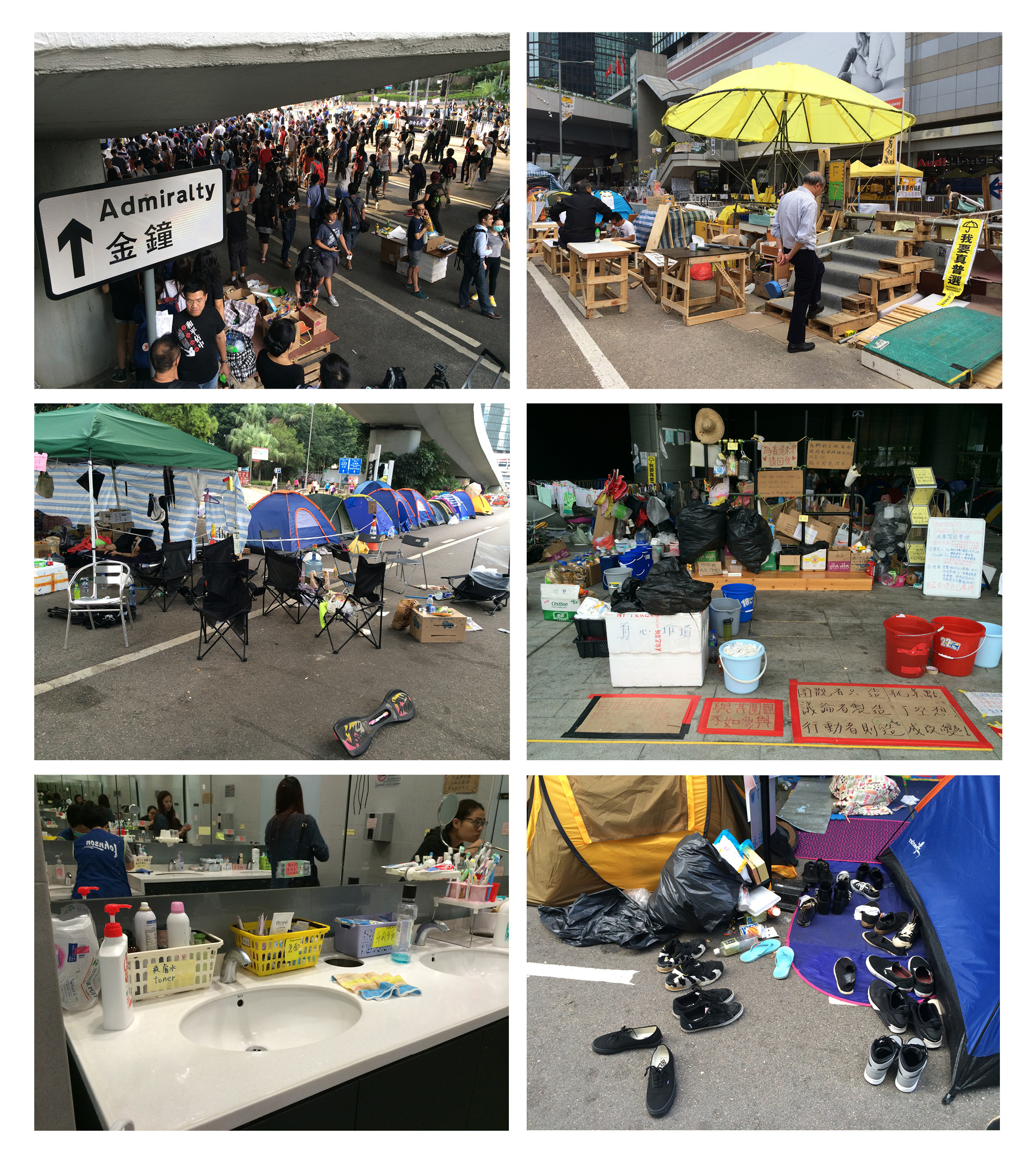
Melissa presented her paper at the annual ECLAS conference. From the abstract:
This article presents a brief overview of a third year undergraduate Interior and Environmental Design ‘option’ studio which aimed to engage students in the design of situated tactical ‘interior’ interventions in the ‘exterior’ urban landscape by drawing on their first-hand experiences of an informally occupied urban environment. It presents the background, programmatic concerns and methods of the transdisciplinary studio’s problem-setting approach. It then explores how the students’’s subjective observation and experience of a ‘real world’ scenario (i.e. of informally living outside during the 2014 Hong Kong protests, also termed the Umbrella Movement) translated to their ability to identify, map, diagram and analyse key issues and sites and whether and how that process enabled the students to effectively contextualize and envision hybrid ‘inside-out’ interventions.
August 23, 2016
Recover and Reduce Food Waste: Crowdsourcing Surplus Food Recovery in Hong Kong
RISUD Annual International Symposium 2016 – Smart Cities
PolyU, Hong Kong
Melissa presented an overview of her, Daisy Tam and Tomas Holderness’ collaborative project at PolyU’s multidisciplinary RISUD conference. From the paper abstract:
This paper presents an in-progress project which aims to reduce the amount of food waste generated in Hong Kong. Through the consolidation and analysis of data concerning existing food rescue practices and the development of an open source platform that facilitates crowdsourced surplus food recovery, this research and technological demonstration project aims to enhance the city’s capacity to recycle surplus food.
July 31, 2016
Daisy Tam publishes article on HK food security in Chinese online magazine The Initium
Daisy’s editorial 「看不見」的城市糧食安全危機 (roughly translates to [Invisible] Food Security Crisis) touches on issues of food security, poverty and food waste in Hong Kong. She also gave a related talk at the “Future of F&B in Hong Kong” networking lecture series at Metta to a packed house of HK’s F&B entrepreneurs.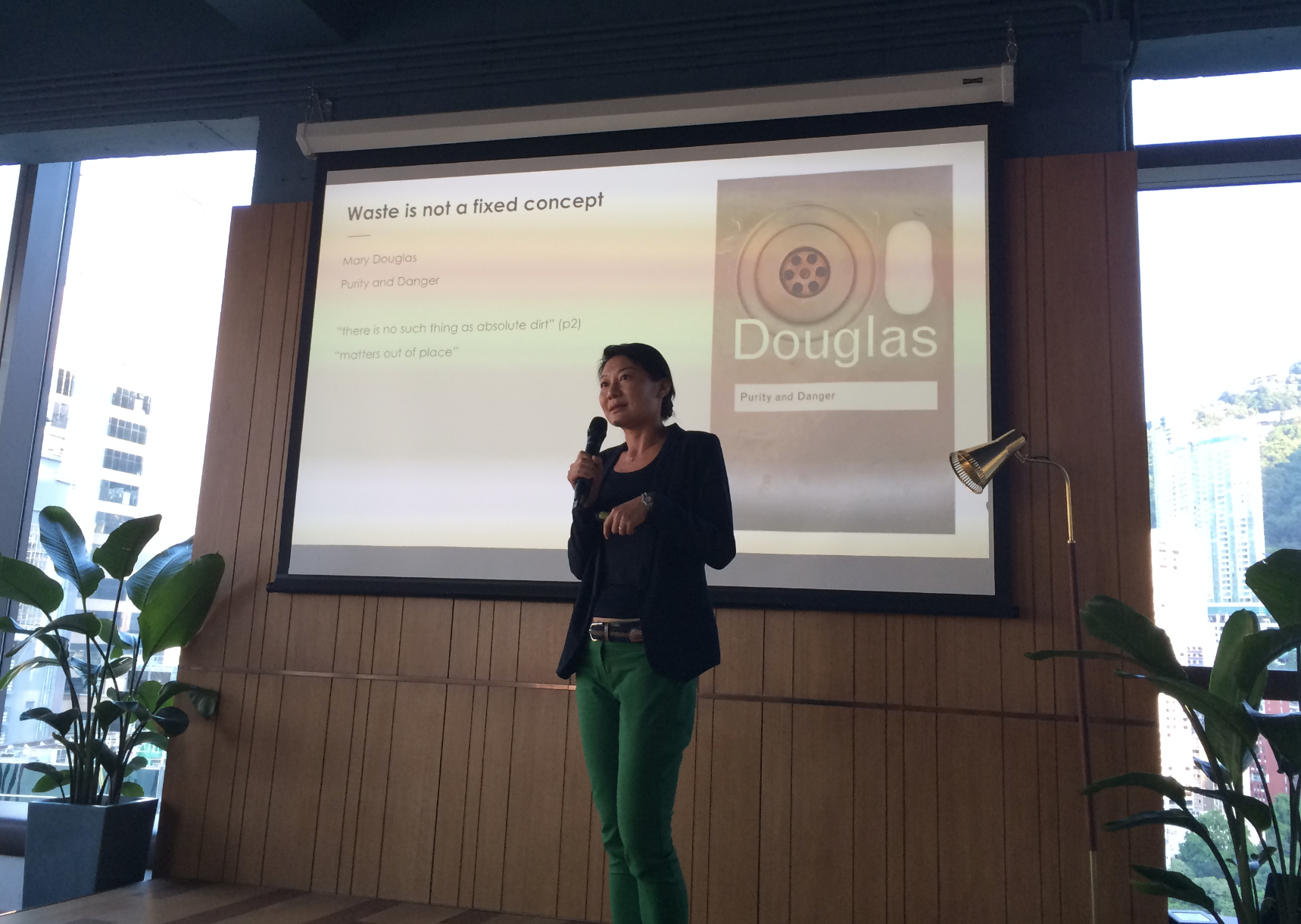
Daisy Tam, Food Security in HK, Metta, HK. July 29, 2016
June 27, 2016
Planter workshop with Rooftop Republic
French International School, Hong Kong
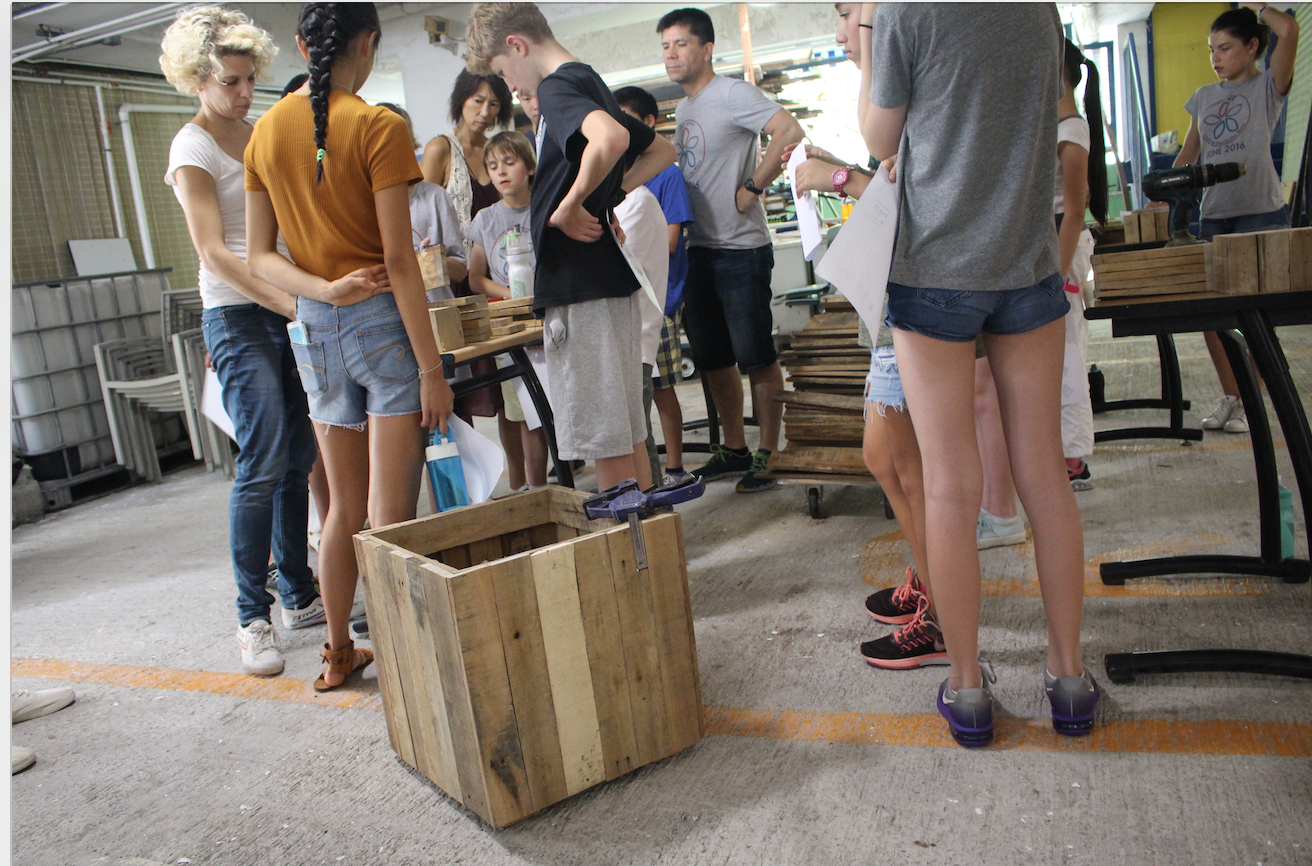
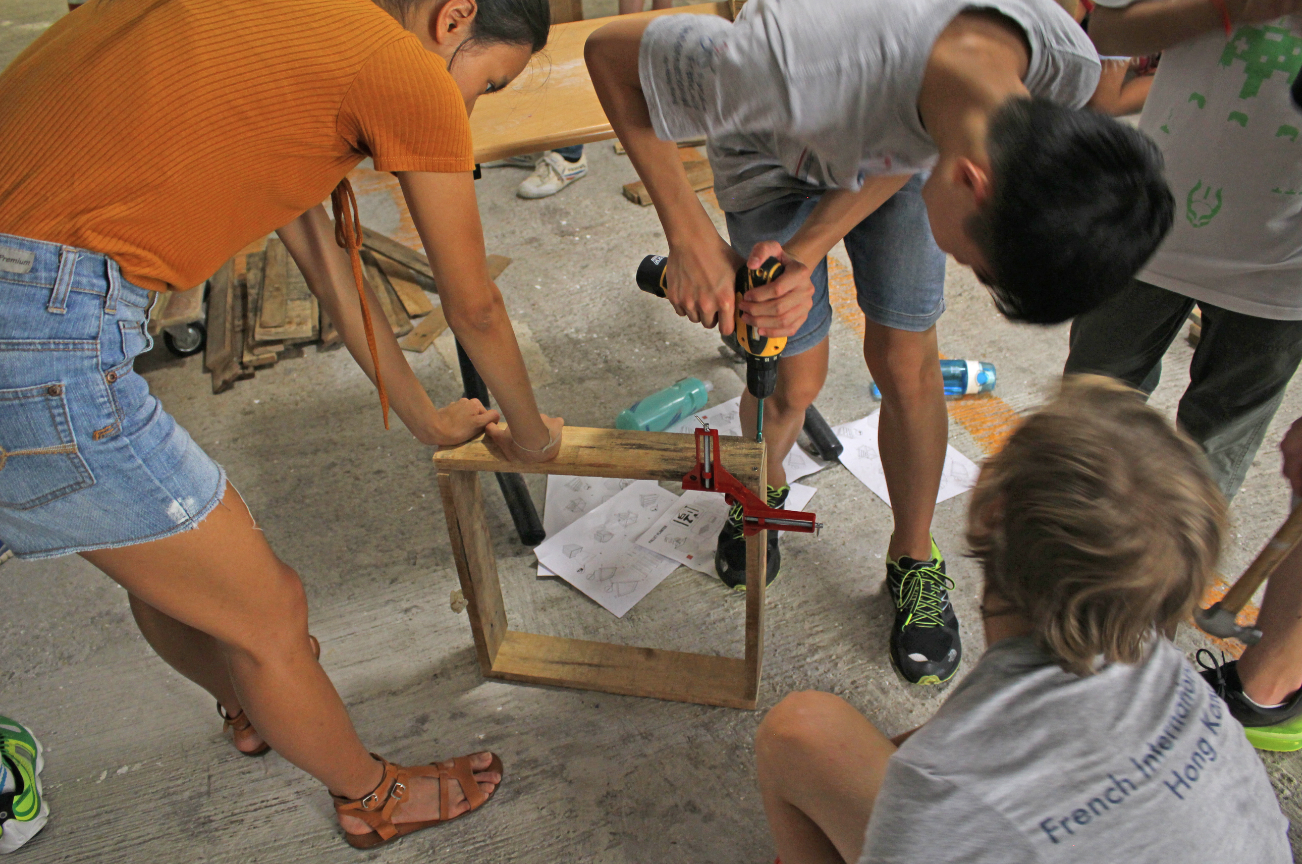
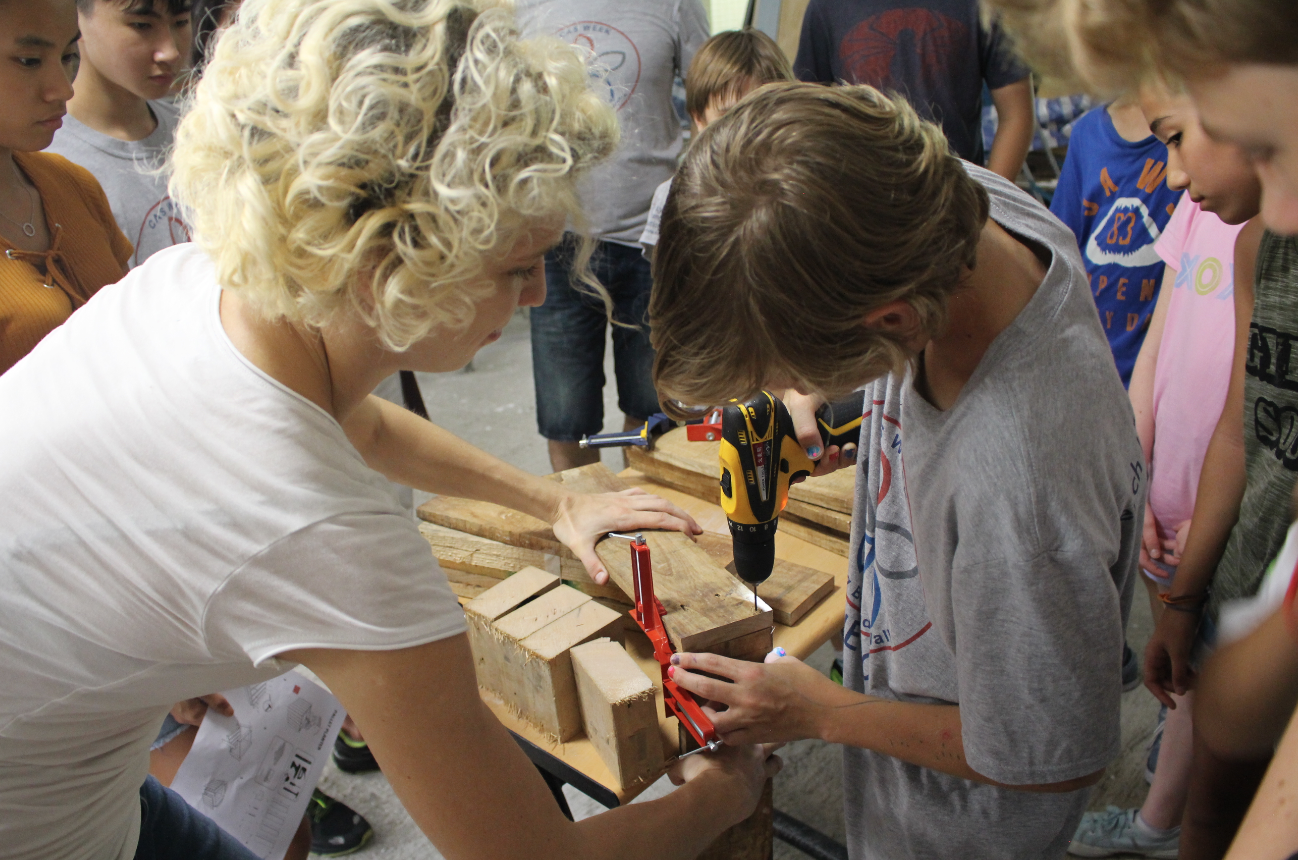
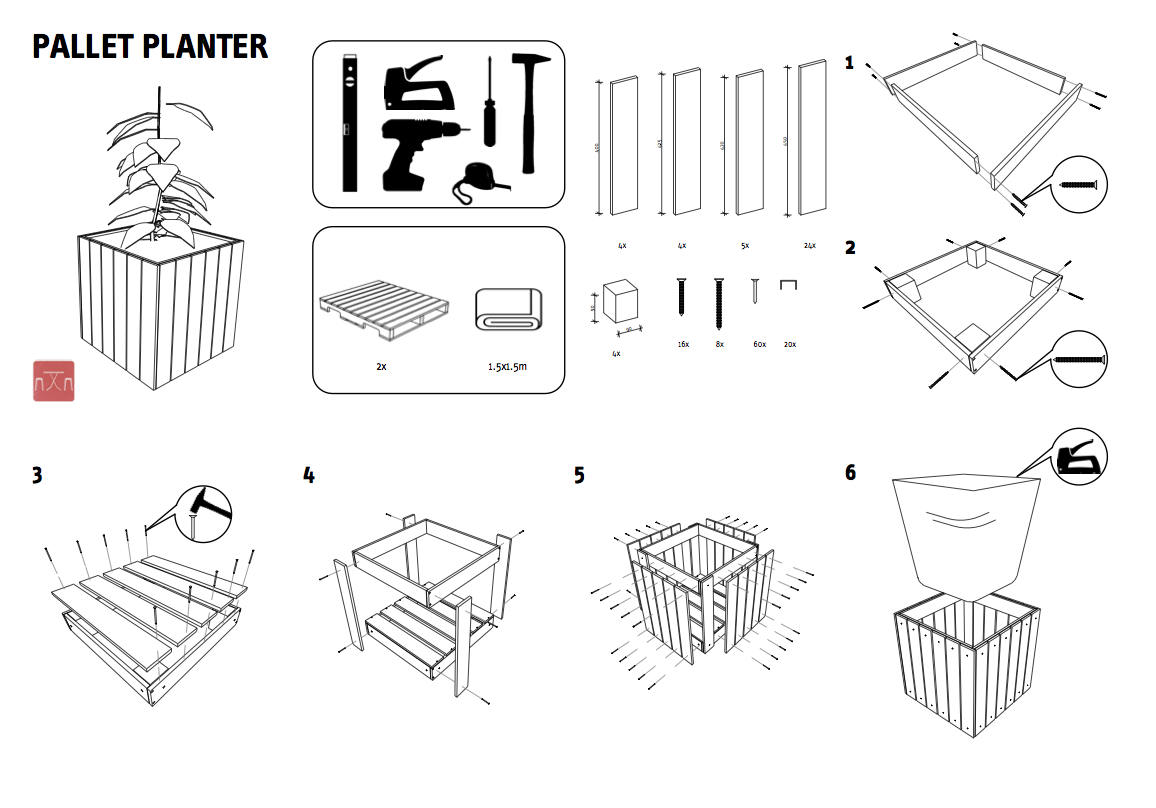
At the invitation of Rooftop Republic as part of their educational programming, Melissa and Susanne Trumpf of in dialogue designed and organized a planter making workshop for secondary school students. Led by Susi, with preparatory work conducted at Maker Bay, the 3 hour workshop engaged students in making 50cm x 50cm x 50cm planters from reclaimed pallet wood, gaining valuable hands-on training in the use of power and hand tools, as well as in collaborative group work. The planters will be used at the school as part of their community garden. Drawing Credit: Susanne Trumpf. Photo credits: Rooftop Republic
May 20, 2016
Article on Hong Kong stairs published in HK Magazine
Jessica Wei’s article includes interviews with Melissa about HK’s stair culture as well as with Google about their recent inclusion of several HK stairs as ‘see inside’ imagery on Google Street View.
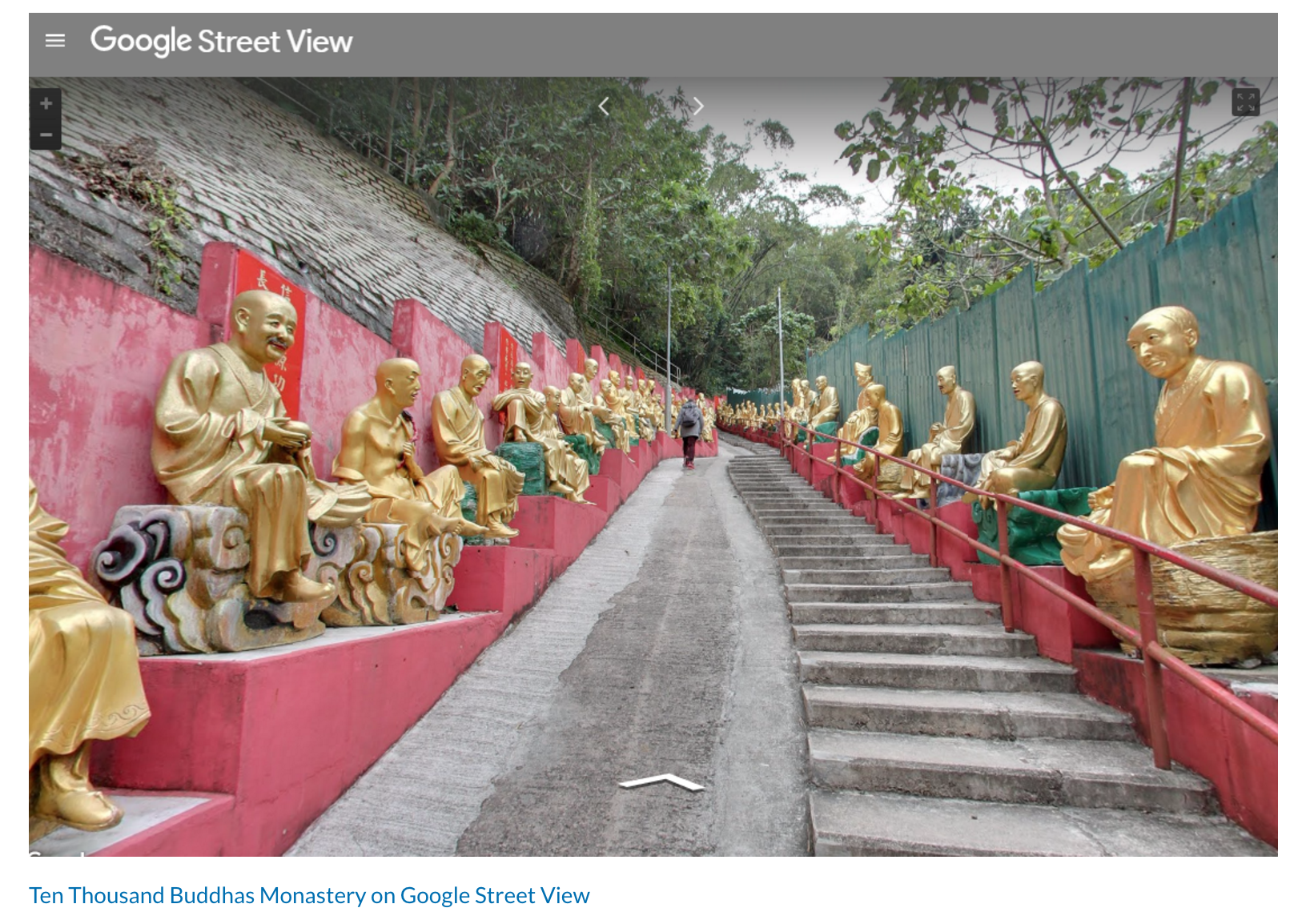 Image credit: HK Magazine
May 5, 2016
Article by Christopher DeWolf on Stair Culture project published in Zolima City Magazine
DeWolf‘s article “Stair Culture: Digging Into the Past and Present of Hong Kong’s Ladder Streets” gives a short overview of the Hong Kong Stair Archive project and the importance of stairs to Hong Kong’s history and culture. Thanks Chris for the profile!
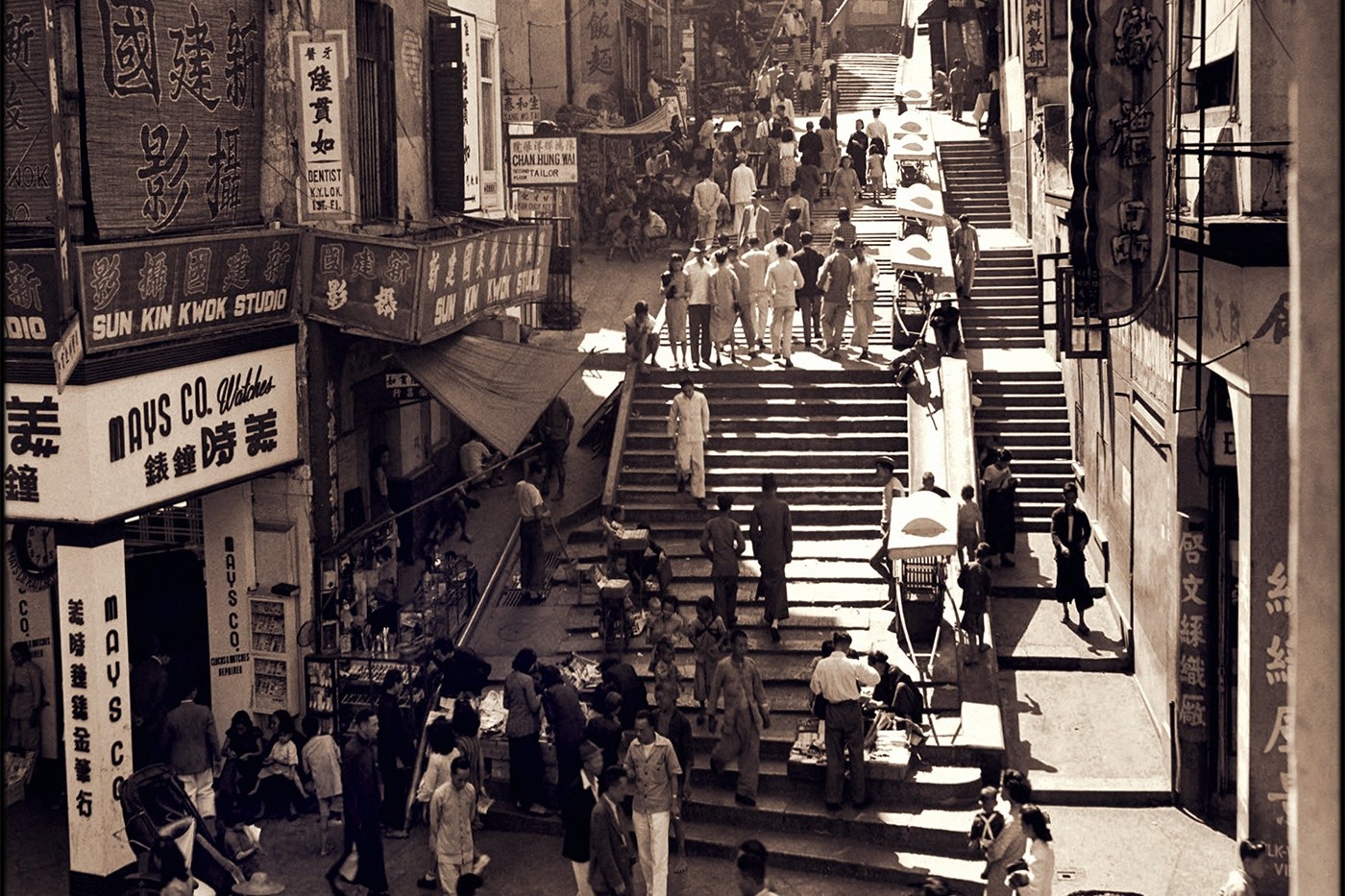 Pottinger Street, 1946 (Photo credit: Hedda Morrison)
April 26, 2016
Crowdsourcing the Smart City –
New Methodologies for Participatory Mapping & Civic Co-Management of Urban Environments
Public lecture by Dr. Tomas Holderness
6:30-8:00pm
V302, 3/F, Jockey Club Innovation Tower
School of Design, Hong Kong Polytechnic University
Please join us for a public lecture by visiting researcher Dr. Tomas Holderness entitled “Crowdsourcing the Smart City – New Methodologies for Participatory Mapping & Civic Co-Management of Urban Environments” in which Dr. Holderness will discuss his recent work at the Open Source Geospatial Lab at the University of Wollongong, including the award winning project PetaJakarta.org.
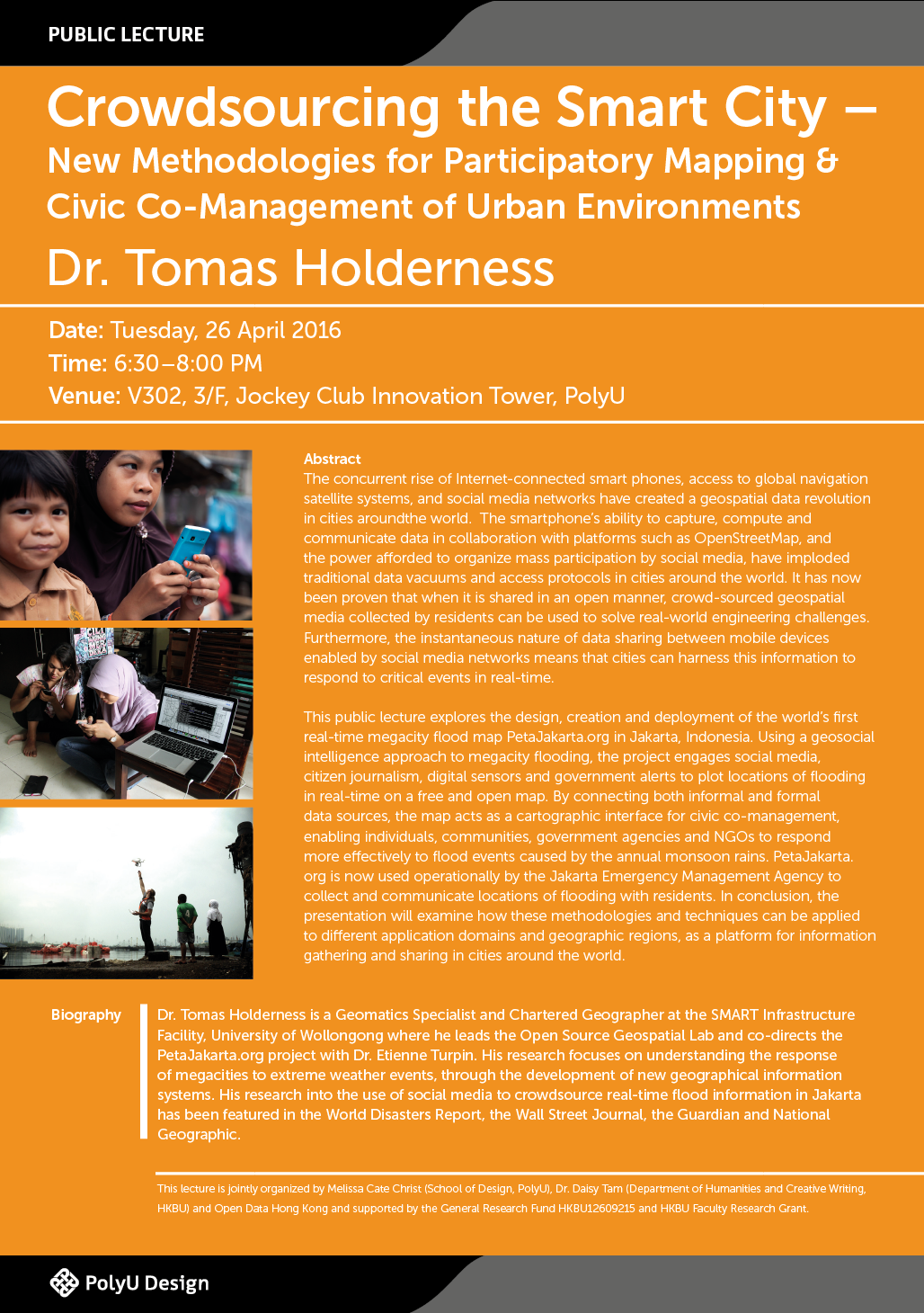
From the lecture abstract:
This public lecture explores the design, creation and deployment of the world’s first real-time megacity flood map PetaJakarta.org in Jakarta, Indonesia. Using a geosocial intelligence approach to megacity flooding, the project engages social media, citizen journalism, digital sensors and government alerts to plot locations of flooding in real-time on a free and open map.
This lecture is jointly organized by Melissa Cate Christ (School of Design, PolyU), Dr. Daisy Tam (Department of Humanities and Creative Writing, HKBU) and Open Data Hong Kong and is supported by the General Research Fund HKBU12609215 and HKBU Faculty Research Grant. See the lecture poster pdf here.
March 24, 2016
Urban Dialogues: Reconfiguring Hong Kong’s Central District
Panel organized by docomomo hong kong
Rm 419, Knowles Building, University of Hong Kong
6:30-8:45pm
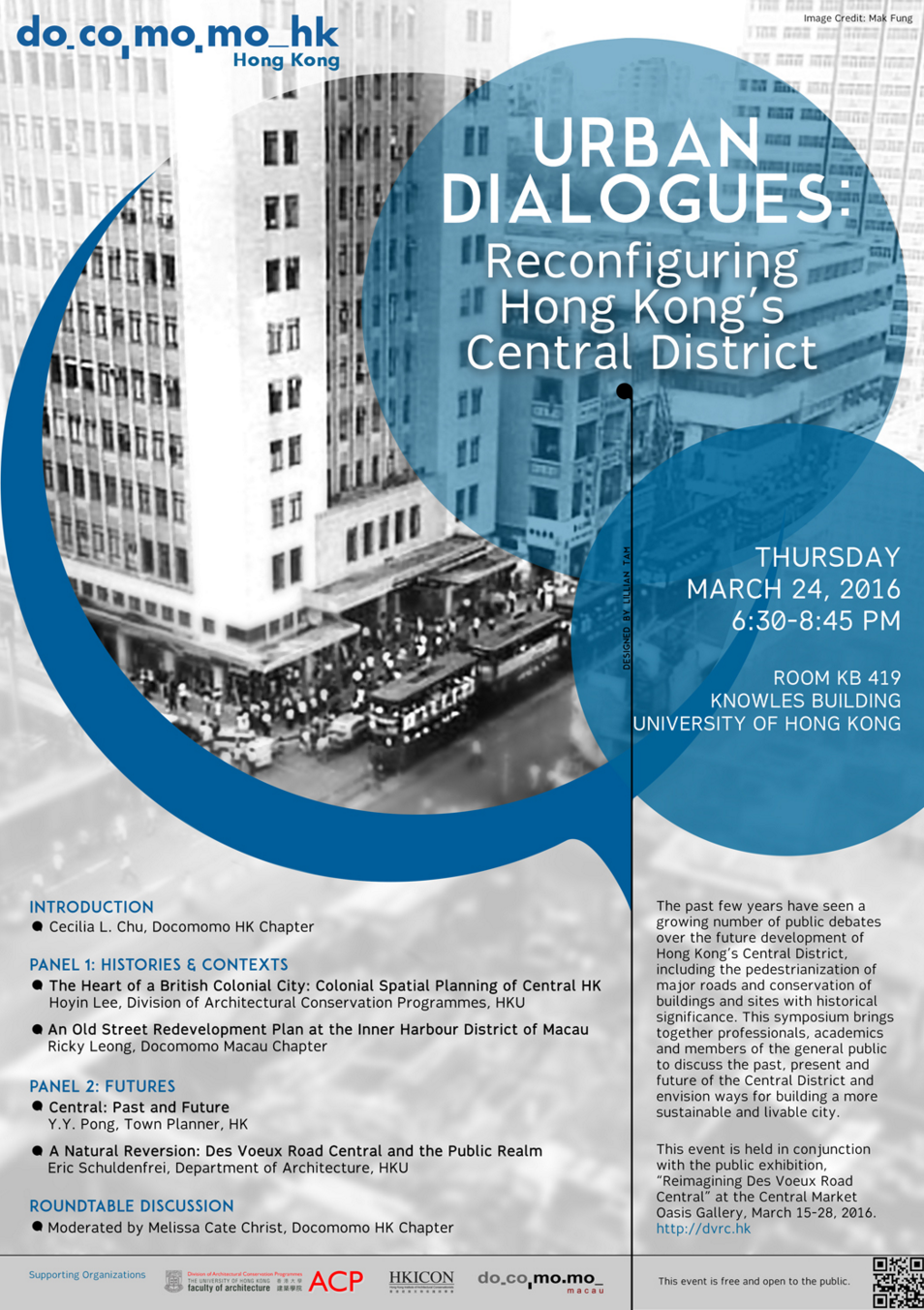 Melissa has been invited to moderate the roundtable discussion for the docomomo organized event ‘Urban Dialogues: Reconfiguring Hong Kong’s Central District’. From the event abstract:
The past few years have seen a growing number of public debates over the future development of Hong Kong’s Central District, including the pedestrianization of major roads and conservation of buildings and sites with historical significance. This symposium brings together professionals, academics and members of the general public to discuss the past, present and future of the Central District and envision ways for building a more sustainable and livable city.
Please join us for what promises to be an engaging event and lively discussion! This event is held in conjunction with the public exhibition, “Reimagining Des Voeux Road Central 改變始於想像:未來的德輔道中” at the Central Market Oasis Gallery, March 15-28, 2016. http://dvrc.hk. More information on the event and on docomomohk can be found here.
March 7-12, 2016
Urban Stairs as Public Spaces in High-Density Island Cities:
The Case of the Central and Western District of Hong Kong Island
Island Cities and Urban Archipelagos 2016 Conference
University of Hong Kong, Hong Kong
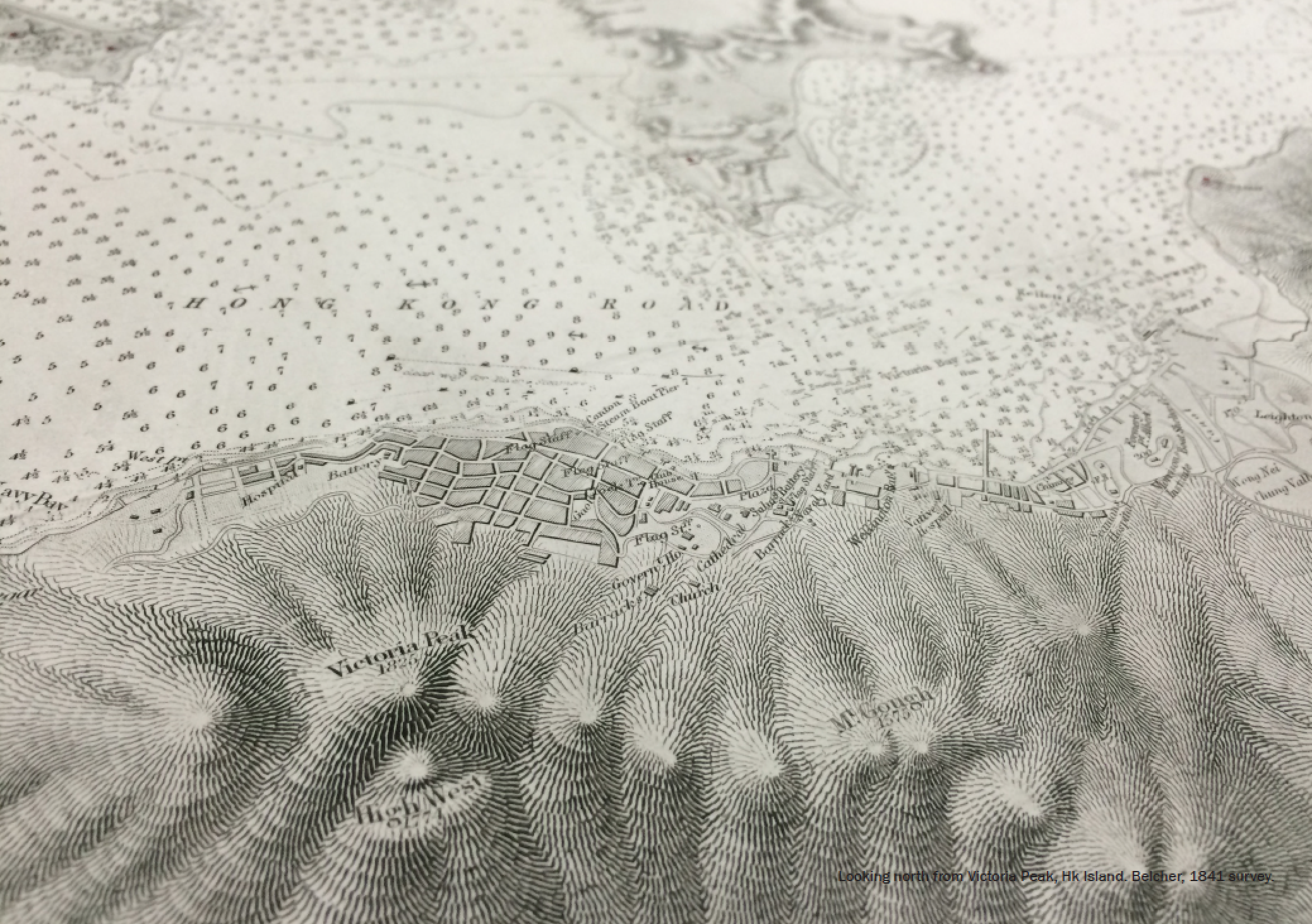 Melissa presented her research-in-progress on the RGC funded Hong Kong Stair Archive project at the Island Cities and Urban Archipelagos conference on March 09, 2016. From the conference abstract:
This conference brings together researchers from across the globe to explore urban life on islands and archipelagos. Islands are often associated with peripherality, yet they have long been important sites for the growth of cities. Physical separation from the mainland and spatial limitations can encourage the transport of products and ideas, improved defence infrastructure, construction of social capital, consolidation of political power, formation of vibrant cultures, and concentration of population. Some island cities were located on inland river islands and have since expanded far beyond their original borders while others are still strongly associated with their island cores. Fostering dialogue between the fields of island studies and urban studies, this interdisciplinary conference will feature presentations that explore and critique the varied connections between the urban and the insular from a diversity of perspectives on culture, planning, politics, architecture, economy, and environment in island cities worldwide. We welcome papers and panels focusing on individual case studies as well comparative analyses and conceptual frames.
More information about the conference, the Urban Island Studies journal and the Island Dynamic research group can be found here.
January 21, 2016
Stair walk: Shueng Wan to Wan Chai
Hong Kong Global Design Studio, UTS
Melissa was invited by Evelyn Kwok and Chris Gaul from the School of Design at the University of Technology Sydney to introduce their students to the HK Stair Archive project and some key HK heritage conservation issues and sites along a route from Shueng Wan to Wan Chai. The studio is an interdisciplinary design subject within the School of Design. It is a collaborative intensive studio that consists of a selection of 30 students from fashion design, product design and visual communication. Thanks to Evelyn and Chris for the invite and to the students for their insightful questions and comments, and for putting up with the rainy chilly weather (and the many stairs!) along this route, specially known by those ‘in the know’. More information about the UTS Global Design Studio program can be found here.
December 15, 2015
Hong Kong Stair Archive online (beta version)
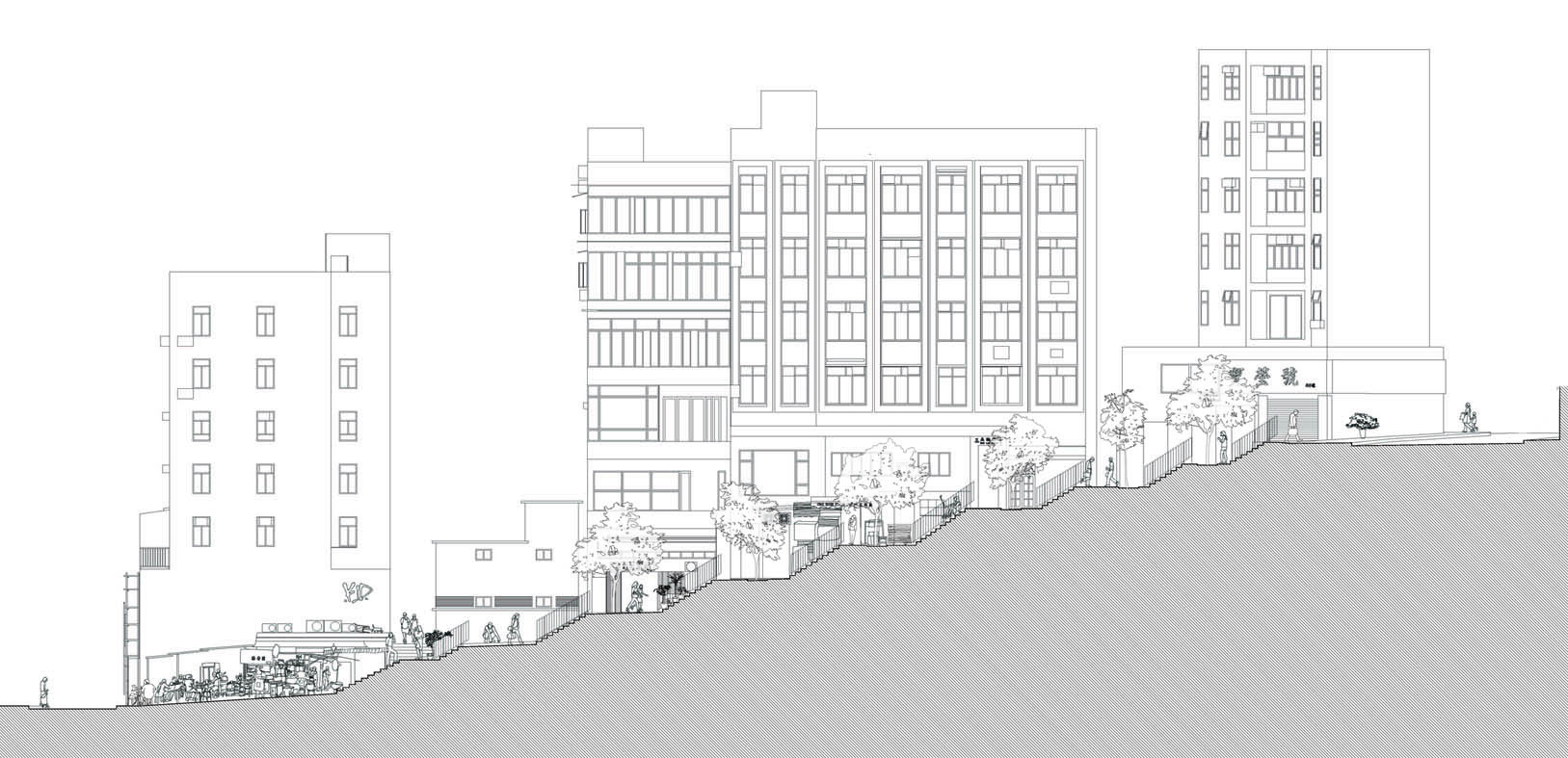
The Hong Kong Stair Archive (beta) website is up and running, with more materials being added everyday. Keep an eye out for updates and announcements about the site, exhibition, workshops/talks and call for artists and the publication. Also, please contact us if you want to take part in our crowdsourcing efforts to collect photos, stories and other information about stairs in Hong Kong or if you have other suggestions or comments!
December 14, 2015
Final Studio Review, BA(Hons) in Landscape Architecture
Faculty of Design and Environment, Thei, Kowloon Tong, HK
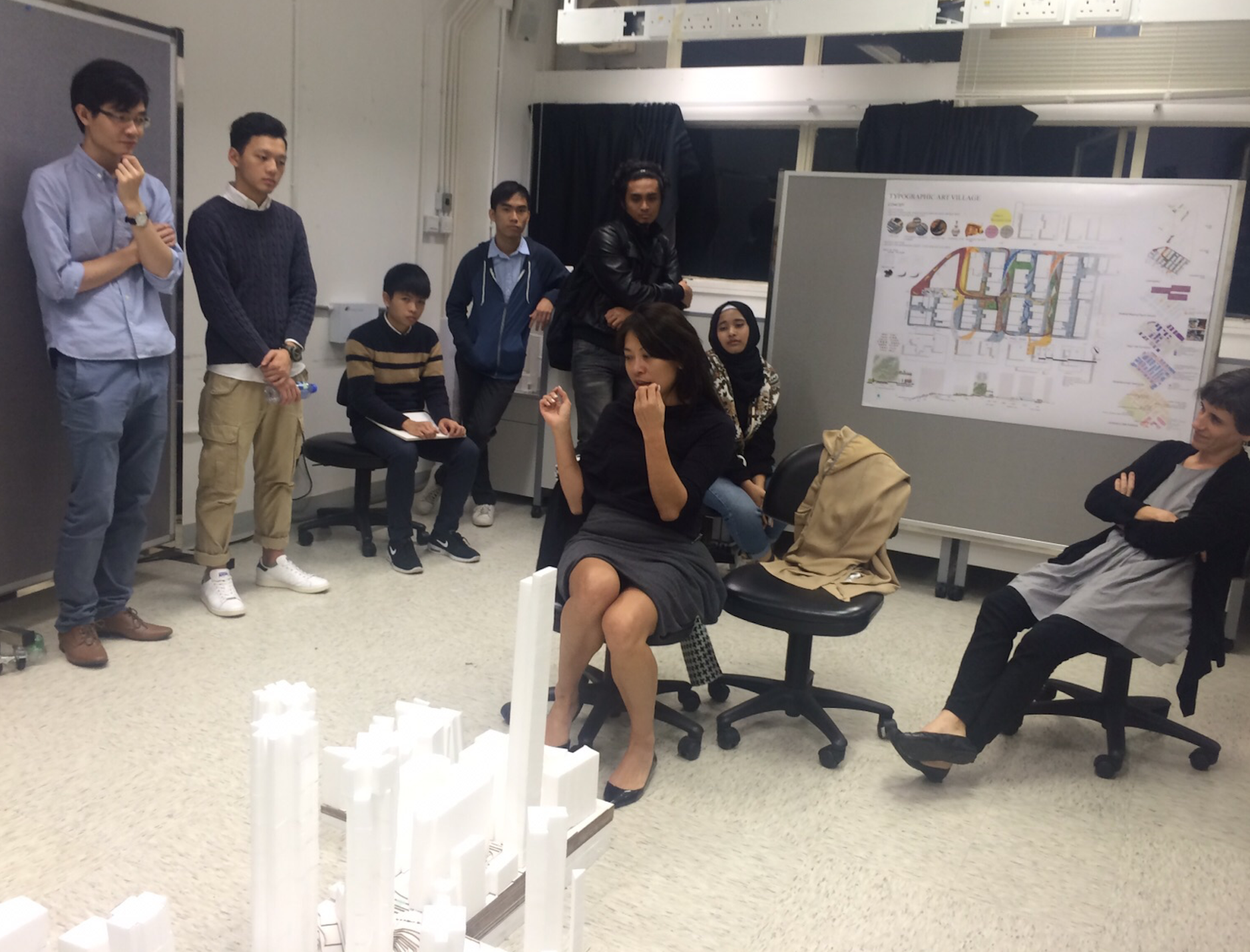
Melissa was invited to be a guest reviewer at the final studio presentation for the 3rd year of the BA(Hons) in Landscape Architecture program at Thei. Thanks very much to Amy Choy for the invitation to review and comment on her students’ work – it was an interesting and engaging afternoon!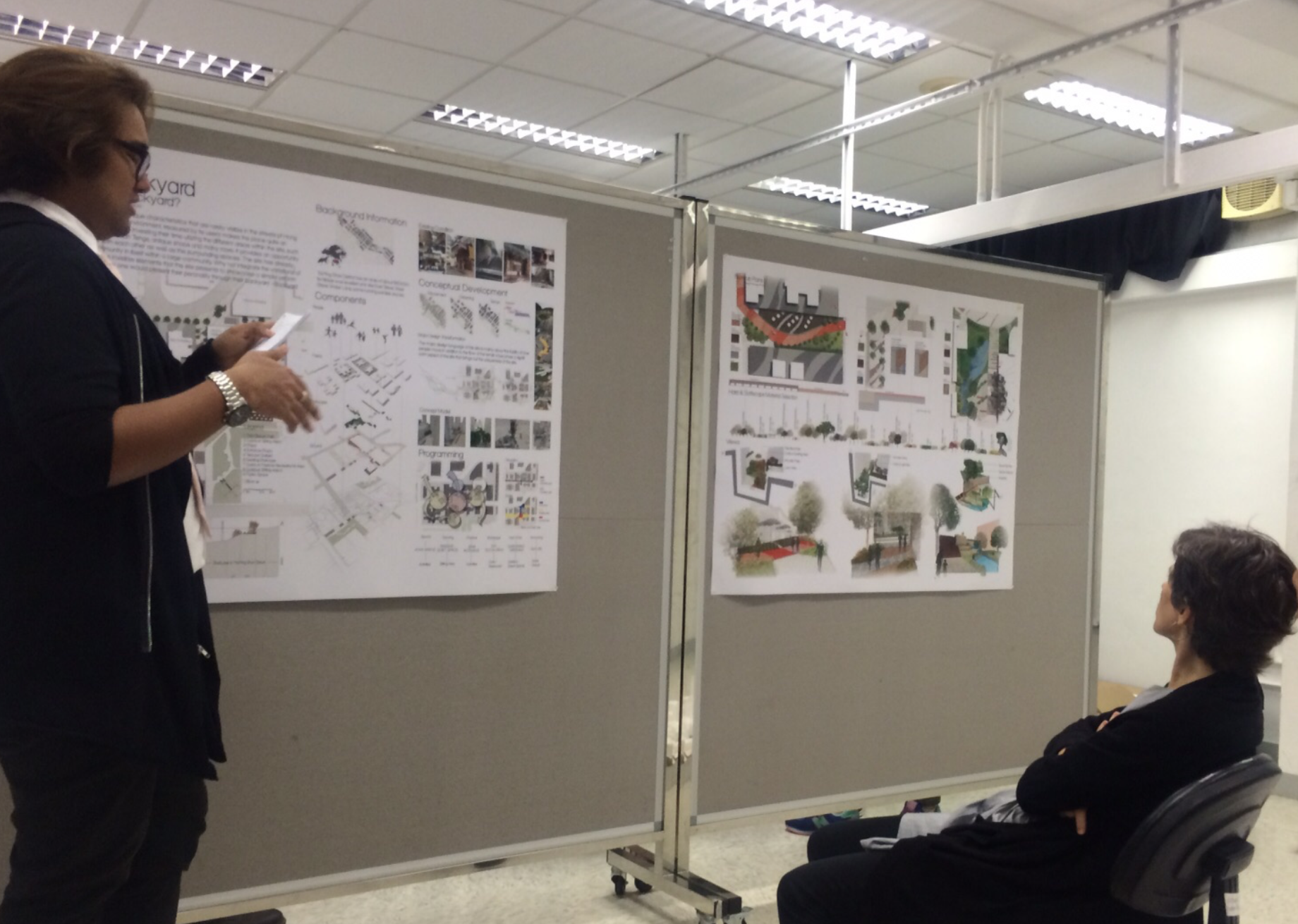
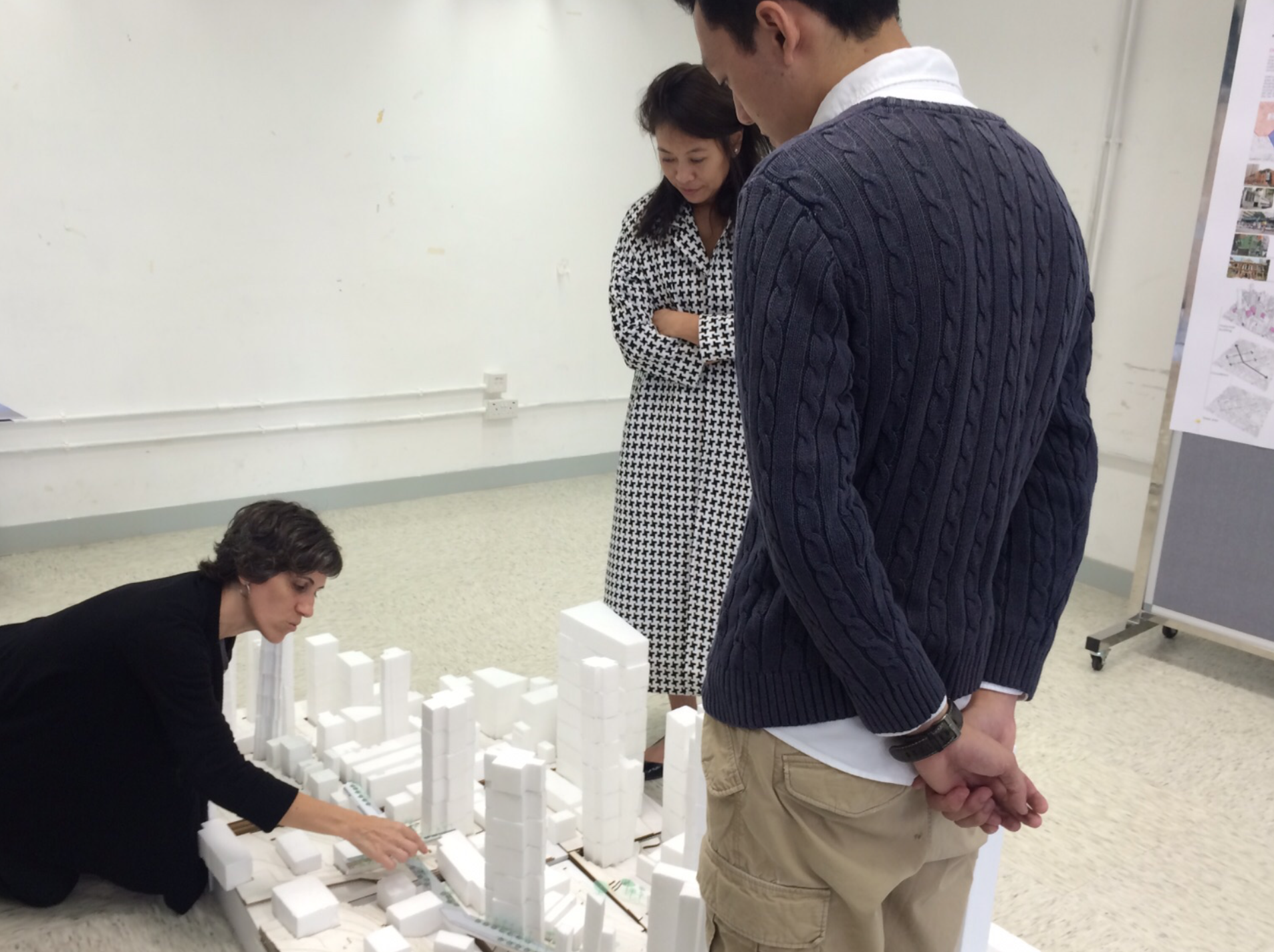
December 6-10, 2015
Listening to noise – people as sensors, enabling ethical food networks
Agri-food XXII Conference
Queenstown, New Zealand
Melissa and Daisy Tam (Hong Kong Baptist University) presented their paper co-written with Tomas Holderness (University of Wollingong), Listening to noise – people as sensors, enabling ethical food networks at the Agri-food XXII conference.
Paper abstract:
This paper looks at the individual in relation to urban food networks and explores the potential of the crowd as a means to enable a more ethical food system. The crowd is noise – dispersed individuals who are loose and unconnected. How can the crowd become a form of human-power sensor network that allows us to tune into the message? How can noise be used to challenge the existing system and allow for different sets of interdependencies to emerge? How can this model of commonality exist without collectivity? The import-distribute consume-dispose food system such as the one in Hong Kong is controlled by a handful of big players where individuals are relegated to their role as consumers. This paper explores alternatives that interrupt the linear model and allow disparate individuals to form collaborative practices for a more ethical food system. Ethics here is understood as a mode of operation, which articulates a set of relationships; it is a manner of being implicated in the provocation of actions; it is also generative, creating a series of radiating effect which impacts upon the community.
November 21, 2016
A path to increasing food security in Hong Kong?
Food sovereignty, food waste reduction, and local food production
Ming Pao Weekly (in Traditional Chinese)
Melissa has published a short editorial in the Hong Kong magazine Ming Pao Weekly advocating for the need to address food insecurity in Hong Kong. The full text is below or you can read it online (in English) here. 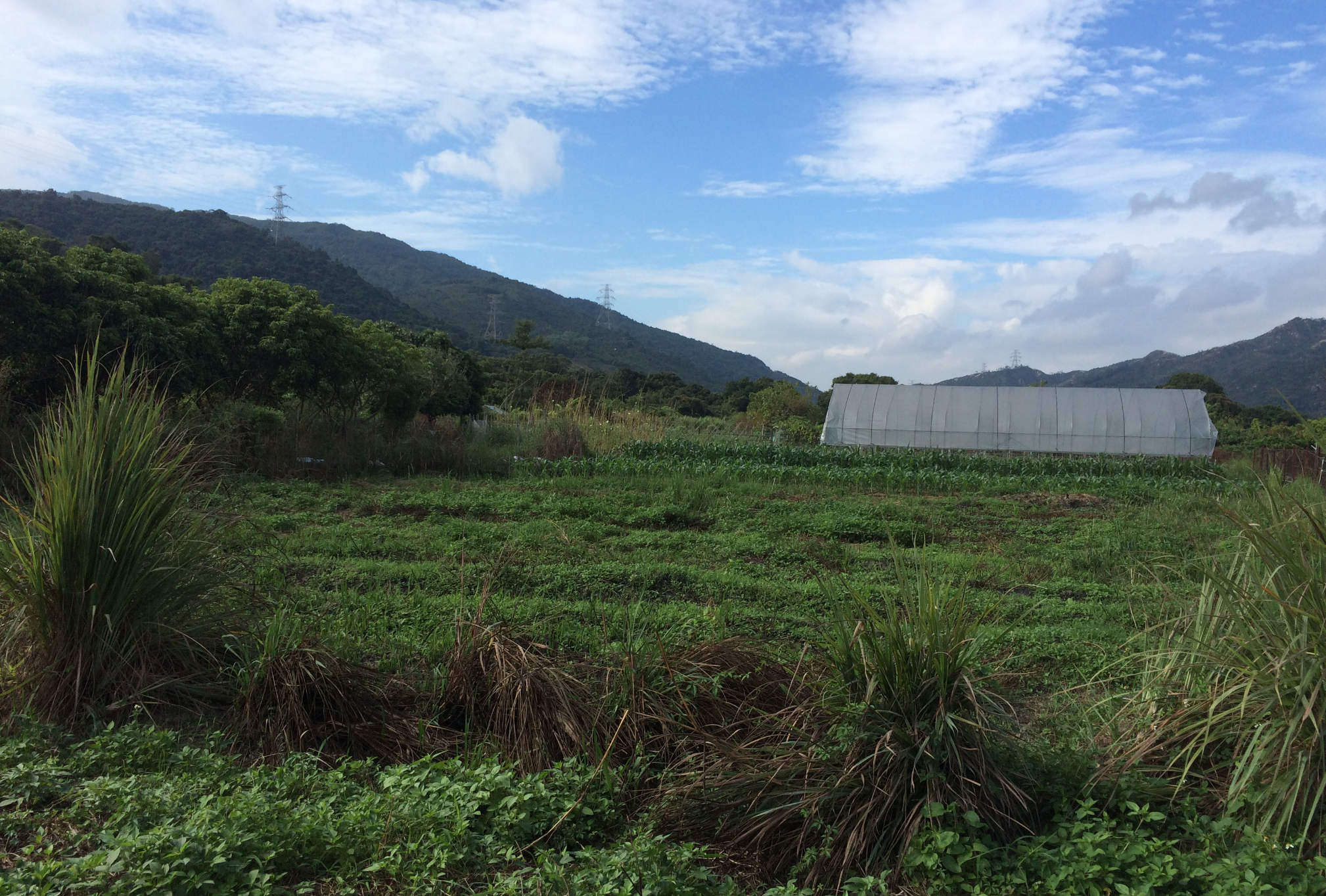
Choi Yuen Farm Photo credit: Melissa Cate Christ
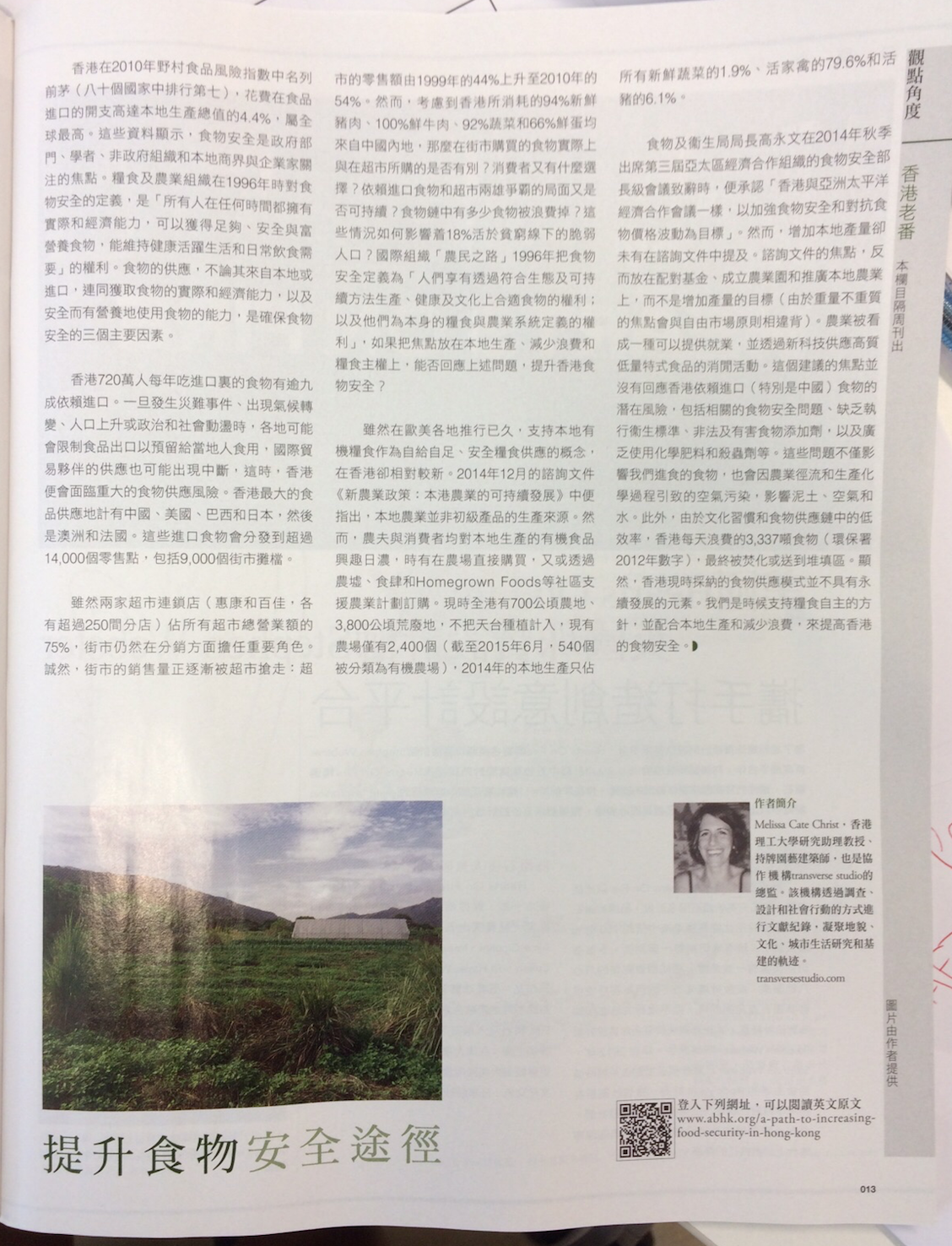
Ranked high on Nomura’s 2010 Food Vulnerability Index (7th of 80 countries), and with 4.4% of GDP spent on food imports (the highest in the world), Hong Kong’s food security is an area of concern and focus by government bodies, academics, NGOs, and local businesses and entrepreneurs. Food security is defined as the right of “all people, at all times, [to] have physical and economic access to sufficient, safe and nutritious food to meet their dietary needs and food preferences for an active and healthy life” (FAO, 1996). The availability of food, either through local supply or imports, along with physical and economic access to food and the ability to utilize food both safely and nutritionally, are the three primary dimensions of ensuring food security.
In Hong Kong, we rely on imports for over 90% of the food which our 7.2m people eat each year, putting the city at a high risk of food unavailability given conditions such as disaster events, climate change, population increase or political and social unrest that can restrict exports to reserve food for local populations, or disrupt supplies from international trading partners. Top importers include China, USA, Brazil and Japan, followed closely by Australia and France. These imports are distributed to over 14,000 food retail outlets, including over 9,000 wet market stalls.
Although two supermarket chains (Welcome and ParknShop, with over 250 outlets each) account for 75% of all supermarket turnover, wet markets continue to play an important role in distribution and sales, but are losing sales to supermarkets, which are up to 54% of total retail sales in 2010 from 44% in 1995. However, considering that Mainland China provides 94% of the fresh pork, 100% of the fresh beef, 92% of vegetables and 66% of eggs consumed in HK, is food at a wet market actually any different than that bought at a supermarket? What choice do consumers really have? Is this reliance on imports and a supermarket duopoly sustainable? How much of that food is wasted along the food chain? How do these situations impact vulnerable populations, such as the 18% of residents who live below the poverty line? Can a focus on local production, food waste reduction, and food sovereignty, which is defined as “the right of peoples to healthy and culturally appropriate food produced through ecologically sound and sustainable methods, and their right to define their own food and agriculture systems” (La Via Campesina, 1996), address these questions and increase food security in Hong Kong?
Although well established in the USA and Europe, support of local, organic food as a means to a self-sustaining, secure food supply, is relatively new in HK, given the statement in the December 2014 consultation document, “New Agricultural Policy: Sustainable Agricultural Development in HK”, that local agriculture is not a means of primary production. However, farmers and consumers are increasingly interested in locally produced, organic food either for direct purchase onsite, through farmer’s markets, in restaurants or through modified CSA programs such as Homegrown Foods. But with a total of only 2400 farms (540 classified as organic as of June 2015) on 700 hectares, 3800 hectares considered abandoned farmland and no accounting for the production of rooftop farms, local production was calculated as only 1.9% of fresh vegetables, 79.6% of live poultry and 6.1% of live pigs in 2014.
The Fall 2014 speech by Secretary for Food & Health Dr Ko Wing-man acknowledged that “HK shares APEC’s goal of strengthening food security and fighting against the volatility of food prices”, however increasing the amount of local production was barely mentioned in the consultation document. It focused instead on a matching fund, establishing AgriParks and promoting local agriculture, not with targets for production increase (since a focus on quantity, rather than quality, would go against free market principles), but as a leisure activity that can provide employment and high quality, but low quantities of specialty foods through new technologies. This proposed focus does not acknowledge the potential risk of food unavailability and utilization due to the HK’s reliance on imports, especially from Mainland China, with its food safety issues, lack of hygiene standard enforcement, illegal and harmful food additives and the widespread use of chemical fertilizers and pesticides. These issues not only affect the food we eat but also impact the soil, air and water through agricultural run-off and air pollution from chemical manufacturing processes. Add to this cultural practices and inefficiencies in the food chain that lead to 3,337 tonnes/day of food being wasted (EPD, 2012) and ending up incinerated or in landfills, it becomes apparent that the current model of food supply in HK is not sustainable. It is time to support a food sovereignty approach, in combination with local production and food waste reduction, to increase food security in Hong Kong.
October 6, 2015
Food Security and the Commons: the case of Singapore
GDAR1026 Food Culture and Society course
Hong Kong Baptist University, Hong Kong
Melissa was invited by Daisy Tam to present her paper on urban agriculture and food security in Singapore to undergraduate students from Baptist University. The course also includes hands-on gardening and site visits to Hong Kong organic farms.
July 4, 2015
Taipingshan Secrets
Part of the Asia Art Archive’s 2nd annual Open Saturday
Produced by transverse studio, Pound Lane Concern Group and Taipingshan Community Storytelling
As part of the Asia Art Archive’s Open Saturday, transverse studio is working with the Pound Lane Concern Group and Taipingshan Community Storytelling to produce Taipingshan Secrets: A self-guided scavenger hunt and tour. We are providing participants with a Cantonese/English map with a series of clues to discover special or secret parts of the neighbourhood. Pick up our special edition map at the AAA library to discover some of the hidden secrets of Taipingshan, and find out about more of the events occurring on Open Saturday here.
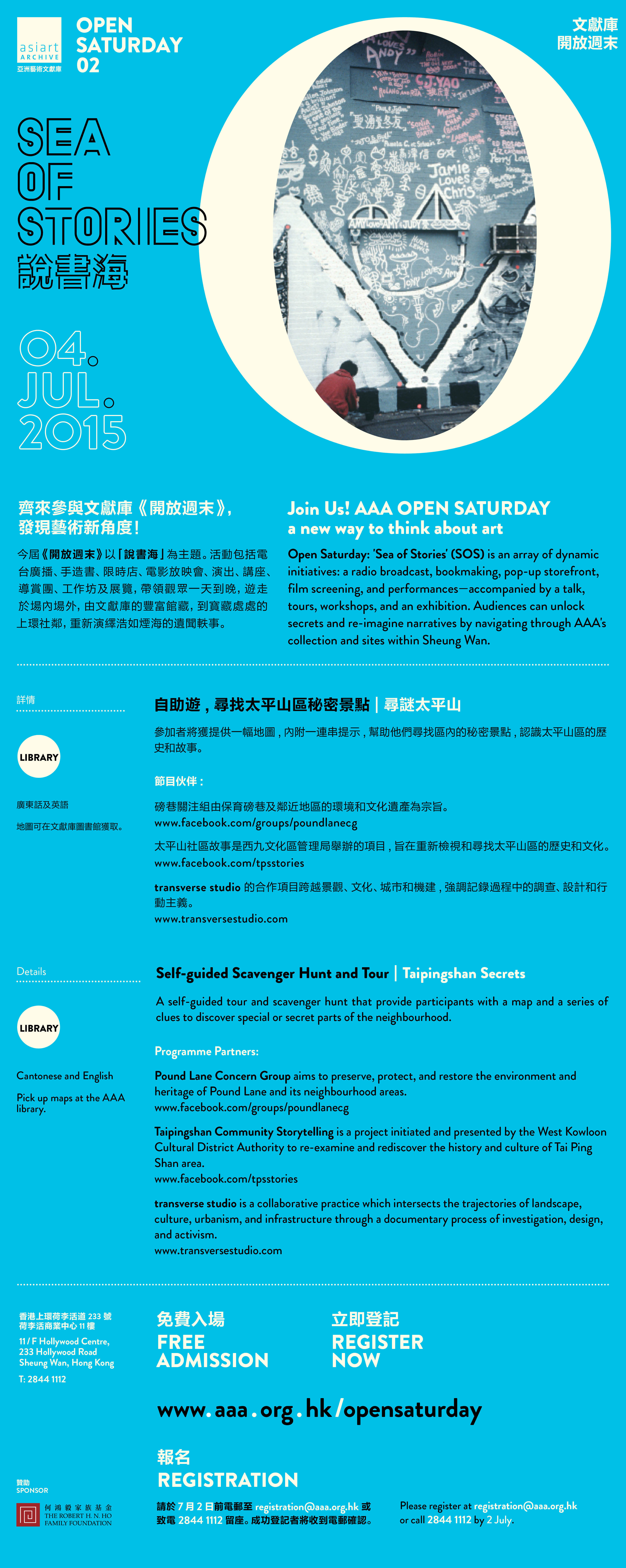
May 3, 2015
#MapPokfulam project featured on TVB’s Sunday Report
(in Cantonese)
Our MapPokfulam project has been featured on the most recent episode of the TVB program Sunday Report. The program focuses on three community / grassroots mapping projects in Hong Kong and includes an interview with Melissa and Benjamin Sin. See the program here. 
This community mapping project is supported by the Hong Kong Southern District Council and the Southern District Health and Safety Association in collaboration with Caritas and the Pokfulam Village Cultural Landscape Conservation Group, Pokfulam Villagers and university students.
March 29, 2015
Car-free Sundays: A Hong Kong Edition?
Ming Pao Weekly (in Traditional Chinese)
Melissa has published a short editorial in the Hong Kong magazine Ming Pao weekly advocating for the implementation of Car-free Sundays in Hong Kong. The full text is below or you can read it online (in English) here. Also see Yanni Chan’s piece for Hong Kong Magazine “Yes. We Can Have a Walkable Central” for a more in-depth look at the issue.
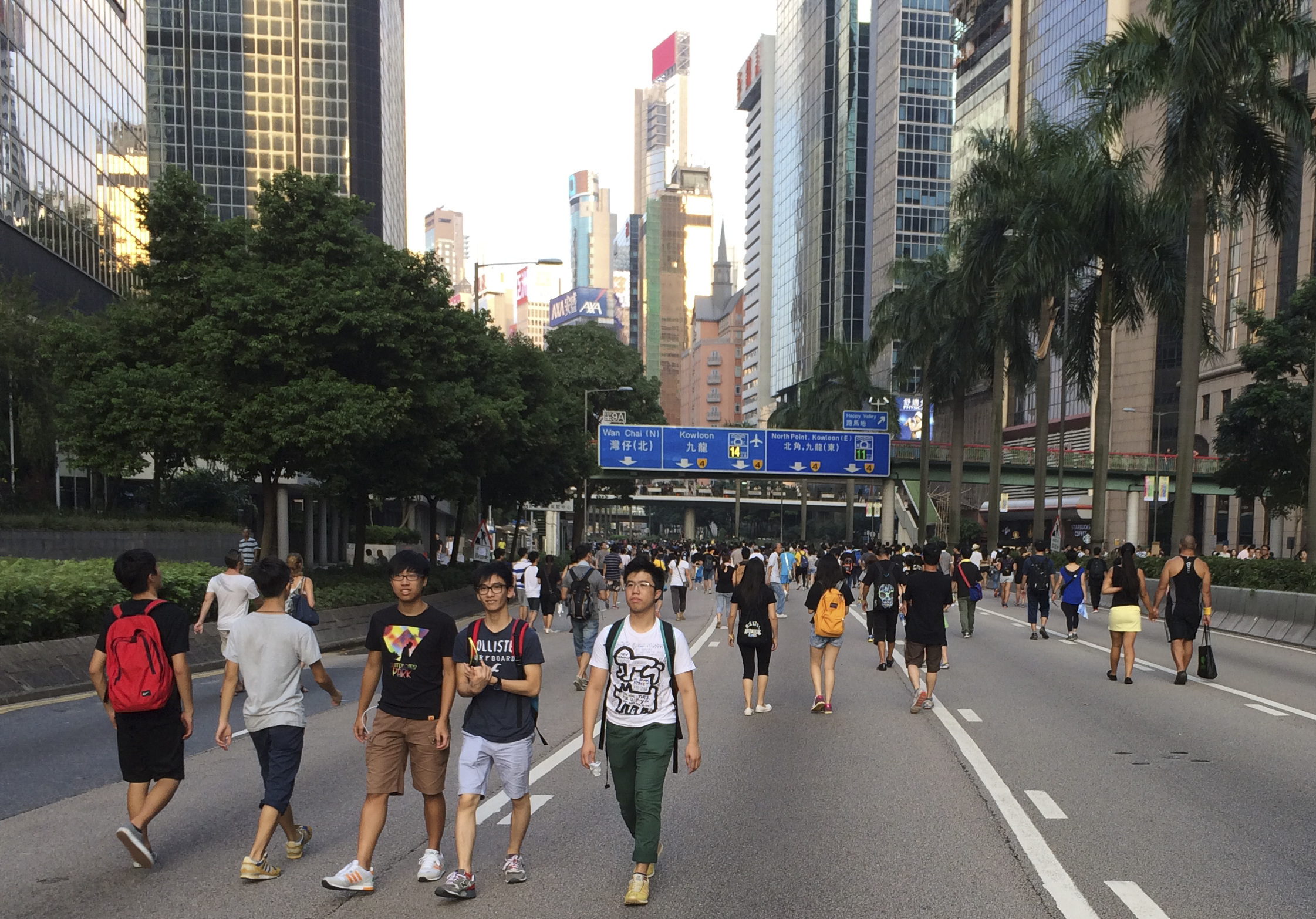 Umbrella Movement, October 2015 Photo credit: Melissa Cate Christ
Can we reoccupy and redesign Hong Kong’s streets to prioritize people over vehicles? It seems we can. For, as demonstrated by the transformation of key vehicular streets into dynamic pedestrian environments during the 2014 Umbrella Movement, Hong Kong’s urban landscape has the capacity to provide for the needs of a large number of people, from the essential to the environmental to the socio-political. Beyond evaluating the success or failure of the Movement’s political demand for ‘true universal suffrage’, the occupation reinvigorated a cultural awareness regarding Hong Kong’s perpetual spatial inequality and degraded living environment. The Umbrella Movement created a community, composed not just of those who support social and political equality, but also of those who support spatial equality and the possibility of prioritizing people over vehicles as a way to co-create a more liveable and sustainable city. The Movement’s tactical and nuanced occupation and traversal of spaces previously (and now, again) devoted to cars or restricted by rules and regulations to single uses can be seen as a provocative starting point to imagine strategies and tactics for the reprogramming of Hong Kong’s streets. One of those tactics is the re-implementation of car-free stretches of street or highway according to an internationally widespread practice, Car-free Sundays.
The benefits of ‘car-free’ days in Hong Kong have already been proven. Blockading the streets during the Umbrella Movement was a tactic to force negotiation, but it also improved the environment in Hong Kong. Roadside pollution levels dropped over 40% during the protests according to the Clean Air Network, noise levels were significantly lowered and the closed streets became wide communal public spaces – giant sidewalks and plazas that accommodated every kind of pedestrian activity, from walking to skateboarding to eating to studying to sleeping. In addition to the environmental and social benefits, in Admiralty in particular, the ability to cross at grade and to walk or bike from Central to Causeway Bay, opened up a whole new logistical landscape and way to travel through the city which is faster, and more encouraging of a healthy, active lifestyle than the MTR, tram, bus, taxi or private vehicle.
Can Hong Kong design its urban landscape to transform itself into a livable, healthy, walkable city? After this experiment in which a highway became a boulevard, and acknowledging the environmental and social benefits of pedestrianization, can we keep the momentum going to eventually transform Hong Kong’s streets and highways into ‘complete streets’, where safe access for all users is emphasized, where people are given priority over vehicles? In this future city, sidewalks are wider, fences are removed, crosswalks and signaled intersections are installed, roads are narrower, speed limits are lowered and space is made for benches, vegetation and chatting? All these are possible – if we can imagine Connaught or Nathan Road as a pleasant place to walk, other main thoroughfares (such as Caine or Garden Road on Hong Kong Island for a start) could be next.
So to further test the viability of reducing traffic and to increase residents demand for a safe and healthy urban environment in Hong Kong, why not establish car-free Sundays? A weekly event would show Hong Kong’s commitment to improving the living environment of the city.Hong Kong’s public transit network is world famous for its investment model and efficiency, but in order to take the next step towards a sustainable future by reducing the speed, number and trips made by vehicles in the city, including buses, taxis and minibuses, people need to be able to walk, cycle and take other forms of non-motorized transport. Why not repeat every week what has already been shown during the Umbrella Movement: people want to walk from Central to Causeway Bay and that the cessation of vehicular traffic on those barricaded roads significantly improved air quality and significantly reduced noise pollution.
There are precedents around the world for Car-free Sundays, including Jakarta, Seattle, San Francisco and Bogota. Hong Kong would have a number of models to choose from, some of which have led to the conversion of highways into boulevards and the implementation of permanent improvements which lowered speed limits and improved safety and air quality. In others, the closed or reduced streets act as temporary public spaces for festivals and gatherings, cafes, theatres or just chill-out spaces to meet and greet friends and family. With car-free Sundays, the people of Hong Kong would have the opportunity to connect with their neighbors and walk, bike, scoot, rollerblade, stroll, or dance in a pollution-free, spatially equitable environment. Occupying these spaces with people, rather than vehicles, is the first step towards making Hong Kong a truly equitable and liveable city. Its time for Car-free Sundays in Hong Kong.
March 28, 2015
Sites of Collision: Defining Grounds of Exception in Hong Kong
Association of Asian Studies 2015 Annual Conference
5:00-7:00pm
Sheraton Towers, Chicago
Photo credit: Melissa Cate Christ
As part of the panel, “Envisioning the Future Chinese City at the Margins: Spatial production and Representation in Macau, Hong Kong and Taiwan” with Janet Ng (CUNY), Chun Chun Ting (University of Chicago) and Auru Lee (CUNY), Melissa will present her paper, “Sites of Collision: Defining Grounds of Exception in Hong Kong”.
Paper abstract:
As a city that has long leveraged its geo-political and economic position between the global economy and China, Hong Kong offers key examples of the power of exception as a tool of development. Today Hong Kong is at a pivotal moment in its history – between a collaborative British colony (Law 2009) and a hyper-dense Special Administrative Region soon to become just another mid-sized Chinese city in the Pearl Delta mega-region. Issues such as environmental and social justice, food security, cultural heritage and the future of governance are becoming increasingly urgent as local residents take exception to normative neo-liberal policies and practices. This local agency is evidenced in particular sites of collision: productive spaces where residents have applied their own logic of exception to change the lived experience of the city.
This paper outlines several case studies in which debates over both the physical ground of Hong Kong and the grounds of its governance and development have emerged from specific sites of collision. By exposing the slow violence (Nixon 2011) often occasioned by the confluence of the ‘one China, two systems’ policy and the global and local economy, these collisions, and the exceptions that they engender, are crucial to the creation of a culturally robust urban landscape, as well as a socially and environmentally just future city. The paper situates Hong Kong in a regional and global discourse about the potential of local practices to resist and/or adapt to contextually determined policies to advocate for a more inclusive and democratic society.
March 26, 2015
Art, Design and Activism in Contemporary Landscape
4:30–6:30 p.m.
School of the Art Institute of Chicago
The LeRoy Neiman Center
37 S. Wabash Ave., 1st floor
Melissa will be presenting her work on a discussion panel with Frances Whitehead and Jane Hutton moderated by Ellen Grimes on Art, Design and Activism in Contemporary Landscape. More information about the speakers and the school can be found here.
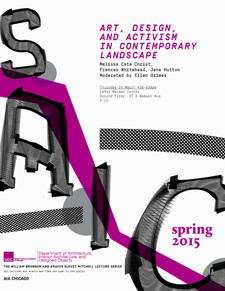
From the panel description:
Do contemporary landscapes yield new forms of advocacy and activism? Or, do activists and advocates define new understandings of the landscape? What does this mean for artists and designers? Join Frances Whitehead, a civic practice artist working in disturbed urban sites, Melissa Cate Christ, a landscape architect and urban designer, and Jane Hutton, a landscape architect and an editor of Scapegoat: Architecture, Landscape, Political Economy, for a discussion of art, design, and activism in the contemporary landscape.
March 12-23, 2015
Aging Dragons
Post-Growth of Asian Cities: Hong Kong, Seoul, Singapore, Taipei and Tokyo
Exhibited in conjunction with the symposium Beyond Big Plans ISOCARP2015: Let’s Reinvent Planning
Citizen’s Gallery, Seoul City Hall
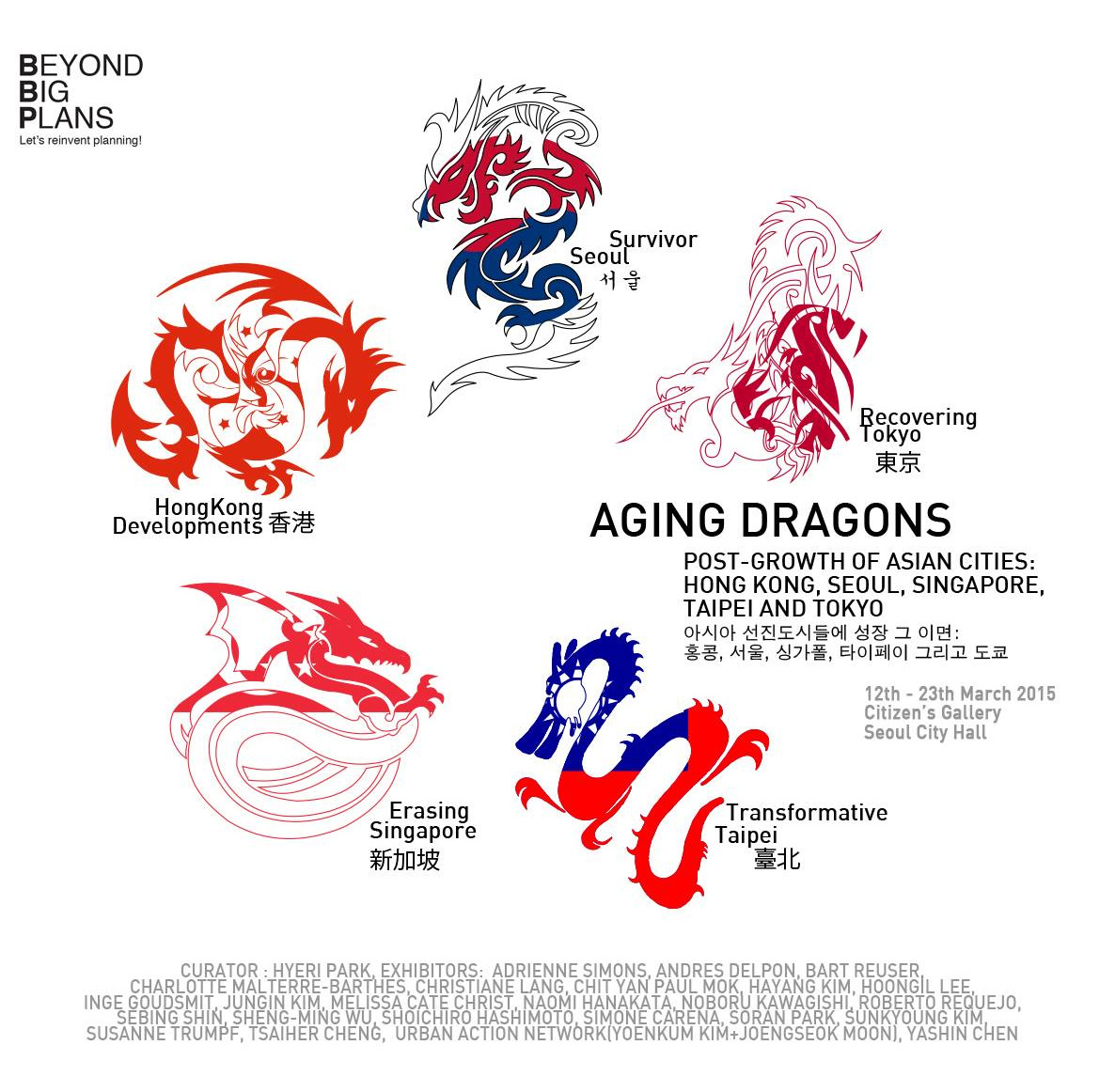
As part of the Hong Kong portion of the Aging Dragons exhibition, Melissa will exhibit work from her Stair Culture project. For more information on the symposium, check out their Facebook page. More information on the exhibition can be found here and the exhibition catalogue can be found here.
From the “Hong Kong: The Ever-growing City” team abstract:
Although Hong Kong is rather a short story within the development of cities – compared to others – due to its unique political, geographical, cultural, and environmental forces Hong Kong has become a model for an ever-growing high-density metropolis. When other cities enter shrinkage, or development bubbles due to the rhythm of market circles and population flows, the limitation of space in Hong Kong forces the constant growth of the City.
The following contributions exhibit the unique development modes of Hong Kong. They aim to find critical positions towards the actors in play, and raising conflicts between ever-growth and aspects of heritage preservation and urban renewal, environment and density, government policies and market forces, housing distribution and land ownership, hyper efficiency and public realm.
New Territories
The Old is the New and the New is the Old: Christiane Lange and Paul Mok
#Village Development #Heritage #Colonization #Small-House-Policy #Land Ownership
The Boring City I: Inge Goudsmit and Adrienne Simons
#New Town Development #Homogenous Housing Estates #Social Distance
Mong Kok
De-vitalization: Andres Delpon
#Public Housing Estates #Urban Renewal #Mei Ho House Hostel Shek Kip Mei
#HOS block Tsuen Wan #Social Housing
The Boring City II: Inge Goudsmit and Adrienne Simons
#MTR Development #Homogenous Housing Estates #Olympus #Social Distance
Resistance and Inner-growth: Christiane Lange
#Subdivision #Urban Renewal #Polarization
Hong Kong Island
Off the Street: Susanne Trumpf
#Central Market Development #Podium Tower #Central #Public-Private Development
#Podium #Street Segregation
Stair Culture: Sustaining a livable Hong Kong: Melissa Cate Christ
#Activism #BottomUpPractice #SheungWan #PoundLane #Preservation #StairCulture #Taipingshan #stepUp
Hipsterfication: Roberto Requejo
#Expat Culture #Gentrification #Central
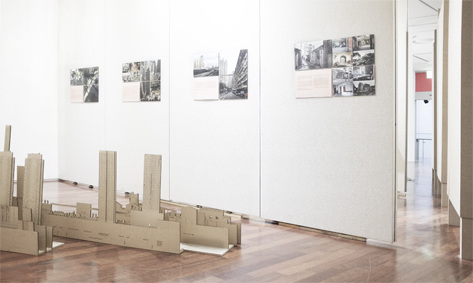
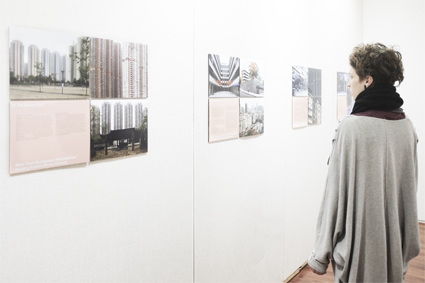
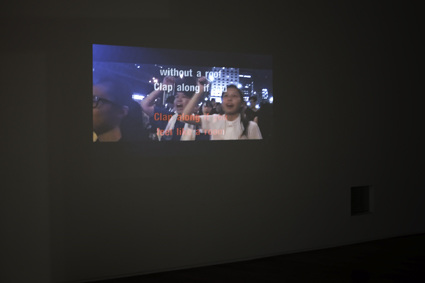
March 8, 2015
#MapPokfulam: System Prototype Demo & Testing Workshop
Sunday March 8, 2-4pm
Old Restaurant, Main Street, Pokfulam Village
The “MapPokfulam” Project develops a online platform for information exchange to facilitate the safety of residents and villagers in the case of an emergency. The first step of this process was mapping the village using the free and open source mapping platform Open Street Map. Please join us for a demonstration and testing of how to make a report using the Ushahidi platform and give your feedback as to the utility of the system and what else needs to be included in the map and the system itself. Check out the prototype at http://map.pokfulamvillage.com/
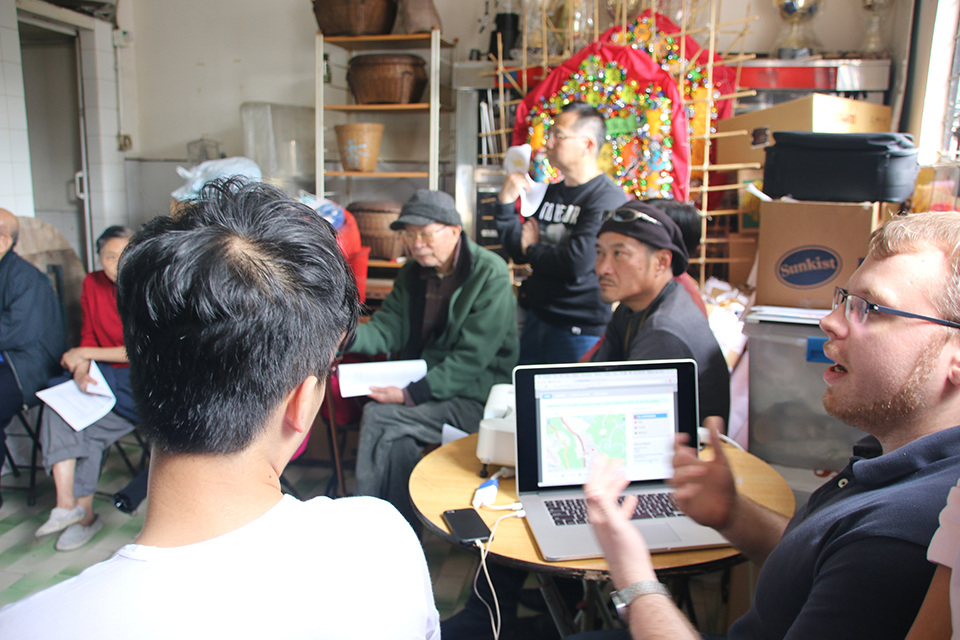
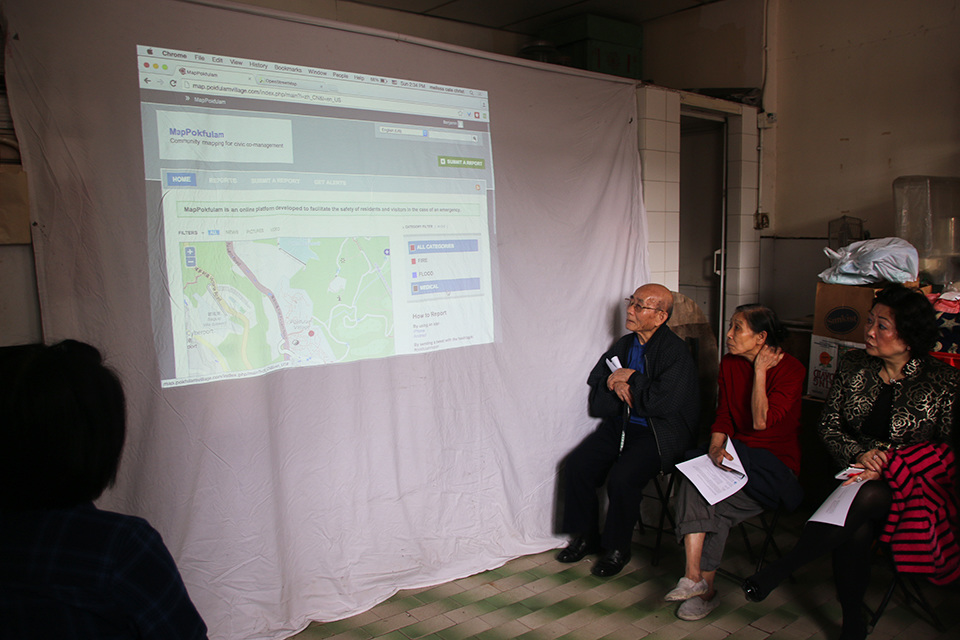
This community mapping project is supported by the Hong Kong Southern District Council and the Southern District Health and Safety Association in collaboration with Caritas and the Pokfulam Village Cultural Landscape Conservation Group, Pokfulam Villagers and university students.
February 8, 2015
#MapPokfulam Open Street Mapping workshop
Sunday, February 8, 2-4pm
Pokfulam Village Community plaza
The “MapPokfulam” project develops a online platform for information exchange to facilitate the safety of villagers in the case of an emergency. The first step of this process is mapping the village using the free and open source mapping platform Open Street Map. Please join us for the first community workshop to learn how to take and upload tracings in OSM, as well add key features and points and edit the online map.
Image credit: Jerome Favre/EPA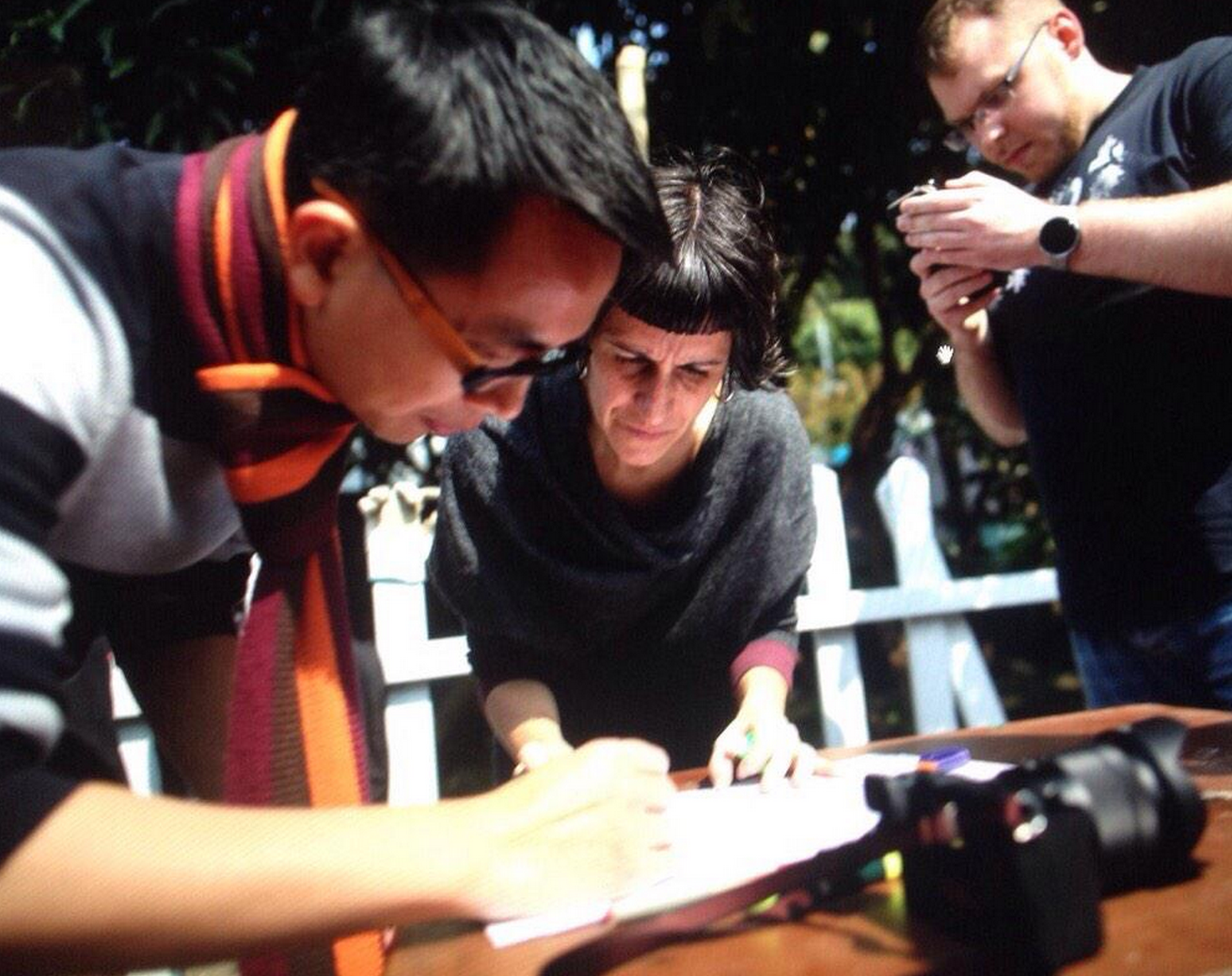
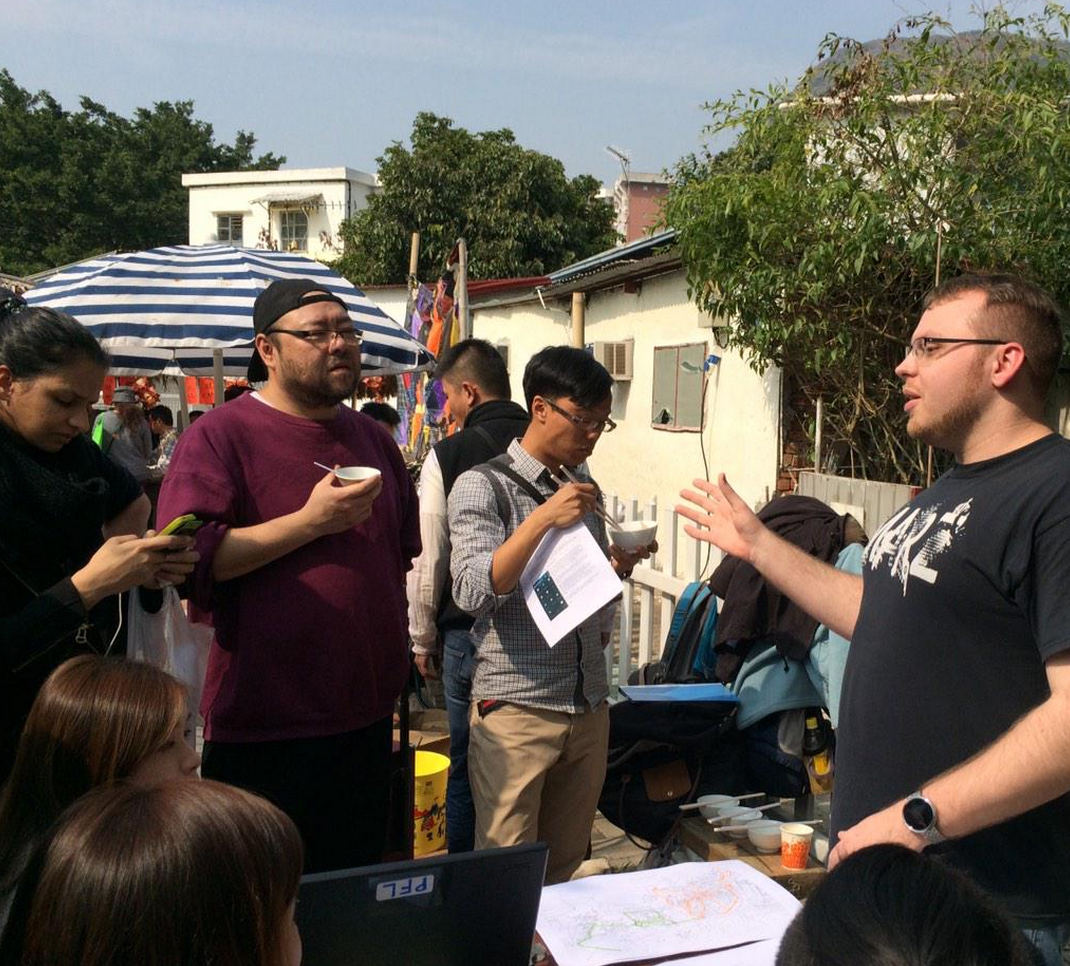
January 31, 2015
The Future of the Past: New Conservation Strategies for Modern Architecture in the Pearl River Delta Symposium
Saturday, January 31, 2 – 5:30 pm
Knowles Building Room 419, University of Hong Kong
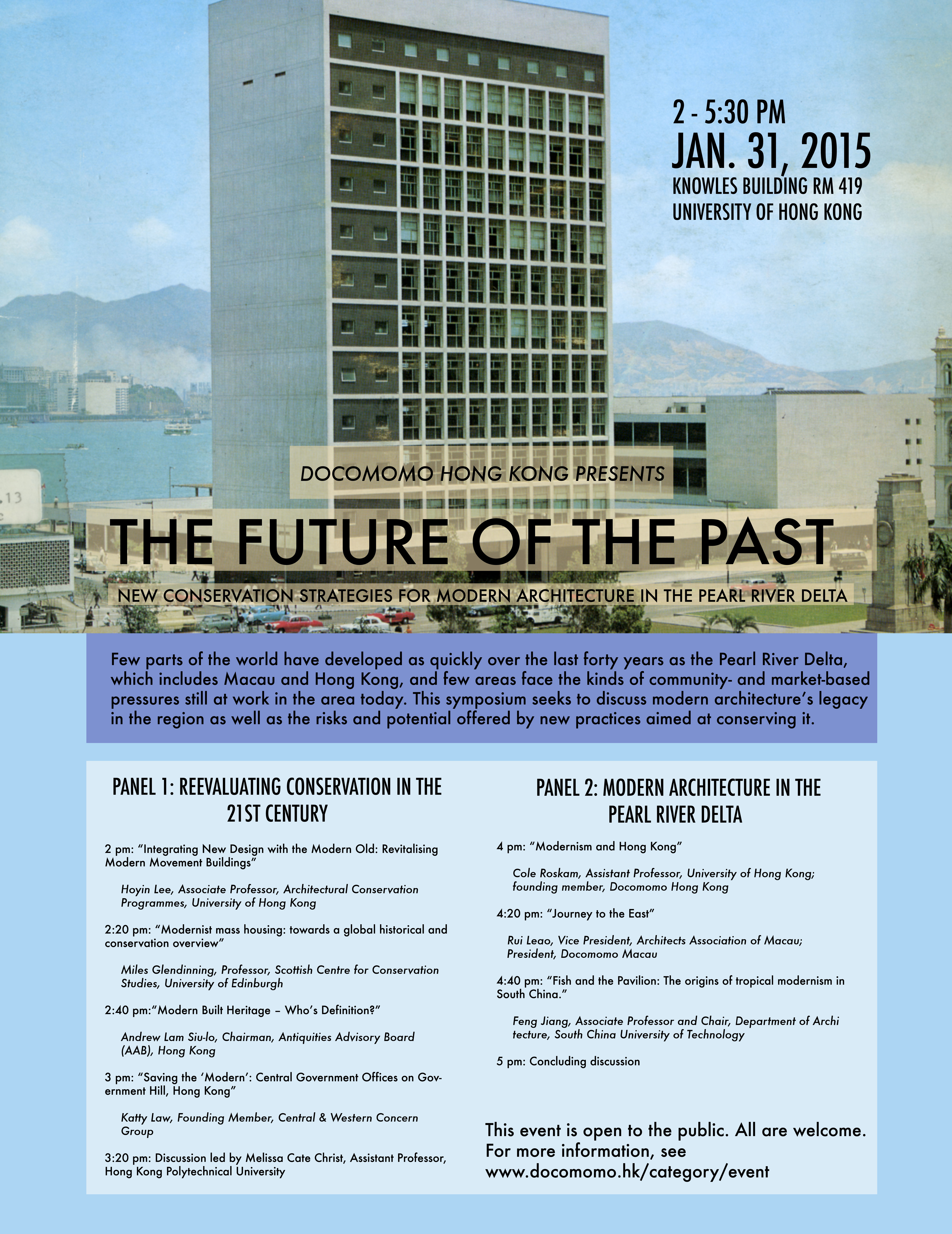
Symposium abstract:
Few parts of the world have developed as quickly over the last forty years as the Pearl River Delta, which includes Macau and Hong Kong, and few areas face the kinds of community- and market-based pressures still at work in the area today. This symposium seeks to discuss modern architecture’s legacy in the region as well as the risks and potential offered by new practices aimed at conserving it.
Melissa will be moderating the first panel “Reevaluating Conservation in the 21st Century” of the symposium “Future of the Past”, which has been organized by docomomo HK. Speakers on the first panel include:
– Hoyin Lee, Associate Professor, Architectural Conservation Programmes, University of Hong Kong
– Miles Glendinning, Professor, Scottish Centre for Conservation Studies, University of Edinburgh
– Andrew Lam Siu-lo, Chairman, Antiquities Advisory Board (AAB), Hong Kong
– Katty Law, Member, Central & Western Concern Group
For more information and a complete list of speakers and their presentation abstracts visit docomomo.hk
December 2014
TOURETTE #00: Wide Open
Andrew Toland, Susanne Trumpf and I are pleased to announce TOURETTE#00 has been published. The issue includes our finalist Call for Papers submission for guest editing Issue #04 ‘What’s the matter?’. More information and all the entire TOURETTE #00 can be found here
December 11-13, 2014
Strategies of spatial occupation in Hong Kong:
the role of collective resistance in defining a cultural landscape
International Conference on Citizens, Civil Society & the Cultural Politics of Hertiage-Making in East and Southeast Asia Institute of Sociology, Academia Sinica
Taipei, Taiwan
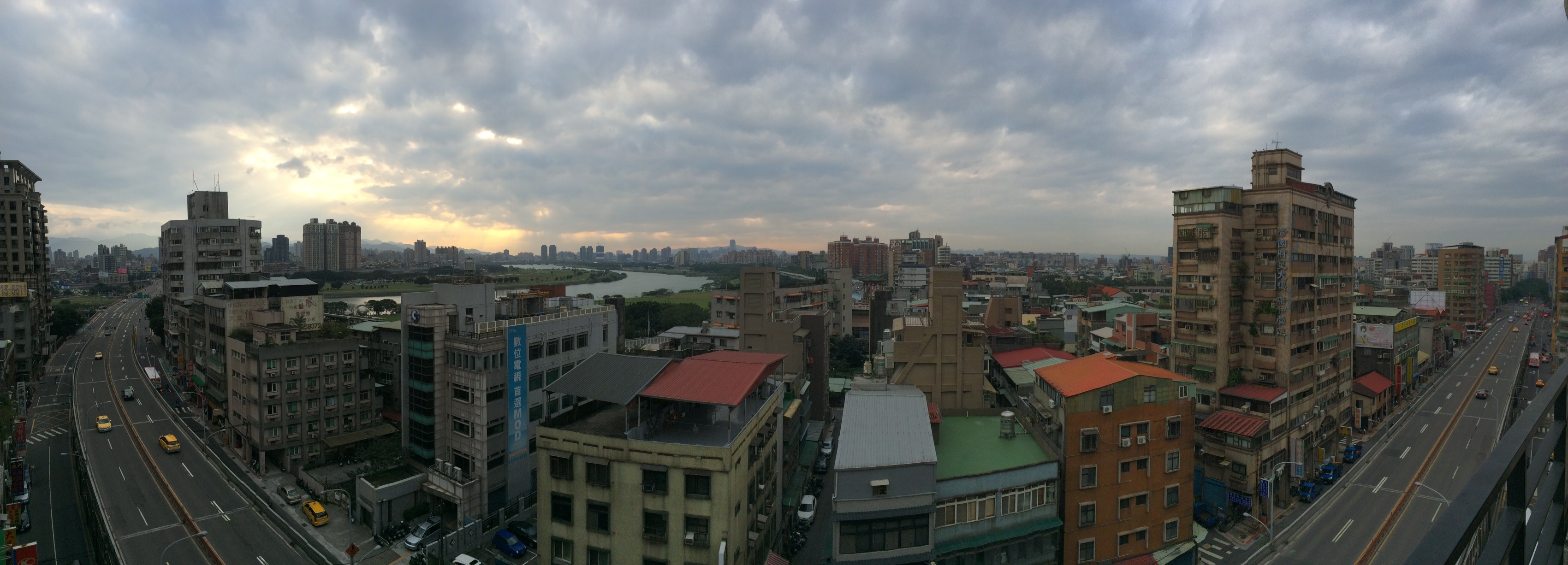
December 4-5, 2014
Crowdsourcing logistics OR The role of open data, citizen participation and social media in enabling ethical food systems and reducing food waste: Surplus food practices as commons
Thursday, December 4, 2:45pm
CeDEM Asia 2014 conference, CMC, CityU, HK
Organized and moderated by: Melissa Cate Christ, transverse studio / Hong Kong Polytechnic University, and Daisy Dic Sze Tam, Hong Kong Baptist University with Mart van de Ven, Open Data Hong Kong and Joyce Chan, Chief Operations Officier, Foodlink Foundation as part of CeDEM Asia, Create Media Centre, CityU, Hong Kong
The food system in Hong Kong has shown itself to be inequitable: everyday, we throw away over 3300 tonnes of food while 1.5 million people go to bed hungry. The question of what to do about surplus food, hunger and waste is an ethical issue that has direct impact on the environment, urban health and social justice. Current efforts that address this issue through tackling food waste are undertaken by different sectors of society which have established separate spheres of information, knowledge, resources, networks, and relationships, thus limiting the potential for local or global change. This micro case study is indicative of the larger framework of city planning and the management of resources.
This workshop aims to reconnect these spheres by situating surplus food as a practice of the commons. What would the food system look like if the recovery, distribution and consumption of surplus food (also understood as food waste) are no longer proprietary practices, but one of collective action? By bringing together community organizers, NGOs, technical experts and researchers, this discussion panel workshop takes food recovery as the empirical case study to explore dimensions of the practice of the commons.
Open data practices, social media and technological platforms offer a way that such efforts can be consolidated, but practical and pragmatic concerns need to be detailed and articulated in order to make it a workable, usable, open source portal. Examples of current problems and concerns include: 1) logistical organizations of food rescue operations and their data collection tools vary wildly – how could a tool be designed so that it does not create more work for NGOs and allows them to benefit directly from it? 2) Food donation practices are to be commended, but in reality most donors do not wish to be exposed, shifting the pressure onto NGOs. This “accountability” culture creates an atmosphere that is not conducive to sharing, especially without policy changes such as the implementation of a Good Samaritan Law. 3) Once the data sets have been collected, current practices rely heavily upon volunteers to enter/scrape/parse the data in order to make it usable (since the culture of collecting data does not have sharing in mind).
Essentially, this workshop asks how to enable a commons practice within the domain of surplus food recovery and redistribution using an open data model which enables citizen participation through social media and other technological platforms. Garrett Hardin’s Tragedy of the Commons challenged the presumption that the benefit of a group is sufficient to generate collective action. How could we imagine a practice that is collective, self generative and also bottom-up?
This workshop welcomes community organizers and NGOs who are in need of better tools and methods to collect, distribute or reduce surplus food; technical experts working to improve open data practices and/or on open source software development; and funding bodies and government agencies who can support and enable the development of these tools and practices. Please join us for what promises to be a lively discussion about the role of open data, citizen participation and social media in enabling ethical food systems.
Conference proceedings can be found here.
December 2-3, 2014
Envisioning Pokfulam Village: Strategies of Engagement in Complex Urban Communities
2014 DesignEd Asia Conference, part of the Business of Design Week 2014
Hong Kong Convention and Exhibition Centre, Wan Chai
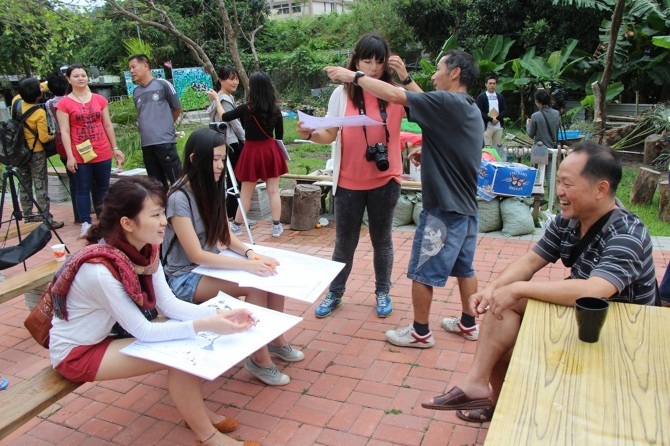
Melissa presented her paper at DesignEd Asia 2014 as part of the Culture panel and moderated the Education Practice Panel, both on December 2, 2014.
For more information on the Pokfulam Village studio see here. More information on the conference theme and other speakers can be found here.
October 7 – 9, 2014
Potential Futures: the Changing Cultural Landscape of Yangon’s Waterfront
2014 International Symposium of the Asian Cultural Landscape Association: Waterfront Asian Cultural Landscapes
Seoul National University, Seoul
co-authored by Melissa Cate Christ, Scott Melbourne, and Ivan Valin
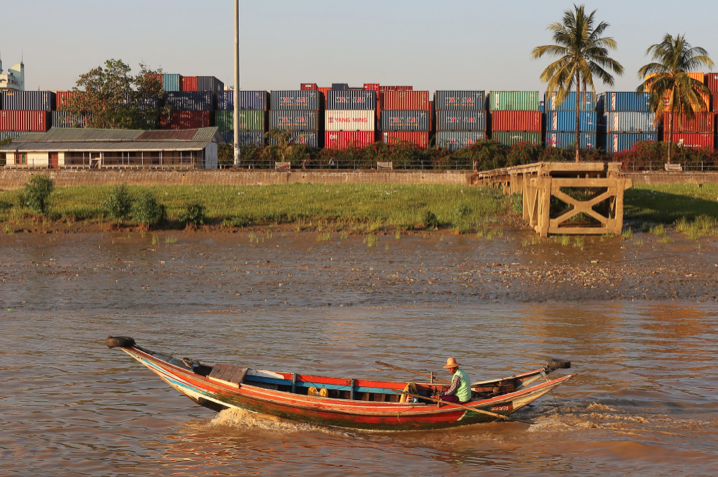 Photo credit: Scott Melbourne
Paper abstract:
Historically, Yangon was a strategically important British colonial trading port with a vast and productive hinterland. The city’s riverfront, the Strand, was a broad public edge devoted to commercial processing, industry, and transportation. Today, it is a contested site: increasingly walled-off, disconnected, secured, privatized, and undervalued as a public resource and heritage asset. Yangon’s ongoing economic, demographic, and physical transformations are challenging its leaders, planners, and communities to accommodate these changes fairly and efficiently while preserving Yangon’s unique heritage and urban character.
To engage in this conversation, landscape architecture students from the University of Hong Kong took part in a design research-based travel studio in the Spring of 2014. This paper presents the resultant student and faculty design research and asks how the challenges facing this working port and logistics zone can function as a lens to understand the environmental, social, and infrastructural challenges impacting the city and region.
August 30 – September 5, 2014
Designing places of emancipation?
Vienna University of Technology
Vienna, Austria
I was selected to take part in Designing places of emancipation?, an interdisciplinary intensive summer school workshop which was organized by The Interdisciplinary Centre for Urban Culture and Public Space (SKuOR) in cooperation with the Centre of Local Planning (IFOER) at the Department of Spatial Planning, Faculty of Architecture and Planning of Vienna University of Technology (TUWien) where the aim was “to understand and change the social world through participation, action and research in public space.”
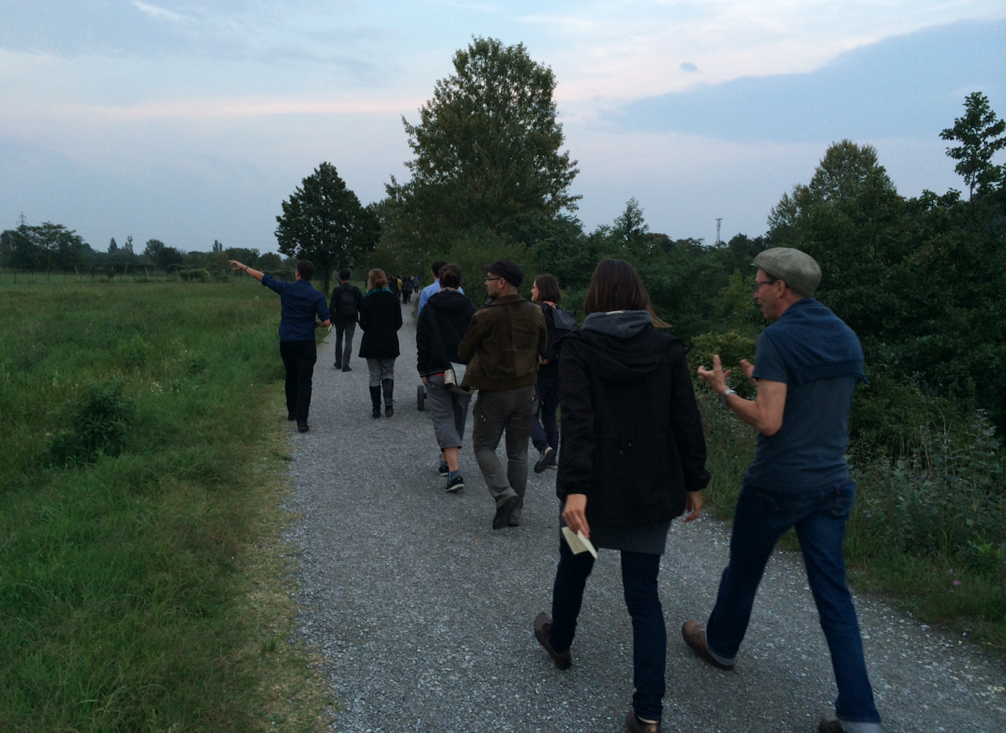
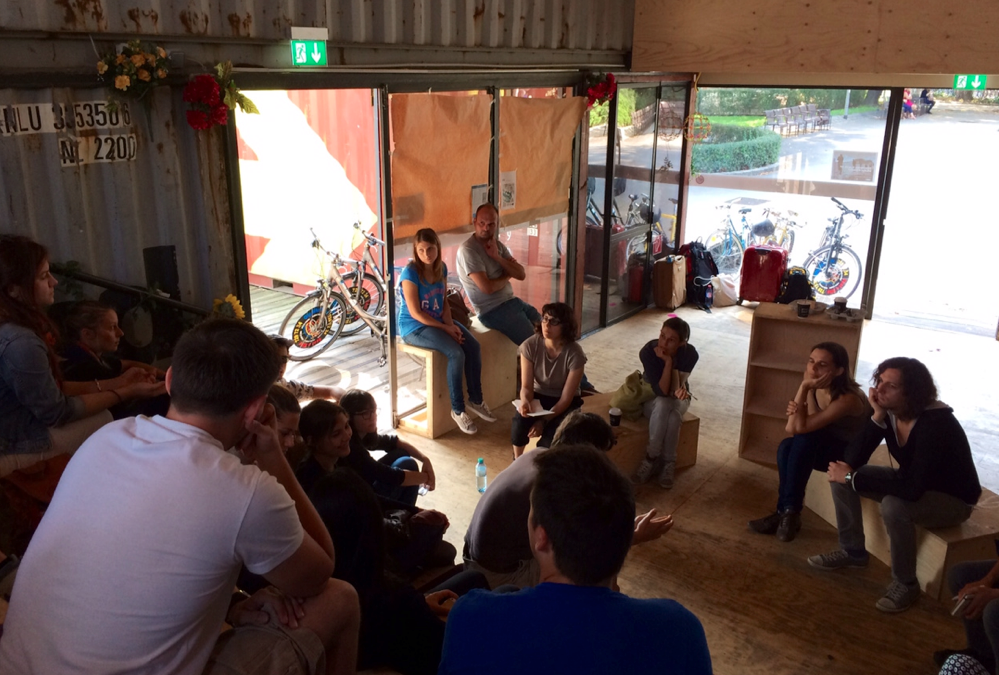
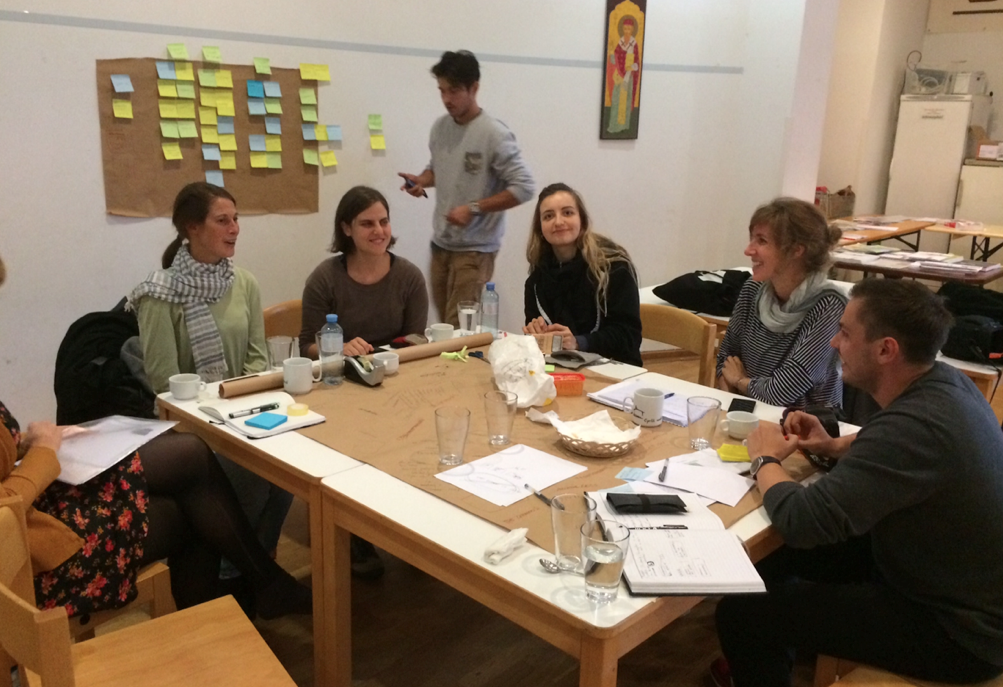
From the SKuOR website:
The programme of the summer school spans across 7 days, and includes research walks and talks with local activists, NGOs and neighbours, five guest lectures by international keynote speakers and workshops supported by the local scientific team and members of the Thematic Group for Public Spaces and Urban Culture of the Association of European Schools of Planning. Invited guests will not only “deliver” knowledge, but also join in the practical teamwork. Local initiatives will particularly provide insights on emerging cultures and local needs, and supply provocative questions related to the practical examination of the site and the topic. The workshops will then put emphasis on the development of the action research approach and provide room for feedback and exchange on participants’ work. The programme will culminate with a self-organized public event which will involve local residents. It is here, where alternative ideas for opening the area towards the wider local public will be displayed and shared.
Learning Fields
This summer school will explore possibilities and limitations of participatory action research as an empowering catalyst for the constitution of city publics. The school will be conducted in five teams, each engaged in one of five learning fields. Each team of six students will ideally be supported by a local actor, a keynote speaker, a member of the local scientific team and an European scholar.
Find out more about the TUWien SKuOR Summer School here and on Facebook.
July 18, 2014
Open source system developer needed (Contract position)
The Caritas Pokfulam Community Development Project is looking to put together an online, open source platform to crowdsource emergency management for the village, ideally using an existing free system such as Ushahidihi. The project will run from Sept 2014 – Feb 2015 with a budget of approx. HK$25-30K for a developer to install, customize, and test the platform, as well as provide initial training for the villagers in collaboration with the project coordinators (who will run a series of workshops to engage villagers in the development process). The developer should also be able to advise on sustainable hosting and data storage options. Fluency in English is required, Cantonese ability is a plus. For more information, please contact Melissa Cate Christ at melissa@transversestudio.com.
Also see http://job.opensource.hk/node/44
July 16, 2014
Moving Hong Kong
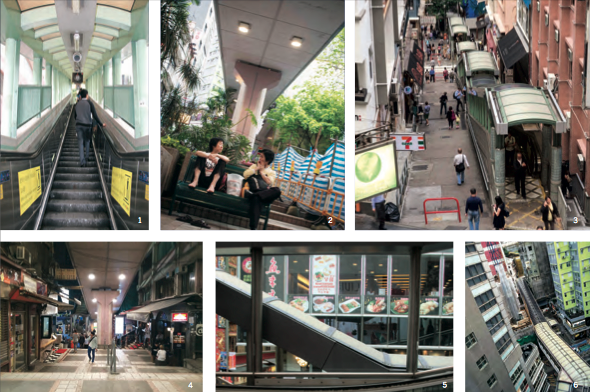
My short piece on the Mid-Levels escalator and the future of the pedestrian landscape in Hong Kong (illustrated by my photos and those of the talented Kevin Dharmawan) has been published in the 2nd issue of MY LIVEABLE CITY, a new magazine sold and distributed across India which focuses on the contemporary challenges of creating dynamic, livable cities. More information about the magazine can be found here and @citieswelike. Download the article here.
July 15, 2014
TOURETTE #00: Wide Open
Andrew Toland, Susanne Trumpf and I are pleased to announce that our submission to TOURETTE#00, ‘What’s the matter?’ has been accepted as a finalist for the guest editing of one issue of the journal. Issue #00 will publish the 18 selected ‘call for calls’ finalists. More info from the journal here:
WIDEOPEN: Call for Calls
offers winning applicants the opportunity to curate one issue of the journal and contribute to the all-too-contemporary quest for relevancy within architectural discourse. At a time of collective and disciplinary crisis, in which architecture is looking outside of itself in order to redefine its boundaries, WIDEOPEN looks for intriguing questions rather than easy answers, challenging doubts rather than soothing certainties. WIDEOPEN challenges issues of authoriality within the discipline by soliciting a collective effort and foregrounding participation. The first issue of the journal, gathering the collection of accepted calls, will read as a crowd sourced manifesto of contemporary architecture. The whole structure of the journal will revolve around this first issue, expanding it and implementing its scope.
THEMES:
Submitted call for papers will deal with one of the following macrothemes/tagwords, expanding it, stretching it and counterubbing it in any way possible. The tagwords are intended to cover some significant moments in the process of design, but are intentionally ambiguous so as to encourage the most diverse interpretations of them:
. PROPHECY (Tourette #1)
. ACTORS (Tourette #2)
. REPRESENTATION (Tourette #3)
. MATTER (Tourette #4)
. MACHINE (Tourette #5)
. FATE (Tourette #6)
July 15, 2014
Citizens, Civil Society and the Cultural Politics of Heritage-Making in East and Southeast Asia
Conference at the Institute of Sociology, Academia Sinica
Taipei, Taiwan (forthcoming 11-13 December, 2014)
I have been funded to attend and present a paper at this conference on heritage politics in Taipei in December 2014. From the CFP:
In considering the role of local communities and civil society organizations in heritage-making, the second conference will dwell on the figure of the citizen, broadly understood. What are the rights, privileges, and responsibilities of a citizen, and how does this relate to the modern nation-state and the notion of heritage, particularly in the contemporary environment where the role of the state and that of citizens are being reconfigured to serve a neo-liberal agenda? How does citizens’ involvement in heritage-making contribute to the civility of a shared societal life, and indeed, in some countries, to the sense of nationhood and civilization? In other words, what are the dynamics involved when local communities, as citizens, not just in the narrow legal-constitutional sense (with the propensity this restrained status has to turn citizens into citizen- consumers), but more broadly speaking in the socio-political sense, engage in the definition of their heritage-scape through a common civil space where multiple interests and agendas vie for resources and meanings? In raising these questions, the conference explores how processes of heritage-making, as part of the everyday cultural practices through which cultural citizenship is asserted and discursively constituted, challenges the dominance of the state in defining its citizens.
More information and the full call for proposals for the conference can be found here.
July 1, 2014
Hong Kong Stair Archive funded by the Research Grants Council
I am pleased to announce that my project, Hong Kong Stair Archive, has been awarded an Early Career Scheme grant by the Hong Kong Research Grants Council. The total award is HK$856,355, with HK$50,000 of that specifically earmarked for the training of undergraduate students. For more information on the award and other awardees from across Hong Kong, see here and for a brief introduction to the project see here.
June 26, 2014
Specifics: Discussing Landscape Architecture
My paper on understanding everyday landscape constructions as evidence of distributed infrastructural action, which I presented at the ECLAS 2013 conference on Specifics in Hamburg, has been published by Jovis.
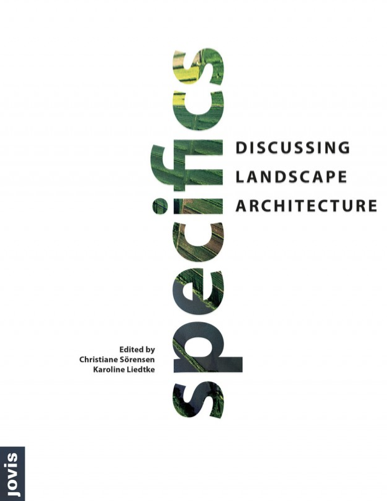
The publication Specifics: Discussing Landscape Architecture is based on a selection of the papers from the conference and has been edited by Christiane Sörensen and Karoline Liedtke.
In Evidence of Action: Towards an Ecology of Objects, I discuss the importance of a close examination and documentation of the vernacular as fundamental to a landscape pedagogy which emphasizes learning from local conditions as essential to design solutions which can adapt a typical assembly to a specific environmental condition. The paper draws from student work developed in the project Hong Kong Detail Catalogue in the Division of Landscape Architecture at the University of Hong Kong. Download the paper here.
May 17, 2014
Open Source Cities: Next Generation Community Mapping & Open Data Infrastructure
organized and moderated by Melissa Cate Christ, transverse studio & Etienne Turpin, anexact office & SMART Infrastructure Facility
as part of Open Platform: Asia Art Archive @ Art Basel Hong Kong 2014
Level 1, Booth P1, Hong Kong Convention & Exhibition Centre
Saturday 17 May 2014 14:00-15:30
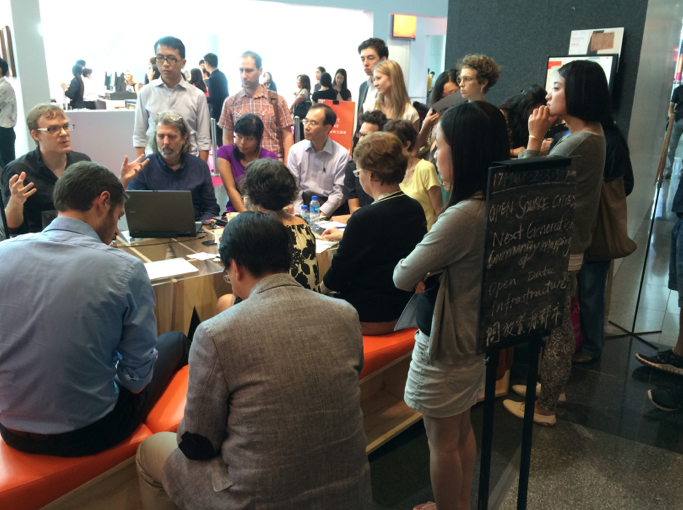
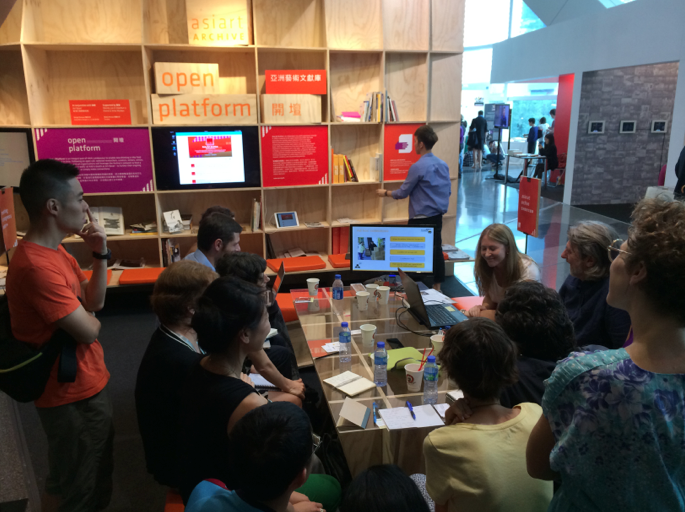
Community-led mapping practices have become an integral part of architecture and design, geography and urban studies, and artistic, curatorial, and social scientific research. In order to study the transformation of urban systems, researchers can no longer rely on inherited, proprietary maps; the next generation of urban scholars are learning to map the city with new tools and, together with residents, develop public, open source, and open access resources for civic co-management and participatory democracy.
Essential for this work is developing a better understanding of how new open source software (OSS) and open data management tools can respond to community-led activities; such a dialogue must happen in both directions to allow the technical advancement to keep pace with community action and to allow community organizers to benefit from new OSS tools. During the Open Source Cities session, we will examine new methods of OSS development as means for community transformation, preservation, and resistance in an era of relentless urban “renewal” and development.
We welcome three “types” of participants: community organizers and planners in need of better mapping tools; technical experts working on open source software development; funding bodies and government agencies who can support the development of these tools. We are excited to develop this conversation as part of the Open Platform programme of the Asia Art Archive.
Participants include:
– Dr. Tomas Holderness, PetaJakarta.org, UoW/Australia, 2014 Twitter Data Grant Recipient
– Mart van de Ven, Co-founder & Director and Darcy Christ, Journalism and Policy Analyst, Open Data Hong Kong, local chapter of Open Knowledge Foundation
– Hong Kong MTR data and social media representative (TBD)
– Paul Zimmerman, Founder and CEO, Designing Hong Kong
– Gabrielle Kirstein, Executive Director, Feeding HK
– Benjamin Sin, Team Leader, Caritas Community Development Project
– Other local NGO / community groups interested in or currently using open mapping tools (TBD)
A PDF flyer for the panel discussion can be found here.
All are welcome to join the discussion!
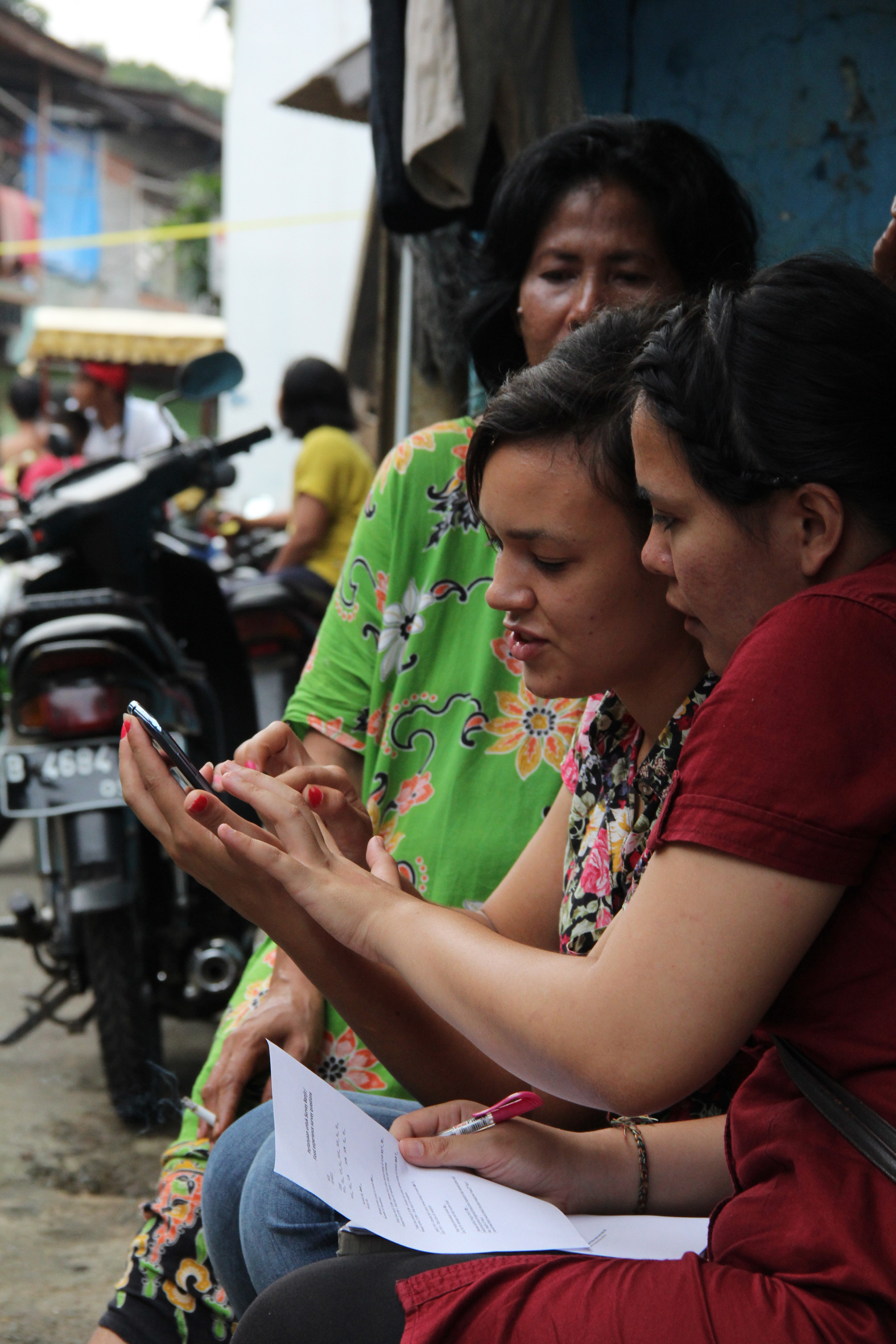 Community activists from Ciliwung Merdeka in Bukit Duri, Jakarta, test a new social media platform for post-flood damage surveys in Feb. 2014. Image courtesy of anexact.org
May 10, 2014
Make 3.0: Data with a Purpose
2-6pm, Journalism and Media Studies Centre, HKU
Daisy Tam and I will be presenting our idea for an open source application to track food waste, FoodConnectHK, at the Open Data Hong Kong hackathon Make 3.0:Data with purpose. FoodConnectHK intends to make information about food waste available for food banks, NGOs and individuals in Hong Kong based on a platform for crowdsourcing logistics. Everyday, Hong Kong throws away 32 000 tonnes of food (that’s equivalent to 120 double decker buses) and at the same time, more than 1.5 million people go to bed hungry. We want to enable the recuperation and redirection of this waste to food banks and charities that can feed the people in need. The project will start with a pilot application which identifies where waste occurs along the supply chains and distribution outlets and will provide a location based, real time platform where this information can be made available. The project is ongoing – get in touch if you are interested in participating as a researcher, developer or data journalist!
For info on Make 3.0 here and on our project here.
March 29-30, 2014
On Air: It all starts from the air
Event organized by the Clean Air Network, art exhibition curated by Yan Kallen
Melissa has been invited to exhibit photos from the ‘Floating in Hong Kong’ series at the event ‘On Air’ in Taipingshan. See the Facebook event page for more details.
Artwork statement:
Floating in Hong Kong
Melissa Cate Christ / new.transversestudio.com/
Project Team: Andrew Toland and 2012/13 HKU BALS2 students
This series presents a new way of seeing Taipingshan, familiar yet disorienting. Taken with a camera shooting continuously while attached to a weather balloon, the accidental and somewhat precarious perspectives flatten and convolute, but also reinforce, our typical understanding of Hong Kong’s densely layered urban environment. Simultaneously focusing on the neighborhood’s plentiful and often underused roofs and on the crevasses separating the towers, the images reveal the complex overlay of environmental, cultural and social conditions in Taipingshan. The lack of direct sunlight on a north-facing slope crammed tightly with high rise buildings, the visual and physical relief of trees and open spaces, people negotiating the city’s complex network of pedestrian pathways – the photos ask us to consider the duality of living both on the ground and in the air.
Archiving a moment in a city perpetually reconstructing itself, our attention is captured by the spaces in between the buildings, the public spaces which are often overlooked by developers, but which make up our everyday lives, floating above, yet tethered to the ground.
Excerpted from the organizers website:
The Clean Air Network is hosting “ON AIR: It all starts from the air,” a two-day event which draws attention to air pollution, sustainable transport policies, and areas such as urban planning to explore how to make our cities more people-oriented. We invite the public to explore the neighborhood of Tai Ping Shan Street in Sheung Wan. In the public spaces, alleyways, parks, sport grounds and shops, there will be a variety of different happenings for the public to participate in. The hope is to rethink the relationship between air pollution, transportation policy, urban planning and our daily lives.
March 27, 2014
Strategies of Spatial Occupation in Hong Kong
Association of Asian Studies Annual Conference
Philadelphia, PA, USA
Organizer & Chair: Melissa Cate Christ
Paper presenters: Megan Blake
Melissa Cate Christ
Jonathan Solomon
Daisy Tam
Discussant: Jeff Hou
Panel abstract:
Strategies of Spatial Occupation in Hong Kong
Prior to the 1997 handover of Hong Kong to China by the British, there was great “uncertainty as to what might disappear as Hong Kong ‘entered the Chinese fold” . However, in the past 15 years, rather than evidencing a radical or even a gradual cultural disappearance, Hong Kong residents have been reclaiming public space and its necessary operations as a way to resist the hegemonic policies of the HKSAR. This spatial occupation can be understood as a way for residents to assert their rights to the city through everyday or temporary practices and protests, but also through the identification of physical and cultural constructs that have come to define and signify their urban environments.
This panel is composed of four papers which present contemporary examples of literal and symbolic spatial occupation in Hong Kong and its effects on the construction of social, political and cultural identities in post-colonial, pre-2047 HKSAR. From examinations of migrant workers and their positive parasitic ecology; to hawkers and their provision of alternative food sources for the poor; to local resistance to global, Hong Kong and Mainland political economic policies; to community groups calling for cultural landscape characteristics to supersede top down planning initiatives, the panel presents a range of alternative strategies of spatial occupation which resist the neoliberal trajectories often applauded as the predefined path of a future Hong Kong.
For a complete description of the panel and paper abstracts, see here.
February 21, 2014
Season Shift: Radical Phenology and the Global Economy of Food
Assistant Professor Melissa Cate Christ
Lunchtime Public Lecture
HKU Division of Landscape Architecture
Friday, 21 February 2014, 1–2pm
KB622, 6/F Knowles Building, Pokfulam Road, the University of Hong Kong
This lecture is part of ‘The Lay of the Land’, a lecture series hosted by the HKU Division of Landscape Architecture focused on research in progress.
ABSTRACT:
This talk presents initial research that seeks to understand our pervasive seasonal disassociation with respect to food. In particular, it highlights nodes of historical, technological and vernacular agencies and practices that have enabled the global food economy.
February 14, 2014
Seeing Pokfulam
February 14 – May 31, 2014
HKU Visitor Centre Gallery, Centennial Campus HKU
Part of “On the Urban Fringe: In Search of the Ideal City”: a Collateral Exhibition of 2013 Bi-City Biennale of Urbanism Architecture (Hong Kong) UABB (HK), http://uabb.hk/ Co-curated by Melissa Cate Christ and Seth Denizen in collaboration with the Pokfulam Village Cultural Landscape Conservation Group and the HKU Gallant Ho Experiential Learning Centre. http://www.pokfulamvillage.com
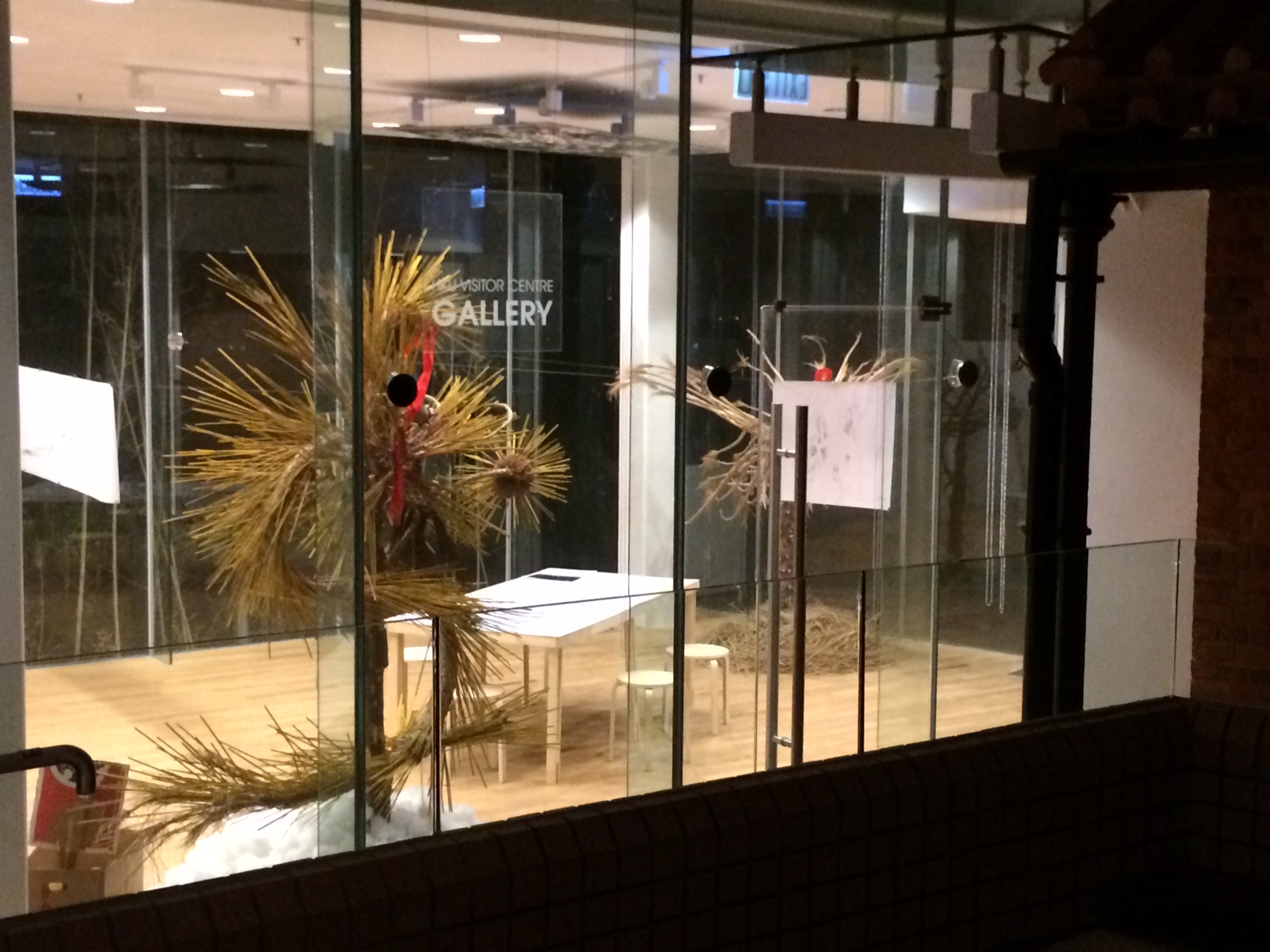
HKU Visitor Centre Opening Ceremony
February 14, 2014 (Friday), 2:30pm
Visitor Centre, G/F, Centennial Campus, HKU
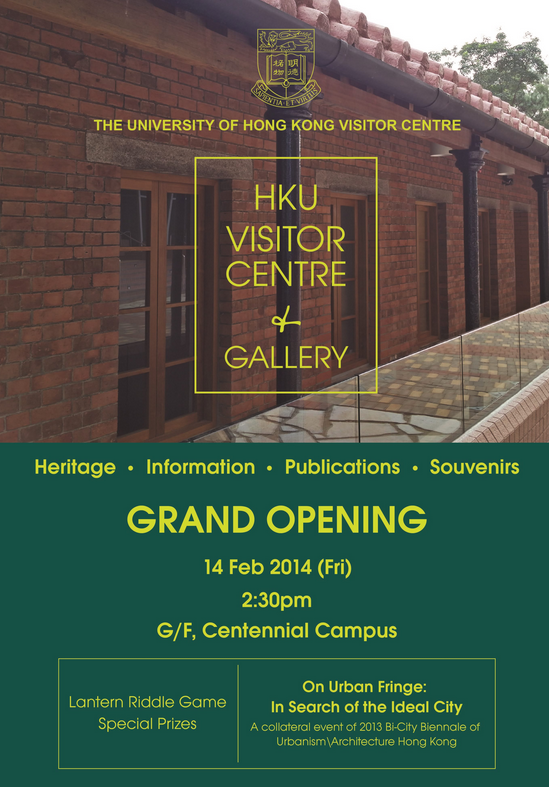
January 25 & 26, 2014
Roof Painting in Pokfulam Village
Designed by Melissa Cate Christ & Seth Denizen in collaboration with BALS3 students, and coordinated and supported by the Pokfulam Village Cultural Landscape Conservation Group, the Gallant Ho Experiential Learning Centre and the WAY Fund.
From the project’s Press Release:
On the weekend of January 25th and 26th, 174 students from the University of Hong Kong (HKU) painted 50 rooftops in Pokfulam Village. Designed by HKU Landscape Architecture professors Melissa Cate Christ and Seth Denizen based on site and visual research gathered by their team of Bachelor of Landscape Architecture student research assistants and in collaboration with villagers, the project aimed to support the Pokfulam Village Landscape Conservation Group and the Caritas Pokfulam Community Development Project’s efforts to co-build a sustainable community and advocate for the re-evaluation of the existing Squatter Control Policy.
Pokfulam Village is one of the oldest villages in Hong Kong, dating back to the 1730s. It has gone through several transformations: from a simple agricultural community; to a local commercial centre in the 1950s; to a densely populated low-rise community surrounded by high-rise housing projects. Despite these changes, local traditions are still central to village life. For example, during Mid-Autumn Festival, a locally crafted Fire Dragon is paraded around Aberdeen and Pokfulam Village to pray for good health and fortune. However, many people in Hong Kong do not know about the traditional culture of the village and wrongly believe it is an informal settlement.
“According to the regulations of the 1982 squatter control policy enacted and enforced by the HK Government, many homes in Pokfulam Village are restricted in their use of material and the size of their structure so that no changes can be made to the physical materials of the structure even they deteriorate. The limited and low cost material palette of some of the village homes built in 1940s and 1980s, but whose materiality is fixed by the Policy, creates the illusion that Pokfulam Village is an urban slum”, said Mr. Allan Siu, core member of the Pokfulam Village Landscape Conservation.
Interested in the complex environmental and cultural conditions present in the village, Cate Christ and Denizen sited their HKU design studio in the village, asking students to document and propose landscape interventions in the village. This engagement in the village led Cate Christ to apply for the ‘We Are With You Project’ (WAY Project) Fund with Mary Ho in order to fund the grassroots initiative to paint the roofs. Working with a group of HKU Landscape Architecture students and in consultation with the villagers, they mapped out which roofs could be painted, and designed a plan and colour palette based on site and visual research.
“This weekend is only the beginning of the project. HKU students are only painting one quarter of the rooftops designated for painting by the design. We hope the initiative we have started will encourage other villagers to paint their rooftops and bring out the vibrancy of the village. Working closely with HKU faculty teachers and students in building a sustainable community, we hope to integrate urban heritage values into a wider framework of city development. This is also one of the recommendations in UNESCO’s Historic Urban Landscape, and we hope Pokfulam Village will be Hong Kong’s shining example”
‘Being a neighbour of Pokfulam Village, our University formed a partnership with Caritas Pokfulam Community Development Project to foster positive community capacity building in the village. Our students thus have the opportunity to discover the value of intentional communities, to develop habits of reflection and in reconciling people of different backgrounds and social groups, and also to demonstrate an understanding of sustainable community and heritage development in Hong Kong”, said Mary Ho of the HKU Gallant Ho Experiential Learning Centre.
The WAY Project is a four-year community-based social capital development project in the Southern District. Its objective is to develop a replicable model for social capital development, particularly with the involvement of staff and students of HKU.
The HKU student organization Residental Colleges Taking Action for NGOs (RC TANGO) made a video of the roof painting weekend which has several interviews and gives a nice perspective on the density and community spirit within the village.
December 30-31, 2013
Grassroots Balloon Mapping of Pokfulam Village
Project team: BALS3 student research assistants May Chan Ka Ying, Issac Chui Ho Wan, Natalie Law Wai Yan, Monique Wong Hui Yan, Olive Wong Lok Yan, and Tony Yuen Chun Yin.
As part of the site and research phase of the Pokfulam Village rooftop painting design project, BALS3 RAs spent two days creating a high resolution composite photograph of Pokfulam Village using grassroots mapping techniques – a 1.5m diameter weather balloon! Here are a few of the 10K shots they captured in 5 balloon launches from various parts of the village.
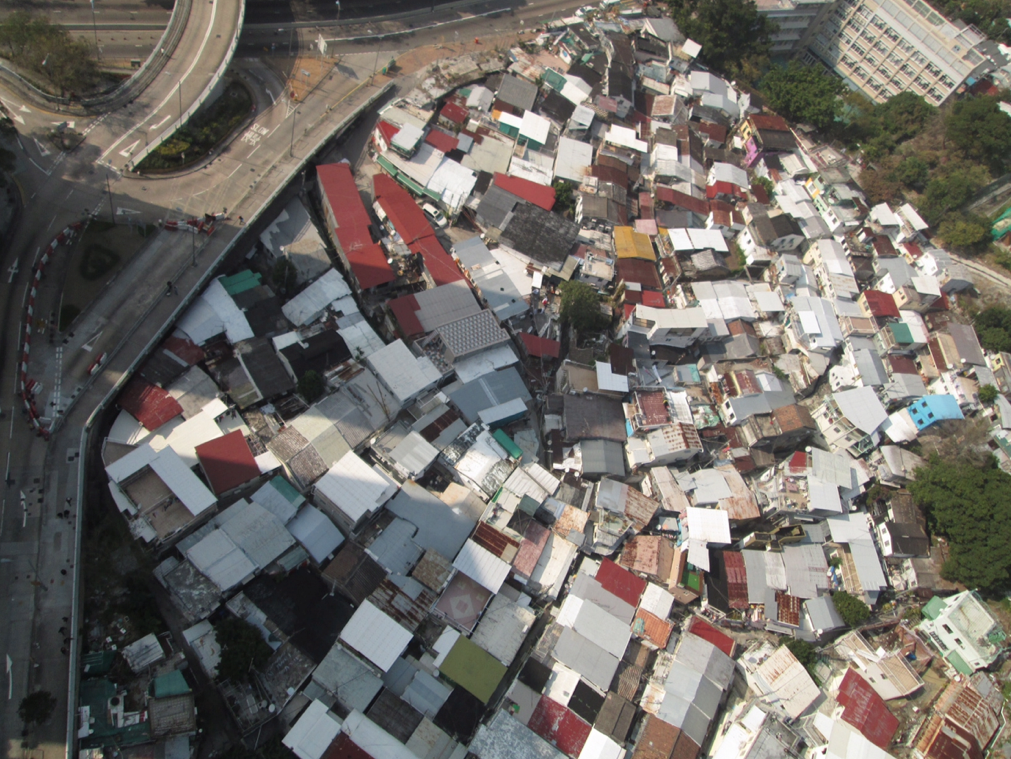
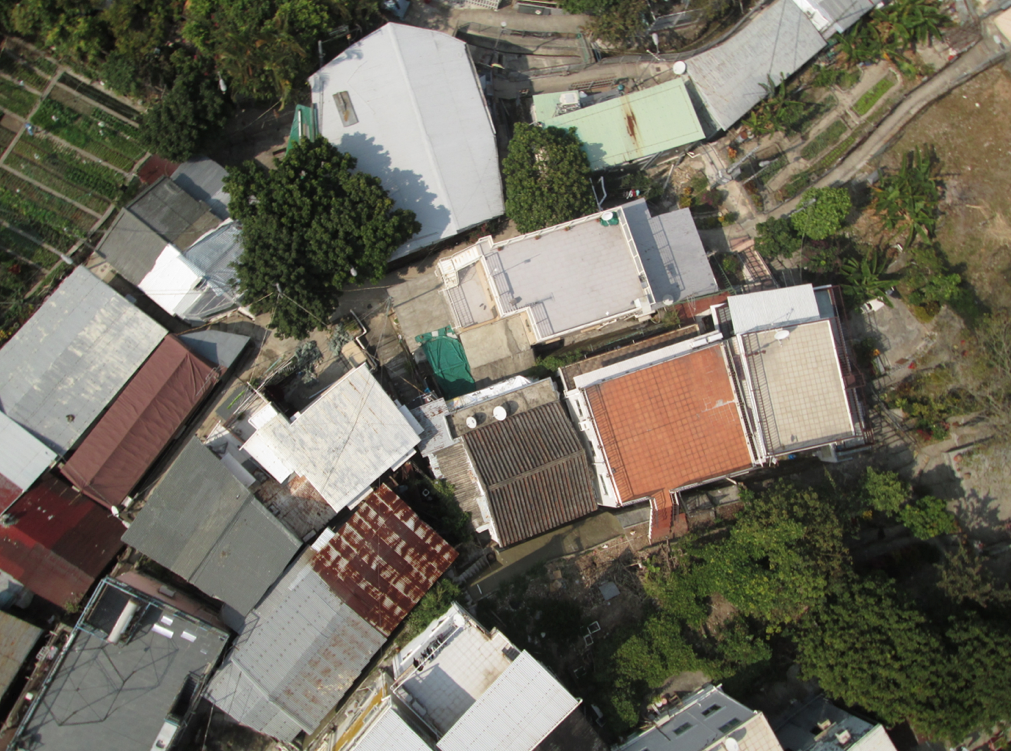
December 20, 2013
Envisioning Pokfulam Village: A Rich Cultural Landscape 薄扶林村:管制下的多元生活空間
2013 Bi-City Biennale of Urbanism Architecture Hong Kong
December 20, 2013 – February 28, 2014
Kwun Tong Ferry Pier, Kowloon
http://www.uabb.hk/
Installation collaborators: Pokfulam Village Cultural Landscape Conservation Group, the Gallant Ho Experiential Learning Centre, and the HKU Division of Landscape Architecture, Faculty of Architecture (Melissa Cate Christ, Seth Denizen and BALS3 LADiv students)
參展團隊:薄扶林村文化環境保育小組, 香港大學何耀棣體驗學習中心, 香港大學建築學院園境建築學部
From the installation’s descriptive text (by Benjamin Sin, Caritas):
The naming of Pokfulam Village to the World Monuments Fund Watch List has drawn international attention to the threatened cultural heritage of this 280-year-old village. In the 1950s, there was a dramatic increase of population in Hong Kong, with many new immigrants squatting on land in and around the village. Over time, the newcomers and the villagers have formed a single community, retaining the local traditions of the original village. This exhibit seeks to highlight the rich cultural landscape of Pokfulam Village which has flourished in spite of the restrictions the Squatter Control Policy has imposed on its physical development.
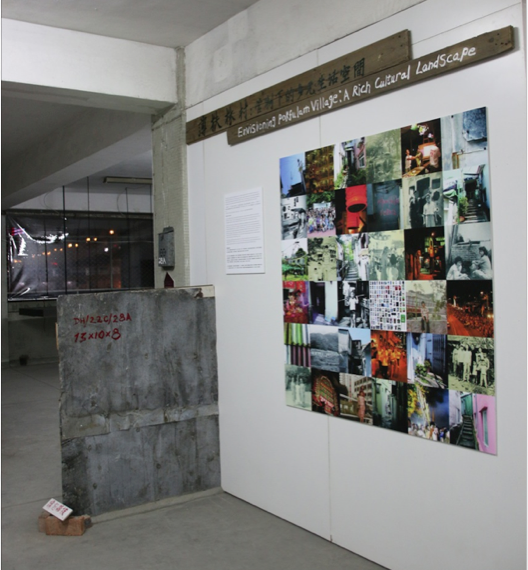
Squatter Control Policy
“The Government conducted a territory-wide Squatter Structure Survey in 1982. The purpose was to freeze the number of squatter huts at that time. Surveyed squatter huts are still unauthorised structures though they are allowed to remain in existence on a temporary basis. In normal circumstances, surveyed squatter huts will be cleared when the areas in which they are located are included in development clearance programmes or environmental improvement programmes, or for safety reasons. As such, the Government does not encourage squatter hut residents to use permanent materials to rebuild or repair squatter huts.”
-Mrs. Carrie Lam, Secretary for Development, 7.7.2010, in Legco
A large number of immigrants from China took up residence in Pokfulam Village in the 1950’s, joining the existing population of indigenous residents. At that time, decent building materials were not available for constructing proper shelters, leading to the construction of so called ‘squatter’ housing. Some common materials were used which are prone to decay and damage, forcing residents to repair their houses frequently. Some homes were even in danger of collapse or fire, threatening the safety of inhabitants.
Intending to prohibit the transformation of squatter houses into permanent structures, the 1982 Squatter Control Policy requires that every squatter house be renovated with only the building materials which were registered in the 1982 Government, referred to above in the quote from Carrie Lam. This policy has discouraged residents from improving their homes, e.g. to provide a more solid structure, better heat insulation or a brighter appearance, as any violation of the Policy will lead to forced demolition. Deprived from improving their standard of living as other Hong Kongers have been able to do, and threatened with the loss of their only shelter, the inhabitants of the village could not help but retain the settlement’s dilapidated appearance, sometimes seen as an eyesore to the villages’s middle-class neighbours, who are unaware of the requirements of the Policy. Other Hong Kong people who share the same fate as Pokfulam Village have also requested the government to reassess and review the Policy accordingly, but so far there has been no progress or success in updating the Policy.
No one is willing to stand prolonged oppression, especially those who are embedded in an environment with rich historical, cultural and social capital. The Pokfulamers lead their reform from within their homes. They build brick walls to ensure a safe and secure home, while leaving the outside appearance untouched. The metal and wooden plates (on view to your left), understood as the masking layers, symbolize the absurdity of the Squatter Control Policy.
薄扶林村獲世界文物建築基金會列入其監察名單,喚起國際社會的關注。立村二百多年,時至今日原居民仍在村內繁衍,保有地道傳統風俗,鄰里間充滿人情味。上世紀五十年代起,大量內地難民湧入,在老村內外搭建簡陋屋舍,艱難環境下建立起生存空間,並逐漸與原居民形成共生社群,有機營造共有生活文化。此次參展,期望觀眾看到寮屋政策管制下,薄扶林村仍保有的多元生活空間。
寮屋管制政策
「香港政府於一九八二年在全香港地區進行寮屋登記,目的是凍結當時的寮屋數目,獲登記的寮屋仍屬非法構築物,只是『暫准存在』。在一般的情況下,已獲登記的寮屋會因該寮屋所在地被納入發展清拆計劃或環境改善計劃,或因安全因素的情況下被清拆,因此政府並不鼓勵寮屋居民以永久性物料重建或修葺寮屋。」
– 二O一O年七月七日立法會上時任發展局局長林鄭月娥發言
五十年代,大批難民從中國湧入薄扶林村,與土生土長的村民一同生活。由於當年物質貧乏,他們祇能用最普通的物料建造居所。這些物料很快就銹蝕腐爛,迫得屋主不時要維修。在大自然的考驗下,亦隨時經不起風吹雨打而倒塌,或被火舌所吞噬!
奈何,政府為了不讓這些寮屋轉化成永久結構,規定寮屋如要整修,祇能夠沿用根據1982年寮屋登記時,建造該屋舍的物料。這一點限制了居民改善其家居環境的意願:如令家居變得更穩固、隔熱、及外觀更光鮮。誰若不依從政策都會被勒令拆遷。受著寮屋政策的威脅,怕會失去唯一的棲身之所。他們不像其他香港人,他們被剝奪了改善生活環境的自由,祇能無奈地維持居所的破爛外觀。不明所以的中產鄰居,有時還會怪責他們,覺得他們礙眼。在香港其它地區,有著相同命運的人,曾要求政府全面審視現況,對政策作出相應檢討,但都得不到正面回應。
沒有人願意長期被壓制。尤其是那些曾浸淫在豐富歷史、文化、社會底蘊的人。薄扶林村人帶動從屋內進行的變革:他們用紅磚建起一個更堅固安全的居所,而外層鋪回原來的鐵皮木板。明眼人一看就知道那是一層掩飾。這現象就如同把荒謬的寮屋管制政策置於聚光燈下,供社會大眾一起去審視!¬
December 7, 2013
step up!
a celebration of HK stairs through art, theatre, dance, design and community initiatives
December 7-15, 2013
Opening tour by Melissa Cate Christ: December 7, 4pm
Join me on a walk from Wan Chai’s Dominion Garden to Tai Ping Shan to tour the installations which are part of step up! and experience Hong Kong’s unique Stair Culture.
More information on the installations and performances can be found at facebook
part of very hong kong
November 27, 2013
EXCESS launch
Wednesday, 27 November, 2013
6:30pm reception, 7-9pm discussion
Broadway Cinematheque (next to Kubrick Cafe and Bookstore), Foyer area on 1/F
Prosperous Garden, 3 Public Square Street, Yau Ma Tei, Kowloon
kubrick.com.hk
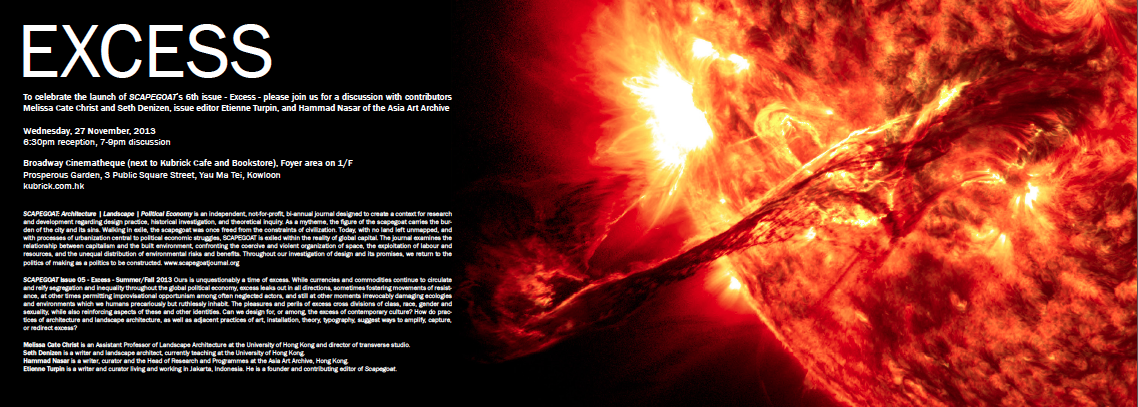
To celebrate the launch of SCAPEGOAT’s 6th issue – Excess – please join us for a discussion with contributors Melissa Cate Christ and Seth Denizen, issue editor Etienne Turpin, and Hammad Nasar of the Asia Art Archive
EXCESS: Consuming Hong Kong / Scapegoat Launch
Lauded as a luxury capital, with the world’s highest per capita consumption rate of luxury goods thanks to Mainland Chinese tourists, Hong Kong is exemplary of the paradoxical relationship of excess and restriction. Haunted by myths of perpetual land scarcity, the valorization of imported goods, and a leisure culture of obsessive consumption, in Hong Kong land redevelopment policy and practice have prioritized revenue generation, shopping mall tourism and outdated models of public housing construction at the expense of both cultural and environmental heritage, and the potential for a more equitable, food-secure society.
In a discussion moderated by Hammad Nasar of the Asia Art Archive, Scapegoat editor Etienne Turpin will present the concept “excess” — the theme of Issue 05 — as a lens which we can use to observe and assess relations of confinement and consumption, and as a provocation to intervene in these processes through activism, design, and other public platforms. Scapegoat contributors Seth Denizen and Melissa Cate Christ will then discuss, respectively, the shopping mall as a model for the therapeutic transformation of the subject, and the extreme environmental and social effects of our out-of-season desire for imported vegetables on the landscape of Almeria, Spain. These presentations will be followed by a conversation with the audience about the reciprocal relations between architecture and its adjacencies, the rise of cultural tourism, and the role of independent counter-practices in the context of Hong Kong. With this presentation and discussion, we hope the launch of Scapegoat 05 will provoke further conversations about expenditure, consumption culture, and cultural politics.
From the editorial board:
SCAPEGOAT: Architecture | Landscape | Political Economy is an independent, not-for-profit, bi-annual journal designed to create a context for research and development regarding design practice, historical investigation, and theoretical inquiry. As a mytheme, the figure of the scapegoat carries the burden of the city and its sins. Walking in exile, the scapegoat was once freed from the constraints of civilization. Today, with no land left unmapped, and with processes of urbanization central to political economic struggles, SCAPEGOAT is exiled within the reality of global capital. The journal examines the relationship between capitalism and the built environment, confronting the coercive and violent organization of space, the exploitation of labour and resources, and the unequal distribution of environmental risks and benefits. Throughout our investigation of design and its promises, we return to the politics of making as a politics to be constructed. www.scapegoatjournal.org
From the issue introduction:
SCAPEGOAT Issue 05 – Excess – Summer/Fall 2013 Ours is unquestionably a time of excess. While currencies and commodities continue to circulate and reify segregation and inequality throughout the global political economy, excess leaks out in all directions, sometimes fostering movements of resistance,at other times permitting improvisational opportunism among often neglected actors, and still at other moments irrevocably damaging ecologies and environments which we humans precariously but ruthlessly inhabit. The pleasures and perils of excess cross divisions of class, race, gender and sexuality, while also reinforcing aspects of these and other identities. Can we design for, or among, the excess of contemporary culture? How do practices of architecture and landscape architecture, as well as adjacent practices of art, installation, theory, typography, suggest ways to amplify, capture, or redirect excess?
Melissa Cate Christ is an Asst. Professor of Landscape Architecture at the University of Hong Kong and director of transverse studio.
Seth Denizen is a writer and landscape architect, currently teaching at the University of Hong Kong.
Hammad Nasar is a writer, curator and the Head of Research and Programmes at the Asia Art Archive, Hong Kong.
Etienne Turpin is a writer and curator living and working in Jakarta, Indonesia. He is a founder and contributing editor of Scapegoat.
November 23, 2013
Without Exteriority/Excessive Urbanism
EXCESS launch: Shanghai
Saturday November 23
3-5pm discussion, 5-7 reception
Shanghai Study Centre – more info
WITHOUT EXTERIORITY: ARCHITECTURE AFTER THE URBAN-RURAL DICHOTOMY
By 1973, Raymond Williams’ The Country and the City had already located fundamental contradictions in the urban, academic image of rural life. For Williams, the rural was a myth functioning as a memory of the origins of the city; yet, despite his prescient analysis, the myth of a natural, conflict-free, rural space outside the city remains a compelling image even in our contemporary discourse. Following the continuing discussion of the rural-urban relation in China, initiated this year through the programming of the HKU Shanghai Study Center, this event introduces several new perspectives on architecture after the urban-rural divide.
In a discussion moderated by Daan Roggeveen and Xiaoyu Weng, Scapegoat editor Etienne Turpin will present the project of “Excess” as a means to better examine the past and present of urban-rural assemblages. Journal contributors Seth Denizen and Melissa Cate Christ will discuss, respectively, the therapeutic role of the pastoral in the psychosocial history of American urbanism, and the explosive growth of the garden as factory in Spain’s miracle economy. These presentations will be followed by a further discussion of China’s rural growth and its implications for designers and planners. If, as Peter Sloterdijk has suggested, the planet of terrestrial globalization has itself become a world interior of capital, we must examine how this global transition has entangled America, Europe, and Asia in a hyper-productive paradox of perpetual growth and the attendant crises of resource depletion, biodiversity loss, and megacity pollution. With this presentation and discussion, we hope our launch of Scapegoat Issue 05 will provoke conversations about excess, expenditure, and this architecture without exteriority.
Participants
Study Center Moderator _ Daan Roggeveen, director
Guest Moderator _ Xiaoyu Weng, writer and curator
Participants _ Seth Denizen, contributor _ Melissa Cate Christ, contributor _ Etienne Turpin, editor
See a video of the discussion here.
November 22, 2013
Melissa will be an invited studio critic, giving her lecture “Food Security and the Commons: the role of Singapore”, and introducing the HKU MLA program at Xi’an University of Architecture and Technology.
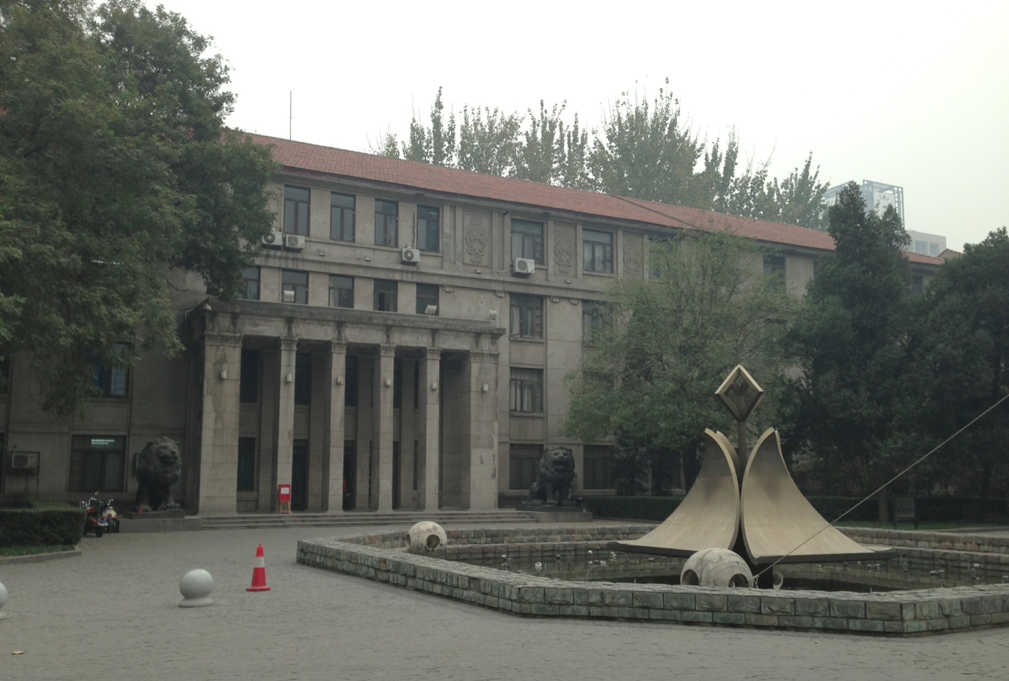 Xi’an University of Architecture and Technology
 Just another ‘hazy’ day in western-Central China!
November 10, 2013
Envisioning Pokfulam Village
Sunday, November 10, 2013
Choi Yuen Community Garden, Pokfulam Village
Join us for a community workshop to create a more accessible village!
This event is part of the Historical Settlement Festival, is organized and led by students from the HKU Division of Landscape Architecture and is supported by the Gallant Ho Experiential Learning Fund and the Division of Landscape Architecture, Faculty of Architecture, HKU. www.ad.arch.hku.hk/arch2043 pflvstudio@gmail.com
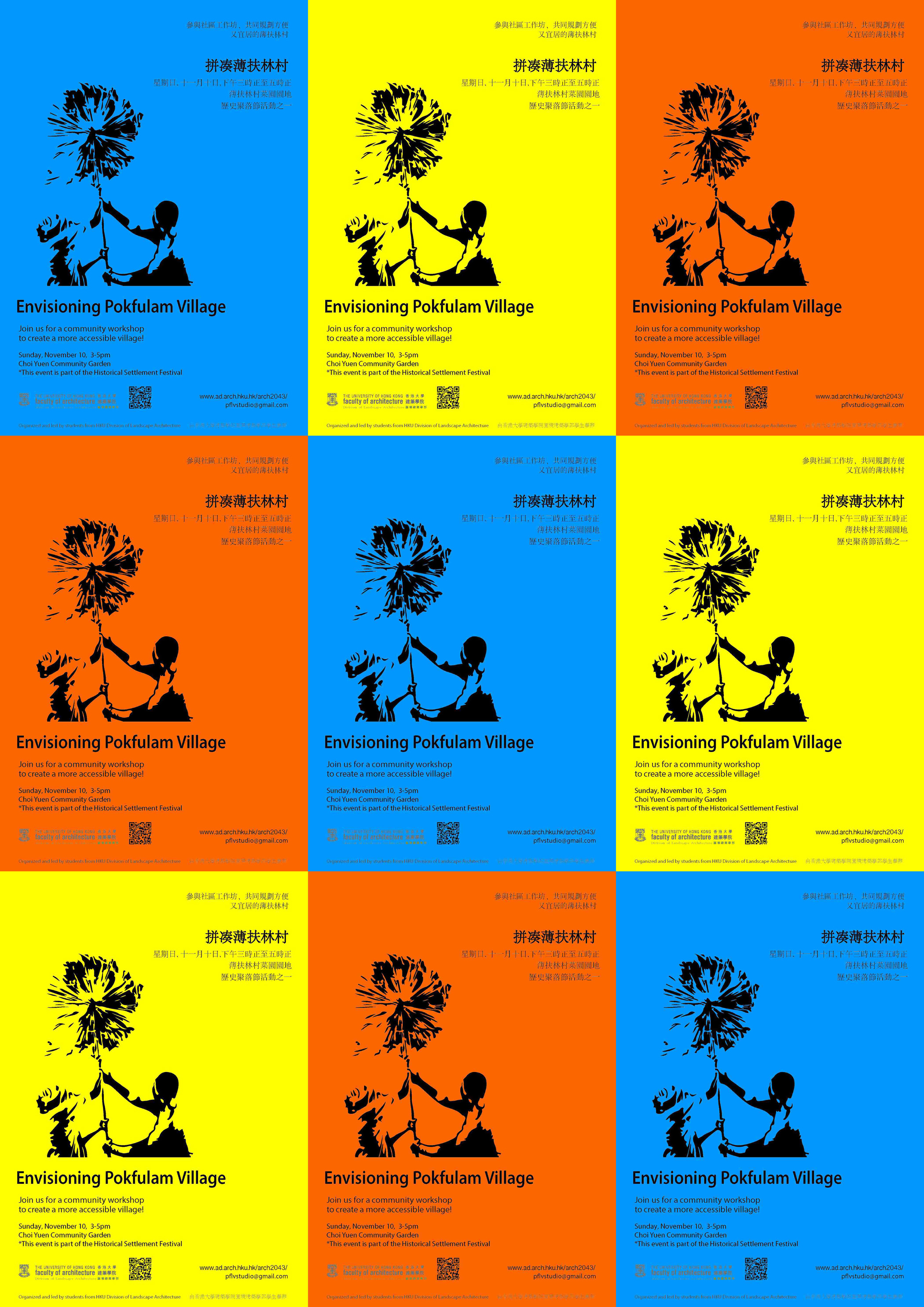
October 5, 2013
step up!
a celebration of HK stairs through art, theatre, dance, design and community initiatives
December 7-15, 2013
curated by melissa cate christ
part of very hong kong
download the request for proposals (RFP) here and submit to melissa@transversestudio.com by October 21!
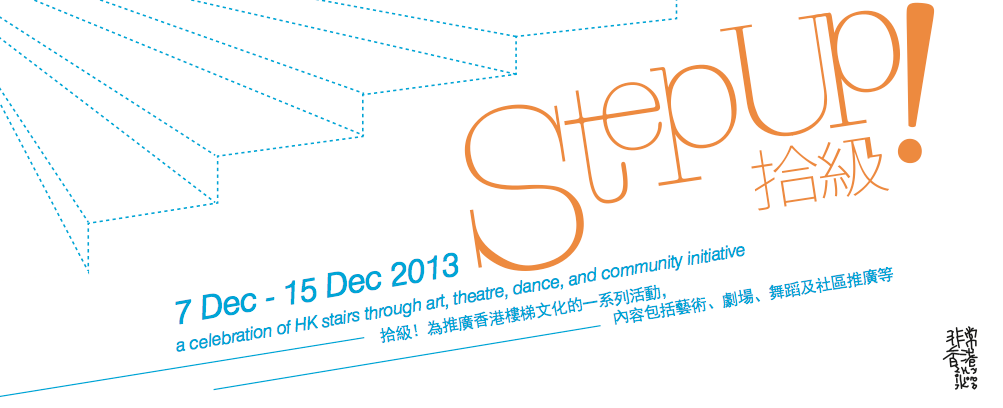
step up! is a curated exhibition of performances, events, art, and architecture installations which reflect on conflict, ownership, responsibility and cultural occupation in the context of public right of ways in Hong Kong. The installations are situated on an essential typology of pedestrian right of way on Hong Kong Island, the public staircase. The intent of step up! is to bring greater awareness about the importance and role of stairs in Hong Kong culture and daily life.
Proposal requirements
Although it is relatively straightforward for government departments or utilities to acquire an excavation permit to destroy and rebuild the public surface, granting permission to occupy the same spaces with art is a complex jurisdictional negotiation. In order to successfully circumvent administrative hurdles, the challenge of step up! is to design and install work that is light, temporary, site specific, or interactive, and/or is needed and self-evident, like it has always been there. For the performances, the challenge is how to leave a trace, evidence of an event past, or a clue to a future one.
For all projects, the intent is to uncover the hidden potentials of stairs as occupiable public space, celebrate the uniqueness and complexity of HK’s urban fabric and inject an element of spontaneity and surprise into our everyday routines.
Please submit your proposal by email to melissa@transversestudio.com by October 21. We are offering a $1000 honorarium for each artist/team. See https://goo.gl/A4TN5H for a map of the proposed route and the RFP for more info.
September 24, 2013
This Garden of the Sun: A Report on Almería’s Miracle Economy
Melissa Cate Christ
As part of Melissa’s ongoing research on the political economies and ecologies of global food production sites, networks and systems, her article “This Garden of the Sun: A Report on Almería’s Miracle Economy” has been published in Issue 05: SCAPEGOAT: Architecture | Landscape | Political Economy. You can download a pdf of the article here.
More information on the issue and a link to order it online is at
http://www.scapegoatjournal.org/
September 22-25
Evidence of Action
ECLAS Annual Conference
HafenCity University, Hamburg, Germany
For the 2013 European Council of Landscape Architecture Schools (ECLAS) Annual Conference, Melissa will be presenting her paper “Evidence of Action: Towards an Ecology of Objects”, as part of the Best Practices Landscape Architecture session. More information on the conference can be found here.
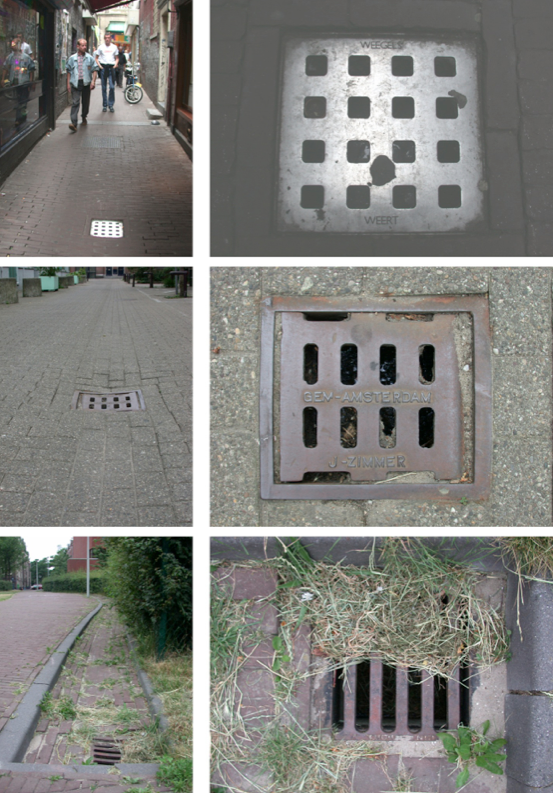
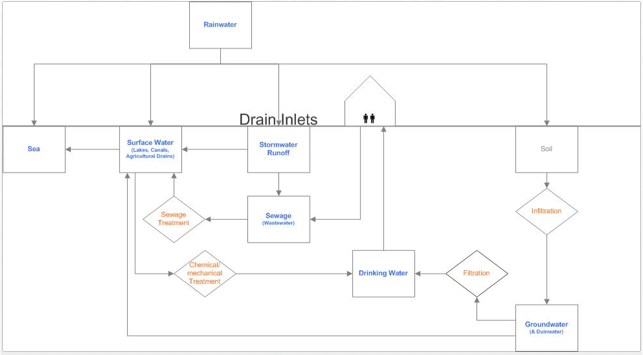
Abstract:
Extracting the notion of ecology from its traditional application in the natural sciences, we can sidestep the opposition of natural and man-made by positing that urban landscapes are collections of objects. Drawing critically on the thinking of authors such as Jane Bennett, Levi R. Bryant, Manual DeLanda, and Bruno Latour, this paper situates the practice of landscape design and planning within this collection of individual objects that participate in “systems of interdependent relations” (Bryant 2012). Objects can then be understood as evidence of infrastructural action, or as “a source of action and susceptible to being altered or “affected” by…encounters with others, and thus also a recipient of action”(Bennett and Livingston 2011, p. 12).
Within this ecology of objects, documenting individual instances as evidence of action exposes both the objects themselves and the systems they evidence, uncovering opportunities for design agency. This process creates new objects and assemblies, and affects their constituent systems. Recent work to catalog objects as evidence of action, such as Linda Pollack’s image matrices documenting ‘traces of phenomena’ (Felson and Pollack 2010, p. 362), illustrate objects both in their real, material state as things in-themselves (e.g. a curb) but also as evidencing processes which are often unseen.
To ground this movement towards an ecology of infrastructural actions, this paper presents work from the Division of Landscape Architecture at HKU where a developing pedagogy requires the investigation, documentation, and design of urban infrastructural objects simultaneously embedded within and withdrawing from their complex contingent conditions. This methodology of close observation of and active engagement in specific situations allows students to link the ‘real’ existence of objects to forces such as policy, code, construction and material practices, and social and cultural appropriation, enabling design intervention at the scale of the object (e.g. a bus stop) and with respect to the processes that the objects evidence (e.g. the public transportation network). This concurrently contextual and individuated approach requires familiarization with what exists in order to understand how, where, and why to intervene in the urban environment.
August 31, 2013
pound lane picnic 2013!
As the consultation period for the proposed pound lane escalator draws to a close (visit here to see the Government’s site and give your feedback), join us in the second annual pound lane picnic to ‘occupy’ the pound lane stairs in support of preserving the valued character of Pound Lane and the Blake Garden neighborhood – our goal is to fill the entire length of the stairs with people and of course picnics!
date: saturday, august 31, 2013
time: 12-2pm
location: pound lane stairs between Hollywood and Bonham Roads
This event is part of ‘step up!’ – a celebration of HK stairs through art, theatre, dance, and community initiatives. step up! will be part of the Very Hong Kong Festival in December 2013 – more details to come!
The picnic is organized by Melissa Cate Christ and supported by the Division of Landscape Architecture, University of Hong Kong, Pound Lane Concern Group, 30SGroup, Central and Western Concern Group, Greensense, Ghost Pine Organization and the Alliance for a Beautiful Hong Kong.
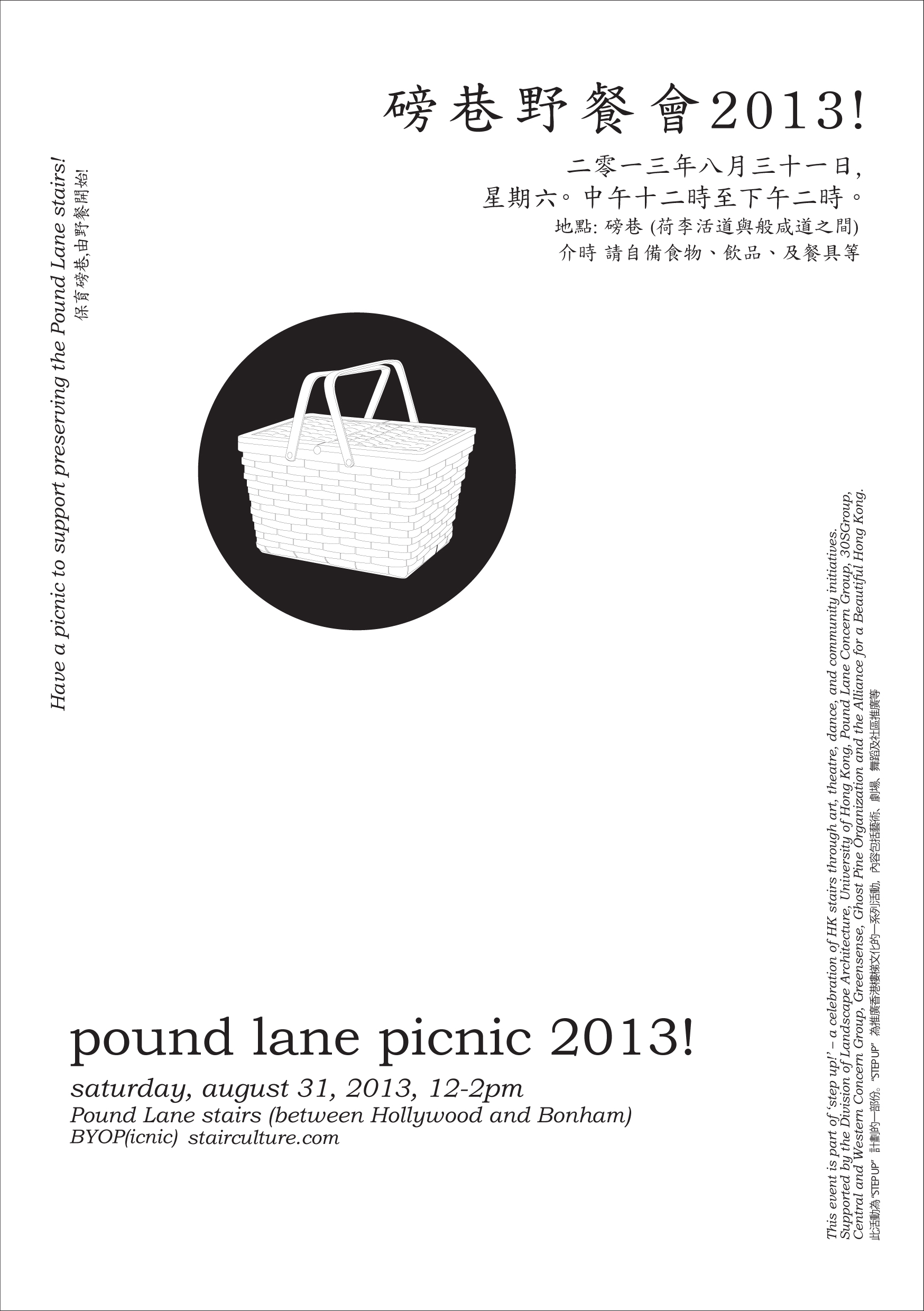
August 22-25, 2013
Food Security and the Commons
Beyond Borders: Building a Regional Commons in Southeast Asia: 3rd International Conference on International Relations and Development (ICIRD 2013)
Chulalongkorn University, Bankok, Thailand
As part of the panel Agriculture, Food Security and the Commons in ASEAN, chaired by Dr. George Michael Hayes, Melissa will be presenting her recent research on Singaporean local food production in relation to regional food security policy in the paper “Food Security and the Commons in ASEAN: the role of Singapore” on August 22, 2013. For more information on the panel see here and on the conference see here.
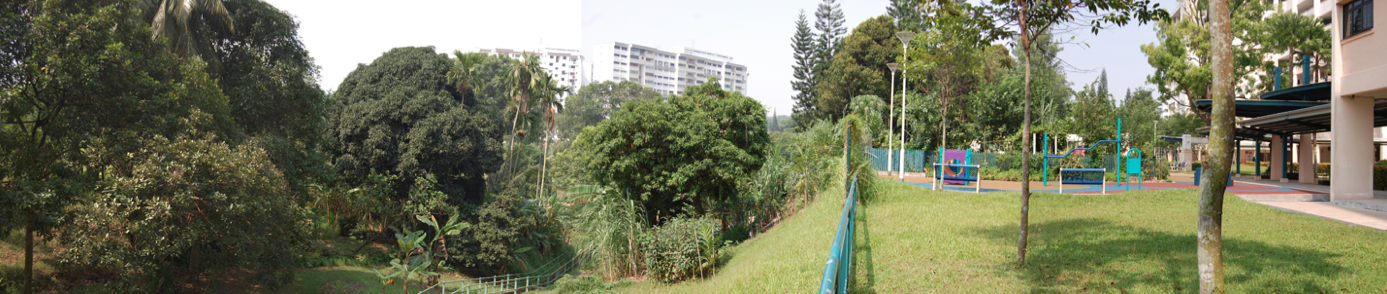
Melissa’s abstract:
Since the conception of the ASEAN Integrated Food Security (AIFS) Framework in 2008, ASEAN member states have taken steps to implement the components and strategic thrusts laid out in the AIFS Framework. These actions can be seen as contributing to the development of a regional “commons” which is based on prioritizing the right of “all people, at all times, [to] have physical and economic access to sufficient, safe and nutritious food to meet their dietary needs and food preferences for an active and healthy life” (FAO 1996). Although a wide range of conditions exist with regard to this right across the ASEAN member states, as a net-food importing country which imports 90% of its food from a limited number of sources, in this paper Singapore is presented as a case study for the increasing importance of taking a commons perspective on food supply and security. The paper is particularly concerned with actions to diversify food sources, increase local food production and promote food and agro-based industry, research, and development. In the context of a highly urbanized population with limited land and natural resources, the paper argues that those seeming disadvantages can serve to benefit both the local and wider community.
Initially part of a design research project to discover, document, and test potential strategies to address Hong Kong’s situation as a net-food importing territory which relies on a limited number of sources – 95% of its food is imported and 60% of that comes from Mainland China – this paper traces the recent history of food security policies and actions in Singapore with respect to increasing local production. The paper examines several case studies that demonstrate the application of the AIFS framework, in particular the development of research, technology and community resources for urban agricultural production. The paper concludes with a reflection on Singapore’s role in providing for a food secure future for itself, and by extension, the entire region.
July 6, 2013
viewing the archive / archiving the view
Asia Art Archive Open Weekend
Andrew Toland and Melissa Cate Christ have been invited by the AAA to hold a workshop during Open Weekend which will serve as a participatory record of the AAA’s current space, employees and visitors. The workshop will offer the public an opportunity to experience how designers document spatial conditions and experiences using the space of the AAA and its surroundings. Through a structured process, participants will take on the roles of designer, artist, storyteller and archivist to create a visual narrative about the Archive and its immediate context in order to archive past, present and future stories in Sheung Wan.
More info about Open Weekend and other events here.
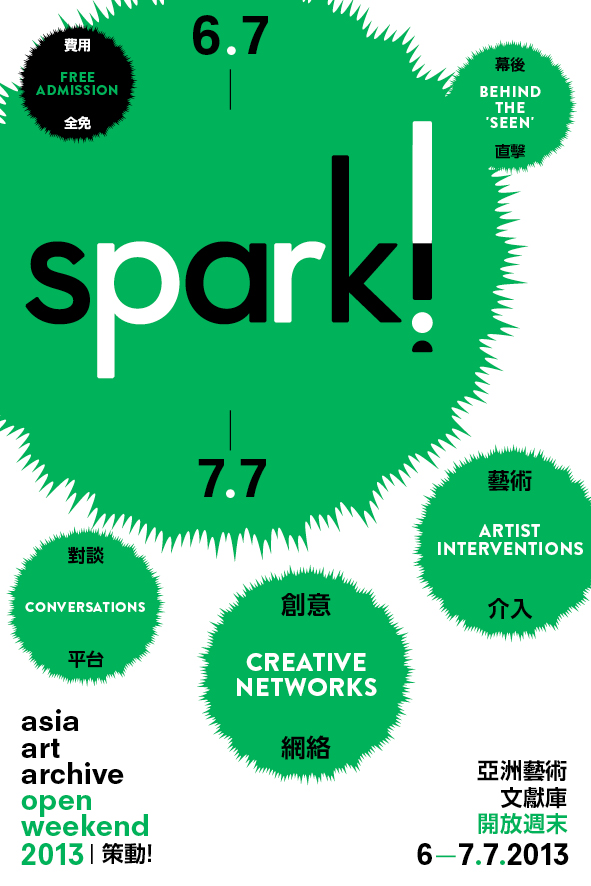
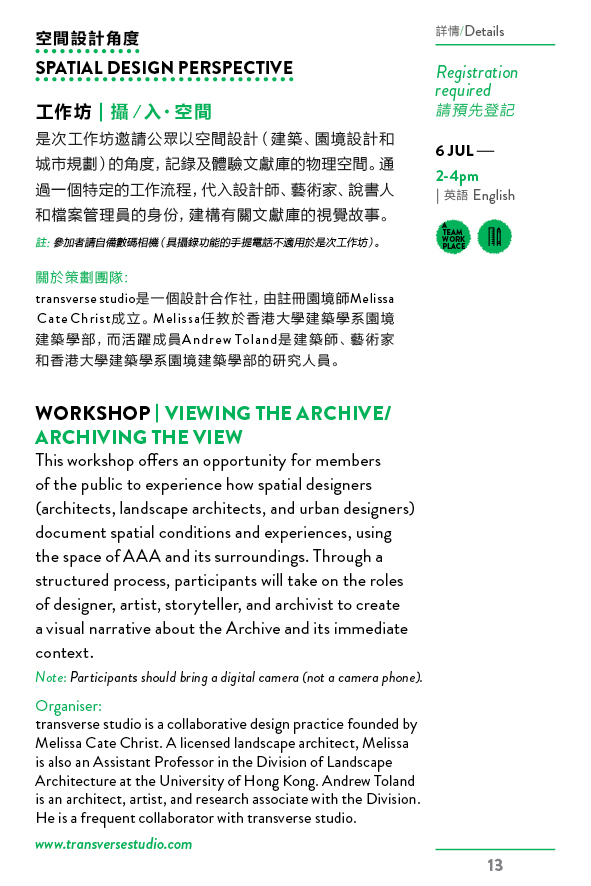
June 28-29, 2013
ON WALKING conference
University of Sunderland, UK
Andrew Toland
Andrew Toland will be presenting his paper WALKING—LANDSCAPE—URBANISM at the ON WALKING conference held at the University of Sunderland and organised by the research group W.A.L.K. (www.WALK.uk.net) in association with WALK ON, an exhibition at the Northern Gallery of Contemporary Art, aims to provide a critical and discursive meeting-point for artists, writers, thinkers, and academics who are engaged in the study of walking, and to document the many diverse approaches to the study of walking.
More info about the conference here.
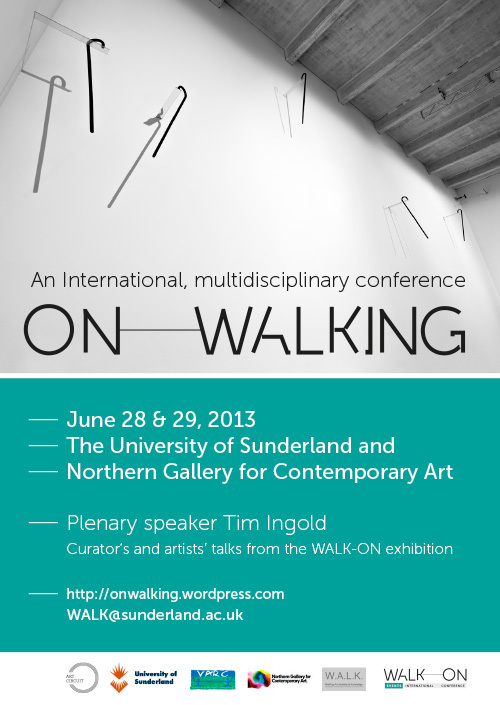
Andrew’s abstract:
In April and May 2011 I walked 1200 kiometres around the island of Shikoku in Japan. I was following the ancient Buddhist pilgrimage route known as the Henro Michi. When I told them, most people visualised an extended stroll around a giant Zen garden, or a scroll painting come to life. The reality was much more brutal. Most of it was by the side of a highway though the endless, sprawling wasteland of Japanese exurbia. This paper considers walking as a medium for developing and deepening Landscape Urbanism as a theoretical position within contemporary Landscape and Architectural theory, using this experience of Japan’s contemporary landscape as a starting point.
To date, the theory of Landscape Urbanism has relied on two increasingly important techniques of representation within the built environment disciplines: satellite/aerial photography, and the field diagram. These techniques are fundamentally distancing and totalising, placing the subject and the object into an abstract relationship. They are part of the continuing legacy of modernist theory and representation in the landscape and architectural disciplines.
Walking as a medium of experience does the opposite. It embeds the subject in the urban environment, and allows for an important corrective to the distancing tendencies of other modes of experience through representation. This paper examines the implications of walking and representation for our current understanding of both landscape and urbanisation within the landscape and architectural disciplines.
June 21-September 20, 2013
Environment, Community and Design
DLA Gallery, 6/F Knowles Building, University of Hong Kong. Exhibition of student work, co-curated by Melissa Cate Christ and Andrew Toland.
June 14- 21, 2013
alternate constructions: Stair culture in Hong Kong
June 14-21, 2013
11am-7pm daily
Opening reception: June 14, 6-9pm
Mapping workshop: June 15, 2-4pm
TopZoo, 66 Po Hing Fong, Sheung Wan
The exhibition features the design research of HKU students and faculty in the context of the proposed escalator along Pound Lane.
Organized by Melissa Cate Christ
Exhibition design by Andrew Toland
Supported by the Division of Landscape Architecture, University of Hong Kong and the Knowledge Exchange Fund.
More info and images from the exhibition at an escalator for pound lane? and stairculture.com.
Press statement and exhibition specs here.
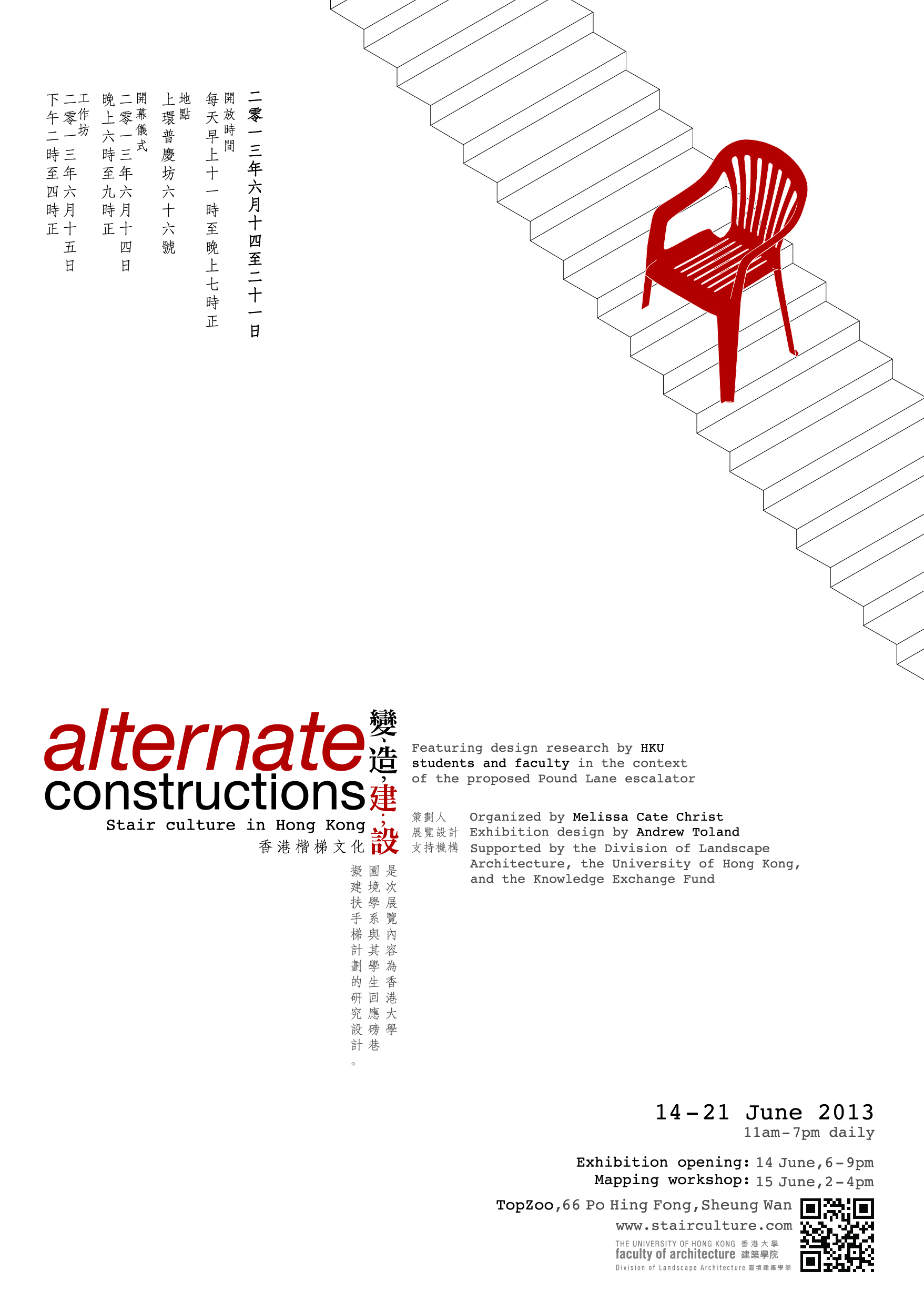
May 26, 2013
Tai Ping Shan Post
Join us for the launch of the first issue of the Tai Ping Shan Post, Sunday, May 26 at 2:30pm. 32 Po Hing Fong, Sheung Wan. Check out a short video of the process of printing the paper at the last printer in the neighborhood, located on the Shing Wong stairs.
May 7, 2013
Walkable City, Living Streets
Melissa has been invited to chair the session “Streets as Public Spaces” at the conference Walkable City, Living Streets, organized by Civic Exchange, Community for Road Safety and Designing Hong Kong.
7 May 2013 (Tue)
09:00 – 17:00
Exhibition Hall, Energizing Kowloon East Office, 122 Hoi Bun Road, Kwun Tong (Map)
The full-day conference will be conducted in English (lunch-time forum will be conducted in Cantonese)
This event is free of charge but registration is needed.
From the conference website:
In support of the Second United Nations Global Road Safety Week focused on ‘pedestrian safety’, Civic Exchange, Community for Road Safety and Designing Hong Kong will co-host a full day event entitled Walkable City, Living Streets. The day is divided into three sessions/themes, ‘Pedestrian Network Planning’, ‘Pedestrian Safety’ and ‘Streets as Public Space’, and will be followed by a panel discussion on integrating the three themes in urban and transport planning in Hong Kong.
Background:
With the reputation of a world-class transport system, a major emphasis in Hong Kong has been on the efficient movement of vehicular traffic. This approach, however, can often sacrifice the safety, convenience, and comfort of non-motorized road users. How do we balance the interests of different road users and entice people to walk longer before taking transport? If we aspire to the vision of building Hong Kong as a liveable city, are we giving enough priority to the needs of pedestrians? Do our networks offer excellent connectivity and accessibility, as well as quality spaces for all to enjoy social life?
April 24-26, 2013
Open Stall / 開檔
Exhibition: April 24-26, 2013
Opening: Wednesday, April 24, 8pm
Poly U, between Core P and Core Q podium level.
Several students from Melissa’s Fall 2012 Environment Community and Design course have been invited to participate in an exhibition organized by PolyU Architecture and Social Work students about HK hawker culture and issues. Winnie Yeung, Freda Yu and Dennis Fung from the BALS program will exhibit their research and engagement activity concerning Fa Yuen Street, where they solicited hawker and public opinion about the future of the street in light of new regulations proposed by the HK government in the wake of devastating fires in the market last year. The exhibition is organized by Polytechnic University School of Design and School of Social Work in collaboration with: Fa Yuen Street hawkers, Hawkerama alliance of street design, the Hawkers development platform, Hawkerama artists, and the Faculty of Architecture, University of Hong Kong,
Hawkerama artist installations include:
1. The Confessional (Chan Ka Hing)
2. Sausage Tricycle (KaCaMa)
3. Large metal Reflective Pole (Manfred Yuen)
4. Transform Bar (Kacey Wong)
5. Sketching Booth (Rainbow Leung)
6. Salt Stall (Michael Leung)
Exhibition intent:
近年,「地產霸權」以不同形式壟斷出現,已令市場全被各式各樣大型連鎖店及商場所佔據。「麥當奴」式流水作業的售賣過程,令商場成為了一個冷冰冰的賺錢平台。然而,除了這種冰冷的平台外,社會仍有一些保留著人情味的經濟活動:各式各樣的小販檔攤。這些販賣的過程中並不只是單純的交易手續,還有那份主流社會中旋逐漸失卻的人與人之間的情與互動。
因此,當我們看到另類經濟活動的經營空間愈來愈少,「開檔:販轉香港經濟﹗」就希望可以提升公眾對小販文化、小販歷史的認識,讓公眾了解現時小販正在縮小的生存空間,並使大家明白小販的功能及其存在的價值。
February 7, 2013
Organized and supported by the DLA, HKU, Kathryn Gustafson and Neil Porter will be lecturing on ‘Designing Atmospheres and a Place that Fits’ Thursday, February 7 at 6:30pm, Lecture Hall T2, Meng Wah Complex, HKU. Watch the lecture here on HKU FACArch Vimeo page.
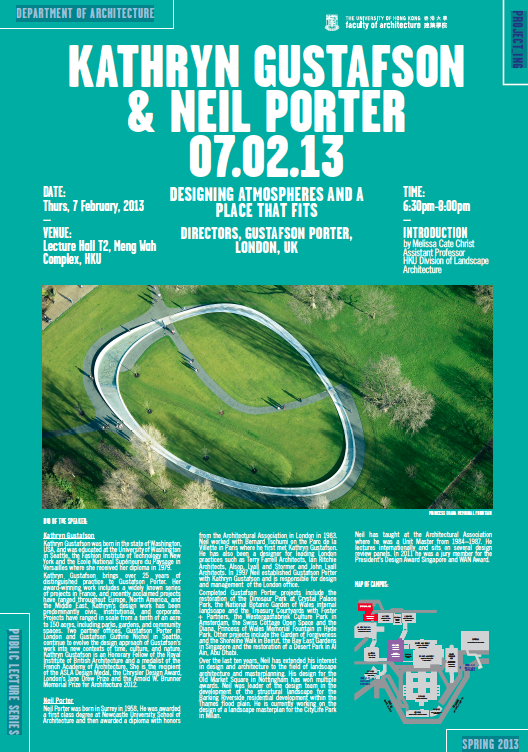
February 2, 2013
in the know: experiments in spatial memory
At the invitation of the Asia Art Archive, Andrew Toland, Adam Bobbette and Melissa Cate Christ will be holding a workshop as part of Song Dong’s new exhibition, 36 Calandars, at ArtisTree, TaiKoo Place, HK. The workshop will guide participants through a series of experiments in spatial memory, tracing and overlaying their present and past routine paths through the urban landscape of Hong Kong. The two hour session will culminate in an idiosyncratic guidebook to the secret routes of the city through collage, mapping, and mixed media construction.
More info on the Song Dong exhibition and other affiliated programmes here.
A selection of photos from the workshop can be found here.
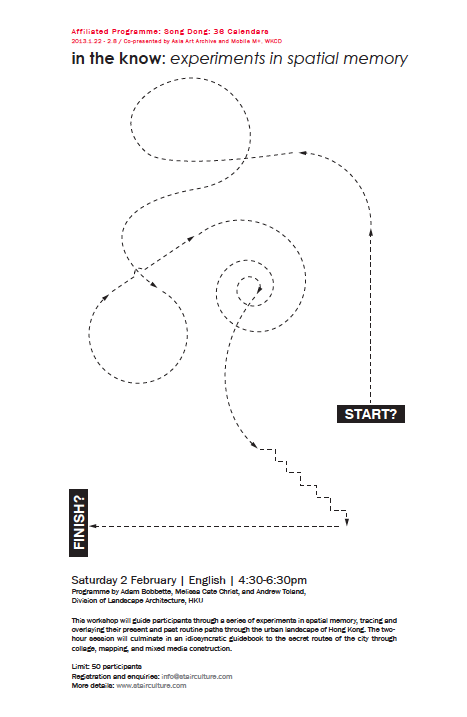
participant memory path intersections and overlays @ in the know, feb 2, 2013
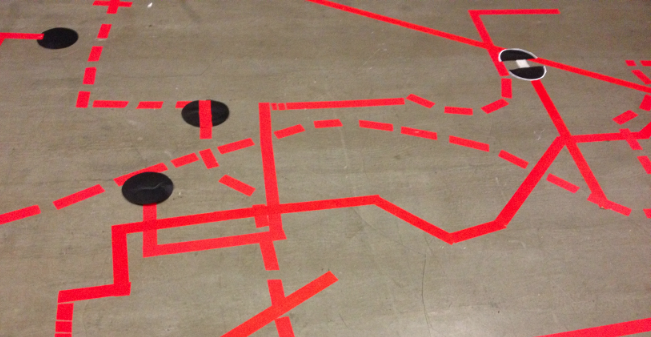
January 21, 2013
Song Dong 36 Calendars Opening event
At the invitation of the Asia Art Archive, Adam Bobbette, Melissa and four students from the Division of Landscape Architecture are participating in the opening event of Song Dong’s 36 Calendars project.
From the exhibition statement: On 22 January 2013, Beijing-based artist Song Dong (b. 1966) will open his first solo exhibition in Hong Kong. Entitled ‘Song Dong: 36 Calendars’, the exhibition is co-presented by Asia Art Archive (AAA) and Mobile M+ of the West Kowloon Cultural District Authority. Conceived and initiated during his residency at AAA in October 2011 and January 2012, Song spent more than a year realising this ambitious participatory project which involves the re-writing of the last 36 years of history (1978-2013) from his personal perspective in the form of 36 years of hand-drawn, wire-bound annual household wall calendars. Each of the 432 months is accompanied by a sketch of a significant historical event, relaying Song’s longtime interest in socio-political history, individual experience, and art history. During the exhibition opening, Song Dong invites over 400 members of the public to collaborate with him to complete the project by adding, changing, or editing individual months according to their own memories of historical events. Alongside Song Dong’s version of the calendar, participants’ creations will add another layer to the artwork, on display throughout the exhibition period from 22 January to 8 February 2013.
More information about the opening participatory event and the project here.
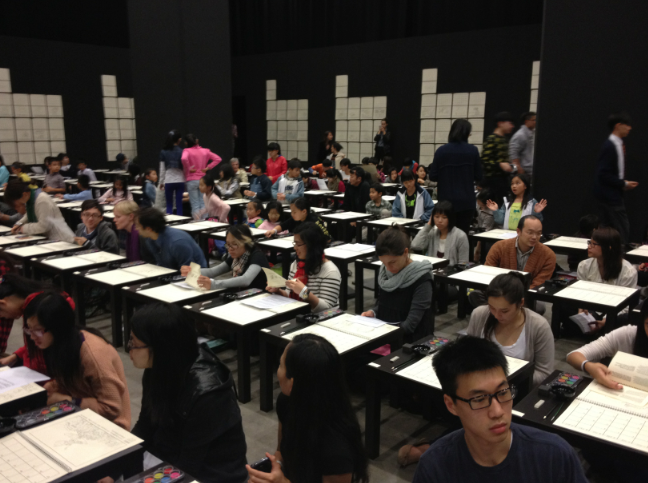
December 17, 2012
transverse studio, in a collaborative project with Seth Denizen, has been chosen as one of six finalists for a site in Landing: Lausanne Jardins 2014. From the organizers:
“The overall quality of the participating teams, and the enthusiasm we observed in the more than 400 submissions we have received, has been a great source of pleasure for us. Indeed this time the event has become more international than ever, and the call to compete has spread far and wide, from China to Mexico and from India to Norway. All in all 28 countries have been represented. Of the 150 submissions accepted for the competition stage, we have shared out the choice of locations in order to receive 6 projects per site.” Final proposals are due in March. More information on Lausanne Jardins here.
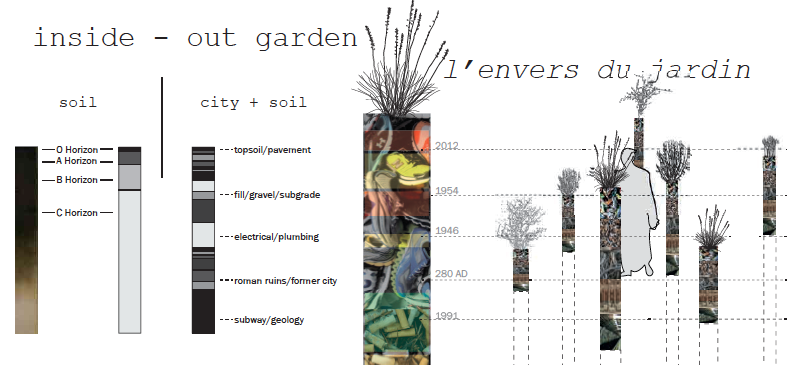
December 16, 2012
pound lane picnic!
join us in ‘occupying’ the pound lane stairs to support preserving the valued character of Pound Lane and the Blake Garden neighborhood – our goal is to fill the entire length of the stairs with people and of course picnics!
date: sunday, december 16, 2012
time: 12-2pm
二零一二年十二月十六日, 星期日。中午十二時至下午二時。
location: pound lane stairs between Hollywood and Bonham
地點: 磅巷 (荷李活道與般咸道之間) 介時 請自備食物、飲品、及餐具等
This event is part of ‘step up!’ – a celebration of HK stairs through art, theatre, dance, and community initiatives.
Supported by the Division of Landscape Architecture, University of Hong Kong, Pound Lane Concern Group, 30SGroup, Central and Western Concern Group, Greensense, Ghost Pine Organization and the Alliance for a Beautiful Hong Kong.
此活動為 “STEP UP” 計劃的一部份。“STEP UP” 為推廣香港樓梯文化的一系列活動,內容包括藝術、劇場、舞蹈及社區推廣等
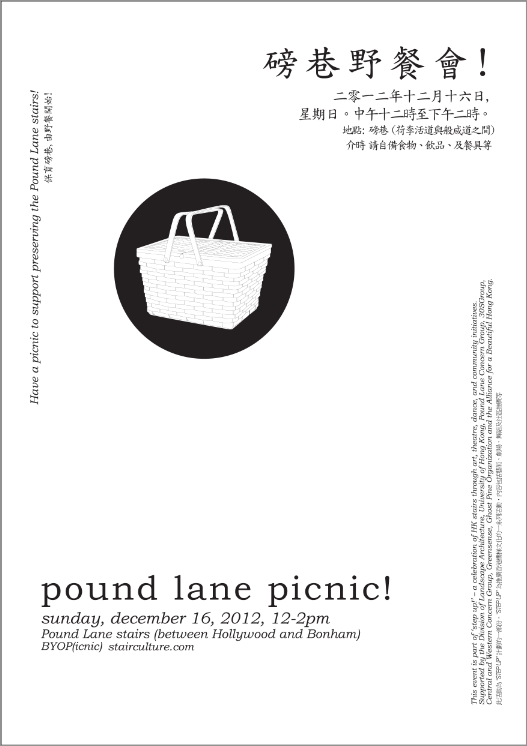
press conference at the picnic
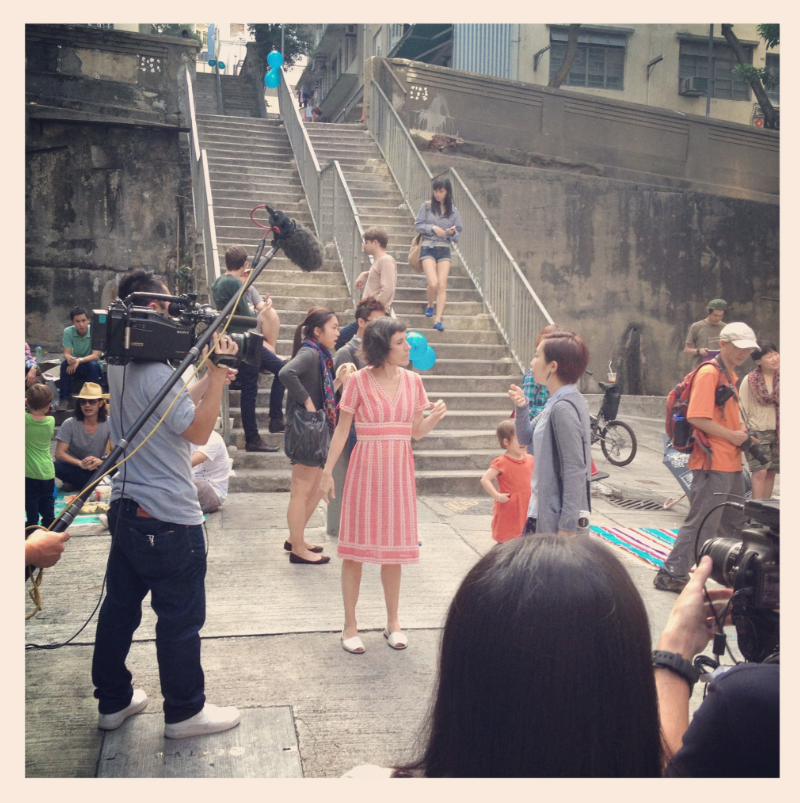
December 12, 2012
petcha kucha
Melissa will be presenting her work in the first HKU Arch Dept Petcha Kutcha along with Yan Gao, Tris Kee, Dylan Baker-Rice, Marcin Klocek, Jason Carlow, Martin Riese, Christian Langhe, Tom Verebes, Kristof Crolla, Olivier Ottovaere, Steven Ma, and Riyad Joucka.
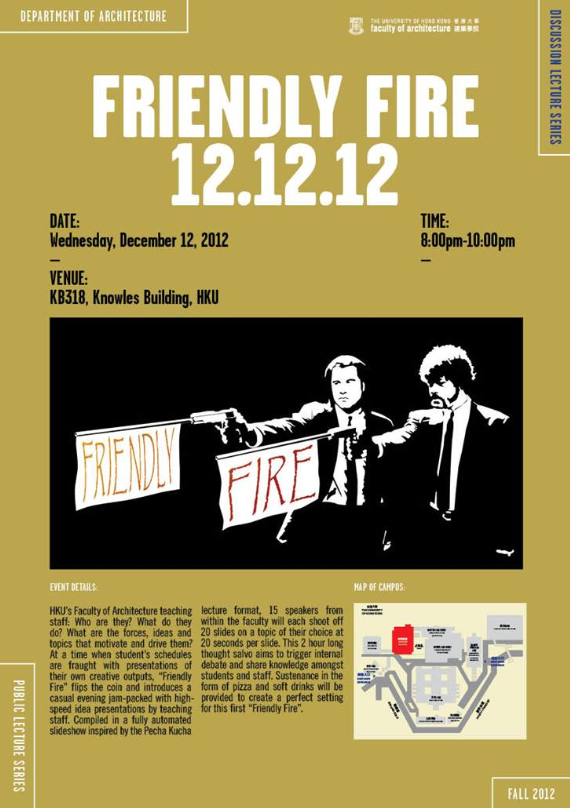
December 6-7, 2012
John Lin and Melissa have been selected by HKU to present the paper Engaging Communities, Experiential Learning and a Classroom in the Real World at the 2012 ASAHIL conference at Far Eastern University (FEU) in Manila.
view of the san juan river from quezon ave, manila
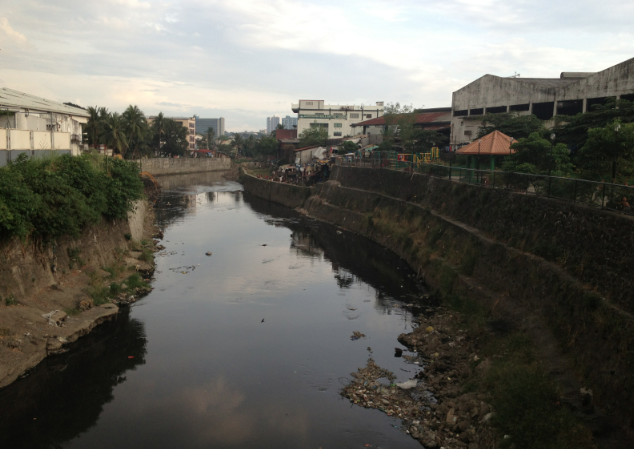
November 19/20, 2012
Melissa will be giving a talk on ‘the agency of landscape‘ and introducing the HKU MLA program at Chongqing University and the Sichuan Academy of Fine Arts. More info (in Chinese) here.
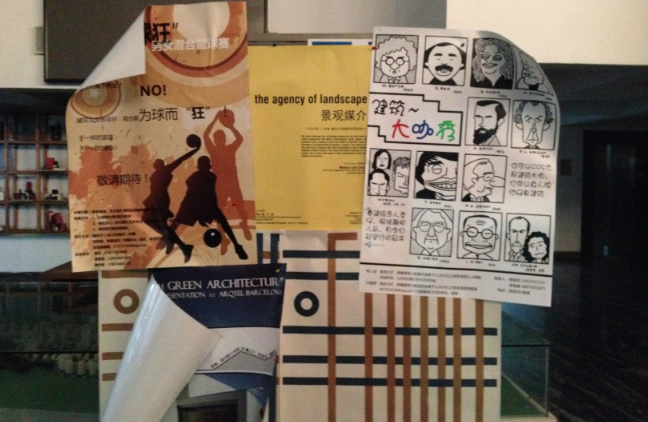
shibati (18 steps) neighborhood, chongqing
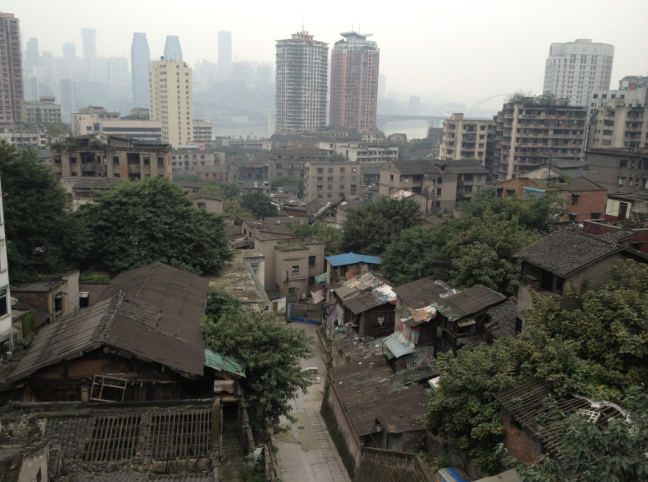
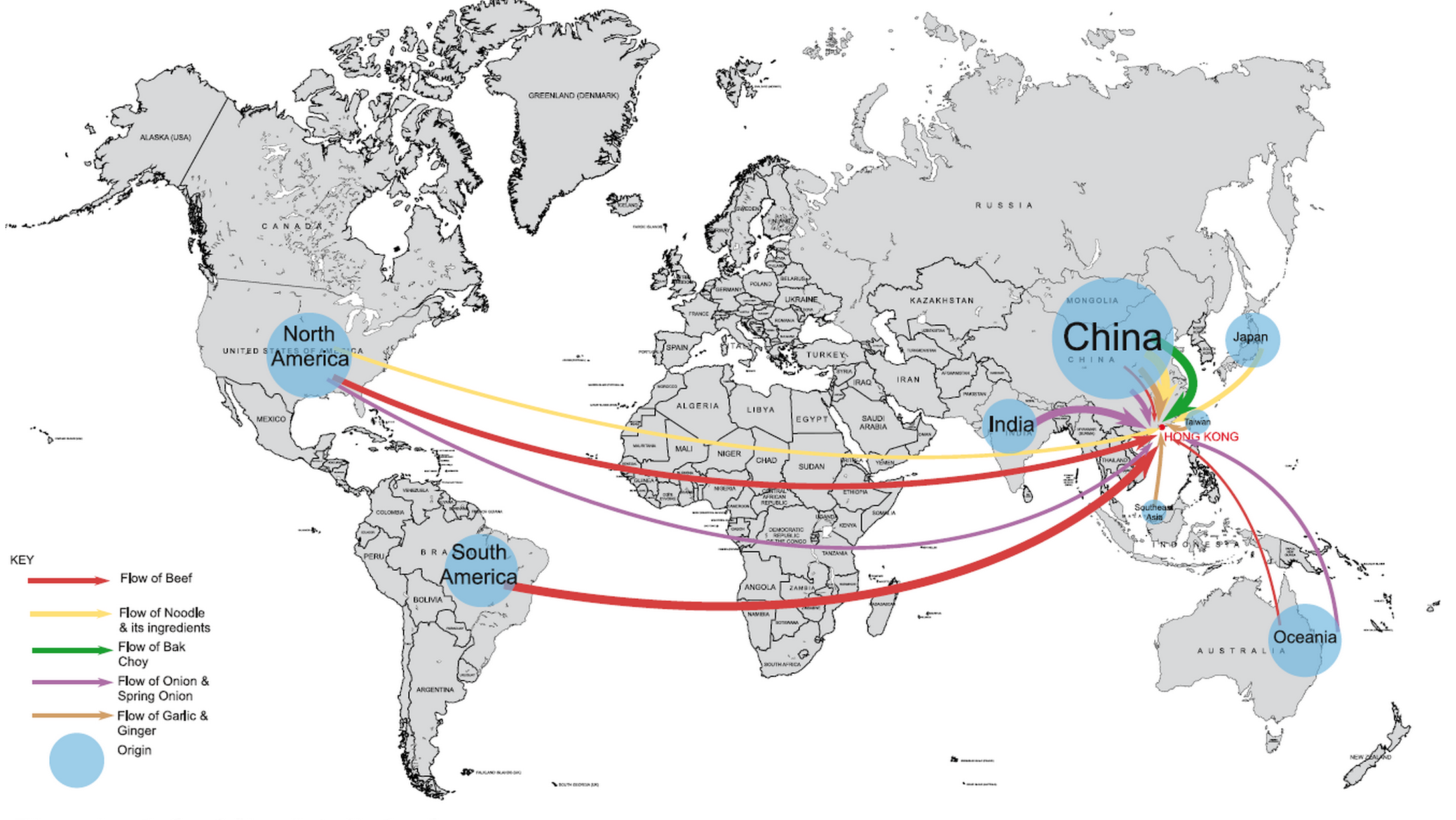
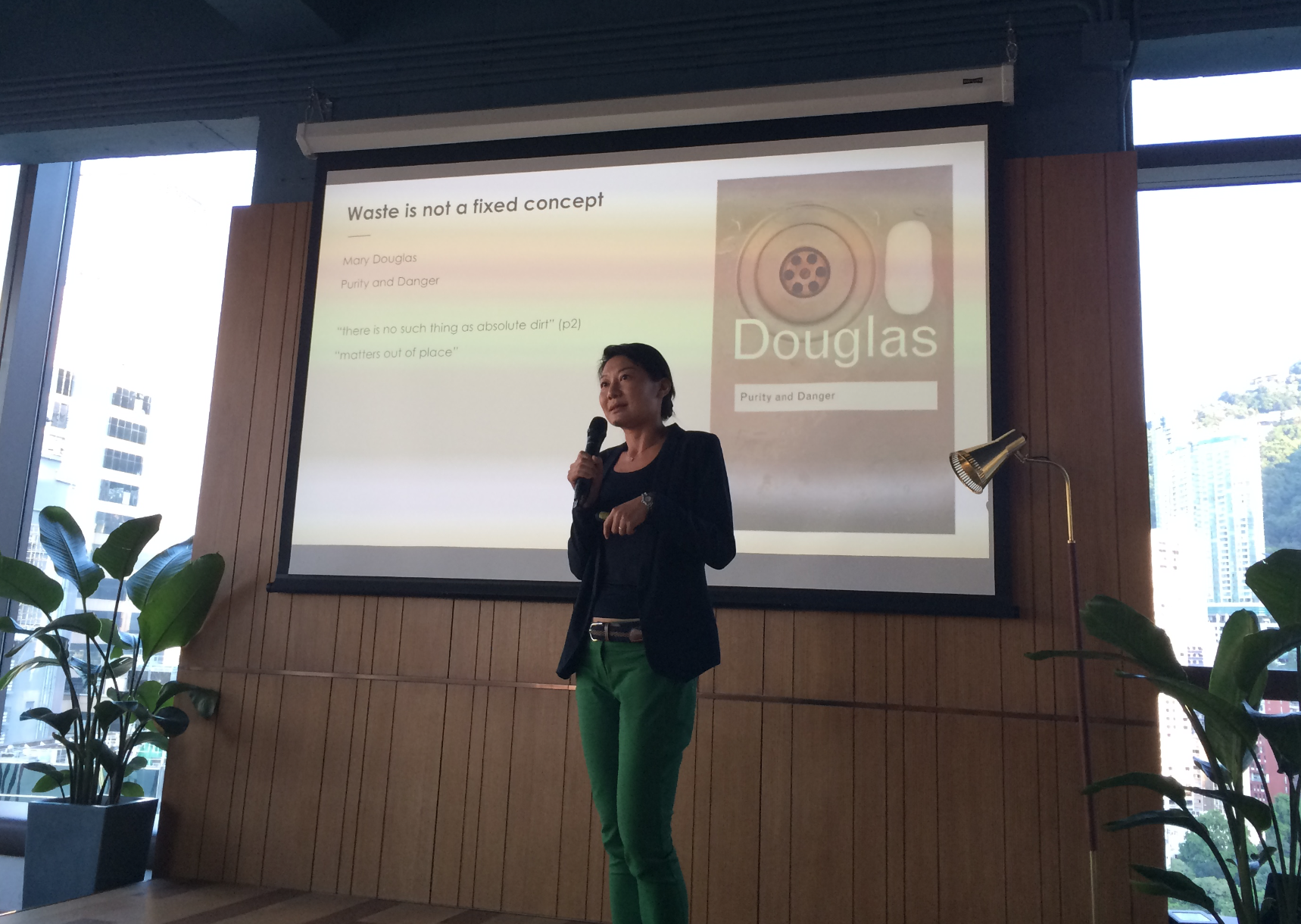
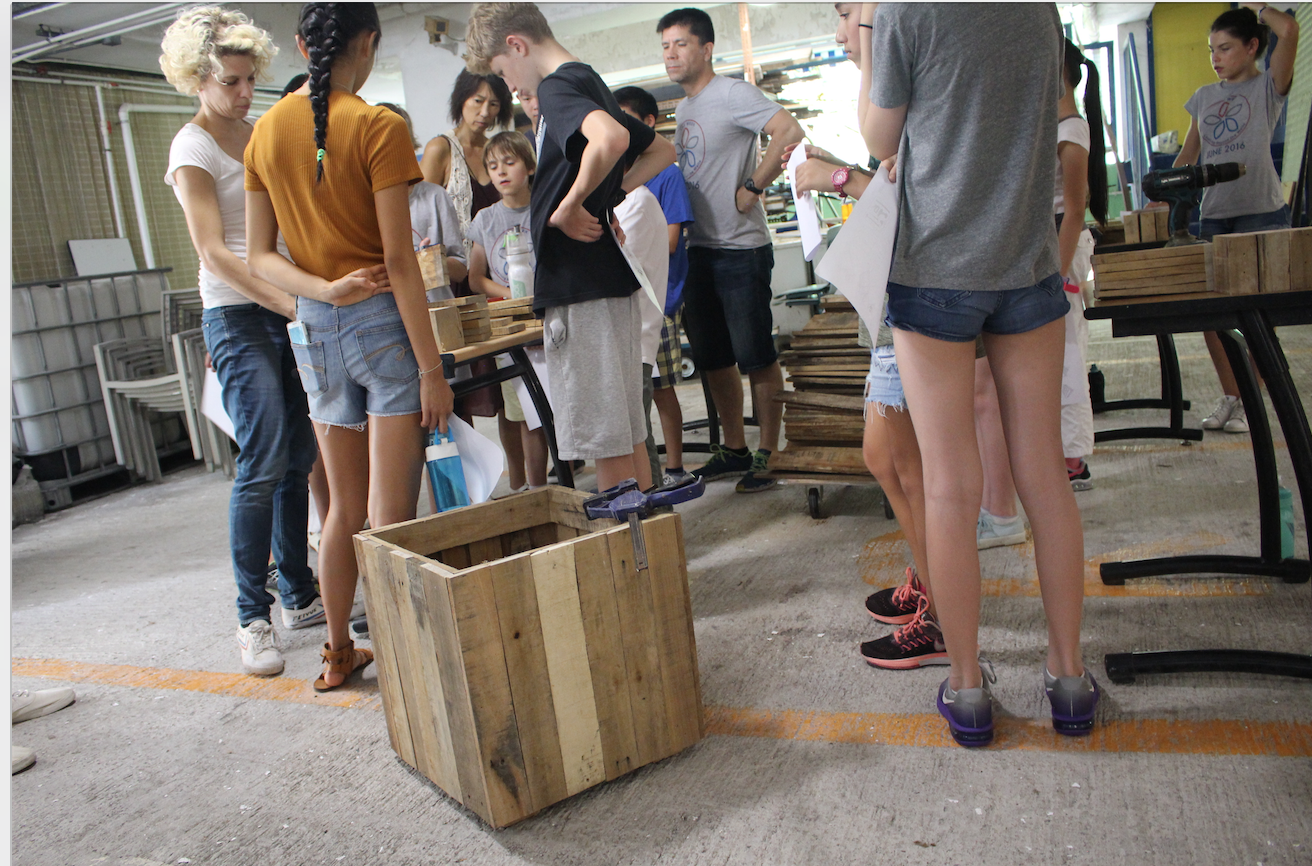
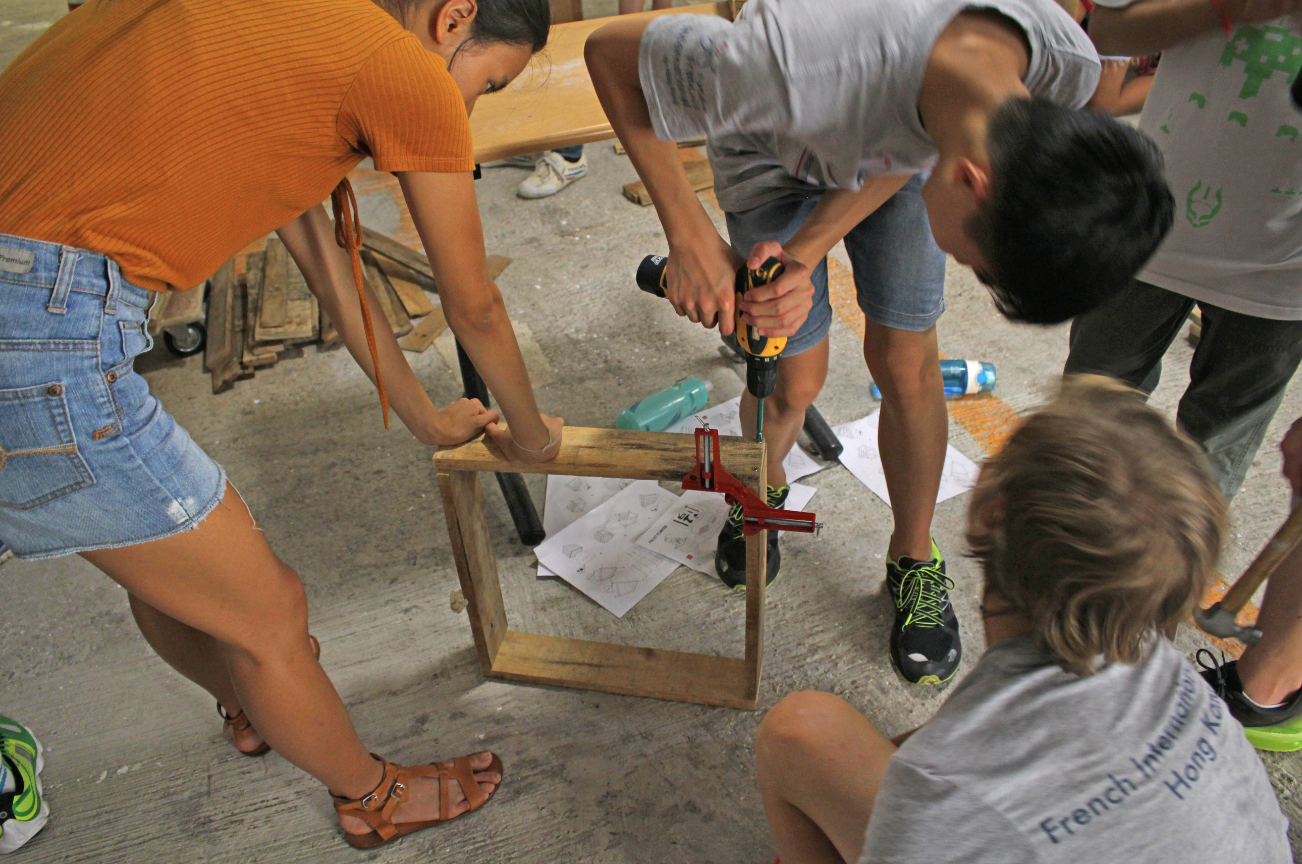
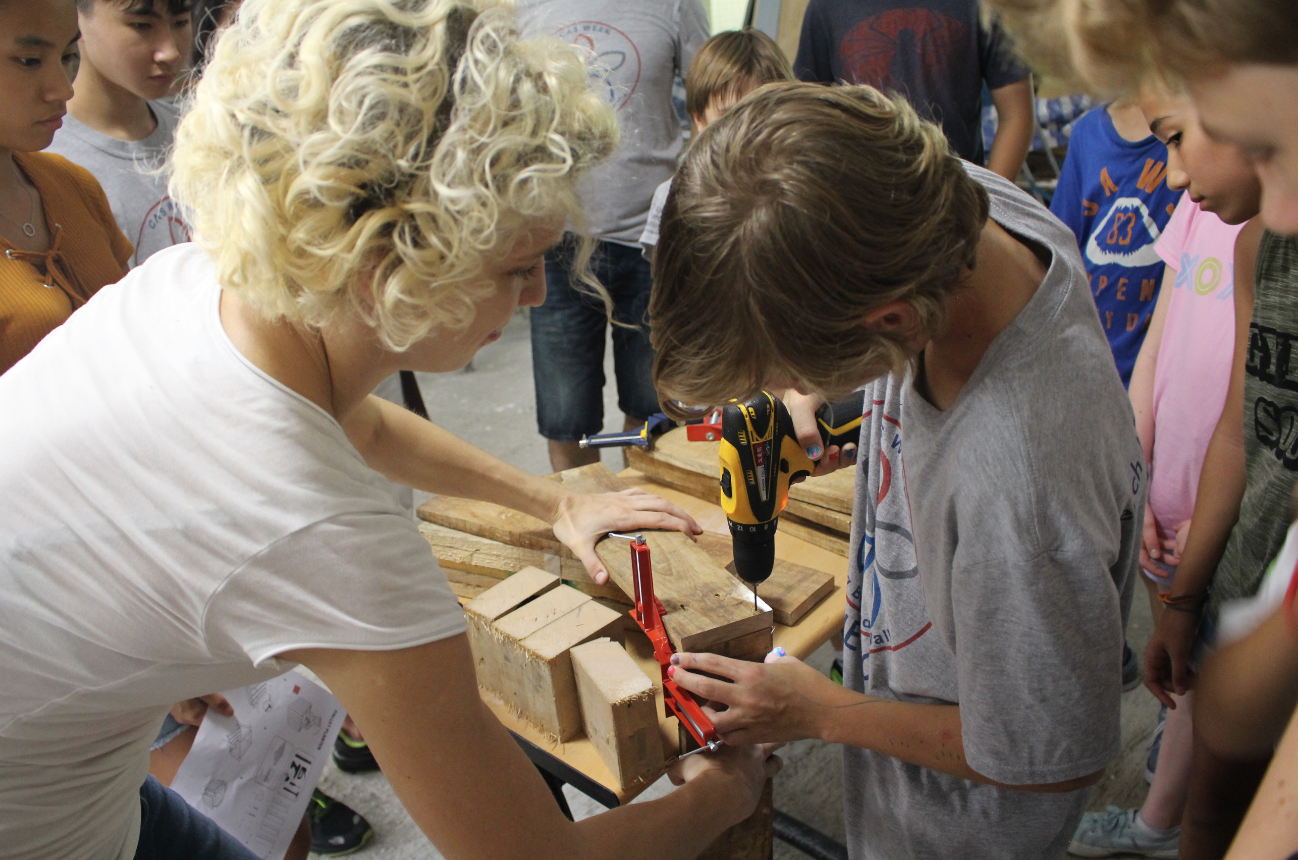
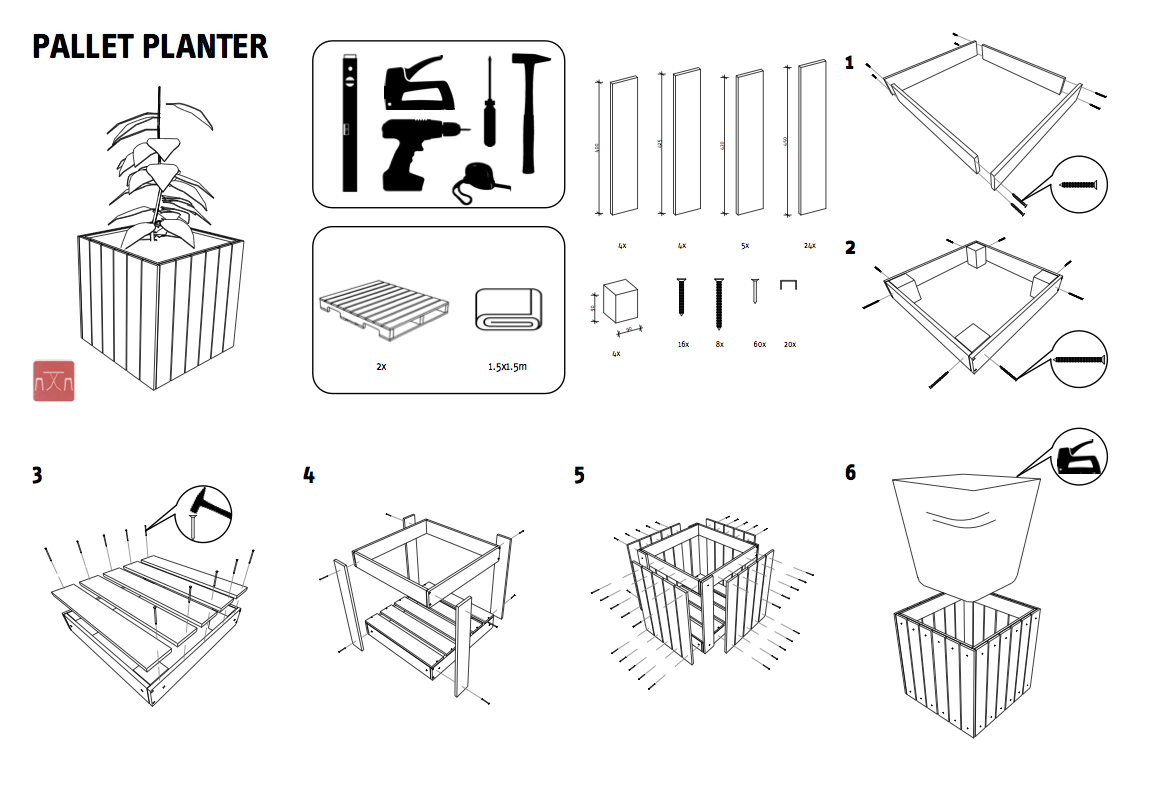
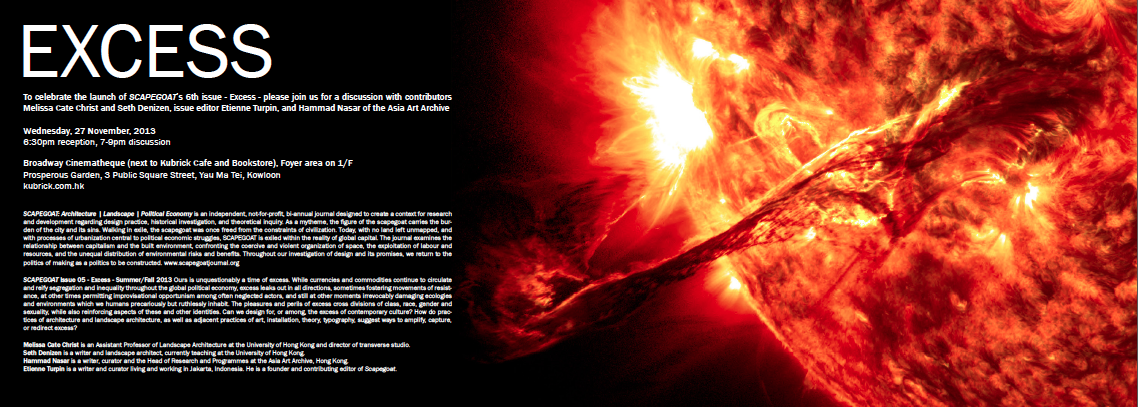
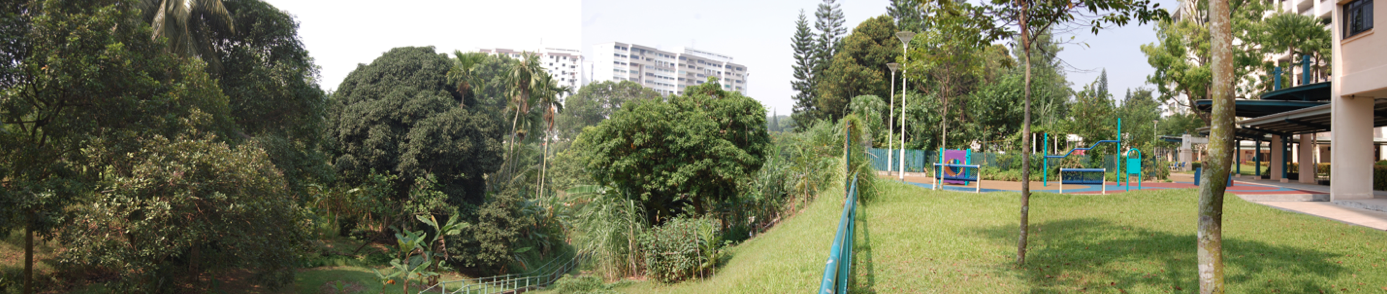
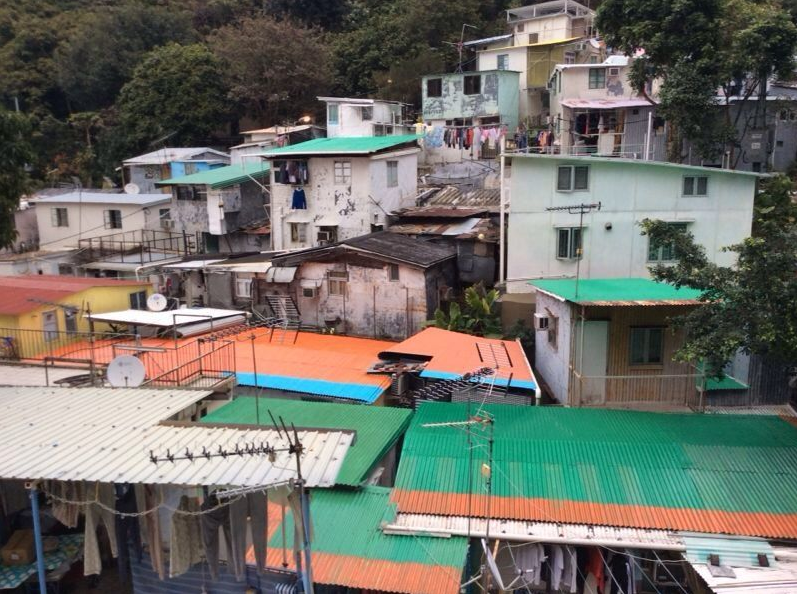
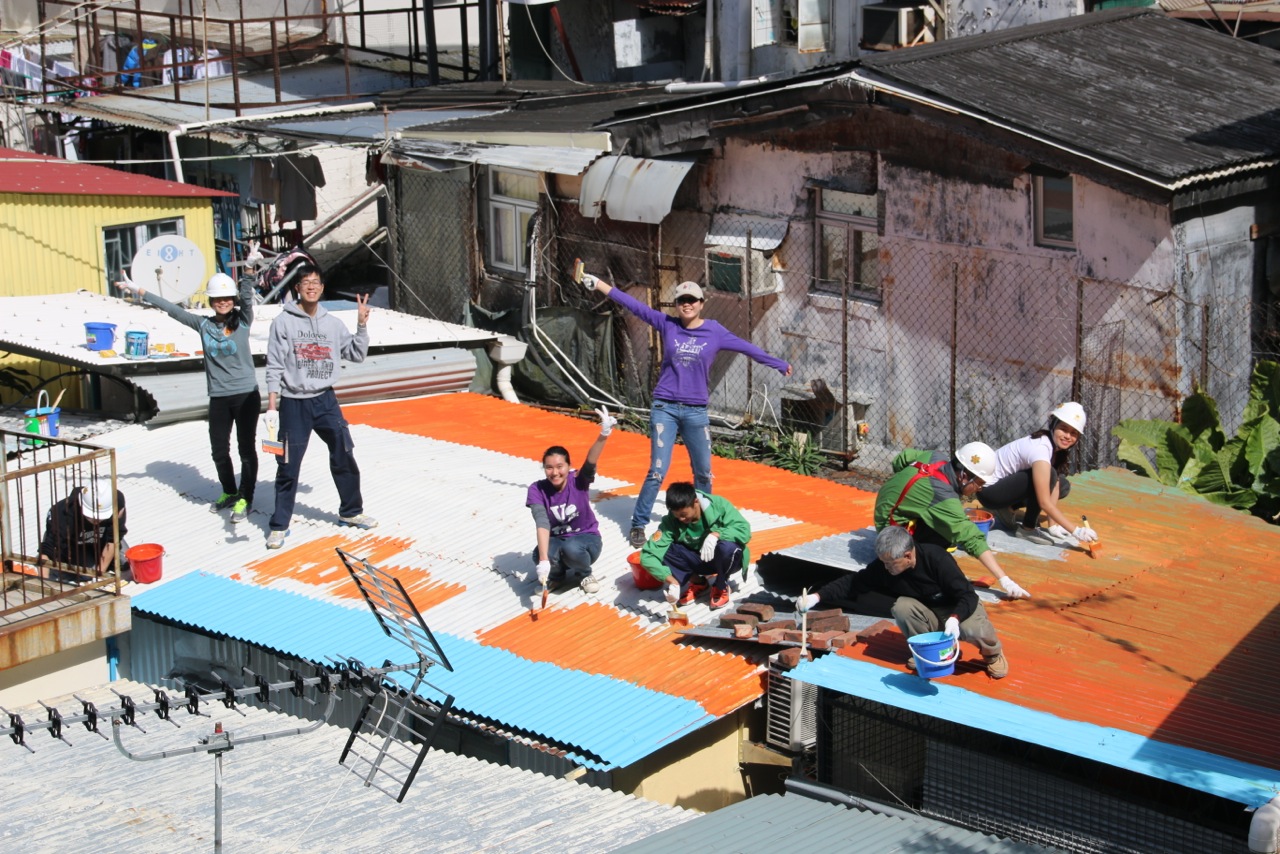
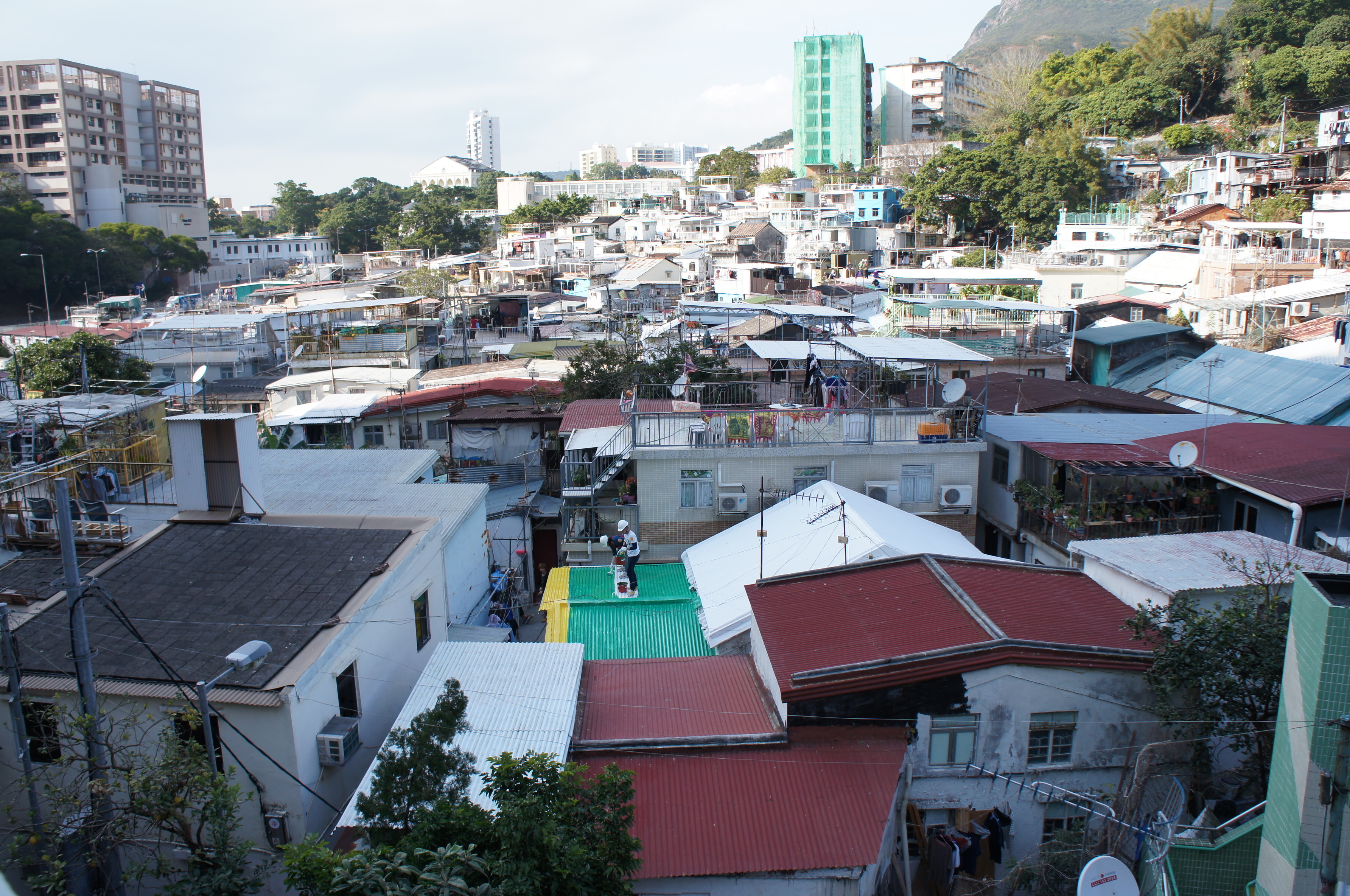
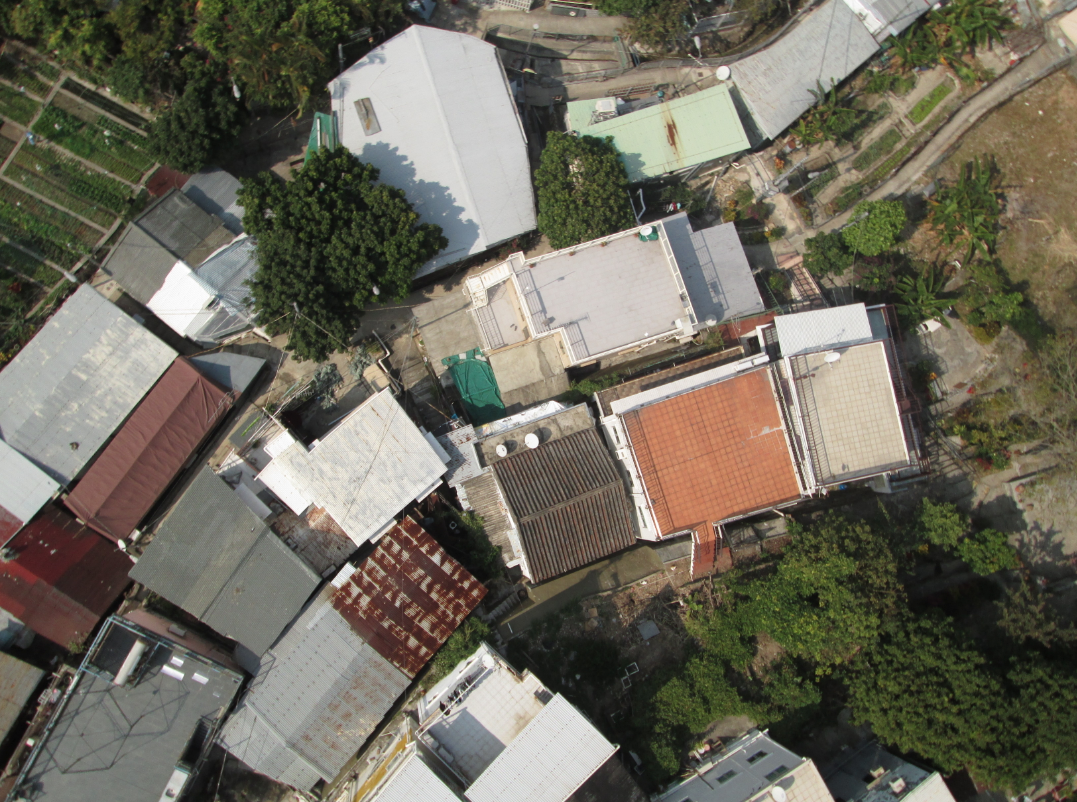
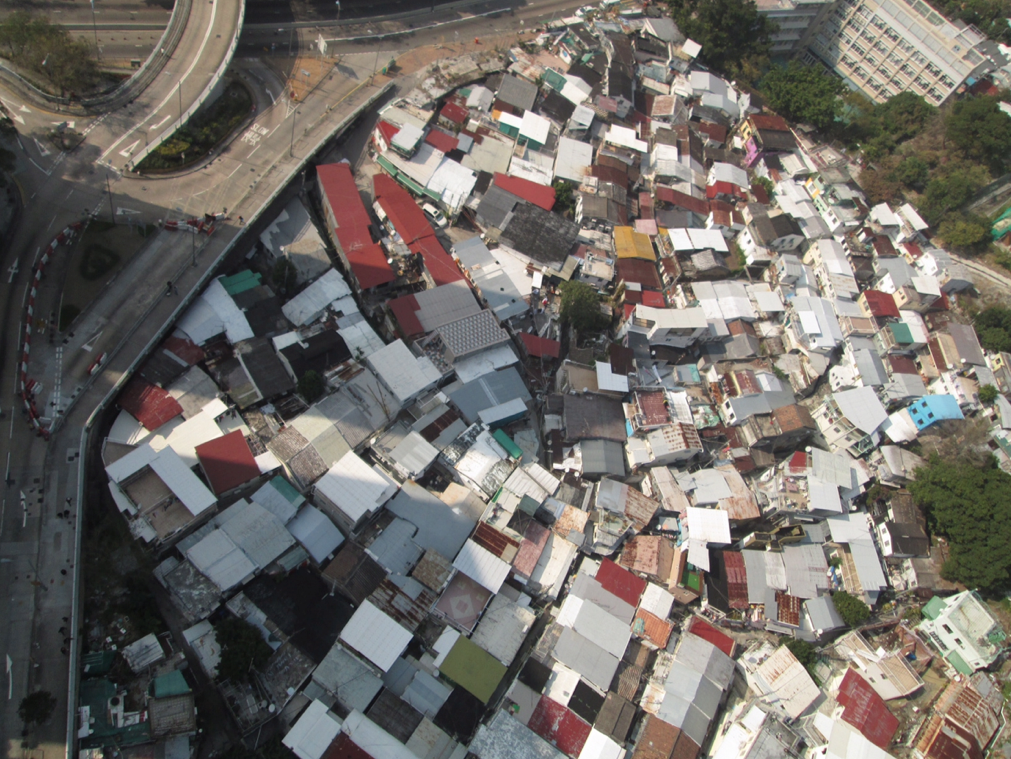
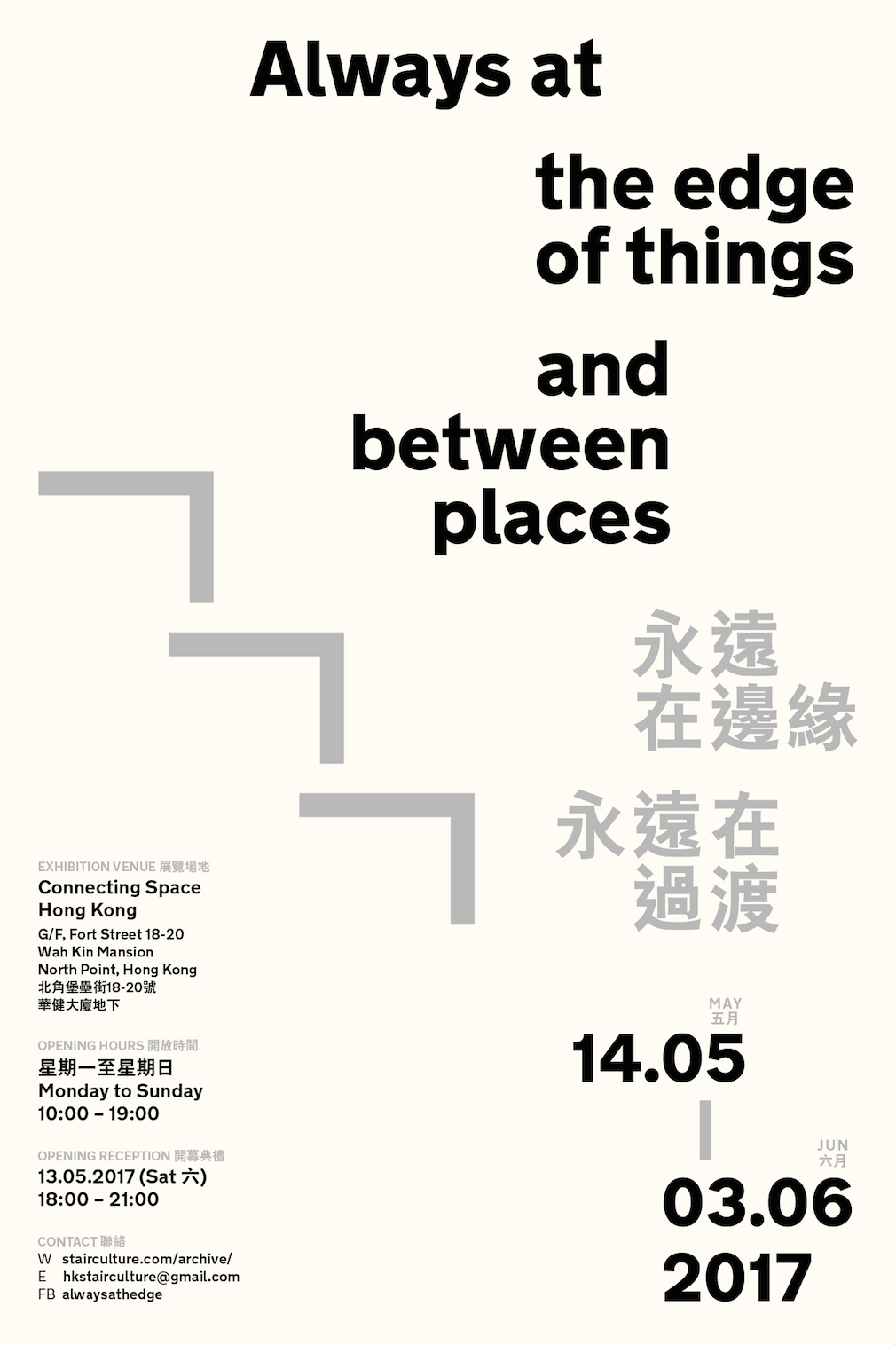
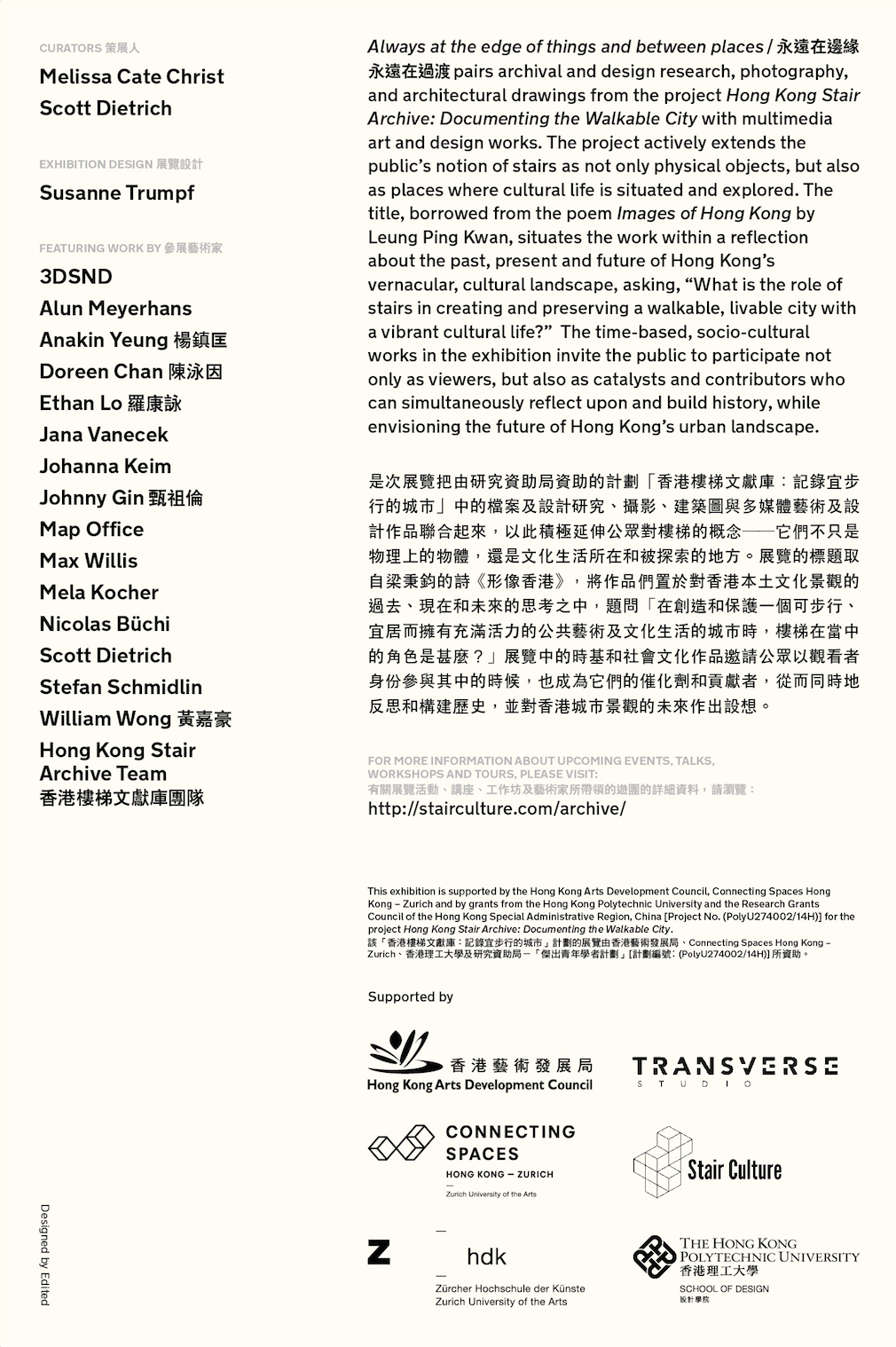
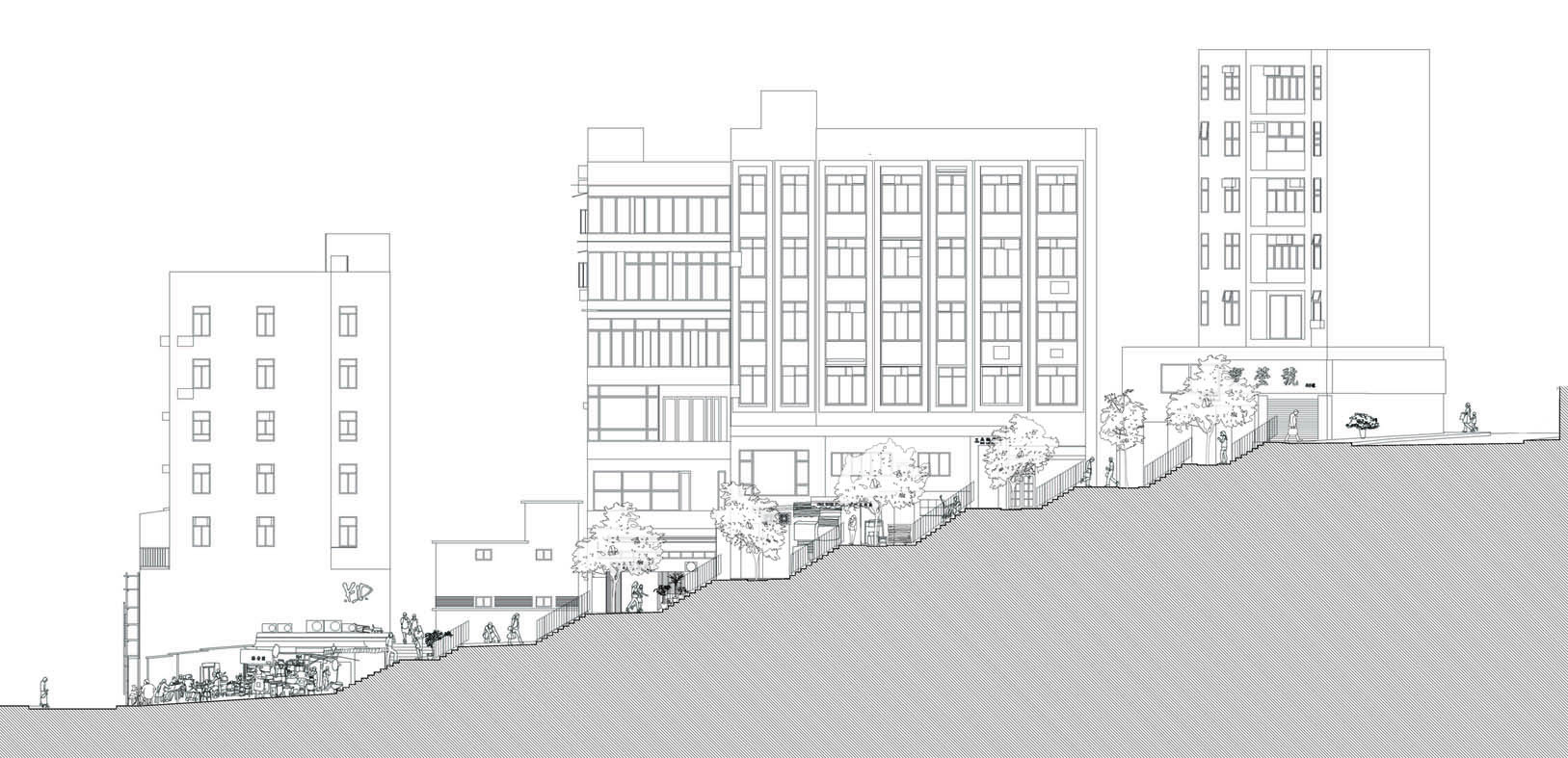
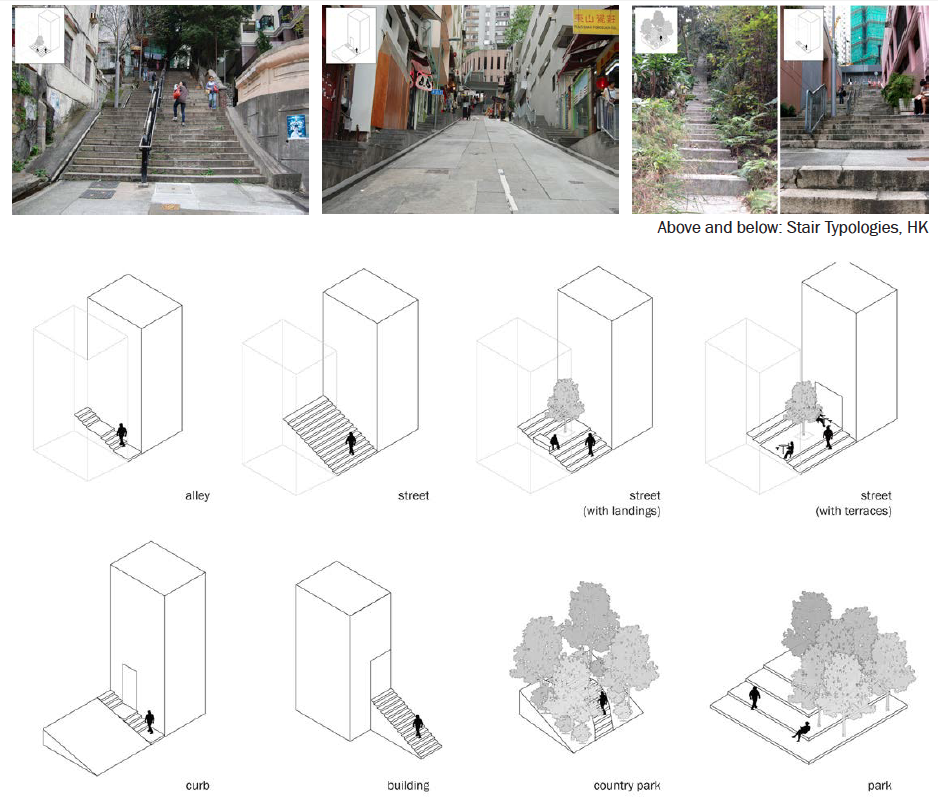
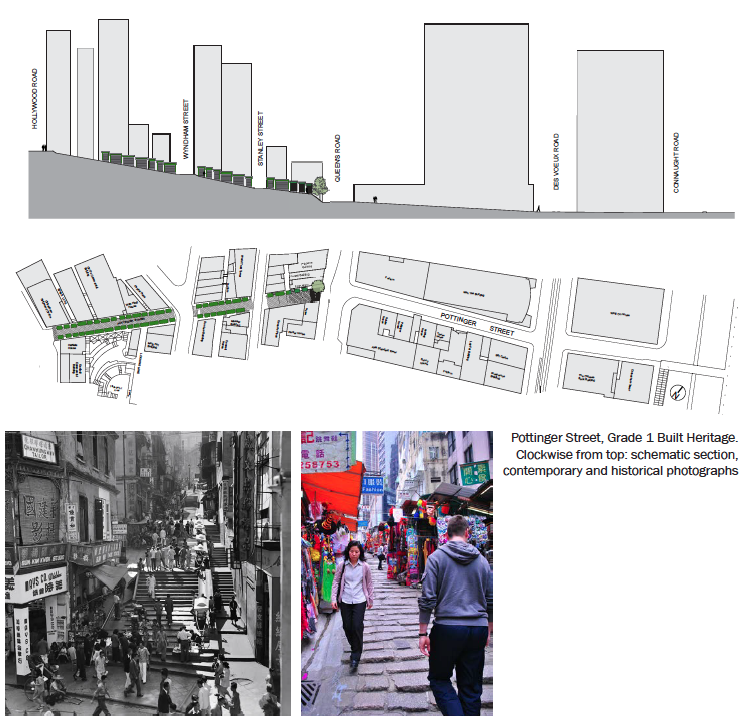
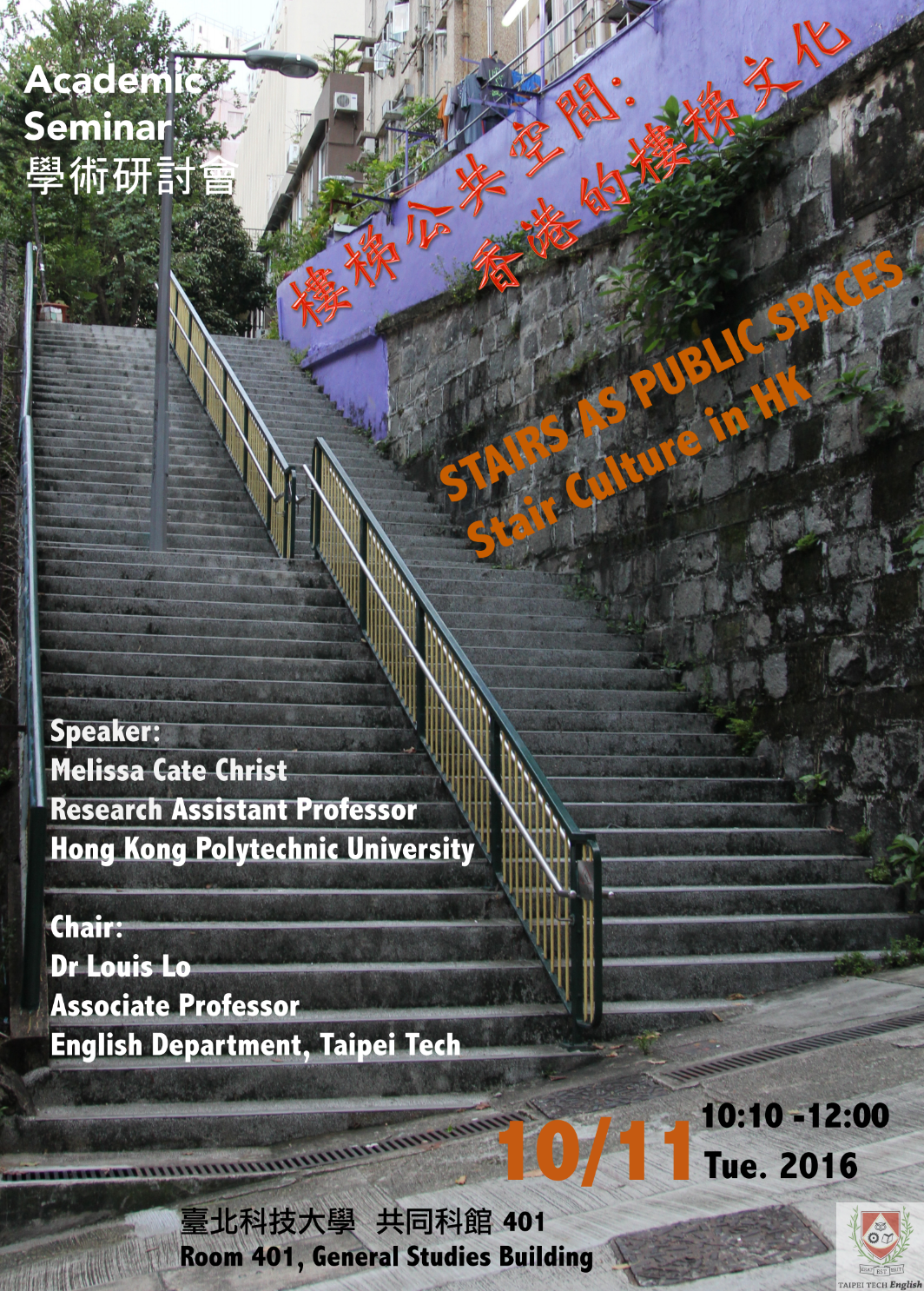
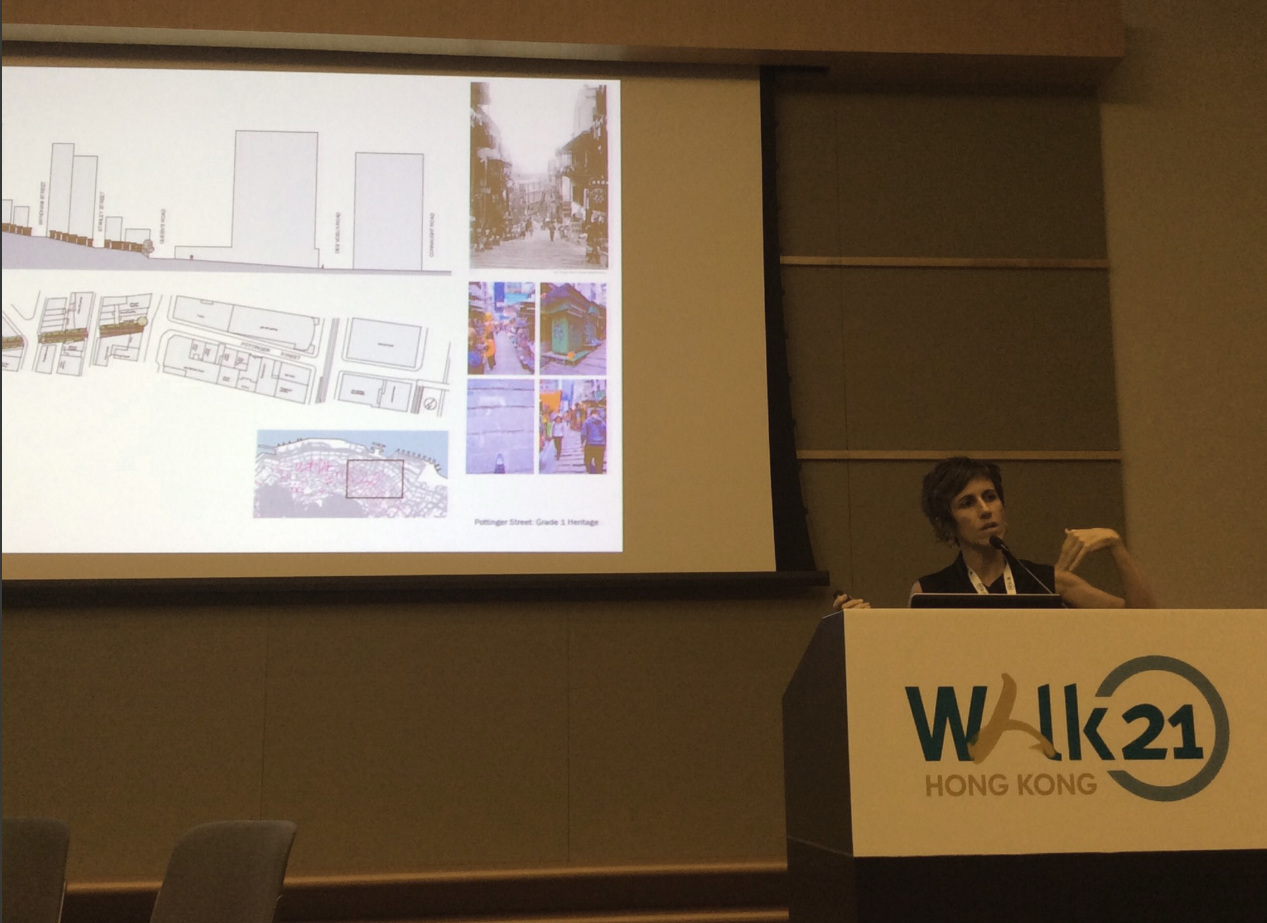
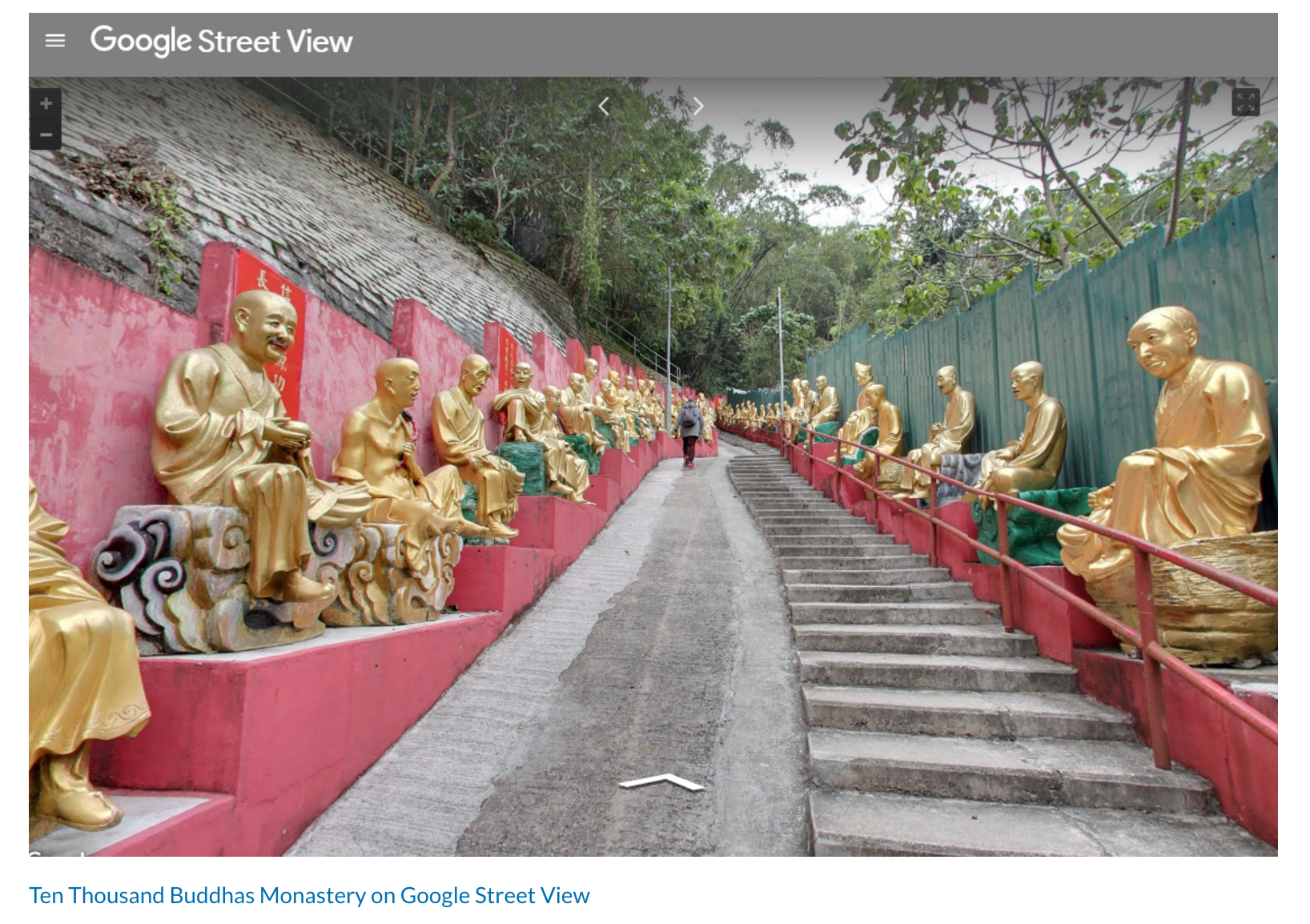 Image credit: HK Magazine
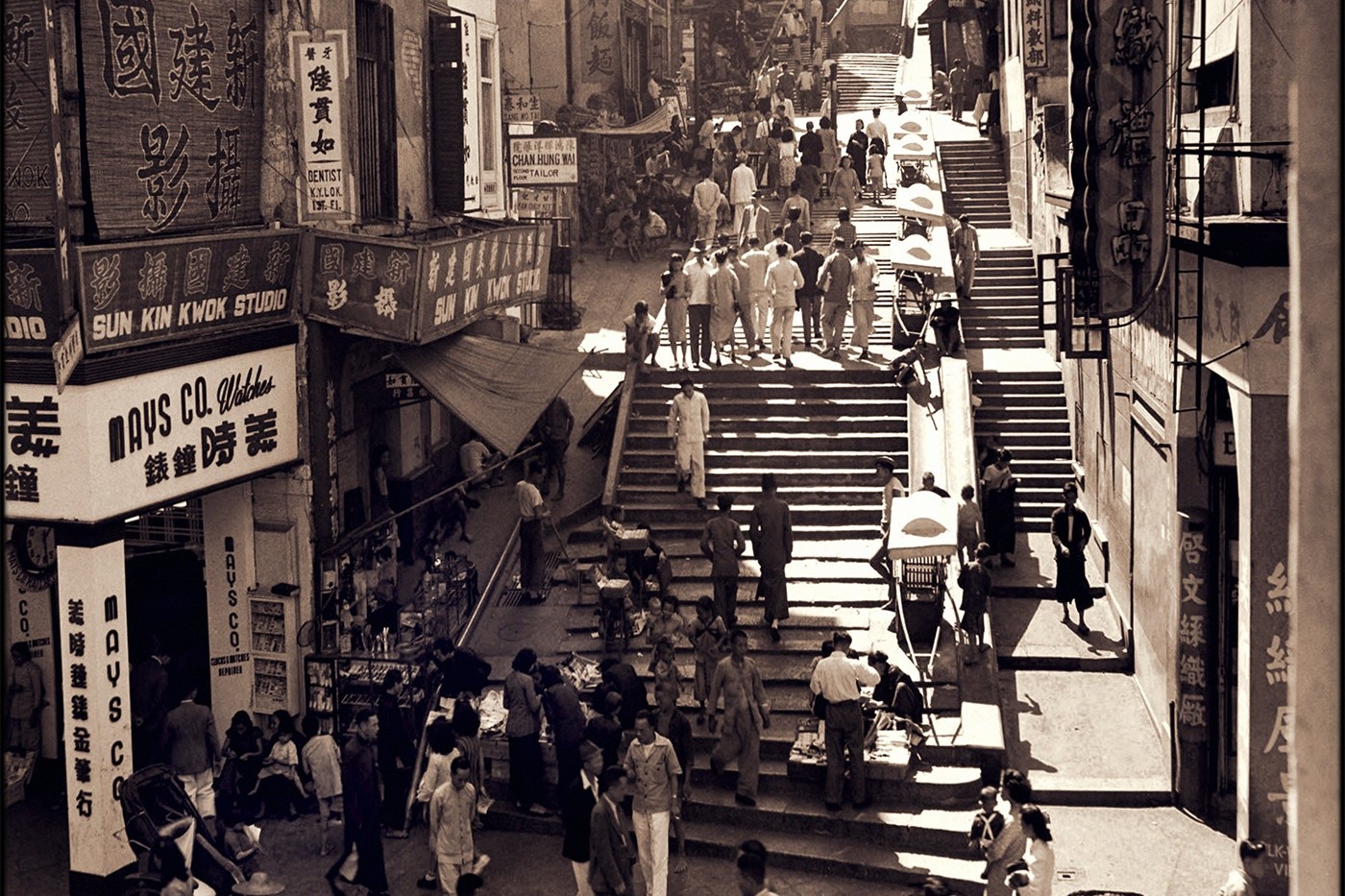 Pottinger Street, 1946 (Photo credit: Hedda Morrison)