August 26, 2022
Hong Kong’s Urban Renewal Fund: A Step towards Citizen-driven Placemaking?
Edited by Im Sik CHO, Blaž Križnik, and Jeffrey Hou
Melissa Cate Christ and Hendrik Tieben
We are excited to announce the publication of ‘Hong Kong’s Urban Renewal Fund: A Step towards Citizen-driven Placemaking?’, a chapter written by Melissa and Hendrik Tieben in the new book Emerging Civic Urbanisms in Asia: Hong Kong, Seoul, Singapore, and Taipei Beyond Developmental Urbanization, edited by Im Sik CHO, Blaž Križnik, and Jeffrey Hou. Please find the chapter here, the abstract below and more information about the book (and how to purchase it) here.
Abstract
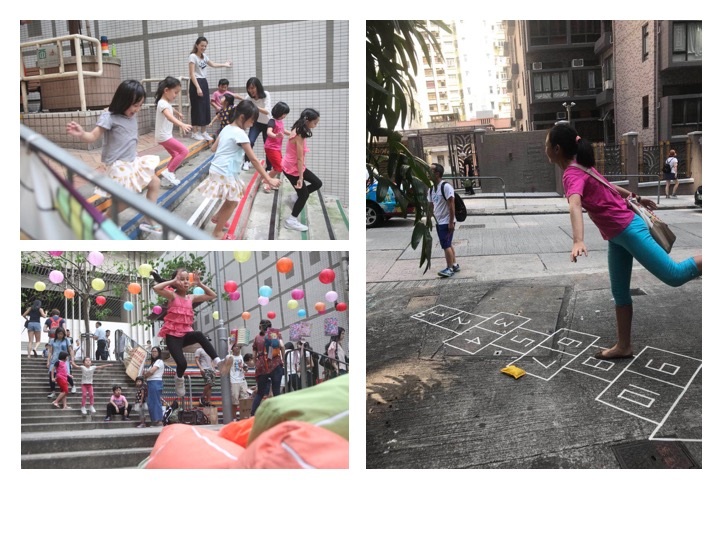
This chapter investigates the relationship between Hong Kong’s Urban Renewal Fund (URF) and citizen-driven placemaking (CDP). The URF was launched in 2011, in response to growing public concern about projects undertaken by Hong Kong’s Urban Renewal Authority (URA). After discussing the evolving relationship of civil society to redevelopment and the background of the URF, the chapter presents three funded projects that utilize CDP approaches. The chapter examines the institutional frameworks and actors, and the achievements and limitations of CDP in the context of this state-sponsored programme. It also addresses prevailing contradictions between the small-scale, citizen-driven projects supported by the URF, and the large-scale redevelopment projects undertaken by the URA, as well as their implications for future civic urbanism in Hong Kong.
Keywords: Hong Kong, Citizen-Driven Placemaking, Community Building, Public Space
February 16, 2021
Ambiguous Topologies of Public Open Space in Hong Kong: Stairs, Alleyways, Sitting-out Areas, Parks, Playgrounds, Privately Owned Public Spaces and Vacant Lots
Interstitial Hong Kong: Exploring the Miniature Open Spaces of High-Density Urbanism (Jovis), p. 80-97
Ed. by Susanne Trumpf, Xiaoxuan Lu and Ivan Valin
Melissa Cate Christ and Andrew Toland
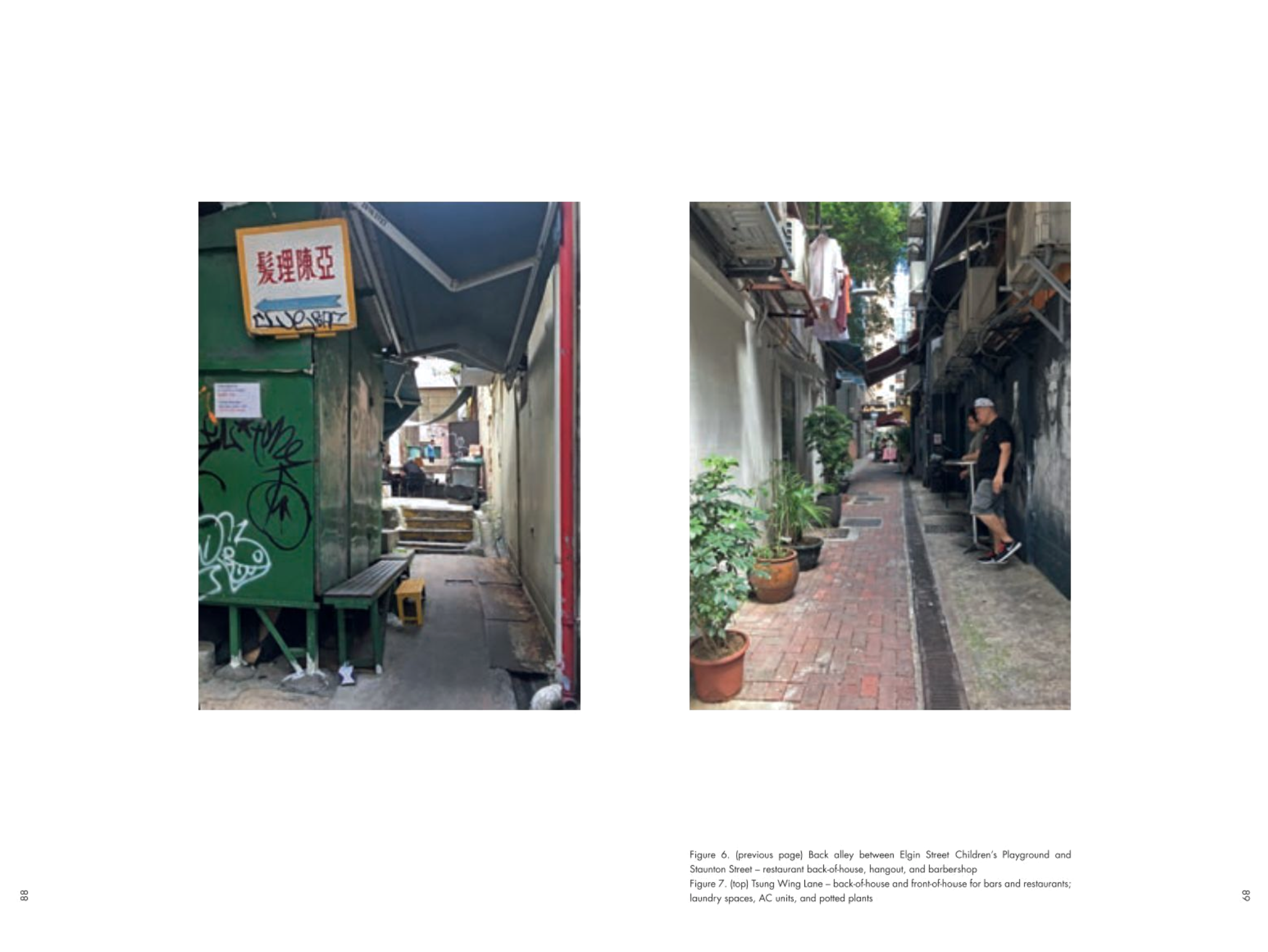
We are pleased to announce that Ambiguous Topologies of Public Open Space in Hong Kong: Stairs, Alleyways, Sitting-out Areas, Parks, Playgrounds, Privately Owned Public Spaces and Vacant Lots, a chapter written by Melissa and Andrew Toland, has been published in the book Interstitial Hong Kong: Exploring the Miniature Open Spaces of High-Density Urbanism, edited by Susanne Trumpf, Xiaoxuan Lu and Ivan Valin. Please find an except from the chapter below and more information about the book (and how to purchase it) here.
In the densely-occupied, hilly urban areas of Hong Kong Island, public open space is limited and often fragmented. By necessity, these scarce spaces are multifunctional, resisting normative and typical categories of classification. Every in-between space that does exist is often a site of occupation, processes, flows, materials, wastes, and daily routines that are undertaken by both human and non-human actors. These spaces comprise a complex, mostly contiguous, network of streets, alleys, stairs, plazas, parks, Sitting-out Areas, Rest Gardens, Children’s Playgrounds, privately-owned public spaces and passageways, overhead walkways, underground tunnels, terraces, planter beds, drainage channels, and even vacant parcels of land. Of these spaces, only some are labeled and maintained by the government as public “open space”. This latter type of official space, categorized as Parks, Children’s Playgrounds, Sitting-out Areas, and Rest Gardens (the latter two being the focus of this publication), have signposted rules and sometimes full-time attendants and/or cameras to enforce what is allowed (or not) in these, often tiny, fragments of land. However, the practices in these spaces are not limited only to “allowed activities”, and the allowed activities are not limited only to these spaces. In fact, some practices are common to all of the parts of the more loosely defined open space network mentioned above, whereas others seem to be more unique and localized.
It is often difficult to distinguish which type of space one is occupying through its formal classification alone. In such dense, over-built, and often vertiginous conditions, spaces have a tendency both to bleed into one another, but also to be interrupted and disjoined in unexpected and surprising ways. Fully comprehending the ways in which human and non-human actors use, maintain, and occupy this system, requires an understanding of the complex connections between the spaces and the actors within those spaces; and their participation in both the local and wider open space network. This chapter explores the topology of these actors and sites within the larger network of public open space, highlighting the ambiguity of their formal classification and focusing on the practices which connect or disconnect many of these sites.
November 09, 2020
Magic Lanes: A placemaking approach for alley spaces in Hong Kong
Asian Alleyways: an Urban Vernacular in Times of Globalization (Amsterdam University Press), p. 181-205.
Ed. by Marie Gibert-Flutre and Heide Imai
Melissa Cate Christ and Hendrik Tieben
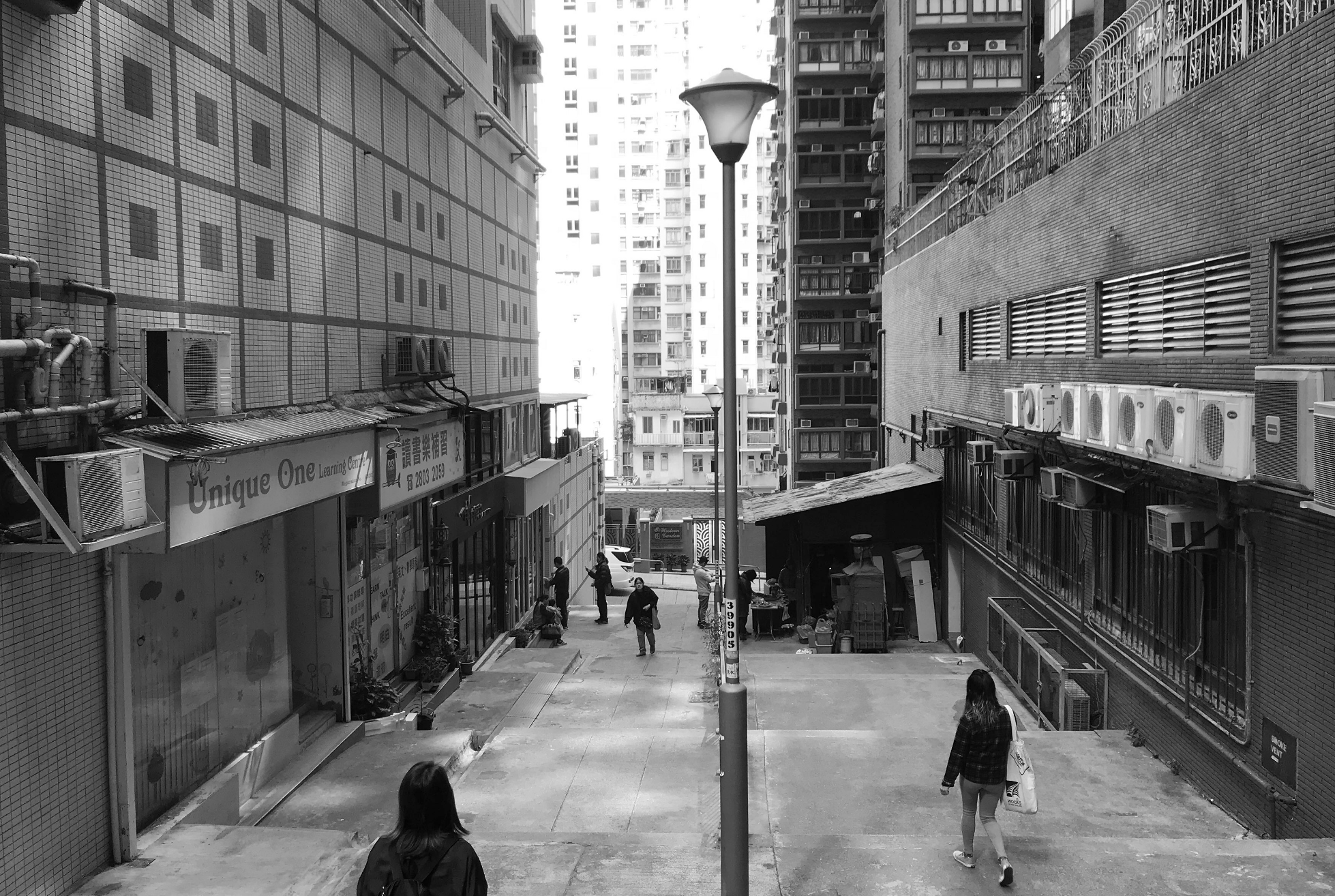
We are pleased to announce that Magic Lanes: A placemaking approach for alley spaces in Hong Kong, a chapter written by Melissa and Hendrik Tieben, has been published in the edited volume Asian Alleyways: an Urban Vernacular in Times of Globalization, Ed. by Marie Gibert-Flutre and Heide Imai. Please find the abstract below and the full chapter here.
With one of the highest population densities in the world, Hong Kong suffers from a lack of public open space. Despite this situation, open spaces provided by government authorities or private developers often do not meet residents’ needs or include residents in the planning and design process. To explore one way that this issue is being addressed, this chapter describes an ongoing placemaking project within Hong Kong’s interstitial network of laneways (里) and alleys (巷). The key historical, sociocultural, and physical features, opportunities, and constraints of these in-between spaces are discussed. This is followed by an in-depth exploration of the case study Magic Lanes, a pilot project that aims to provide more inclusive public open spaces through placemaking and community co-creation.
November 02, 2019
DigitalXPlace published
Placemaking Fundamentals for the Built Environment (Palgrave Macmillian) Ed. Dominique HesCristina Hernandez-Santin.
Andrew Toland, Melissa Cate Christ, Julian Worrall
We are pleased to announce that DigitalXPlace, a chapter written by Andrew Toland, Melissa and Julian Worrall has been published in the edited volume, Placemaking Fundamentals for the Built Environment (Palgrave Macmillian) Ed. Dominique HesCristina Hernandez-Santin. Please find the abstract below and the full chapter is available here.
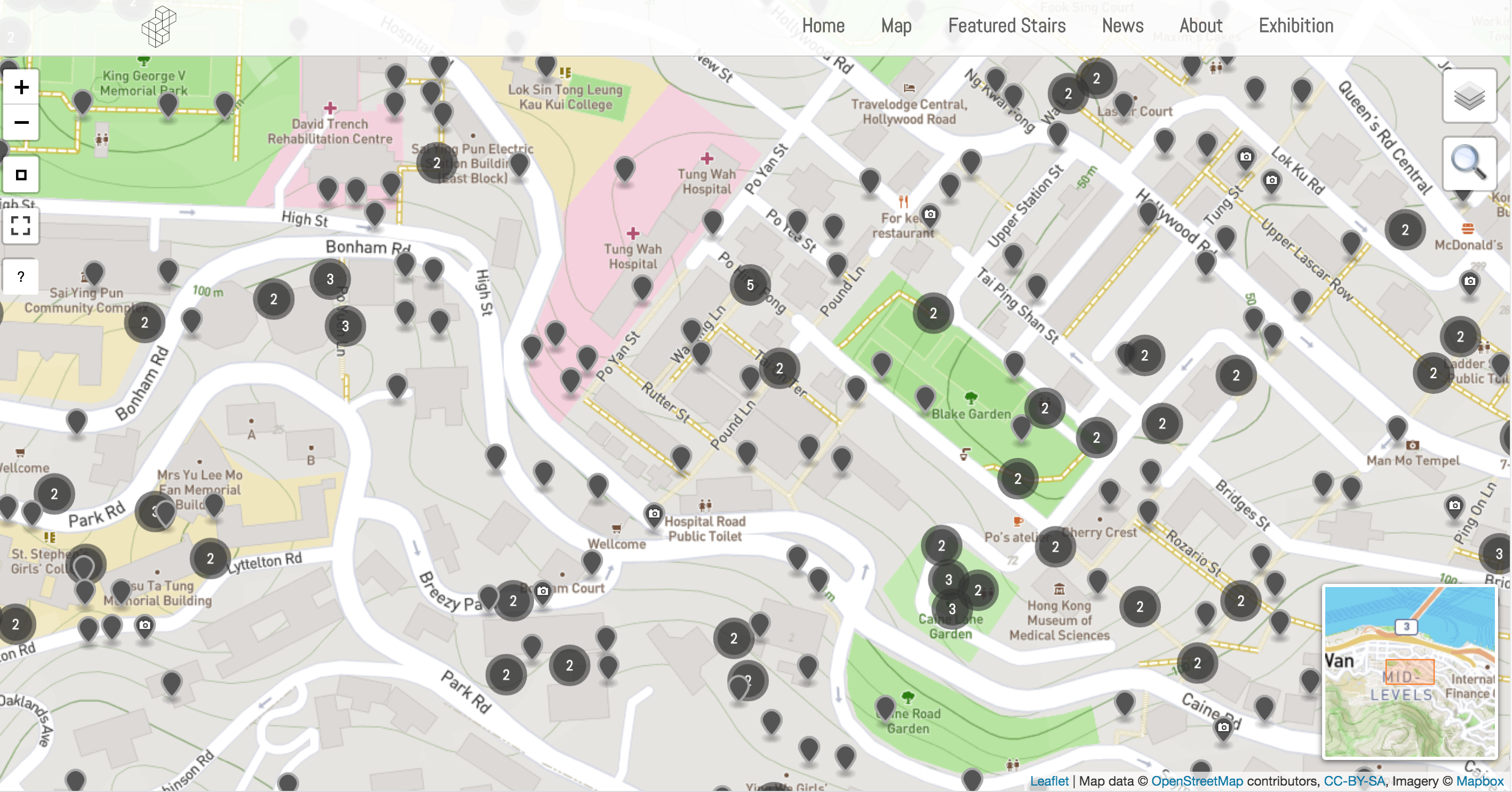
Digital placemaking is a term given to a range of evolving practices that combine emerging digital technologies and placemaking initiatives. Over the past five years, its meaning has significantly shifted as a result of the proliferation of smartphones as mobile technological platforms and the ubiquity of social media. This chapter aims to move beyond the current fashionability of both the ‘digital’ and ‘placemaking’ discourses to provide a critical consideration of various ways in which technology is shaping social-spatial design, research, and practices and vice versa. It considers a number of diverse cases in which urban situations and digital technologies have intersected. Ultimately, however, we argue that the techno-social matrix through which we currently perceive and understand the city is now already deeply suffused with digital media and tools, raising a question as to what the adjectival modifier ‘digital’ actually illuminates. This requires us to refocus our attention back towards the making of places with the most effective tools available, which will inevitably involve a mix of the analogue and the digital.
Keywords
Digital placemaking; Crowdsourcing; Community mapping; Participatory design; Post-disaster; Temporary urbanism .