Category: competition

  • fill

    October 31, 2023
    Fill wins first prize at Eden Unearthed 2023
    November 2023- April 2024
    Curated by Meredith Kirton
    Eden Gardens, Macquarie Park, NSW

    Melissa is delighted to announce that her artwork, Fill, has been selected as the first prize winner at the 2023/24 edition of Eden Unearthed at Eden Gardens (IG: #edenunearthed @eden_macquariepark)!! It was a lovely surprise for Fill to be selected from a field of 35 diverse, evocative, beautiful, and often playful artworks by established and emerging artists. If you are in Sydney, please come by Eden Gardens to engage with their site-specific work, as well as to contribute to (re)making FILL. You can find my artist statement, the exhibition catalogue, and explanatory videos by all the artists at the Eden Unearthed website. And please follow Fill on Instagram at @fill_edenunearthed to see what happens over the next six months!
    fill
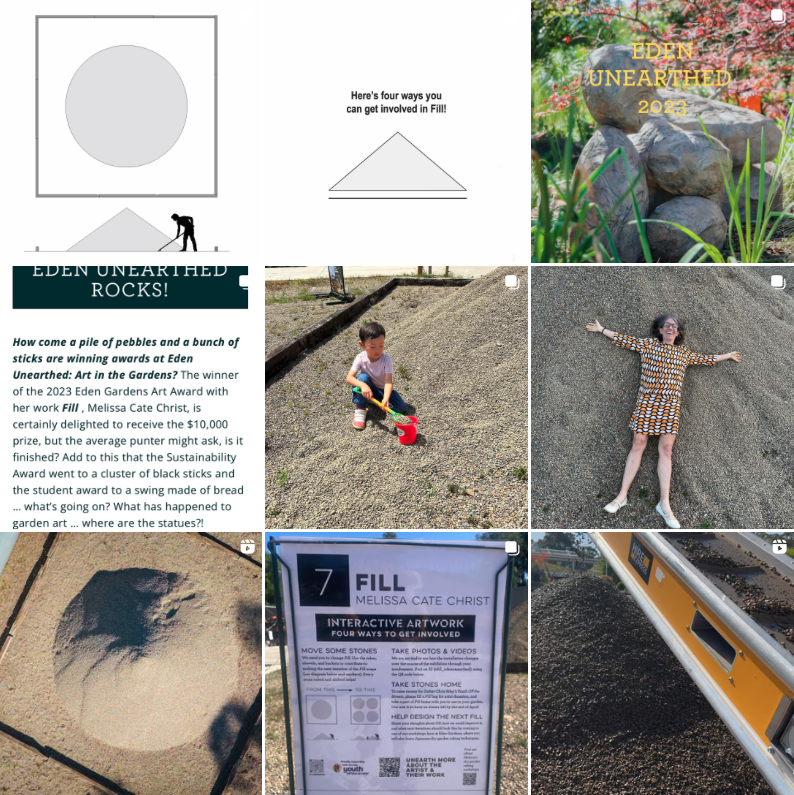
    Above: Some images from the project Instagram page; Below: Installation concept and ideas for getting involved!

    FILL
    v.tr. To put into (a container, e.g.) as much as can be held.
    n. An amount needed to make full, complete, or satisfied.

    Fill consists of a pile of gravel whose volume is equal to the capacity of the surrounding built edge. Drawing inspiration from Japanese dry garden (karesansui) practices, visitors are invited to collaboratively fill and shape a gravel garden through action such as shifting, raking, documenting, and (re)moving, making a place from what was once only a space. The intent of Fill is to engage visitors in a meditative process of destruction / construction – each visitor witnesses a unique moment in the history of the installation and contribute to its evolution through their participation.

    Here’s four ways you can get involved in Fill!
    1) Move some stones!
    Rakes, shovels, and buckets are available for you to contribute to making the next iteration of the Fill-scape – see the topo design plan and markers for where we are going – every stone raked and shifted helps.

    2) Take photos and videos!
    We are excited to see how the installation changes over the course of the exhibition through your involvement. You can post on IG (tag #fill_edenunearthed) or send to melissa@transverstudio.com.

    3) Take stones home!
    Our aim is to have no stones left by the end of April, and to raise money for Father Chris Riley’s Youth Off the Streets, so please fill a Fill bag for a $10 donation and take a part of Fill home with you to use in your garden.

    4) Co-design Fill 2.0 and 3.0!
    Share your thoughts about Fill, how we could improve it, and what the 2nd and 3rd iteration should look like by coming to one of our workshops (Dec 10 & Mar TBD – we will also learn Japanese dry garden raking techniques), or share to IG or melissa@transverstudio.com.

    August 10, 2023
    Fill selected to be part of 2023/24 Eden Unearthed exhibition
    Forthcoming November 2023- April 2024
    Curated by Meredith Kirton
    Eden Gardens, Macquarie Park, NSW

    Melissa’s interactive and collaborative installation Fill has been selected as one of over 30 artworks to be installed as part of the 2023/24 iteration of Eden Unearthed, a six month long exhibition located in the award winning Eden Gardens Display Gardens and in and amongst the Eden Garden retail centre and cafe. More details to follow! Please find more information on the call for submissions and on earlier editions of the exhibition here.

    fill
    eme3 festival
    selected participant
    2005

    fill
    Action = time. Through firsthand experience we construct out understanding of time, its passing marked by memorable moments of engagement in the world around us. FILL offers an opportunity for engagement, becoming an evolving marker of change. The installation consists of a pile of gravel centered within a built edge. The volume of the pile is equal to the capacity of the surrounding edge so that over time, the gravel will be distributed to fill the box. This distribution will be enacted though incidental forces, such as climbing or settling and also through intentional action, encouraged by the provision of a shovel on site. The changing form of the pile will be documented by a series of photographs spaced at equal intervals throughout the duration of the installation. FILL functions as evidence of action: both by engaging a succession of visitors in the process of construction / destruction; and by referencing the industrial history and continuing development of Poble Nou. Each visitor witnesses a unique moment in the history of the installation and contributes to its evolution. FILL is fully scalable, from an edge diameter of 8m to 48m and up. The locally sourced gravel will be reused at the end of the festival, in nearby construction sites if possible.
  • inside-out garden

    inside-out garden / l’envers du jardin
    seth denizen & melissa cate christ
    Lausanne Jardins 2014_Landing Competition

    Finalist
    Lausanne Jardins 2014_Landing Exhibition
    Old CFF Train Station, Lausanne, Switzerland

    April 17 – 27, 2013

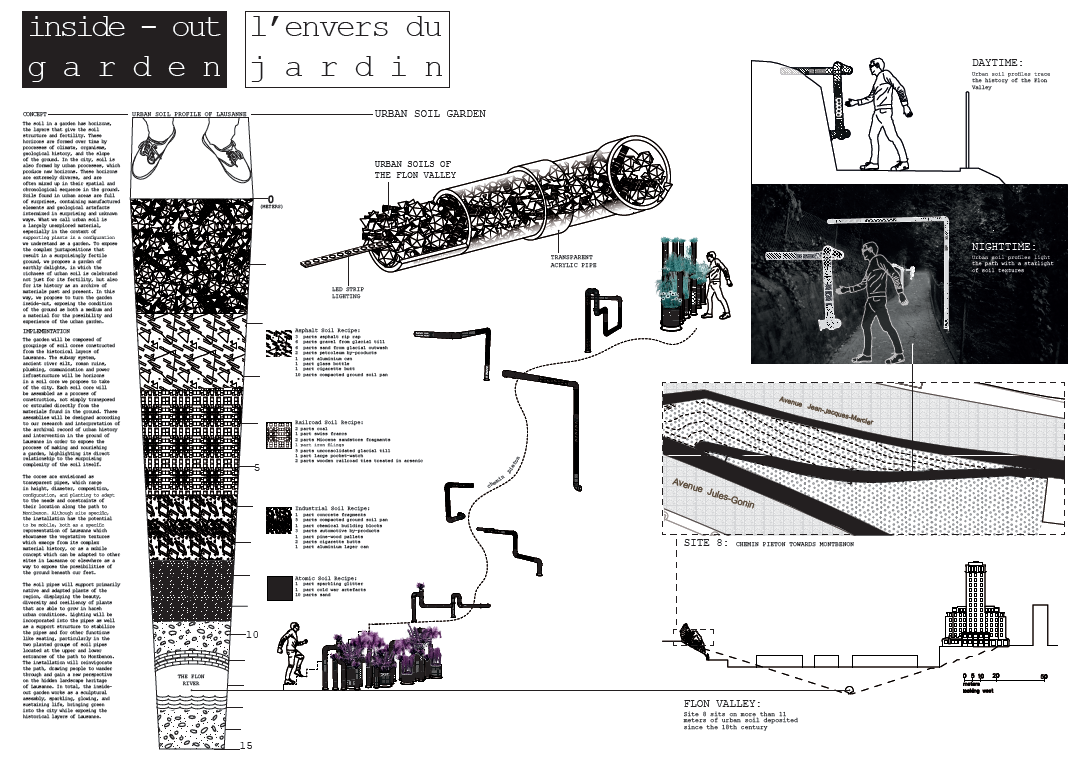
    The soil in a garden has horizons, the layers that give the soil structure and fertility. These horizons are formed over time by processes of climate, organisms, geological history, and the slope of the ground. In the city, soil is also formed by urban processes, which produce new horizons. These horizons are extremely diverse, and are often mixed up in their spatial and chronological sequence in the ground. Soils found in urban areas are full of surprises, containing manufactured elements and geological artifacts intermixed in surprising and unknown ways. What we call urban soil is a largely unexplored material, especially in the context of supporting plants in a configuration of what we understand as a garden. To expose the complex juxtapositions that result in a surprisingly fertile ground, we propose a garden of earthly delights, in which the richness of urban soil is celebrated not just for its fertility, but also for its history as an archive of materials past and present. In this way, we propose to turn the garden inside-out, exposing the condition of the ground as both a medium and a material for the possibility and experience of the urban garden. inside-out gardeninside-out gardenDrawing credit: Seth Denizen.
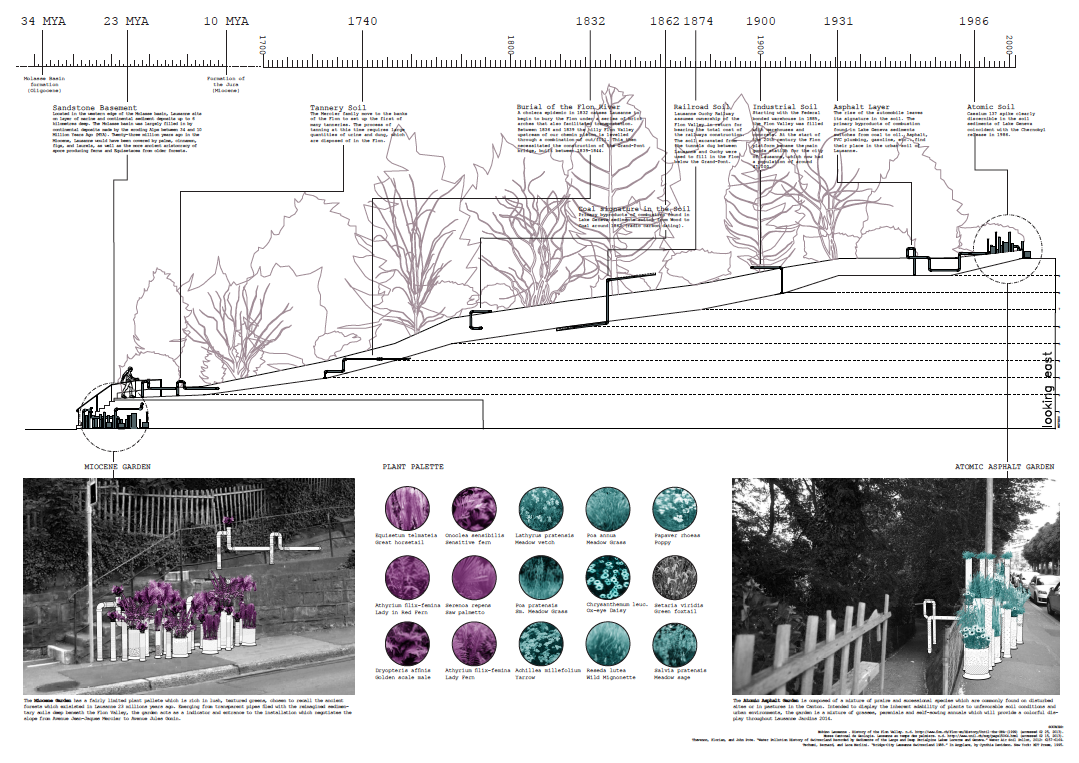
    The garden will be composed of groupings of soil cores constructed from the historical layers of Lausanne. The subway system, ancient river silt, roman ruins, plumbing, communication and power infrastructure will be horizons in a soil core we propose to take off the city. Each soil core will be assembled as a process of construction, not simply transposed or extruded directly from the materials found in the ground. These assemblies will be designed according to our research and interpretation of the archival record of urban history and intervention in the ground of Lausanne in order to expose the process of making and nourishing a garden, highlighting its direct relationship to the surprising complexity of the soil itself.

    The cores are envisioned as transparent pipes, which range in height, diameter, composition, configuration and planting to adapt to the needs and constraints of their location along the path to Montbenon. Although site specific, the installation has the potential to be mobile, both as a specific representation of Lausanne which showcases the vegetative textures which emerge from its complex material history, or as a mobile concept which can be adapted to other sites in Lausanne or elsewhere as a way to expose the possibilities of the ground beneath our feet. The soil pipes will support primarily native and adapted plants of the region, displaying the beauty, diversity and resiliency of plants that are able to grow in harsh urban conditions. Lighting will be incorporated into the pipes as well as a support structure to stabilize the pipes and for other functions like seating, particularly in the two planted groups of soil pipes located at the upper and lower entrances of the path to Montbenon. The installation will reinvigorate the path, drawing people to wander through and gain a new perspective on the hidden landscape heritage of Lausanne. In total, the inside-out garden works as a sculptural assembly, sparkling, glowing, and sustaining life, bringing green into the city while exposing the historical layers of Lausanne.

  • growing gowanus

    growing gowanus
    transverse studio with Patrick Keegan
    Gowanus Lowlands ideas competition
    2011

    Selected entry – Gowanus Lowline Exhibition: Connections
    SET Gallery, Brooklyn
    Sept 15 – Oct 1, 2011
    See here for the online exhibition of all the winning and selected entries.

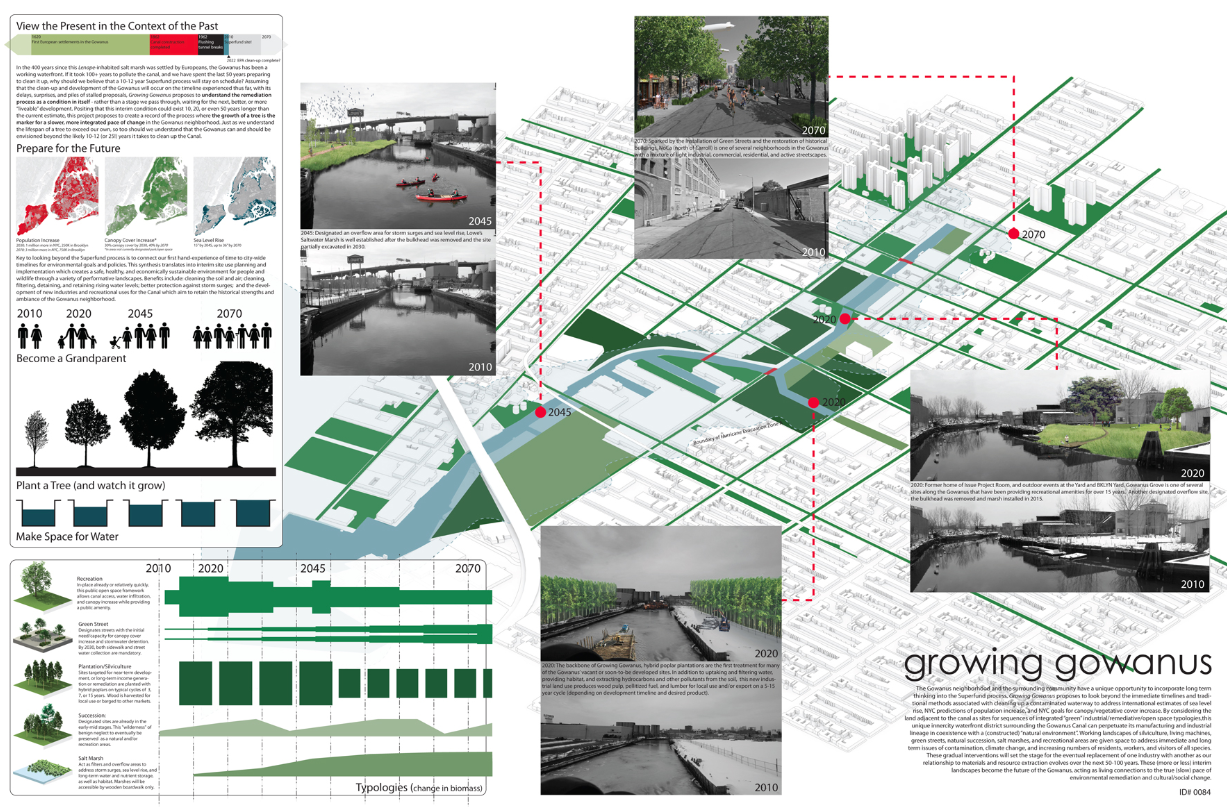
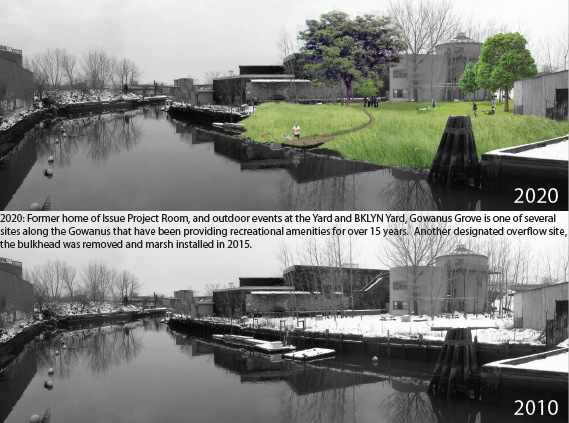
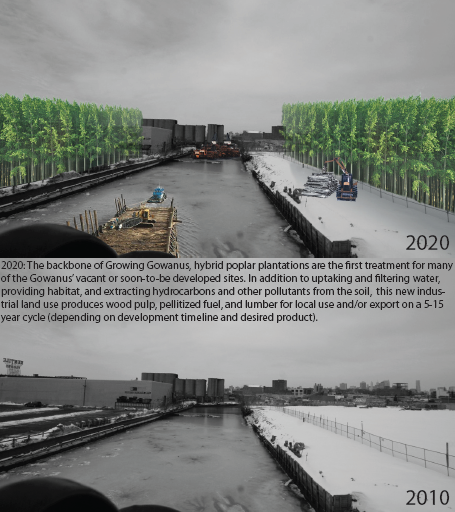
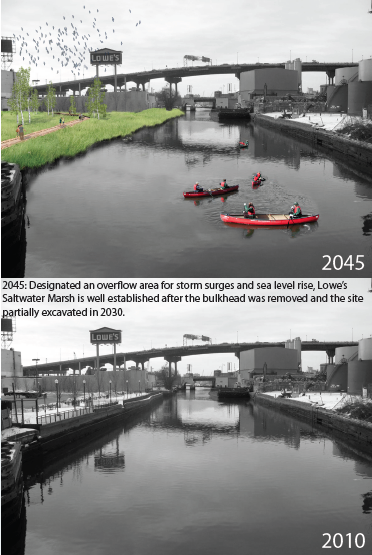
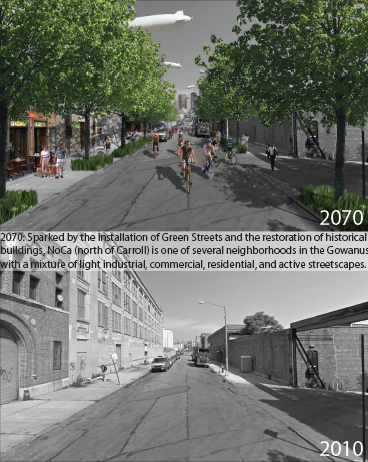
    The Gowanus neighborhood and the surrounding community have a unique opportunity to incorporate long term thinking into the Superfund process. Growing Gowanus proposes to look beyond the immediate timelines and traditional methods associated with cleaning up a contaminated waterway to address international estimates of sea level rise, NYC predictions of population increase, and NYC goals for canopy/vegetative cover increase. By considering the land adjacent to the canal as sites for sequences of integrated “green” industrial/remediative /open space typologies, this unique inner city waterfront district surrounding the Gowanus Canal can perpetuate its manufacturing and industrial lineage in coexistence with a (constructed) “natural environment”. Working landscapes of silviculture, living machines, green streets, natural succession, salt marshes, and recreational areas are given space to address immediate and long term issues of contamination, climate change, and increasing numbers of residents, workers, and visitors of all species. These gradual interventions will set the stage for the eventual replacement of one industry with another as our relationship to materials and resource extraction evolves over the next 50-100 years. These (more or less) interim landscapes become the future of the Gowanus, acting as living connections to the true (slow) pace of environmental remediation and cultural/social change.growing gowanus
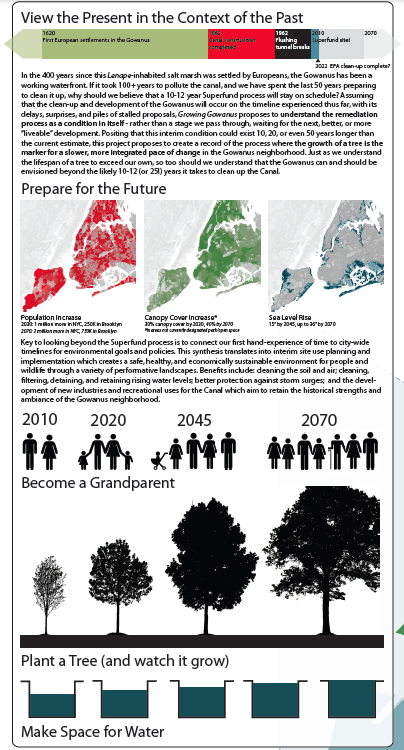
    In the 400 years since this Lenape-inhabited salt marsh was settled by Europeans, the Gowanus has been a working waterfront. If it took 100+ years to pollute the canal, and we have spent the last 50 years preparing to clean it up, why should we believe that a 10-12 year Superfund process will stay on schedule? Assuming that the clean-up and development of the Gowanus will occur on the timeline experienced thus far, with its delays, surprises, and piles of stalled proposals, Growing Gowanus proposes to understand the remediation process as a condition in itself – rather than a stage we pass through, waiting for the next, better, or more “liveable” development. Positing that this interim condition could exist 10, 20, or even 50 years longer than the current estimate, this project proposes to create a record of the process where the growth of a tree is the marker for a slower, more integrated pace of change in the Gowanus neighborhood. Just as we understand the lifespan of a tree to exceed our own, so too should we understand that the Gowanus can and should be envisioned beyond the likely 10-12 (or 25!) years it takes to clean up the Canal. Key to looking beyond the Superfund process is to connect our first hand-experience of time to city-wide timelines for environmental goals and policies. This synthesis translates into interim site use planning and implementation which creates a safe, healthy, and economically sustainable environment for people and wildlife through a variety of performative landscapes. Benfits include: cleaning the soil and air; cleaning,altering, detaining, and retaining rising water levels; better protection against storm surges; and the development of new industries and recreational uses for the Canal which aim to retain the historical strengths and ambiance of the Gowanus neighborhood.
    growing gowanus
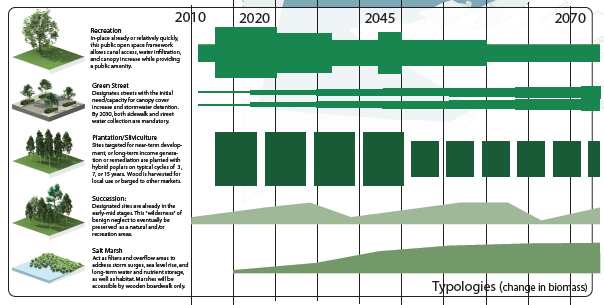
    Vegetation Typologies: Recreation; Green Street; Plantation/Silviculture; Successional; Salt Marsh
    growing gowanus
    Visual timeline of vegetation typologies applied to the site


  • dinner for 8 or to each their own

    dinner for eight or to each their own
    The Art of Urban Environments Festival, Easton, PA
    Finalist
    2011

    As a recovering post-industrial city with a rich history and a vibrant arts and cultural scene, Easton’s development of the Karl Steiner Arts Trail is an exciting step towards expanding and diversifying its pedestrian experience. A fertile ground for intervention, the trail’s adjacency and connection to sites of historical, cultural, and functional interest suggests possibilities for viewer discovery, interpretation, and engagement.

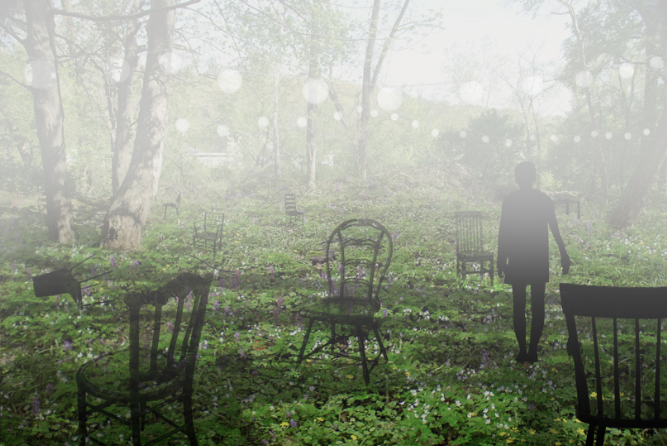
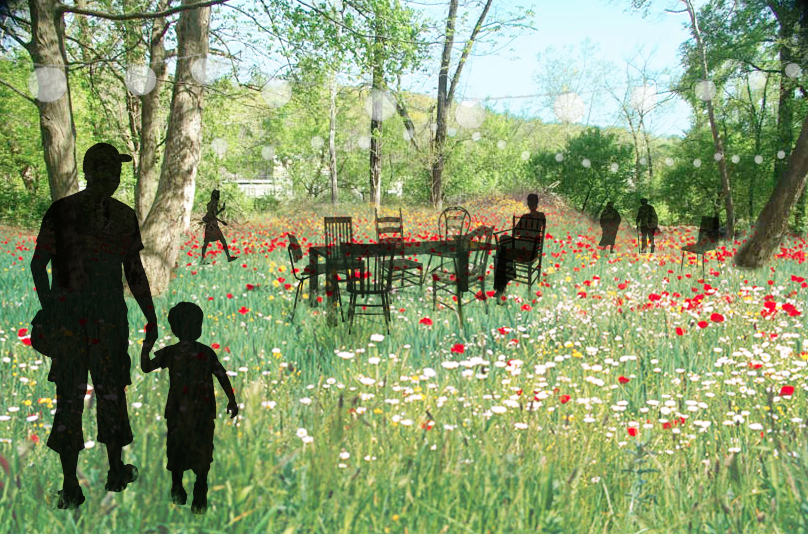
    Located along the trail at the Bend of the Bushkill, the forest clearing symbolizes both the wonder of nature and the agency of humans. Seen as a refuge from the wilderness or a flower filled sanctuary mysteriously untouched by human hands, the clearing is the historical gathering place of nymphs, pleasure parties, and solitary travelers. This conception of the clearing is set against the actual regenerative cycle of the forest – gaps are created and filled in an eternal process that can be slowed or stopped only by human intervention, often to perpetuate a memorable natural condition or to exploit the resources of the forest itself. It is this tension between the cycles of reality and memory, party and after-party, nature and culture, which forms the foundation for the proposed installation, dinner for eight or to each their own.

    Initial installation, Spring
    dinner for 8 or to each their own
    Summer
    dinner for 8 or to each their own
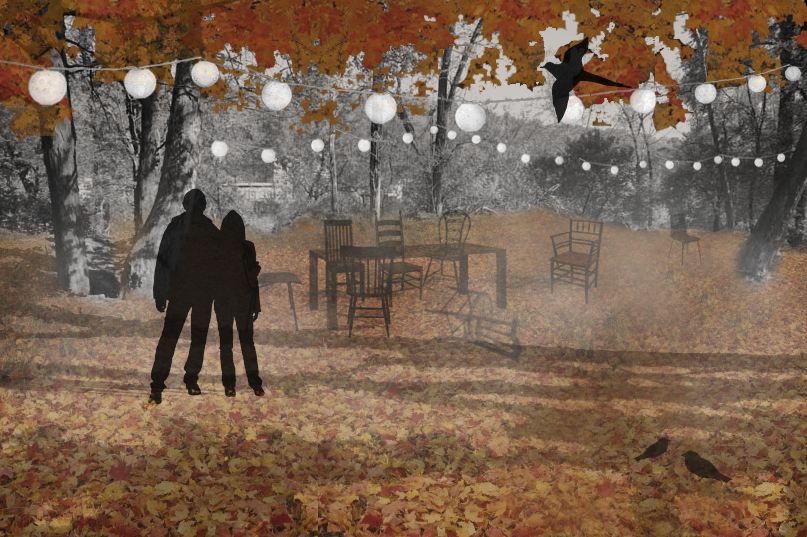
    Fall
    dinner for 8 or to each their own
    Separated from it’s historical adjacency to the Easton cemetery by U.S. Route 22, dinner for eight or to each their own explores the interaction of history, memory, and culture in the evolution of the natural environment, as well as the role of viewer discovery along the spectrum of hushed audience to active participant. Composed of a mismatched dining set collected from local consignment and antique stores to personify each period of Easton’s history, the installation begins in the spring as an abandoned site of a dinner party, presumably hastily vacated after a sumptuous feast and raucous crowd. Seeded with native successional groundcovers, grasses, and understory plants, the site will be progressively enveloped in vegetation as the seasons pass.

    Throughout the Festival, viewers are invited to be participants – to rearrange the furniture, to have their own picnic or dinner party, to simply be a part of the scene as they find it – therefore altering the trajectory of the installation and composing a new history for the objects, the planting, and the site itself. These transformations will be archived by the uploaded photo-documentation of visitors themselves – whether of neglected and weathered antiques that evoke the souls buried nearby or of an actively and regularly visited place. The installation is open ended, an evolving and changing experience which may or may not be visibly altered upon successive visits, but
    which will capture the imagination and inspire moments of inquiry, contemplation, and discovery.

  • we’re open!

    We’re Open!
    Merge Studio Lab’s Water Tower Project/PDX
    2011

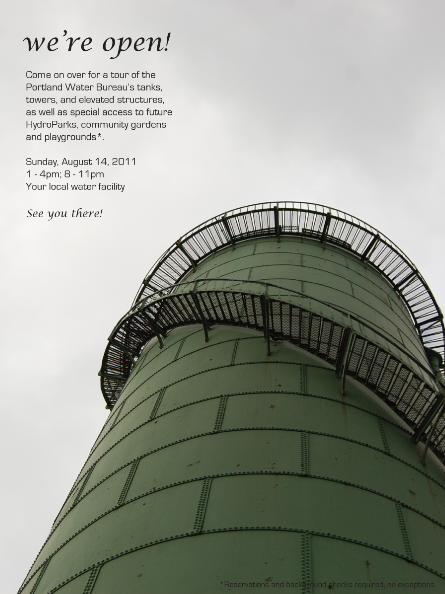
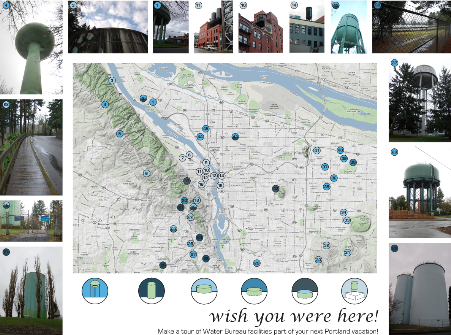
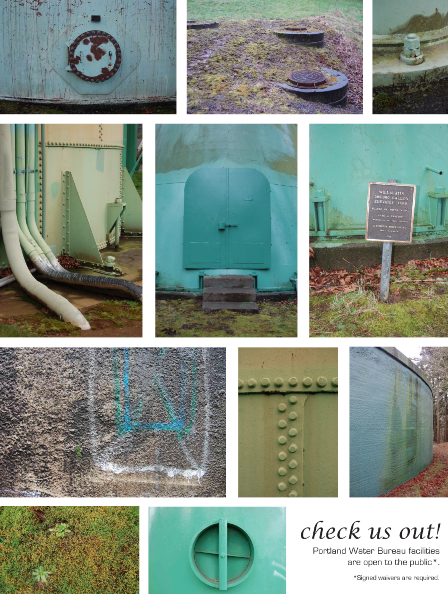
    Although an effort has been made in recent years to open the grounds of Portland’s Water Bureau properties through the creation of HydroParks, the majority are fenced off, and none allow access to the tanks/towers themselves. This project acknowledges the tension between public and private and posits that through public access to Water Bureau Facilities, they can become integral to the neighborhoods in which they are located, as well as become city-wide attractions, providing much-needed open space and much-desired expansive views of the city.

    we're open!

    we're open!

    we're open!

  • memory stones

    Memory Stones
    Aids Memorial Grove International Design Competition
    Finalist
    2005

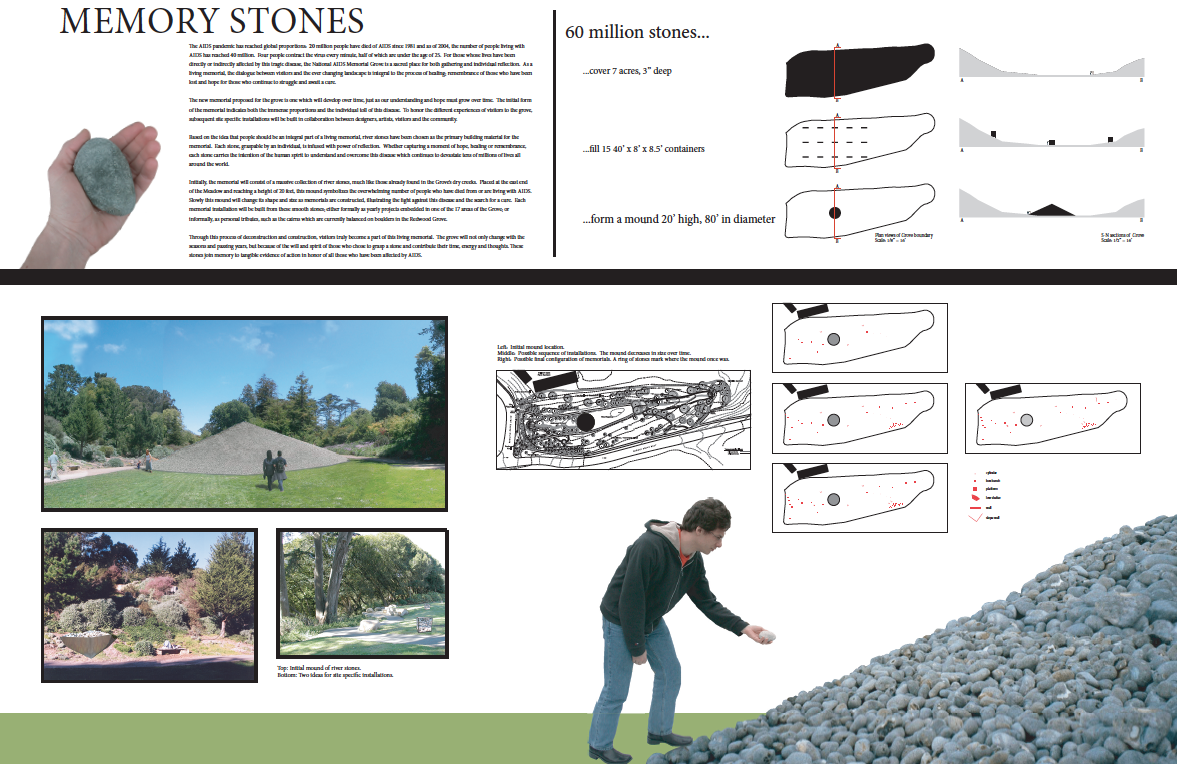
    The AIDS pandemic has reached global proportions: 20 million people have died of AIDS since 1981 and as of 2004, the number of people living with AIDS has reached 40 million. Four people contract the virus every minute, half of which are under the age of 25. For those whose lives have been directly or indirectly affected by this tragic disease, the National AIDS Memorial Grove is a sacred place for both gathering and individual reflection. As a living memorial, the dialogue between visitors and the ever changing landscape is integral to the process of healing; remembrance of those who have been lost and hope for those who continue to struggle and await a cure.

    memory stones
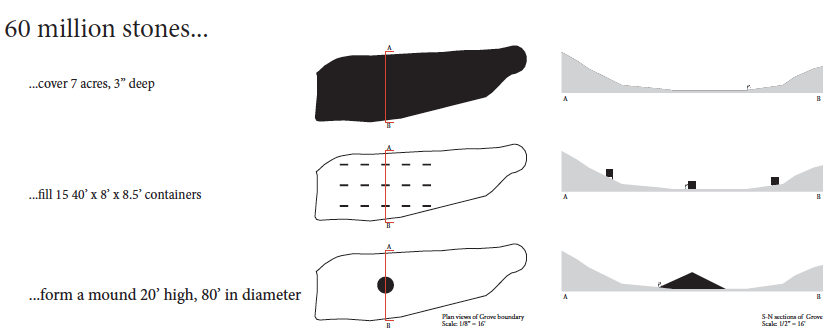
    The new memorial proposed for the grove is one which will develop over time, just as our understanding and hope must grow over time. The initial form of the memorial indicates both the immense proportions and the individual toll of this disease. To honor the different experiences of visitors to the grove, subsequent site specific installations will be built in collaboration between designers, artists, visitors and the community. memory stones
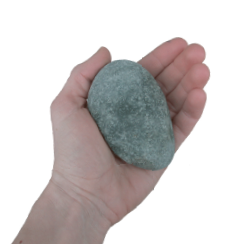
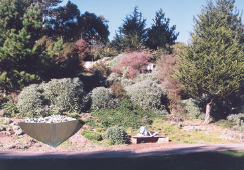
    memory stonesBased on the idea that people should be an integral part of a living memorial, river stones have been chosen as the primary building material for the memorial. Each stone, graspable by an individual, is infused with power of reflection. Whether capturing a moment of hope, healing or remembrance, each stone carries the intention of the human spirit to understand and overcome this disease which continues to devastate tens of millions of lives all around the world. Initially, the memorial will consist of a massive collection of river stones, much like those already found in the Grove’s dry creeks. Placed at the east end of the Meadow and reaching a height of 20 feet, this mound symbolizes the overwhelming number of people who have died or are living with AIDS. Slowly this mound will change its shape and size as memorials are constructed, illustrating the fight against this disease and the search for a cure. Each memorial installation will be built from these smooth stones; either formally as yearly projects embedded in one of the 17 areas of the Grove; or informally, as personal tributes, such as the cairns which are currently balanced on boulders in the Redwood Grove.
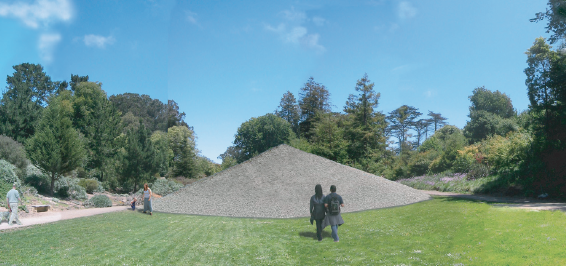
    Initial mound of river stones.
    memory stones
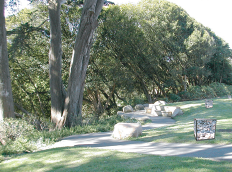
    Two ideas for site specific installations.
    memory stonesmemory stones

    Through this process of deconstruction and construction, visitors truly become a part of this living memorial. The grove will not only change with the seasons and passing years, but because of the will and spirit of those who chose to grasp a stone and contribute their time, energy and thoughts. These stones join memory to tangible evidence of action in honor of all those who have been affected by AIDS.

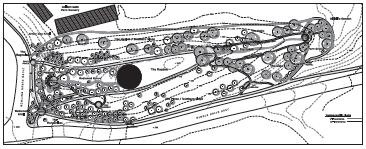
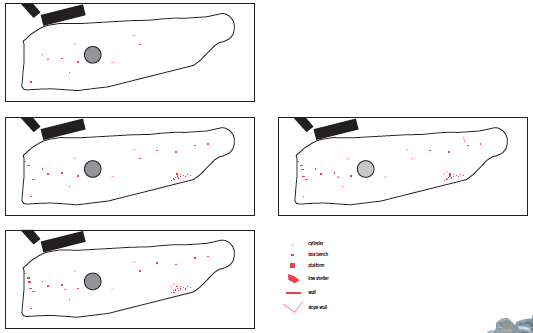
    Initial mound location, possible sequence of installations and possible final configuration of memorials. The mound decreases in size over time. A ring of stones mark where the mound once was.
    memory stonesmemory stones

    For more information on Aids memorials, the Grove and its history and the subsequent debate and discussion around the competition, see Jacob Cascio’s article and the 2011 documentary The Grove..